
Peter Attia ’60 Minutes’ Segment Pulled in Wake of Epstein Files Uproar
Controversy Surrounding Peter Attia and Jeffrey Epstein Leads to Segment Removal

CBS has decided to pull the “60 Minutes” segment featuring Peter Attia amid growing uproar following the release of newly uncovered Epstein files. The segment, which originally aired in October and included an interview conducted by correspondent Norah O’Donnell, was scheduled for a rerun as counterprogramming on Super Bowl Sunday. However, after reports surfaced linking Attia to Jeffrey Epstein, CBS opted to remove the interview from its lineup.
The Epstein files, released on January 30, 2026, revealed over 1,700 mentions of Peter Attia, raising questions about his relationship with the convicted sex offender. Media outlets such as Variety, The New York Times, and The Guardian have extensively covered the revelations, which include disturbing email exchanges and details about meetings between Attia and Epstein.
Details Emerging from the Epstein Files

Among the most troubling disclosures are crude emails between Attia and Epstein that reference female genitalia in a manner many have found offensive and inappropriate. Additionally, some correspondence suggests that Attia may have been with Epstein during a critical time when his wife was hospitalized with their infant son following a near-fatal medical emergency.
One email from 2016 contains a particularly tasteless joke by Attia about female genitalia being “low carb,” with a follow-up comment about gluten content. Other emails confirm meetings between Attia and Epstein’s associates, including a scheduled appointment on July 13, 2017, the same day Epstein’s assistant Leslie Groff noted a meeting with Attia.
This date coincides with a personal crisis Attia later described in his 2022 book, “Outlive,” where he recounts his infant son’s sudden loss of breath and hospitalization. Attia admitted in his memoir that he was absent during this critical time, choosing to remain in New York for work rather than be with his family. His candid reflection on this period highlights feelings of guilt and regret.
Peter Attia’s Response and Public Backlash
:max_bytes(150000):strip_icc():focal(599x0:601x2)/peter-attia-020326-4e9e87186e5a48a7923dc3620b544268.jpg)
In response to the revelations, Peter Attia issued a lengthy apology on the social media platform X (formerly Twitter). He emphasized that he was not involved in any criminal activity related to Epstein and denied any connection to Epstein’s sexual abuse or exploitation of others. Attia explained that he first met Epstein in 2014 through a prominent female healthcare leader while raising funds for scientific research.
Attia acknowledged meeting Epstein seven to eight times at the financier’s New York City residence to discuss research and networking opportunities. Despite this, he expressed regret for placing himself in a position where his emails—some of which he described as embarrassing, tasteless, and indefensible—became public.
The public reaction has been mixed, with some expressing disappointment and criticism over Attia’s association with Epstein, while others have called for a more measured response pending further investigation. CBS has not released an official statement beyond confirming the segment’s removal, and representatives for Attia have yet to provide additional comments.
Implications for Media and Public Figures
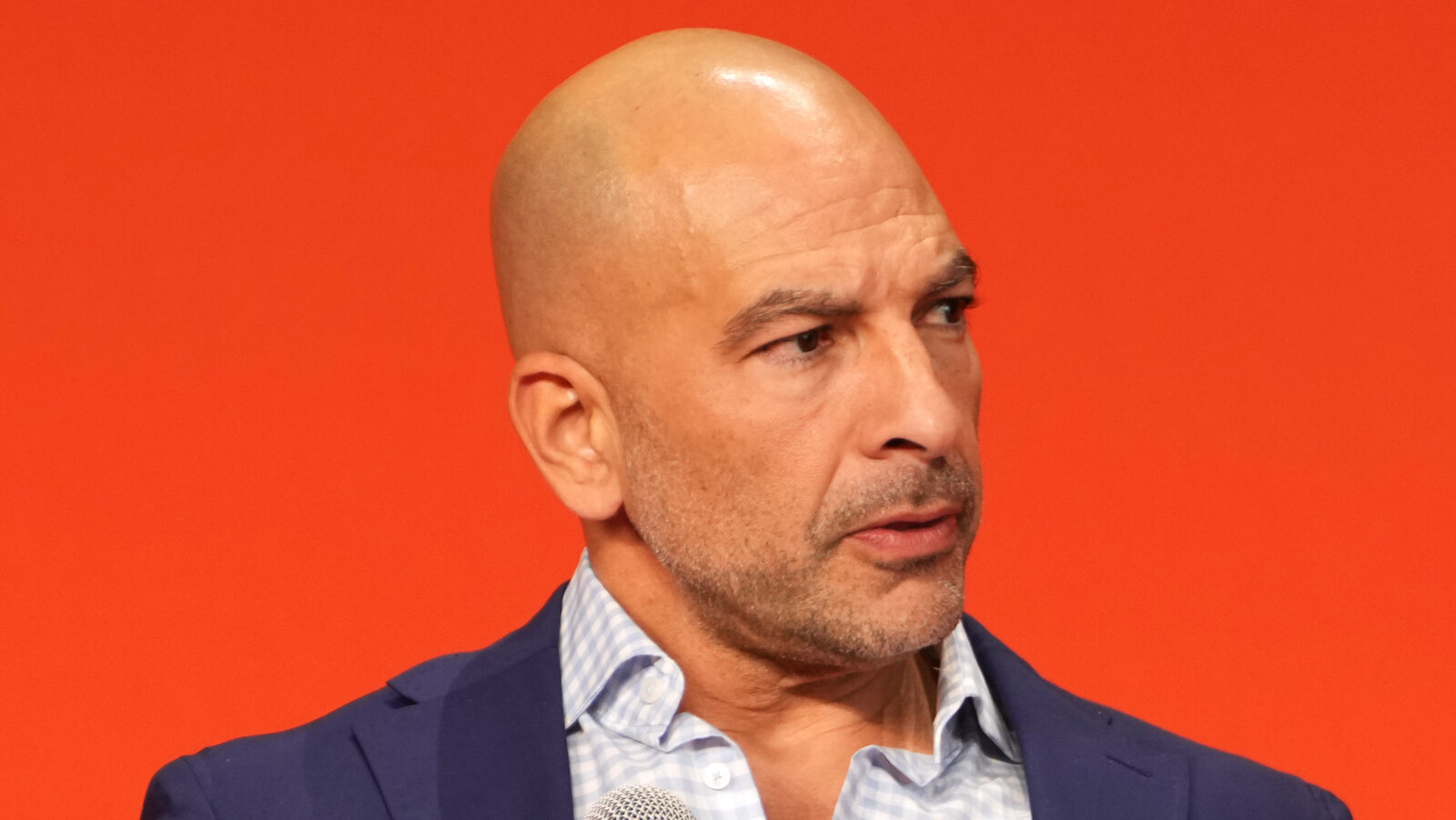
The removal of the Peter Attia “60 Minutes” segment underscores the sensitivity and potential fallout when public figures are linked to controversial individuals like Jeffrey Epstein. Media outlets are increasingly cautious about airing content that may be perceived as endorsing or legitimizing those with questionable associations.
This incident also highlights the broader challenges faced by professionals in the public eye who may have had indirect or professional connections with controversial figures. Transparency, accountability, and timely responses are crucial in managing reputational risks in such situations.
Conclusion

The decision to pull Peter Attia’s “60 Minutes” segment following the Epstein files uproar reflects the complex intersection of media responsibility, public scrutiny, and personal accountability. As more details emerge, it remains essential for audiences to stay informed and for media organizations to uphold ethical standards in their programming choices.
If you want to stay updated on this developing story and other major news events, be sure to subscribe to our newsletter and follow our coverage regularly.


Leave a Reply