
Dr. Peter Attia Pulled from CBS’s 60 Minutes Following Epstein Files Revelations
Controversy Surrounding Dr. Peter Attia and Jeffrey Epstein
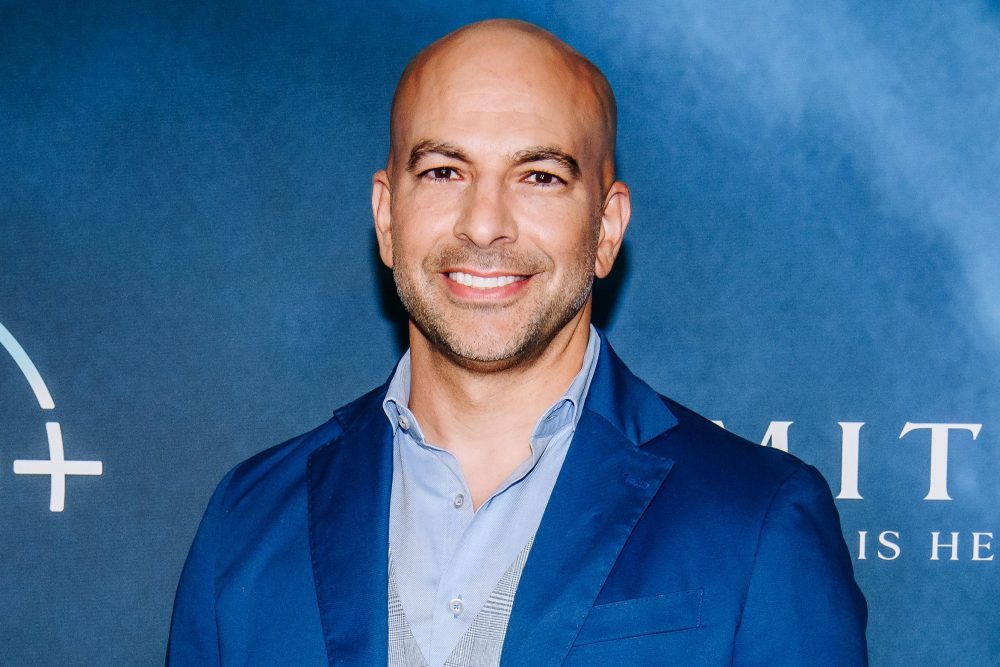
CBS made the decision to pull the “60 Minutes” segment featuring Dr. Peter Attia after the recent release of the Epstein files sparked widespread uproar. The segment, which originally aired in October and was scheduled for a rerun on Super Bowl Sunday, was abruptly removed following reports linking Attia to convicted sex offender Jeffrey Epstein. The Epstein files, released on January 30, 2026, contained over 1,700 mentions of Dr. Attia, raising serious questions about his relationship with Epstein and the nature of their interactions.
The media frenzy intensified as major outlets like The New York Times, Variety, and The Guardian published detailed accounts of disturbing email exchanges and documented meetings between Attia and Epstein. These revelations have cast a shadow over Attia’s public image and led to intense scrutiny from the public and media alike.
Key Details Emerging from the Epstein Files

Among the most troubling disclosures are crude and offensive emails sent by Dr. Attia to Epstein, which reference female genitalia in a manner widely regarded as inappropriate. One particularly distasteful email from 2016 contained a joke about female genitalia being “low carb,” followed by a comment about gluten content. These messages have been criticized for their insensitivity and poor judgment.
More alarmingly, some of the correspondence suggests that Attia was meeting with Epstein during a critical family emergency. On July 13, 2017, Epstein’s assistant Leslie Groff noted a scheduled meeting with Attia. This date coincides with a moment Attia later described in his 2022 memoir, *Outlive*, when his infant son suffered a near-fatal medical emergency and was hospitalized. Attia admitted that he chose to stay in New York for work-related meetings with Epstein rather than be with his wife and child during this crisis. His candid reflections reveal deep feelings of guilt and regret over this decision.
Peter Attia’s Public Response and Backlash

In the wake of the revelations, Dr. Peter Attia issued a detailed apology on the social media platform X (formerly Twitter). He denied any involvement in Epstein’s criminal activities or exploitation of others and emphasized that his interactions with Epstein were limited to professional and networking contexts. Attia stated that he first met Epstein in 2014 through a prominent female healthcare leader while fundraising for scientific research.
Attia acknowledged meeting Epstein seven to eight times at the financier’s New York City residence to discuss research collaborations and networking opportunities. Despite this, he expressed regret for the tone and content of some of his emails, describing them as “embarrassing, tasteless, and indefensible.” Attia’s apology sought to clarify his position and distance himself from Epstein’s criminal conduct.
Public reaction has been mixed. Some have expressed disappointment and criticism over Attia’s association with Epstein, while others urge a more measured response pending further investigation. CBS has not issued any statement beyond confirming the segment’s removal, and representatives for Attia have remained largely silent since his apology.
Implications for Media and Public Figures in the Epstein Era

The removal of Dr. Peter Attia’s “60 Minutes” segment highlights the challenges media organizations face when public figures are linked to controversial individuals like Jeffrey Epstein. Networks are increasingly cautious about airing content that might be perceived as endorsing or legitimizing those with questionable associations. This incident underscores the delicate balance between journalistic integrity and reputational risk management.
For professionals in the public eye, the Epstein files serve as a stark reminder of the potential fallout from indirect or professional connections to notorious figures. Transparency, accountability, and timely communication are essential for managing public perception and maintaining credibility. The controversy also raises broader questions about how society should evaluate the actions and associations of influential individuals when new information comes to light.
The Broader Impact on Public Trust and Media Ethics
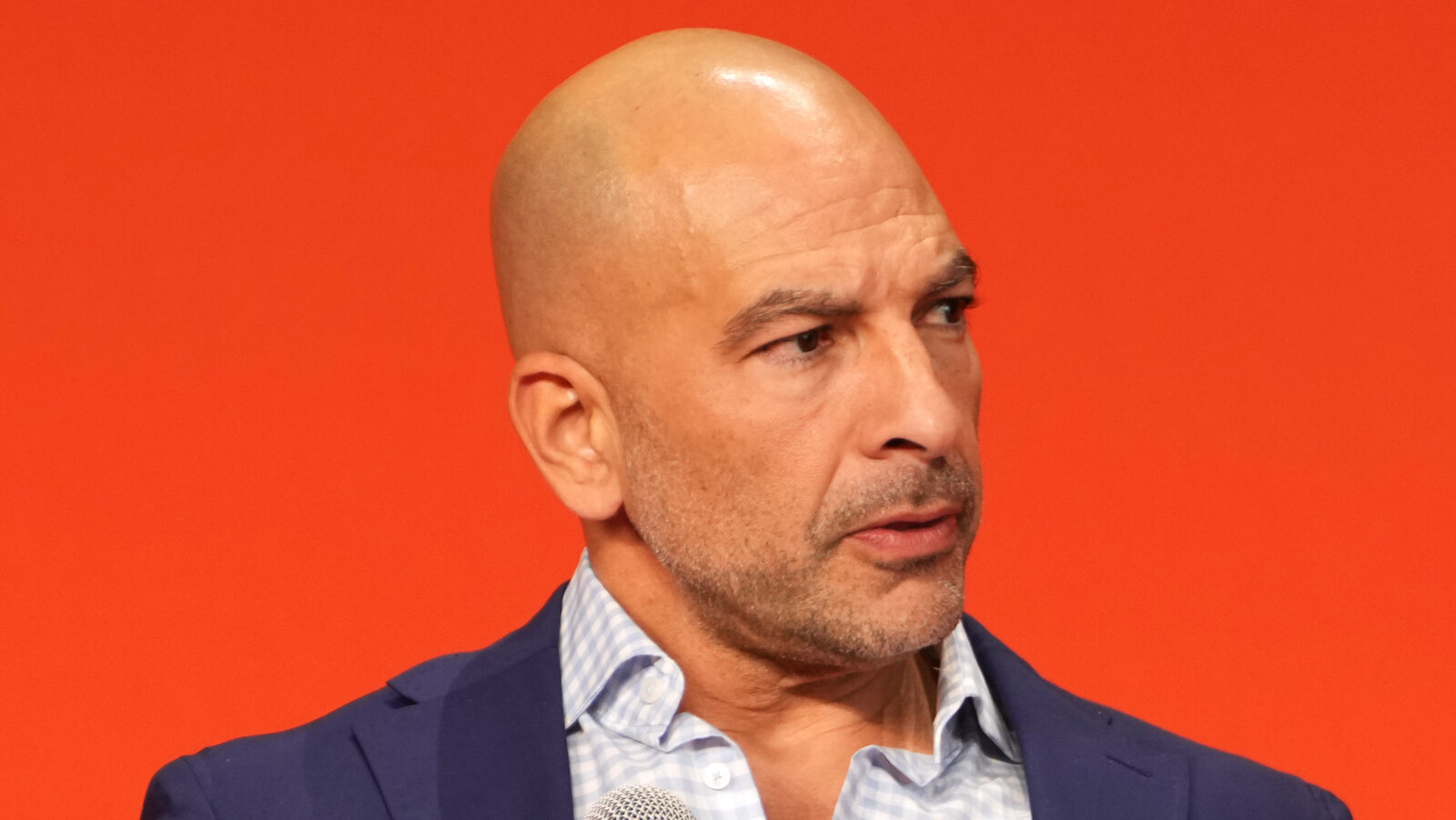
This episode has reignited discussions about media responsibility and the ethical considerations involved in featuring guests with controversial backgrounds. It also spotlights the importance of vetting and due diligence in journalism, especially when dealing with figures linked to criminal activity or moral turpitude.
The public’s trust in both media outlets and public figures hinges on openness and accountability. As more details from the Epstein files continue to emerge, it will be crucial for media organizations to navigate these revelations carefully, ensuring that their programming choices reflect ethical standards without compromising journalistic freedom.
Conclusion
The decision to pull Dr. Peter Attia’s “60 Minutes” segment following the Epstein files uproar reflects the complex intersection of media responsibility, public scrutiny, and personal accountability. As the story develops, it remains vital for audiences to stay informed and for media outlets to uphold transparency and ethical programming standards. If you want to stay updated on this evolving story and other major news events, be sure to subscribe to our newsletter and follow our coverage regularly.


Leave a Reply