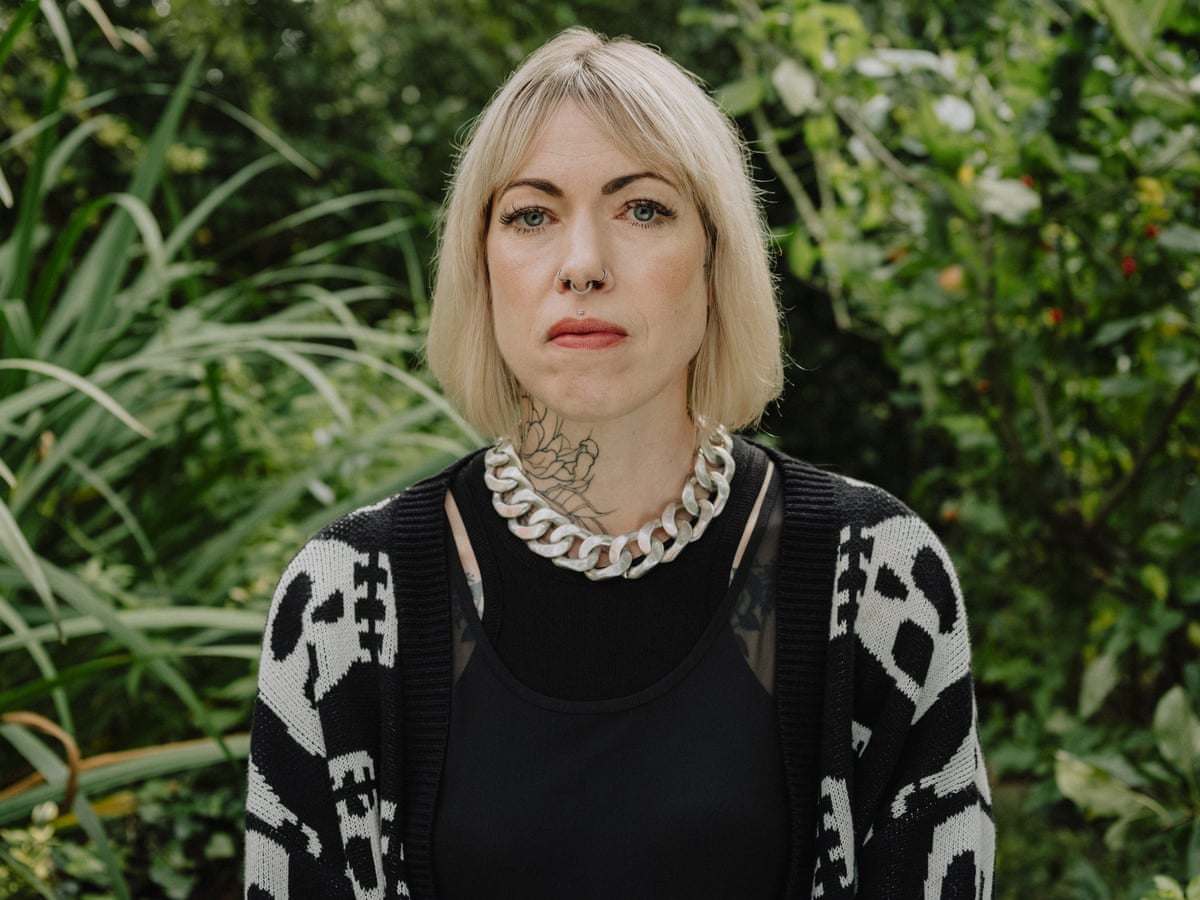
Good Morning Britain Stars Reveal They’ve Fallen Victim to ‘Sexually Explicit’ Deepfake Porn
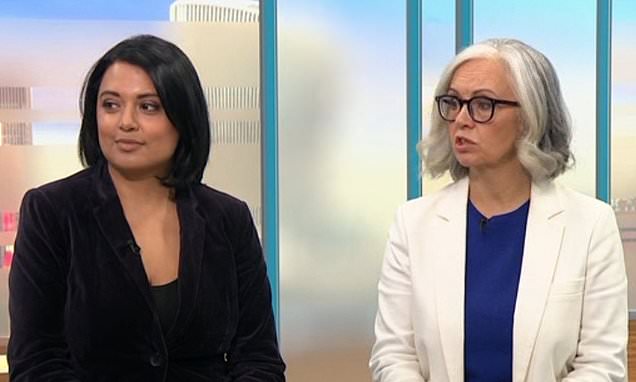
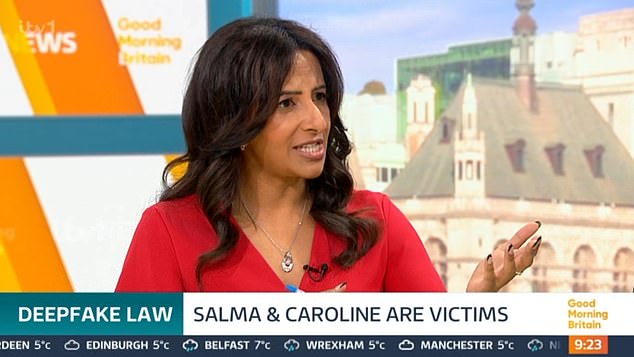
Good Morning Britain, a popular morning news and talk show, has recently brought attention to a disturbing and growing issue: the use of deepfake technology to create sexually explicit content without consent. On a recent episode, stars Salma Shah and Caroline Flint bravely shared their experiences of being targeted by deepfake porn, sparking a wider conversation about the dangers of this digital abuse and the lack of effective action from social media companies.
The Rise of Sexually Explicit Deepfake Porn and Its Impact on Victims
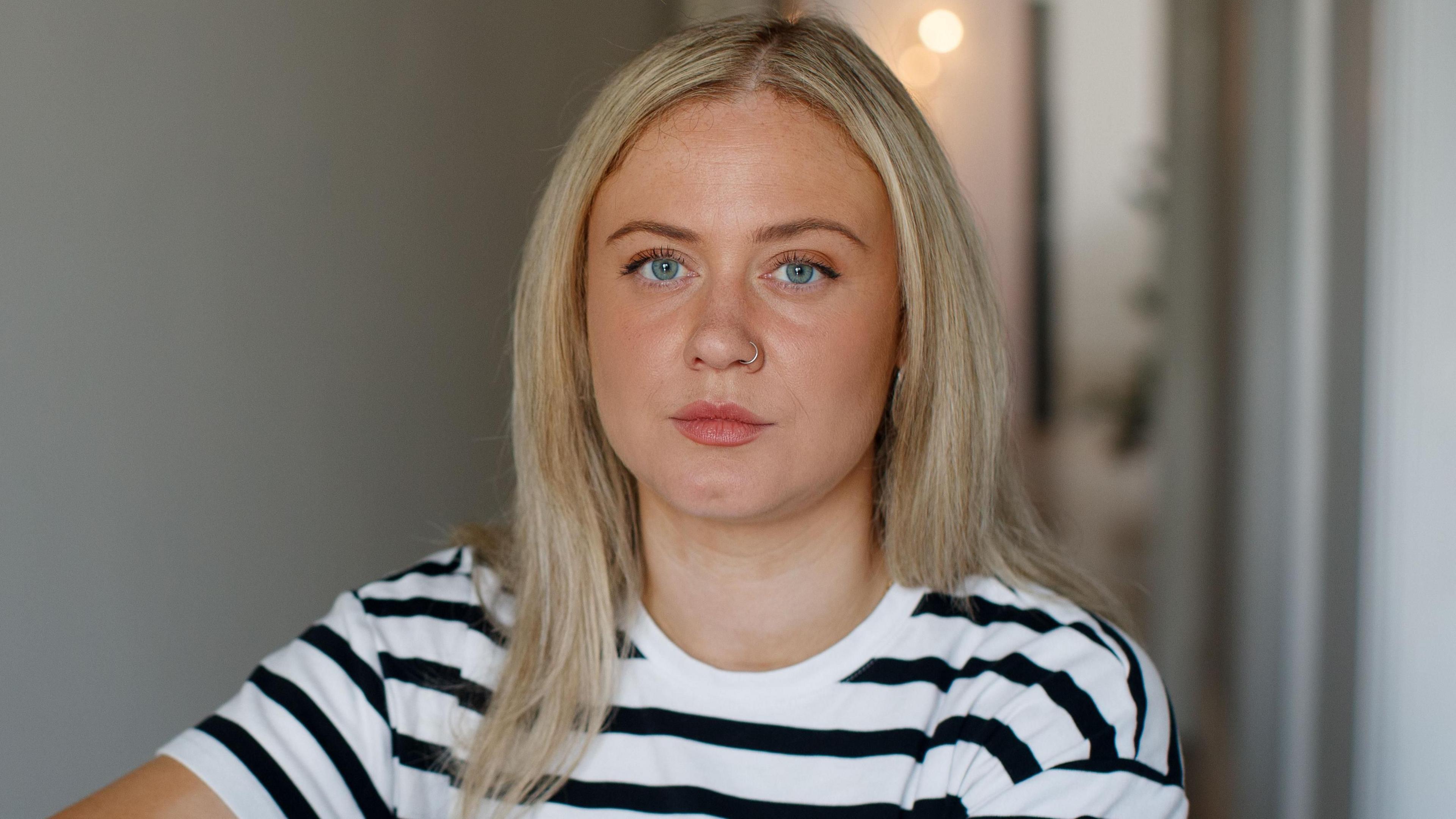
Deepfake technology uses artificial intelligence to manipulate videos, images, and audio recordings, creating hyper-realistic but entirely fabricated content. While this technology has some legitimate uses in entertainment and education, it has increasingly been exploited to produce non-consensual sexually explicit material, often targeting public figures and private individuals alike.
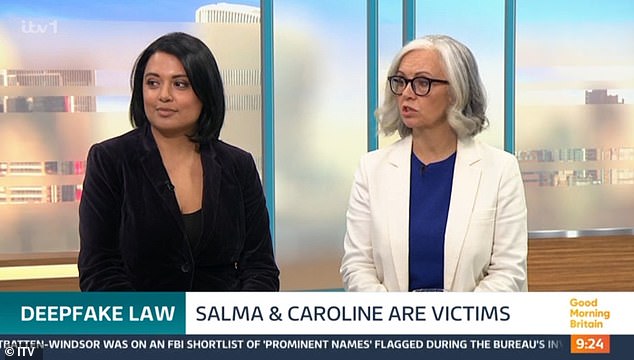
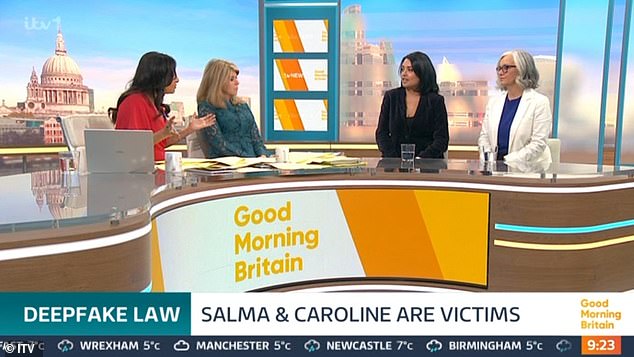
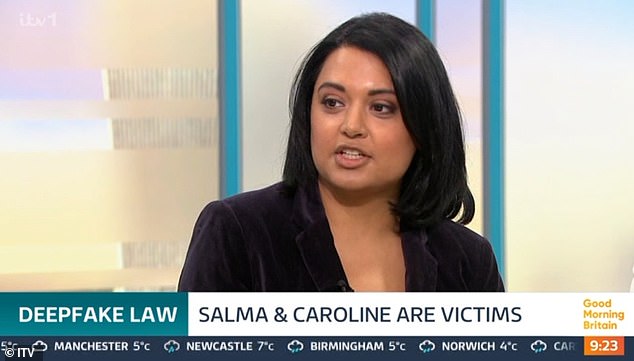
Salma Shah and Caroline Flint, both regular contributors to Good Morning Britain, revealed how they were shocked to discover deepfake videos featuring themselves in compromising and fabricated sexual scenarios. Caroline Flint recounted how a post on the social media platform X (formerly Twitter) showed manipulated footage of her and Salma appearing to engage in inappropriate behavior on the GMB sofa. This experience left them feeling violated and powerless, especially given how difficult it is to get such content removed promptly.
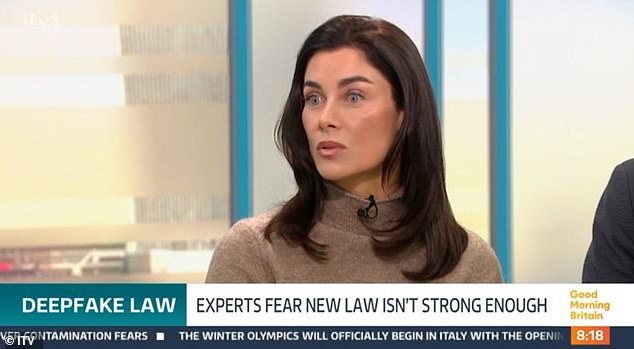
The issue of deepfake porn is not isolated. Love Island star Cally Jane also shared her distressing experience of being targeted by similar content. These testimonies highlight the emotional and reputational damage caused by deepfake pornography, which can lead to harassment, bullying, and severe mental health consequences for victims.
Legal Developments and the Role of Social Media Platforms
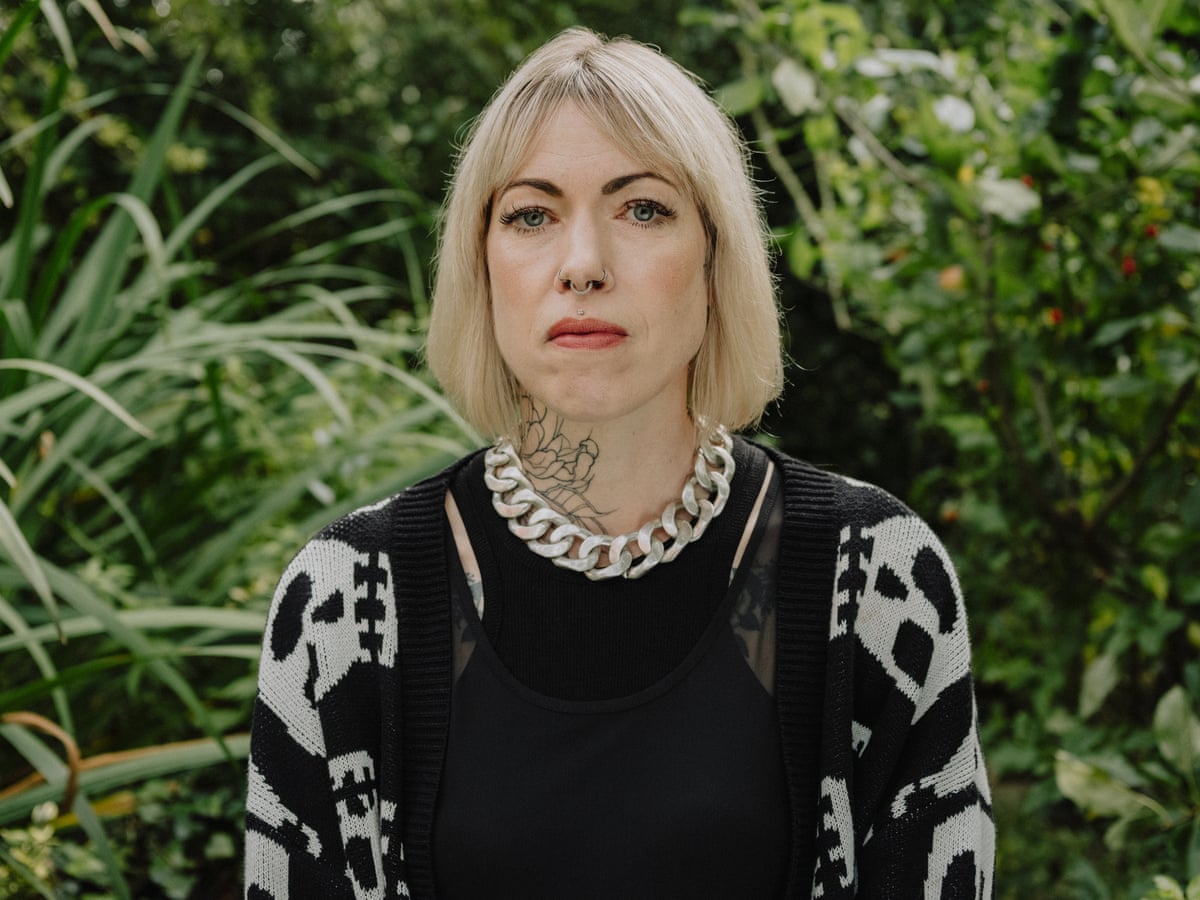
Recognizing the severity of the problem, the UK government introduced new legislation effective from 6 February 2026, making it illegal to create or request deepfake content without the subject’s consent. This law aims to provide victims with stronger legal recourse and deter perpetrators from abusing this technology.
Despite these legal advances, social media companies have been criticized for their slow response and reluctance to remove sexually explicit deepfake content quickly. Victims often face a frustrating battle to have such material taken down, as platforms struggle to balance content moderation with freedom of expression.
Good Morning Britain’s discussion brought this issue to the forefront, urging social media bosses to take more responsibility and implement faster, more effective measures to protect users from deepfake abuse. The current lack of proactive intervention leaves many victims exposed to ongoing harassment and public humiliation.
How to Protect Yourself and Support Victims of Deepfake Porn
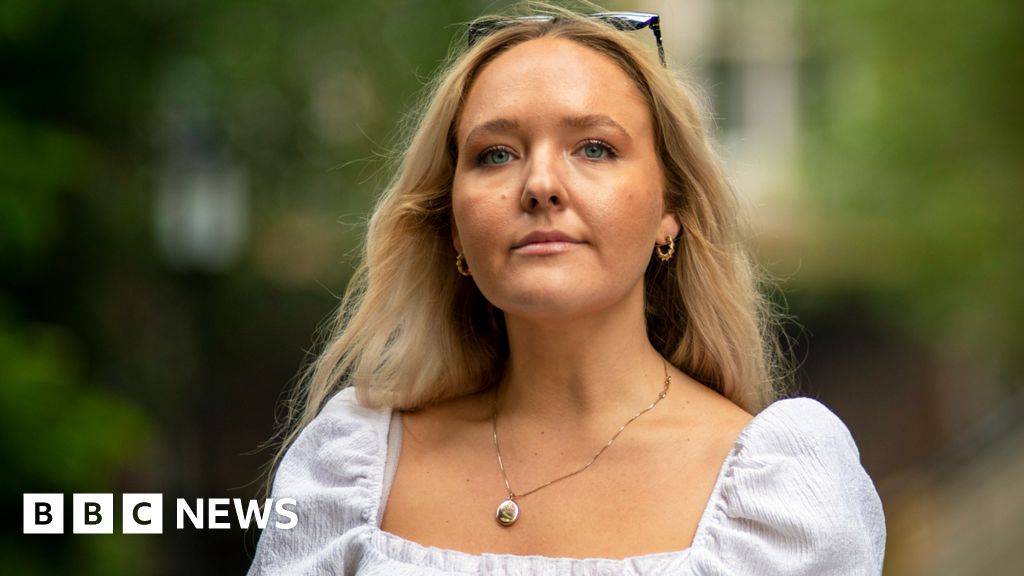
Awareness is the first step in combating the spread of sexually explicit deepfake porn. If you suspect you or someone you know has been targeted, it is crucial to document the evidence and report the content to the platform hosting it. Many social media sites have reporting tools specifically for non-consensual intimate imagery, though their effectiveness varies.
Victims should also seek legal advice to understand their rights under the new laws and explore options for pursuing justice. Support organizations and helplines can provide emotional assistance and guidance on navigating the aftermath of digital abuse.
On a broader scale, advocating for stronger regulations and holding social media companies accountable can help create a safer online environment. Public pressure and media coverage, like the Good Morning Britain segment, play a vital role in pushing for change.
Conclusion

The revelations from Good Morning Britain stars Salma Shah and Caroline Flint about falling victim to sexually explicit deepfake porn underscore the urgent need for stronger protections against this form of digital abuse. While new laws mark progress, social media platforms must step up to remove harmful content swiftly and support victims effectively. If you or someone you know has been affected by deepfake pornography, don’t hesitate to report it and seek help. Together, we can raise awareness and demand safer online spaces for everyone.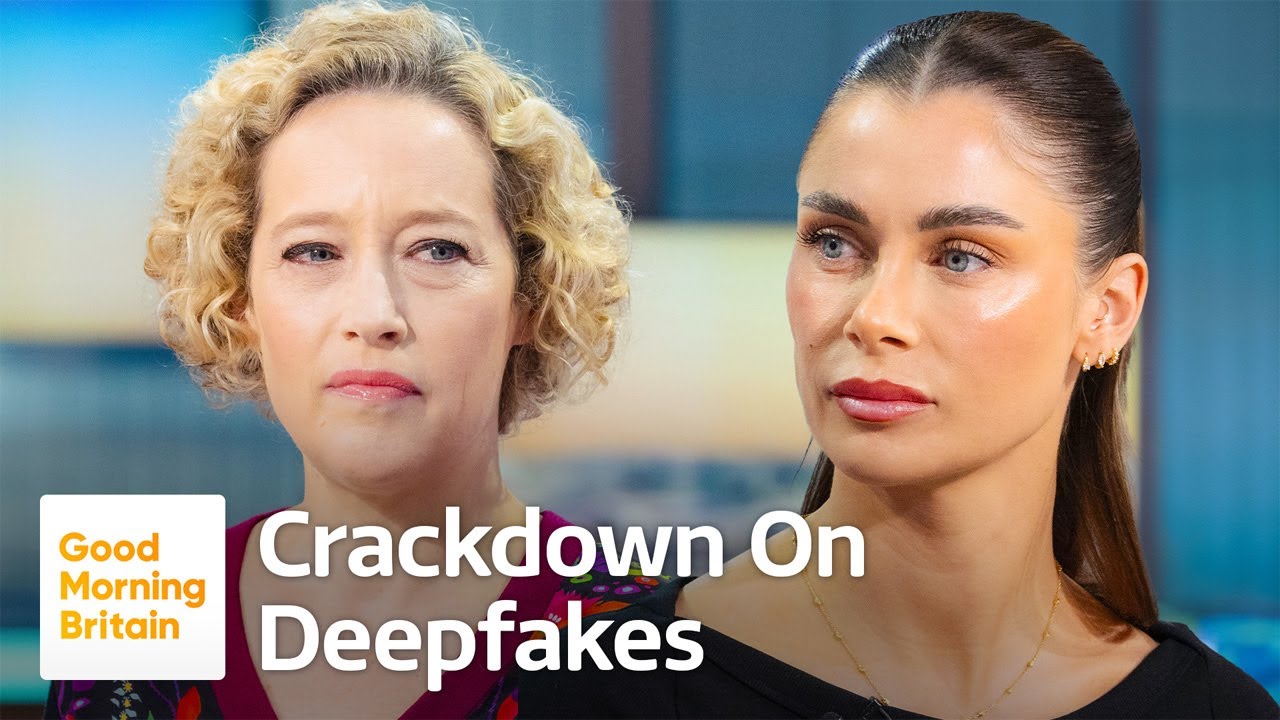






Leave a Reply