What Drove Prince Andrew Mountbatten-Windsor to Beg Disgraced Billionaire Jeffrey Epstein to Pay Off the Duchess Sarah Ferguson’s Aide’s Debts in New York?
The Financial Struggles Behind Sarah Ferguson’s Personal Assistant’s Debt
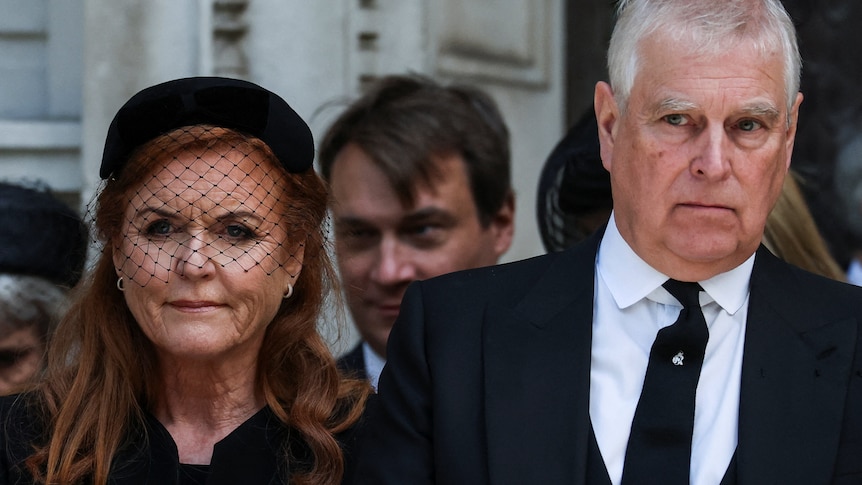
In recent years, revelations surrounding the financial difficulties faced by Sarah Ferguson, Duchess of York, have come to light, particularly focusing on her substantial debt to her former personal assistant, Johnny O’Sullivan. This debt, which reportedly amounted to approximately $126,721 (around £93,500), was not merely about unpaid wages but also included tuition fees for an MBA program at Columbia University that Ferguson had promised to cover. These financial obligations emerged as a significant burden following her bankruptcy in the United States in 2010.
The mounting debts placed Ferguson in a precarious financial position, with estimates suggesting liabilities ranging from £2 million to £5 million. This dire situation led to discussions about voluntary bankruptcy and created a ripple effect that extended beyond her personal finances. It was within this context that Prince Andrew Mountbatten-Windsor became involved, seeking assistance from one of the most controversial figures linked to the royal family—Jeffrey Epstein.
How Epstein Became Involved in Settling the Debt
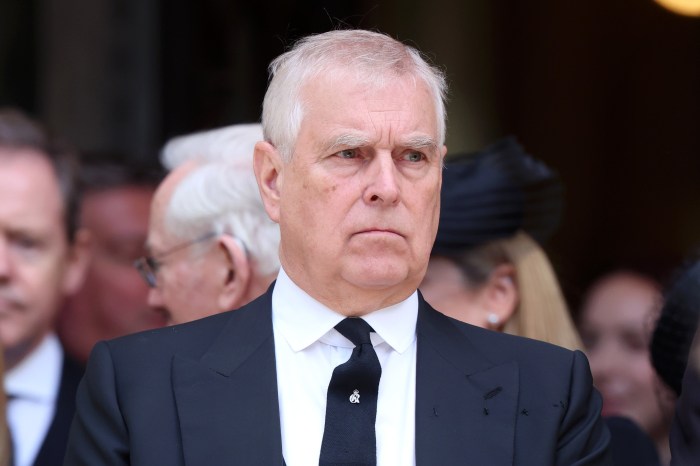
The Epstein Files, a collection of documents and emails that have surfaced over the years, reveal that Prince Andrew approached Jeffrey Epstein to intervene and settle the outstanding debt owed to Johnny O’Sullivan. Epstein agreed to pay off the debt, but at a significantly reduced amount. Correspondence from early 2011 indicates that Epstein settled the balance for roughly $31,680 (about £23,300), which was merely 25 pence on the pound of the total sum owed.
Epstein’s involvement was not without complications. In an email dated 28 February 2011, Epstein expressed distrust towards O’Sullivan and concern that the payment might be perceived as a payoff intended to silence him. O’Sullivan agreed to the reduced settlement on the condition that his student loan debt of nearly $60,000 (approximately £44,100) and an additional shortfall of $22,500 (around £16,500) were also covered. The correspondence suggested that failure to fully compensate O’Sullivan could lead to him revealing sensitive information about his 18 years of service to the Duchess, potentially causing further embarrassment to the royal family.
The Impact of Epstein’s Intervention on Prince Andrew Mountbatten-Windsor’s Reputation
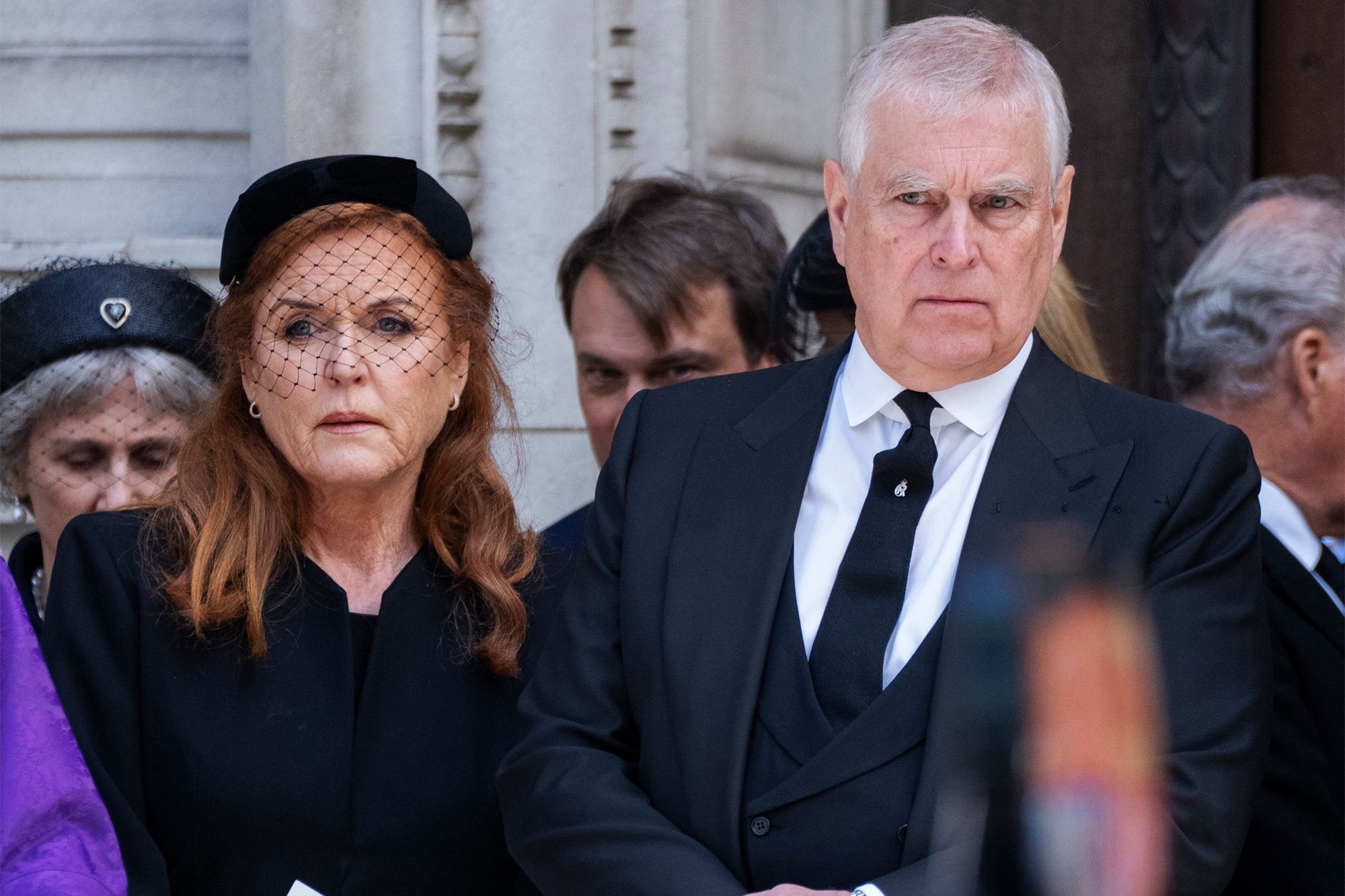
The connection between Prince Andrew and Jeffrey Epstein has been a subject of intense public scrutiny for over a decade. The December 2010 photograph showing Andrew and Epstein together in Central Park, New York, became emblematic of this controversial relationship. At the time, Epstein was already a convicted sex offender, having served 13 months in jail for soliciting prostitution from a minor. This association severely damaged Andrew’s public image.
The financial entanglement involving Sarah Ferguson’s debt and Epstein’s intervention added fuel to the fire, intertwining personal financial troubles with broader scandals. The media spotlight intensified, culminating in Andrew’s widely criticized 2019 Newsnight interview, which many viewed as a turning point leading to his withdrawal from royal duties.
Following these events, Andrew was stripped of all his royal titles and asked to vacate Royal Lodge. He subsequently relocated to Wood Farm on the Sandringham Estate, marking a significant fall from grace. The involvement of Epstein in settling Ferguson’s aide’s debts became a notable chapter in the narrative of Andrew’s public downfall, highlighting how financial and personal associations can have far-reaching consequences for members of the royal family.
Understanding the Broader Implications of the Debt Settlement
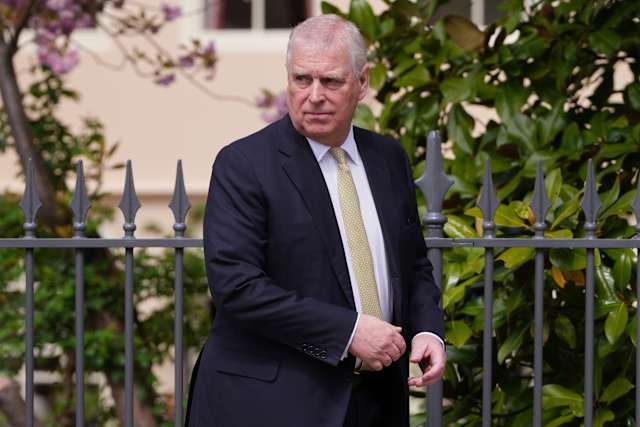
The settlement of Sarah Ferguson’s personal assistant’s debt by Jeffrey Epstein was more than a simple financial transaction; it was a catalyst that exposed vulnerabilities within the royal family and underscored the risks of controversial associations. The reduced payment arrangement and Epstein’s candid emails revealed a complex web of mistrust, financial desperation, and attempts to manage potential scandals behind closed doors.
This episode illustrates how personal financial struggles, when linked with high-profile figures like Epstein, can escalate into public relations crises with lasting impacts. For Prince Andrew, the decision to involve Epstein in resolving the debt not only affected his personal reputation but also contributed to the erosion of public trust in the monarchy.
Conclusion
Prince Andrew Mountbatten-Windsor’s plea to disgraced billionaire Jeffrey Epstein to pay off the Duchess Sarah Ferguson’s aide’s debts in New York was driven by a combination of financial desperation and the desire to avoid further scandal. The intervention by Epstein, while temporarily resolving the debt issue, ultimately intensified scrutiny on Andrew’s associations and played a significant role in his public downfall. This story highlights the intricate connections between personal financial difficulties and broader reputational risks faced by public figures.
If you want to stay informed about the latest developments in royal affairs and uncover the stories behind the headlines, be sure to subscribe to our newsletter and follow our comprehensive coverage.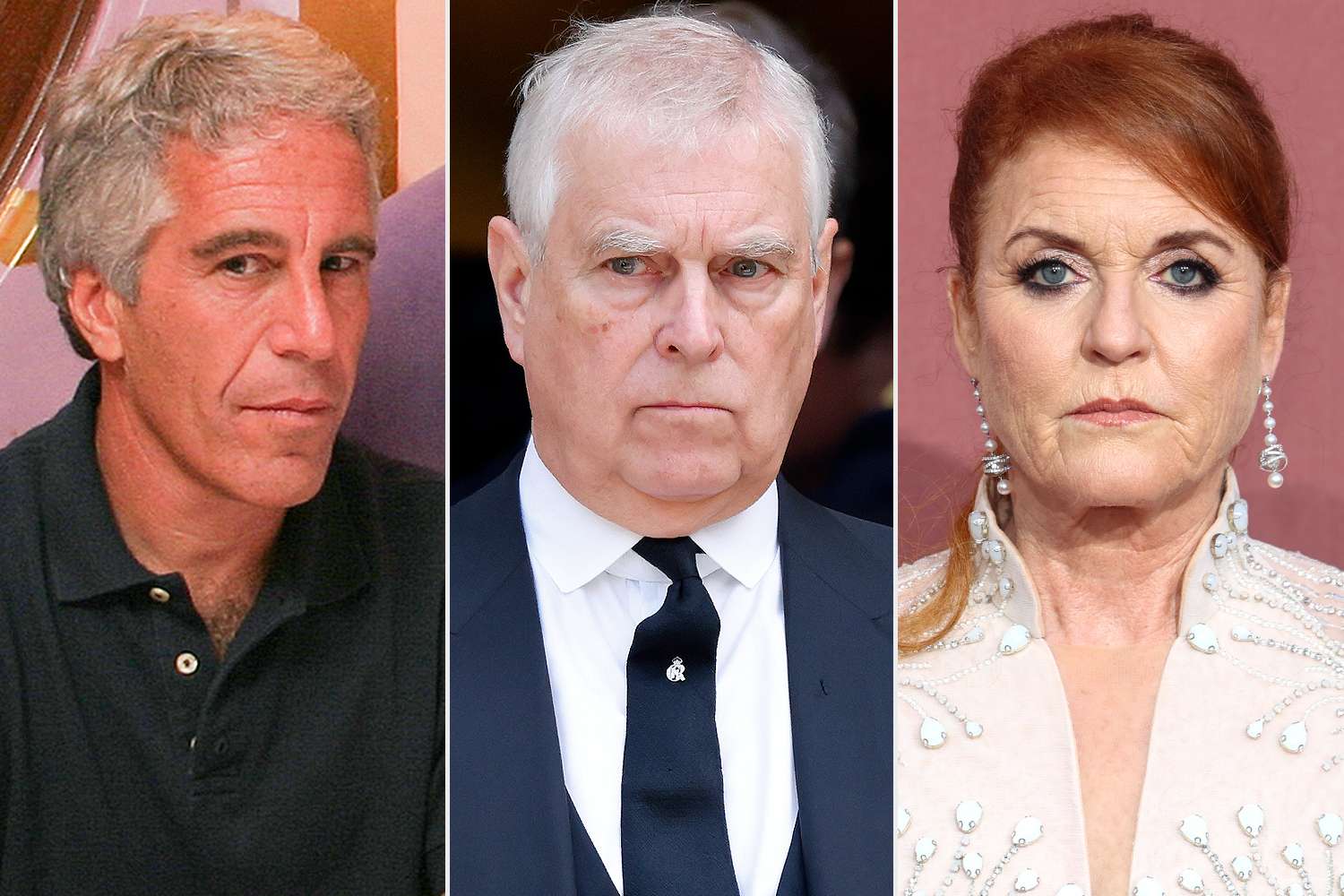





Leave a Reply