
Super Bowl Fans ‘Sickened’ After Translating Bad Bunny’s X-Rated Spanish Lyrics: ‘This Is Pure Degeneracy’
The Super Bowl halftime show is traditionally a highlight of the event, showcasing some of the biggest names in music. However, this year’s performance by global superstar Bad Bunny has ignited a firestorm of controversy. Fans and critics alike were left “sickened” after translations of his Spanish lyrics revealed highly explicit and provocative content. The backlash has raised questions about the NFL’s choice to feature such material on one of the world’s largest entertainment stages.
Bad Bunny’s X-Rated Spanish Lyrics Spark Outrage Among Super Bowl Viewers

Following Bad Bunny’s headline-making halftime performance, social media quickly became a battleground as viewers shared English translations of his Spanish lyrics. Many were shocked to discover the explicit nature of his songs, which include graphic references to sexual acts, drug use, and casual relationships. Conservative commentators and concerned fans expressed disgust, labeling the content as “pure degeneracy” and questioning the NFL’s judgment.
One of the most widely discussed tracks, “Safaera,” contains lyrics boasting about intoxicated sexual encounters and explicit acts. Translations circulated online highlighted lines suggesting that a woman’s partner is inadequate if he does not perform specific sexual acts, which many found offensive and inappropriate for a family-friendly broadcast. Other songs like “Tití Me Preguntó” delve into themes of juggling multiple sexual partners and even mention genital size, further fueling the controversy.
The backlash was swift and intense. Conservative commentator Megan Basham was among the first to post screenshots of the translated lyrics, describing them as “the most obscene lyrics ever to be performed at a Super Bowl halftime.” Her posts garnered thousands of shares and sparked heated debates about the boundaries of artistic expression and the responsibilities of the NFL as a broadcaster.
The Impact of Explicit Content on the Super Bowl Audience and NFL’s Reputation
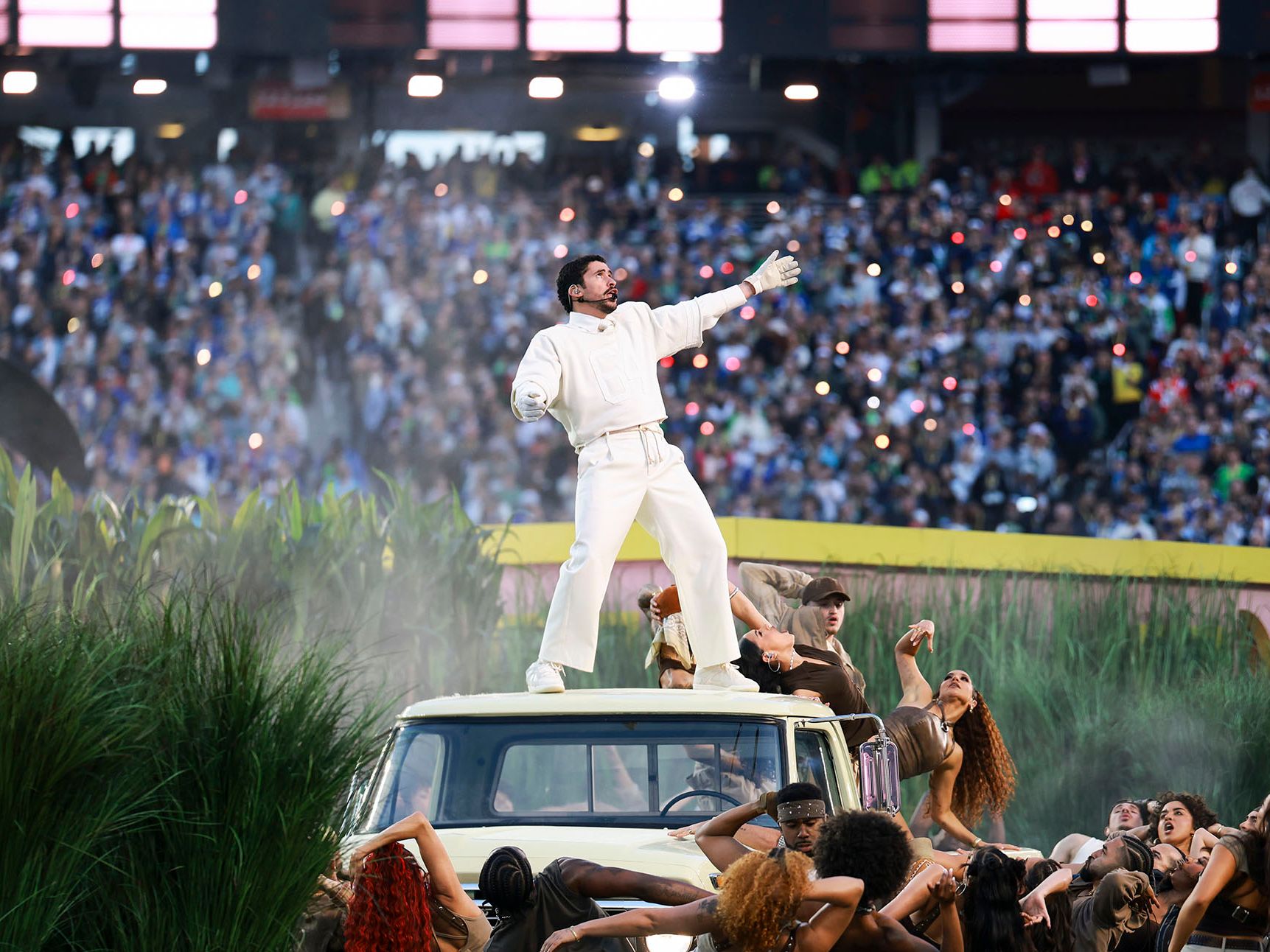
The Super Bowl is one of the most-watched television events globally, attracting a diverse audience that includes families and viewers of all ages. The halftime show is expected to entertain without crossing lines that could alienate or offend large segments of the audience. Bad Bunny’s explicit lyrics, once translated, challenged these expectations and led to widespread disappointment among fans who felt blindsided by the content.
Critics argue that the NFL should have anticipated the potential backlash by reviewing the lyrics beforehand or selecting an artist whose content aligns more closely with the event’s broad appeal. Supporters of Bad Bunny, however, defend his artistic freedom and argue that the backlash stems from cultural misunderstandings or conservative biases against Latin music and its themes.
The controversy also highlights the challenges of presenting non-English music to a predominantly English-speaking audience. While Bad Bunny’s performance was praised for its energy and cultural representation, the explicit nature of his lyrics, once understood, overshadowed the positive aspects for many viewers.
What This Means for Future NFL Halftime Shows

The uproar over Bad Bunny’s translated lyrics may influence how the NFL approaches future halftime show bookings. The league faces a delicate balance between showcasing diverse, global talent and ensuring content remains appropriate for a wide audience. This incident could lead to more stringent content reviews or a shift toward artists with less controversial material.
Moreover, the episode underscores the importance of cultural sensitivity and transparency. As the NFL continues to expand its global reach, understanding the nuances of different languages and cultures will be crucial in curating performances that resonate positively with all viewers.
Conclusion

Bad Bunny’s Super Bowl halftime performance has sparked a significant debate about explicit content and cultural expression on one of the world’s biggest stages. While fans enjoyed the energy and representation, the translated lyrics left many “sickened” and questioning the NFL’s decision. As the conversation continues, it’s clear that future halftime shows will need to carefully consider the balance between artistic freedom and audience appropriateness.
If you want to stay updated on the latest Super Bowl news and entertainment controversies, be sure to subscribe to our newsletter and follow us for more in-depth coverage!


Leave a Reply