Kurt Cobain’s Death Was ‘Homicide’: Shocking New Forensic Investigation Questions Suicide Ruling
New Forensic Evidence Suggests Kurt Cobain’s Death Was Homicide

Kurt Cobain’s death in 1994 has been a subject of intense speculation and debate for nearly three decades. Officially ruled a suicide by the King County Medical Examiner, the Nirvana frontman’s passing was attributed to a self-inflicted shotgun wound. However, a recent forensic investigation conducted by an independent team of experts is now challenging this conclusion, suggesting that Cobain’s death was, in fact, a homicide.
This fresh inquiry was led by Brian Burnett, a forensic specialist with extensive experience in cases involving drug overdoses followed by gunshot trauma. Burnett, alongside independent researcher Michelle Wilkins and a private sector forensic team, meticulously re-examined Cobain’s autopsy reports, crime scene photos, and toxicology data. Their findings, published in a peer-reviewed paper, propose a radically different scenario from the official narrative.
Details of the Forensic Re-examination

The forensic team’s investigation began with a thorough review of the original autopsy findings. One of the most striking revelations was the presence of organ damage inconsistent with a rapid death caused by a shotgun blast. Specifically, the necrosis observed in Cobain’s brain and liver suggested prolonged oxygen deprivation, a condition typically associated with heroin overdose rather than instantaneous gunshot trauma.
According to Wilkins, this evidence indicates that Cobain may have been incapacitated by a forced heroin overdose before being shot. The team identified ten critical points of evidence supporting the homicide theory, including the suspicious placement of the shotgun in Cobain’s arms and the authenticity of the suicide note, which they believe was forged.
Burnett’s expertise in cases involving combined overdose and gunshot injuries was pivotal in interpreting these findings. After just three days of reviewing the case materials, he reportedly declared, “This is a homicide. We’ve got to do something about this.” This statement underscores the gravity of the new evidence and the urgent need to reconsider the circumstances surrounding Cobain’s death.
Implications of the New Findings

If the forensic team’s conclusions are validated, the implications for Cobain’s legacy and the investigation into his death are profound. The possibility that Cobain was murdered rather than having taken his own life would not only alter public perception but also raise questions about the original investigation’s thoroughness and potential oversights.
The new evidence calls for a re-examination of the crime scene and a review of all related forensic data by official authorities. It also highlights the importance of independent forensic reviews in high-profile cases where initial findings may have been incomplete or biased.
Moreover, this revelation could provide closure to fans and loved ones who have long questioned the circumstances of Cobain’s death. It opens the door to renewed investigations that might uncover new leads or witnesses, ultimately seeking justice for the late musician.
Conclusion
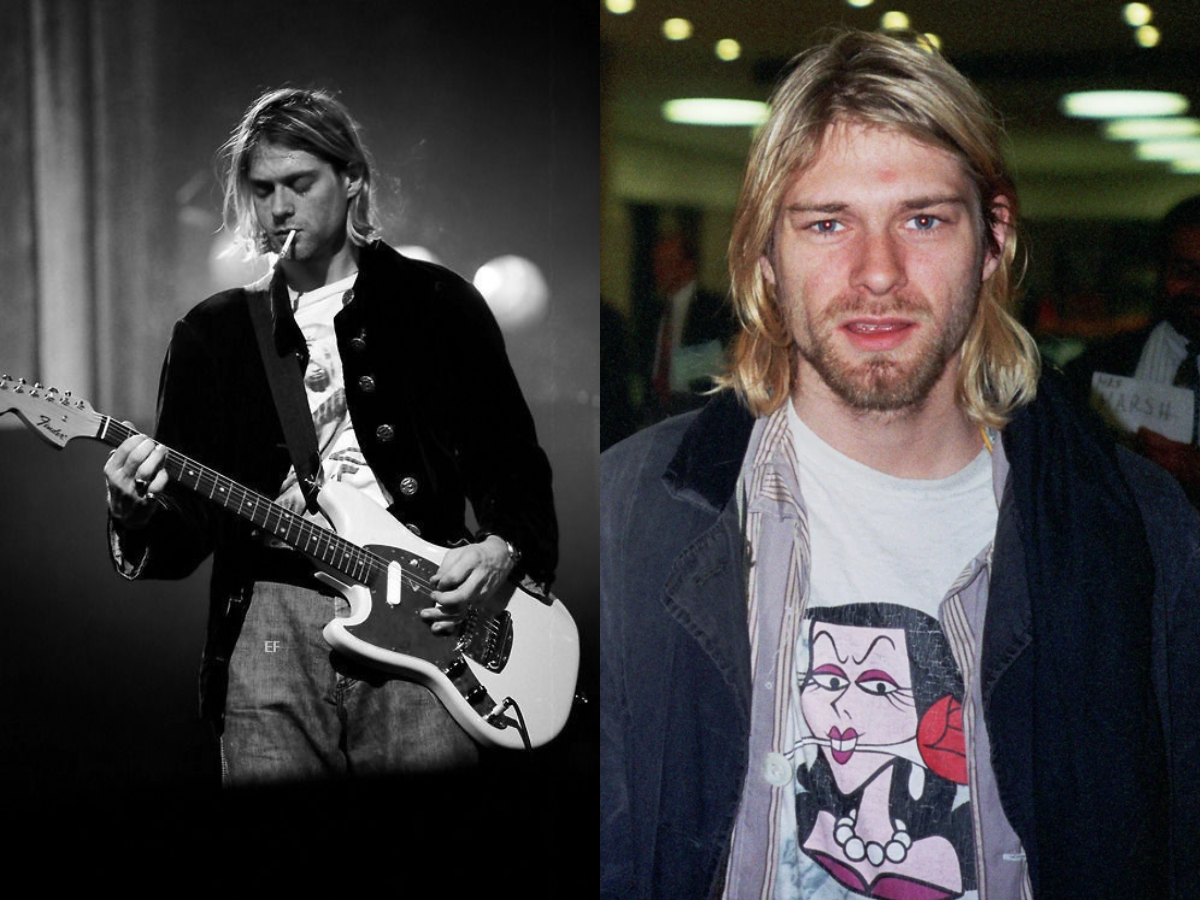
The shocking new forensic investigation into Kurt Cobain’s death challenges the decades-old suicide ruling, presenting compelling evidence that points to homicide. With expert analysis revealing inconsistencies in the autopsy and crime scene, this groundbreaking research demands a fresh look at one of music’s most tragic mysteries. If you’re intrigued by true crime and forensic science, stay informed and support efforts to uncover the truth behind Kurt Cobain’s untimely death. Don’t miss out on updates—subscribe to our newsletter for the latest developments in this evolving story.

Leave a Reply