
EXCLUSIVE: King Charles Urged to Give Speech to the World as Monarchy Faces ‘Total Collapse’ Under Weight of Andrew Windsor’s Epstein Mess
King Charles Faces Growing Calls to Address the Epstein Scandal

King Charles III is currently under intense scrutiny as calls for him to deliver a public speech grow louder. The catalyst for this pressure is the ongoing investigation into his younger brother, Andrew Mountbatten-Windsor, who was recently arrested on suspicion of misconduct in public office. The allegations center on Andrew’s alleged sharing of sensitive information with convicted sex offender Jeffrey Epstein during his tenure as the UK’s trade envoy from 2001 to 2011.
Despite the gravity of the situation, King Charles has so far limited his response to a written statement, emphasizing that “the law must take its course” and pledging full cooperation with the authorities. However, constitutional experts and royal historians warn that this formal approach may no longer suffice given the current public mood, which is increasingly volatile and impatient for direct engagement from the monarchy.
The Historical Context: Lessons from 1997

The current crisis draws uncomfortable parallels to the events following Princess Diana’s tragic death in 1997. At that time, Queen Elizabeth II initially refrained from addressing the nation directly, opting instead to maintain privacy and protocol. This silence was widely misinterpreted by the public as coldness or indifference, leading to a surge of resentment and criticism.
It was only after the Queen’s heartfelt televised address that the national mood began to stabilize. She spoke not just as a monarch but as a grandmother, paying tribute to Diana’s warmth and kindness. This moment of emotional connection helped restore public faith in the Crown during a period of intense grief and uncertainty.
Royal observers now suggest that King Charles faces a similar defining moment. A live broadcast or public speech could demonstrate his recognition of the seriousness of the allegations against Andrew and the anxiety they are causing among the British people and the wider world.
The Risks of Silence and the Need for Leadership

While King Charles is legally constrained from interfering with an ongoing investigation, experts argue that a timely public address would not compromise due process. Instead, it would serve as a powerful symbol of leadership and transparency. The longer the King remains silent, the more space there is for speculation, doubt, and erosion of trust in the monarchy.
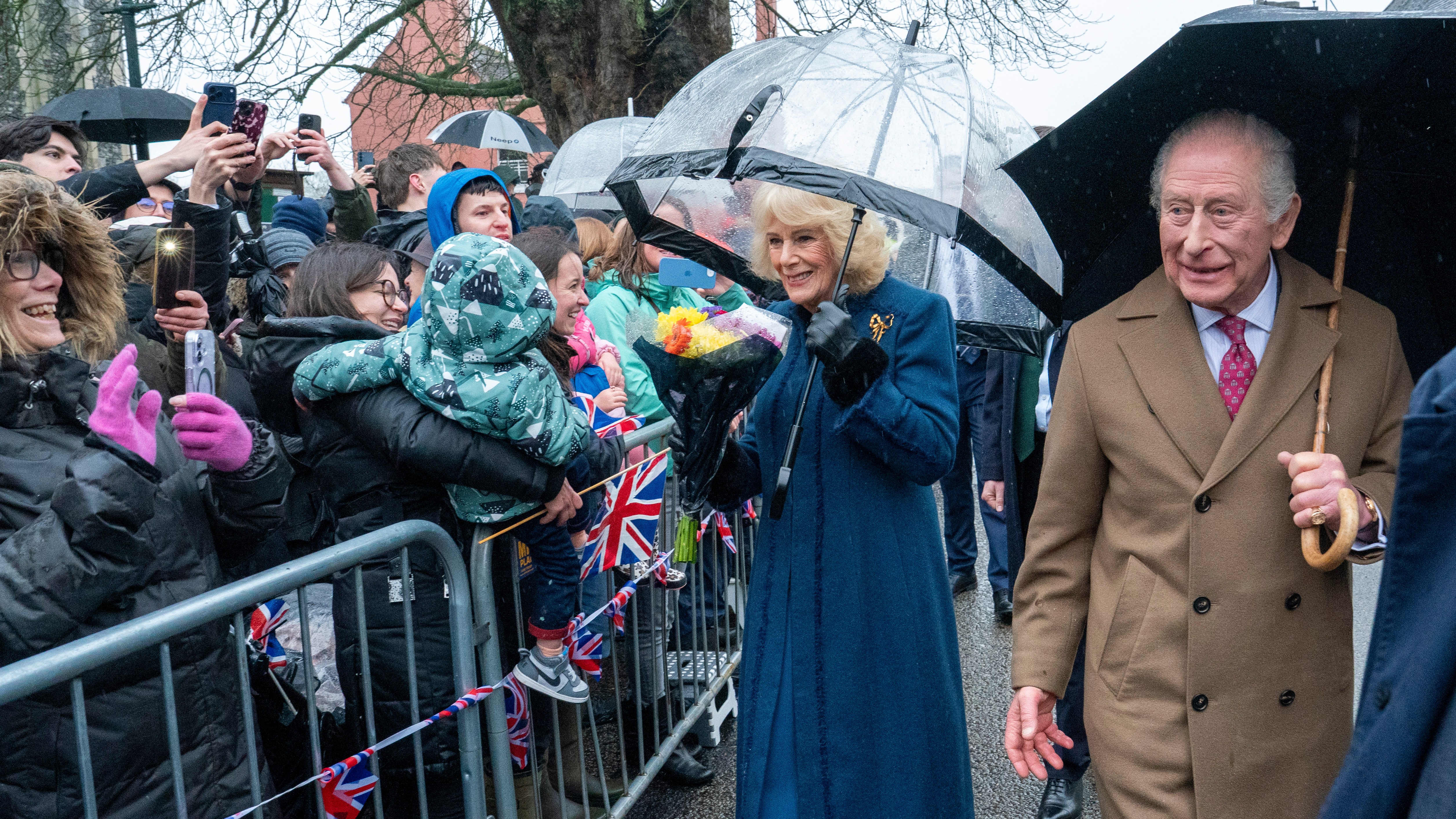
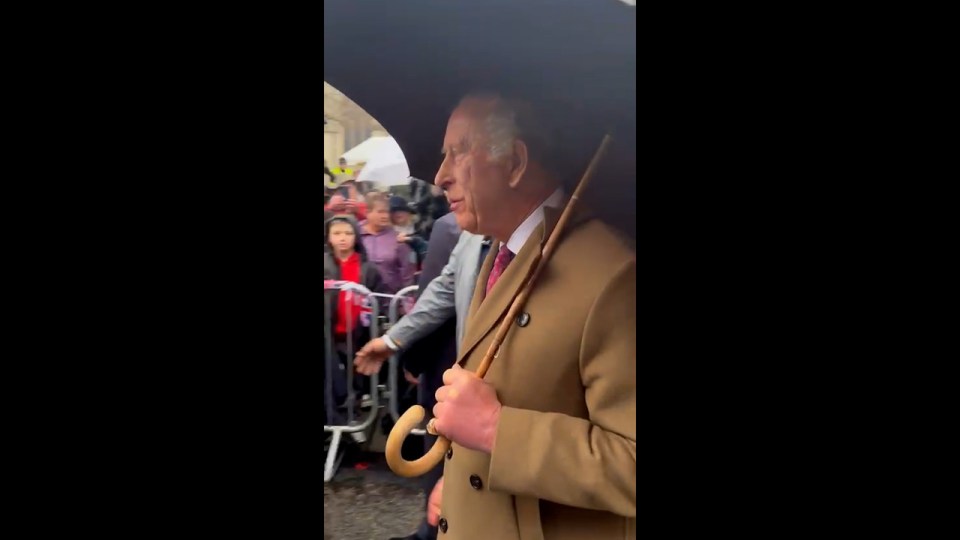
This crisis comes at a challenging time for King Charles, who is currently undergoing treatment for an undisclosed form of cancer. Despite his health concerns, he continues to fulfill public duties, though he has faced public heckling in recent days, highlighting the growing unrest among some segments of the population.
Constitutional experts emphasize that the monarchy’s strength depends not only on legal propriety but also on public trust. In moments of acute controversy, the emotional intelligence of the sovereign is as crucial as constitutional discipline. The expectation for King Charles to speak directly to the nation is intensifying, with many seeing it as a necessary step to prevent a potential collapse of the monarchy’s standing.
Why King Charles’ Speech Could Prevent a Monarchy Collapse

The monarchy is an institution built on tradition, respect, and the trust of the people. When that trust is shaken by scandal, the response of its leader can either reinforce or undermine its legitimacy. King Charles’ decision to address the public could serve multiple vital functions:
1. **Reassurance:** A direct speech would reassure the public that the Crown takes the allegations seriously and is committed to transparency and justice.
2. **Leadership:** It would demonstrate that King Charles is willing to lead in times of crisis, showing empathy and understanding of public concerns.
3. **Stability:** By engaging openly, the King could help stabilize the national mood, preventing the kind of backlash that followed Diana’s death.
4. **Modernization:** The speech could reinforce King Charles’ vision of a modernized monarchy that is responsive and accountable to the people.
Without such engagement, the monarchy risks further alienation from the public, potentially leading to a “total collapse” of confidence in the institution, as some experts warn.
The Path Forward for the Monarchy

As the investigation into Andrew Windsor continues, the spotlight remains firmly on King Charles. The coming days and weeks will be critical in determining how the monarchy navigates this unprecedented crisis. Constitutional experts, royal watchers, and the public alike are watching closely to see whether the King will follow the example set by his mother in 1997 and speak directly to the nation.
The decision is not without risks, but the potential benefits of a timely, heartfelt address could be decisive in preserving the monarchy’s future. In an era where public figures are expected to demonstrate transparency and accountability, King Charles’ response will be a defining moment of his reign.
Conclusion
King Charles stands at a crossroads as the monarchy faces one of its most severe tests in recent history. The escalating scandal involving Andrew Windsor and Jeffrey Epstein has shaken public trust, and the King’s response will be pivotal in shaping the future of the Crown. A public speech could serve as a powerful tool to restore confidence, demonstrate leadership, and prevent the monarchy’s “total collapse.”
If you want to stay updated on this developing story and learn more about the British monarchy’s challenges and transformations, subscribe to our newsletter and join the conversation today!



Leave a Reply