Kaye Adams’ Axe from £155,000-a-Year BBC Radio Show Sparks Claims of Ageism and Sexism
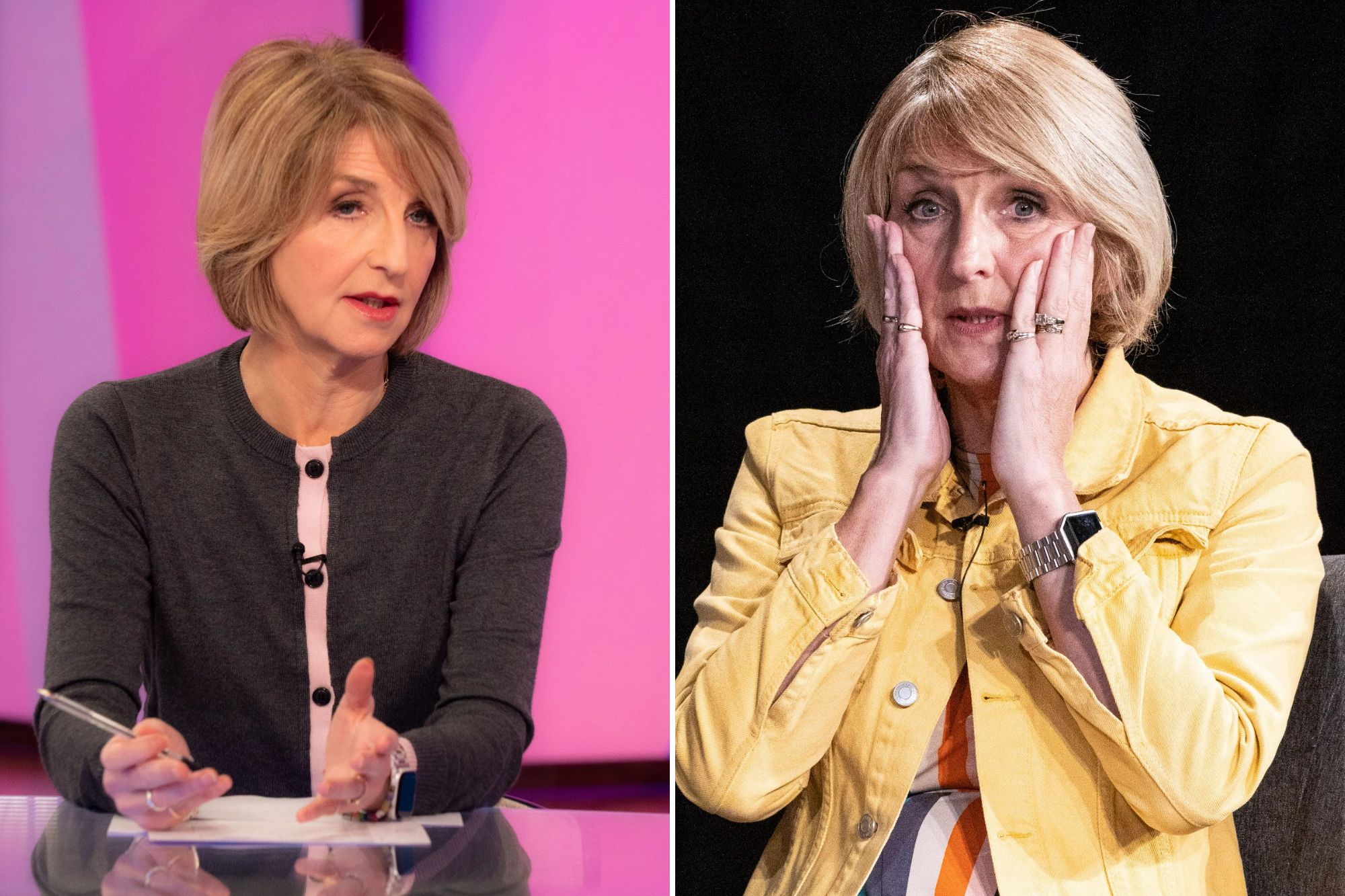
Kaye Adams, a well-known broadcaster, has recently been removed from her BBC radio show, which reportedly paid her £155,000 annually. This decision came after a disciplinary investigation upheld three complaints of misconduct against her. However, the dismissal has ignited a heated debate, with close associates of Adams labeling the move as an unfair “ageist and sexist stitch-up.” This article delves into the circumstances surrounding Kaye Adams’ departure, the nature of the complaints, and the broader implications of this controversy within the broadcasting industry.
Details of the Misconduct Complaints and BBC Investigation

The BBC launched a disciplinary probe into Kaye Adams following allegations of inappropriate behaviour during her tenure on the radio show. The investigation found that Adams had engaged in misconduct, including swearing at a colleague, throwing a pen at another team member, and questioning an intern’s professional capabilities in a manner deemed unacceptable. While two other complaints of bullying were investigated, they were ultimately not upheld.
Adams was initially suspended in October of the previous year while the BBC conducted its inquiry. After the investigation concluded, the broadcaster decided to part ways with the presenter. This decision marked the end of Adams’ long-standing relationship with the BBC, where she had been a prominent figure for over 15 years.
Reactions from Friends and Industry Insiders

Following the announcement of her departure, several individuals close to Kaye Adams have come forward to defend her character and professional conduct. A source familiar with the presenter described the BBC’s decision as an “ageist and sexist stitch-up,” suggesting that the disciplinary action was unjust and motivated by factors beyond the alleged misconduct.
The insider highlighted Adams’ impressive track record, noting that she had worked at the BBC for 15 years without any prior issues and had maintained a successful career at ITV since 1999. They questioned the sudden change in behaviour attributed to Adams, implying that it was unlikely she would have developed such conduct problems overnight.
Moreover, the source emphasized that Adams was leaving her role “with her head held high and conscience clear,” underscoring her confidence in her professionalism despite the controversy. They also pointed out that her radio show consistently achieved high ratings, often outperforming other BBC Scotland programs, which made the decision to remove her even more perplexing.
The Broader Context: Ageism and Sexism in Broadcasting

The claims of ageism and sexism raised by Adams’ supporters resonate with ongoing discussions about discrimination in the media industry. Female broadcasters, especially those over a certain age, often face challenges that their male counterparts do not, including unfair scrutiny and career limitations.
Adams’ case has reignited conversations about how broadcasters handle complaints and whether disciplinary actions are always fair and unbiased. Critics argue that the industry sometimes uses misconduct allegations as a pretext to push out older female talent, reflecting systemic issues of ageism and sexism.
This controversy also highlights the importance of transparent and balanced investigations into workplace behaviour, ensuring that all parties are treated fairly and that decisions are based on evidence rather than prejudice.
What This Means for Kaye Adams and the Future of BBC Programming

Kaye Adams’ exit from the BBC leaves a significant gap in the broadcaster’s lineup, particularly given her show’s strong audience figures. The decision to remove a high-profile presenter amid such contentious circumstances may have repercussions for the BBC’s reputation and its relationship with both talent and listeners.
For Adams, this moment represents a challenging turning point in her career. However, the support from friends and colleagues suggests that she may continue to find opportunities within the media landscape. Her experience and popularity could pave the way for new ventures, whether in radio, television, or digital platforms.
For the BBC, this incident serves as a reminder of the need to balance maintaining professional standards with fostering an inclusive and respectful workplace. How the broadcaster manages similar situations in the future will be closely watched by industry observers and audiences alike.
Conclusion

Kaye Adams’ removal from her £155,000-a-year BBC radio show has sparked significant controversy, with allegations of ageism and sexism fueling debates about fairness and discrimination in broadcasting. While the BBC upheld three misconduct complaints against her, many believe the decision was unjust and motivated by bias. As Adams moves forward, her supporters remain steadfast in defending her reputation and career.
If you want to stay updated on this developing story and other media industry news, be sure to subscribe to our newsletter and follow our coverage for the latest insights and expert analysis.


Leave a Reply