
Molly-Mae Hague and Tommy Fury Are ‘On the Fence’ About Sending Daughter Bambi to School
Molly-Mae Hague and Tommy Fury, proud parents to their three-year-old daughter Bambi, have recently opened up about their uncertainty regarding her schooling. The couple is carefully weighing the decision of whether to send Bambi to a traditional school or opt for homeschooling, as they want to ensure their daughter retains her individuality and spark. This parenting dilemma highlights a growing concern among modern families about how formal education impacts young children’s personalities and development.
Why Molly-Mae and Tommy Are Hesitant About Sending Bambi to School

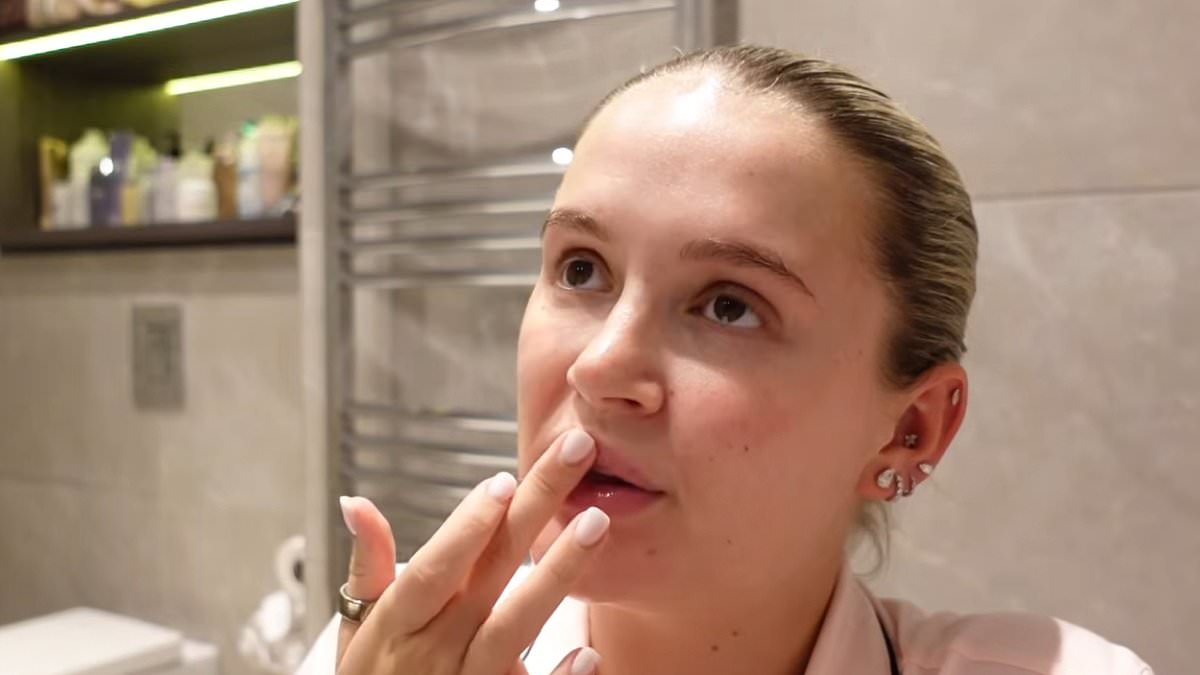
In a candid conversation shared on her latest vlog, Molly-Mae Hague expressed the couple’s mixed feelings about the prospect of enrolling Bambi in school. While they want the best for their daughter, the idea of placing her in a system for five days a week feels daunting. Molly-Mae explained that both she and Tommy are protective parents who have established a strict yet comfortable environment for Bambi at home. They worry that the traditional school environment might cause her to “lose herself” or dim the unique qualities that make her special.
The couple is particularly interested in the possibility of Bambi attending a Catholic school, believing that the values and structure might suit her well if she thrives there. However, they have not dismissed homeschooling as an alternative. Molly-Mae admitted that homeschooling could allow them to nurture Bambi’s individuality more closely and tailor her learning experience to her needs.
This hesitation reflects a broader conversation among parents about the balance between formal education and preserving a child’s creativity and personality. Molly-Mae’s openness about their parenting challenges resonates with many who feel conflicted about the best educational path for their children.
The Challenges and Benefits of Early Childhood Education Choices

Choosing the right educational path for a young child like Bambi involves weighing several factors. Traditional schooling offers socialization opportunities, structured learning, and exposure to a variety of subjects and activities. However, it can also impose rigid schedules and standardized teaching methods that may not suit every child’s temperament or learning style.
On the other hand, homeschooling provides flexibility and personalized attention, allowing parents to design a curriculum that aligns with their values and their child’s interests. It can foster creativity and independence but requires significant time, effort, and resources from the parents.
Molly-Mae and Tommy’s situation highlights the emotional aspect of this decision. The fear of “losing” their daughter’s essence in a conventional school system is a powerful concern that many parents share. Their protective instincts and desire to maintain a nurturing environment are understandable, especially when considering the formative years of early childhood.
Ultimately, the choice between school and homeschooling depends on the child’s needs, the family’s lifestyle, and the educational options available. For Molly-Mae and Tommy, this decision is still evolving as they explore what will best support Bambi’s growth and happiness.
Conclusion: Supporting Your Child’s Unique Journey

Molly-Mae Hague and Tommy Fury’s honest discussion about their uncertainty in sending Bambi to school sheds light on the complex decisions parents face regarding early education. Whether choosing a traditional school, a faith-based institution, or homeschooling, the priority remains supporting the child’s individuality and well-being.
If you’re a parent navigating similar choices, take time to assess what environment will nurture your child’s personality and learning style. Remember, there is no one-size-fits-all answer—what matters most is that your child feels loved, supported, and encouraged to be themselves.
Are you considering homeschooling or alternative schooling options for your child? Explore resources and connect with other parents to find the best fit for your family’s unique needs.


Leave a Reply