
Kristi Noem Asked — With Her Husband Sitting Right Behind Her — If She’s Had ‘Sexual Relations With Corey Lewandowski’
In a surprising and uncomfortable moment during a House Judiciary Committee hearing, South Dakota Governor and former Department of Homeland Security (DHS) Secretary Kristi Noem was asked a highly personal question regarding her alleged relationship with Corey Lewandowski. The question was posed by Representative Sydney Kamlager-Dove (D-CA) while Noem’s husband was seated directly behind her. This incident has sparked widespread discussion about professionalism, political decorum, and the implications of personal relationships on public service.

The Controversial Question: Sexual Relations With Corey Lewandowski
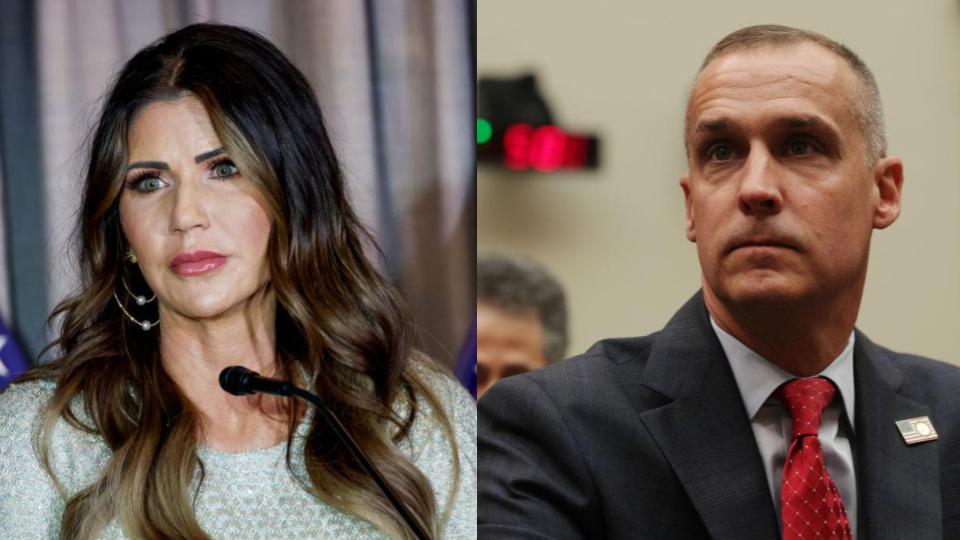
The hearing, which primarily focused on President Donald Trump’s immigration policies, took an unexpected turn when Rep. Kamlager-Dove asked Noem if she had ever engaged in sexual relations with Corey Lewandowski, a former Trump campaign manager and White House special government employee. The question was startling, not only because of its personal nature but also because it was asked in a formal setting with Noem’s husband sitting just behind her.
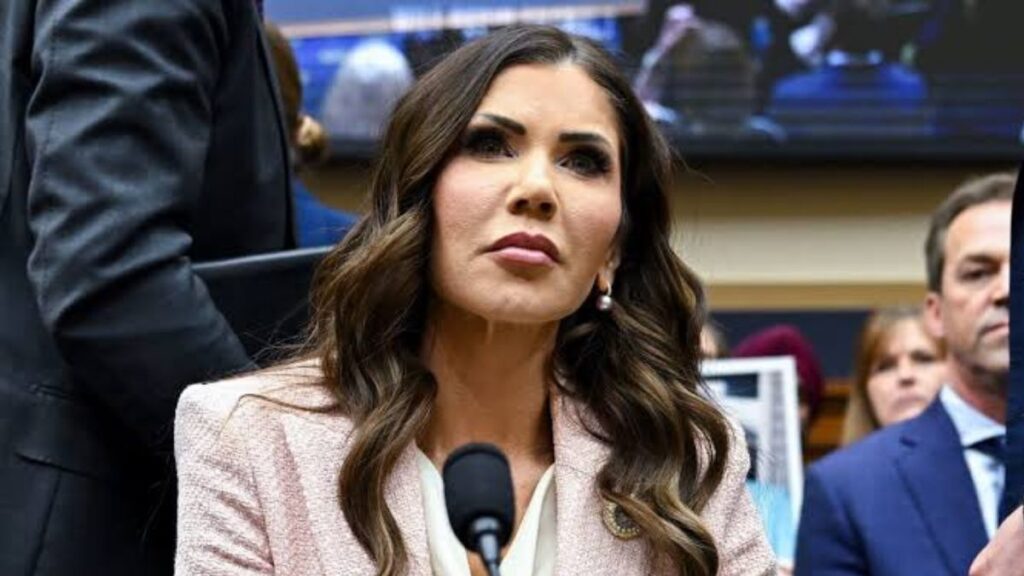
Noem’s reaction was immediate and pointed. She expressed shock and disapproval, labeling the question as “tabloid garbage.” She addressed the committee chair, Rep. Jim Jordan (R-OH), emphasizing that such inquiries were inappropriate for the committee’s agenda. Noem also clarified Lewandowski’s role as a special government employee, highlighting the professional context rather than personal rumors.

Context and Background: Why Was This Question Raised?

The inquiry into Noem’s alleged relationship with Lewandowski did not arise in a vacuum. It followed a Wall Street Journal report that suggested a “close relationship” between the two, which reportedly made President Trump and his advisors uneasy. The report fueled speculation about potential conflicts of interest and the impact such a relationship could have on Noem’s decision-making and leadership at DHS.

Rep. Kamlager-Dove defended the question by framing it within the broader concerns of judgment, conflict of interest, and national security. She argued that the personal relationship, if true, could influence Noem’s professional responsibilities, especially given the vast number of employees under her leadership and the sensitive nature of DHS operations.

Despite the pressure, Noem declined to answer the question directly. Instead, she maintained her stance that the line of questioning was inappropriate and irrelevant to the committee’s work. The exchange quickly became tense, with both women speaking over each other as they debated the propriety and necessity of the inquiry.

The Role of Noem’s Husband and Public Perception
Adding to the awkwardness of the moment was the presence of Noem’s husband, Bryon Noem, who sat behind her during the hearing. His visible proximity underscored the personal nature of the question and intensified public interest in the incident. Observers noted the discomfort this likely caused and questioned the ethics of raising such a private matter in a public forum.

The incident has since been widely discussed in media outlets and political circles, with opinions divided on whether the question was a legitimate line of inquiry or an inappropriate attack on Noem’s character. Some argue that transparency about personal relationships is crucial for public officials, especially when those relationships might affect governance. Others see the question as a breach of decorum and an example of sensationalism overshadowing substantive policy discussions.

Implications for Political Discourse and Governance

This episode involving Kristi Noem and Corey Lewandowski raises important questions about the boundaries of political questioning and the impact of personal matters on public service. It highlights the delicate balance elected officials and government employees must maintain between their private lives and public responsibilities.
Moreover, the incident underscores the challenges faced by women in politics, who often encounter scrutiny that blends personal and professional spheres in ways their male counterparts might not. The public nature of the question, especially with Noem’s husband present, has sparked conversations about respect, gender dynamics, and the role of media in shaping political narratives.
From a governance perspective, concerns about conflict of interest and national security are valid and warrant careful consideration. However, the manner in which such concerns are addressed can significantly influence public trust and the effectiveness of political institutions.

Lessons Learned and Moving Forward

The exchange between Kristi Noem and Rep. Kamlager-Dove serves as a reminder of the importance of maintaining professionalism and respect in political discourse. While accountability and transparency are essential, questions must be posed thoughtfully and relevantly to avoid undermining the integrity of public institutions.
For public officials, this incident highlights the need to prepare for unexpected and challenging questions, especially in high-stakes environments. It also emphasizes the importance of clear communication and setting boundaries to protect both personal dignity and public trust.

Conclusion
The moment when Kristi Noem was asked about her alleged sexual relations with Corey Lewandowski, with her husband sitting right behind her, remains a striking example of the complexities at the intersection of personal life and public service. While the question sparked controversy and debate, it also opened up broader discussions about political decorum, gender dynamics, and the responsibilities of elected officials.
As political discourse continues to evolve, it is crucial for both lawmakers and the media to focus on substantive issues while respecting personal boundaries. For those interested in the latest developments in political accountability and governance, staying informed and engaged is key.
Stay updated with our latest articles and analyses by subscribing to our newsletter today!
Leave a Reply