Live Nation Settles with DOJ, Will Sell Concert Venues, Cap Fees
Live Nation Settlement: What It Means for the Live Entertainment Industry
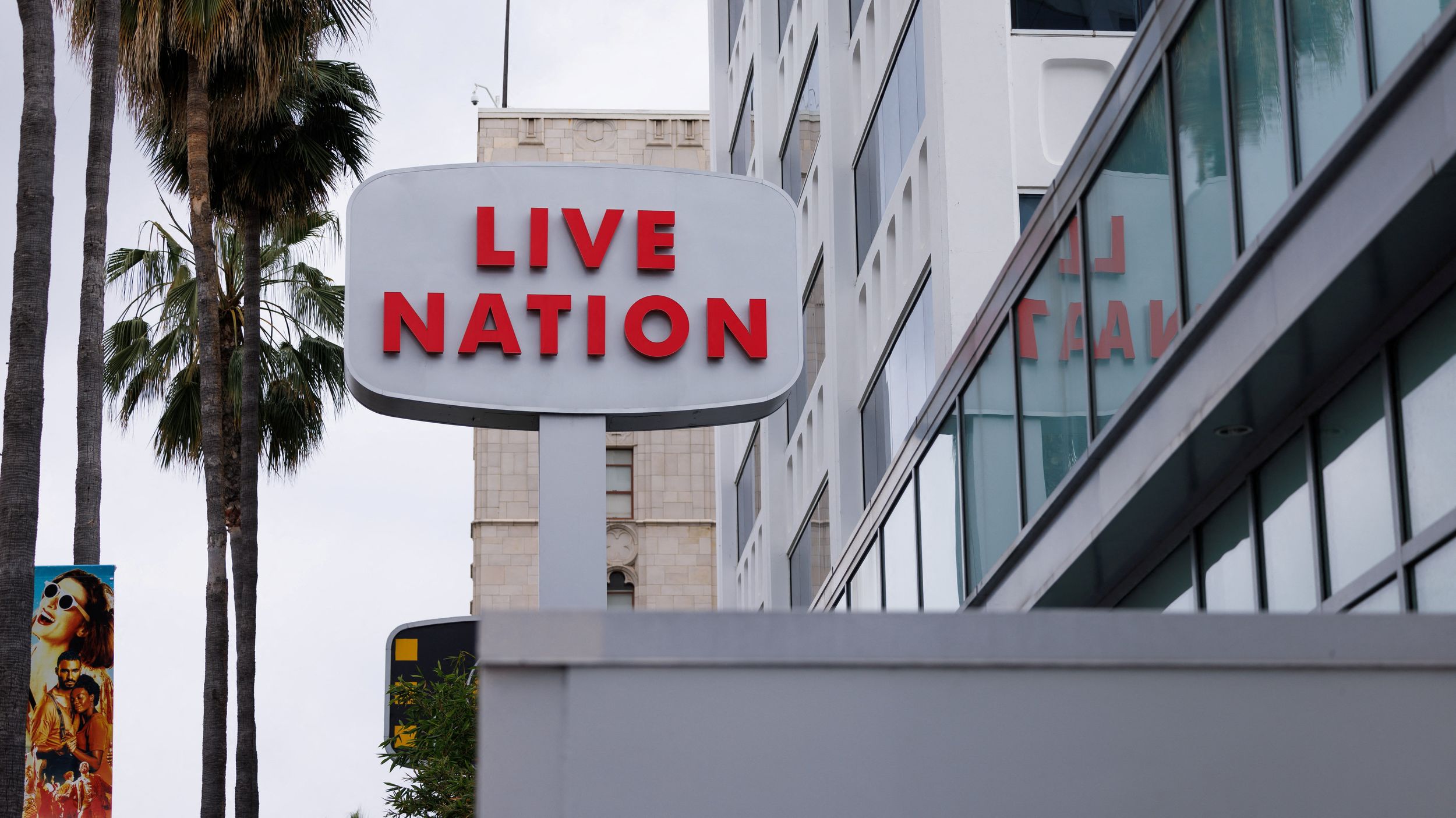
Live Nation Entertainment, a dominant force in the live music and event industry, has agreed to a significant settlement with the U.S. Department of Justice (DOJ) following accusations of monopolistic practices. The settlement requires Live Nation to divest up to 13 of its amphitheaters across the country and implement a 15% cap on service fees charged to concertgoers. This agreement marks a pivotal moment in the ongoing effort to foster competition and fairness in the live event market.
Live Nation’s subsidiary, Ticketmaster, will also be compelled to share its ticketing technology with other platforms, such as StubHub, enabling broader access for consumers and competitors alike. Additionally, the settlement prohibits Live Nation from retaliating against venues that choose alternative primary ticket sellers, a move designed to dismantle exclusive control and encourage a more open marketplace.
Background: The DOJ Lawsuit and Live Nation’s Market Dominance

The DOJ’s lawsuit against Live Nation stemmed from concerns that the company wielded an illegal monopoly over live entertainment ticket sales and venue management. With control over approximately 70% to 80% of major concert ticket sales and ownership stakes in numerous venues and concert promotions, Live Nation’s influence has been vast.
The lawsuit was initiated by 40 states, alleging that Live Nation’s dominance led to inflated ticket prices and limited consumer choice. The case gained national attention, highlighting issues such as excessive service fees and restricted competition in ticket sales. The DOJ’s intervention aimed to break up this monopoly and restore balance to the industry.
Key Terms of the Settlement

The settlement agreement includes several critical provisions designed to curb Live Nation’s market power and benefit consumers:
– **Venue Divestitures:** Live Nation will sell up to 13 amphitheaters nationwide, reducing its control over concert venues and opening opportunities for other promoters.
– **Fee Cap:** A 15% cap on service fees will be enforced, aiming to lower the overall cost of tickets for fans.
– **Technology Sharing:** Ticketmaster must license its ticketing technology to competitors, fostering innovation and competition.
– **Non-Retaliation Clause:** Live Nation cannot penalize venues that select ticketing companies other than Ticketmaster as their primary seller.
– **Event Exclusivity Limits:** No more than 50% of events at certain venues can be exclusive to Live Nation, ensuring that other promoters have access to these spaces.
While the settlement includes a civil fine, the exact amount remains uncertain and may reach up to $280 million depending on the number of states that join the agreement.
Implications for Concertgoers and the Live Event Market

For music fans and live event attendees, the settlement promises several positive changes. By reducing service fees and increasing competition among ticket sellers, consumers can expect more affordable ticket prices and greater transparency. The requirement for Ticketmaster to share its technology with other platforms could lead to improved ticketing options and less frustration during the buying process.
Moreover, the divestiture of venues and limits on exclusive event deals will encourage a more diverse range of promoters and events, potentially expanding the variety of live entertainment available to audiences.
However, some critics argue that the settlement does not go far enough. Industry watchdogs and consumer advocates have expressed concerns that Live Nation’s entrenched market position may still allow it to exert undue influence, and they call for continued vigilance and legal action to ensure fair competition.
Ongoing Legal Challenges and Industry Reactions

Not all states have agreed to the settlement. For example, New York’s Attorney General has publicly rejected the deal and pledged to continue litigation against Live Nation. This ongoing legal scrutiny reflects the complexity of dismantling monopolistic practices in a highly consolidated industry.
Industry experts and consumer advocates have voiced mixed reactions. While some welcome the settlement as a step forward, others view it as insufficient. Brian Berry, executive director of the Ticket Policy Forum, criticized the agreement as a “token tap on the wrist” that fails to adequately protect consumers or promote meaningful competition.
Despite these criticisms, the settlement represents a landmark effort to regulate the live entertainment market and address longstanding consumer grievances.
Conclusion: What’s Next for Live Entertainment Fans?

The Live Nation settlement with the DOJ marks a significant milestone in the fight against monopolistic control in the live entertainment industry. By mandating venue sales, capping service fees, and fostering competition through technology sharing, the agreement aims to create a fairer, more accessible market for concertgoers nationwide.
If you’re passionate about live music and want to stay informed about how these changes impact ticket prices and event availability, now is the time to engage. Follow industry news, support consumer advocacy efforts, and explore alternative ticketing platforms to ensure your voice is heard.
Stay tuned for updates on this evolving story and take advantage of new opportunities to enjoy live entertainment without the burden of excessive fees. Your next concert experience could be more affordable and enjoyable than ever before!


Leave a Reply