
Cadaver Dogs Being Pulled Off Nancy Guthrie Case Hints Sheriff Has ‘Given Up Searching’ for Savannah’s Missing Mom, Ex-Cop Claims
Why Pulling Cadaver Dogs from Nancy Guthrie’s Search Raises Serious Concerns

The recent decision to withdraw cadaver dogs from the search for Nancy Guthrie, Savannah Guthrie’s missing mother, has left many puzzled and concerned. Michael Gould, a retired K-9 officer with extensive experience in human remains detection, expressed his bewilderment over the move. According to Gould, cadaver dogs are among the most effective tools law enforcement has to detect the scent of missing persons, especially in cases where foul play is suspected.
Cadaver dogs, also known as human remains detection dogs, are trained to identify the scent of decomposing human tissue. Their use is widely accepted in forensic investigations and even recognized as a scientific instrument in court proceedings. The dogs previously deployed in Nancy Guthrie’s case were borrowed from a nearby Border Patrol unit, highlighting the seriousness of the search efforts.
However, earlier this month, authorities announced that these dogs would no longer be part of the investigation. Gould suggests there are only two plausible reasons for this decision: either Nancy Guthrie is still alive, or the sheriff’s department has effectively given up the search. “It defies logic,” Gould said, emphasizing that without clear communication from Sheriff Chris Nanos, the public and investigators are left to speculate.
The Timeline and Current Status of Nancy Guthrie’s Disappearance

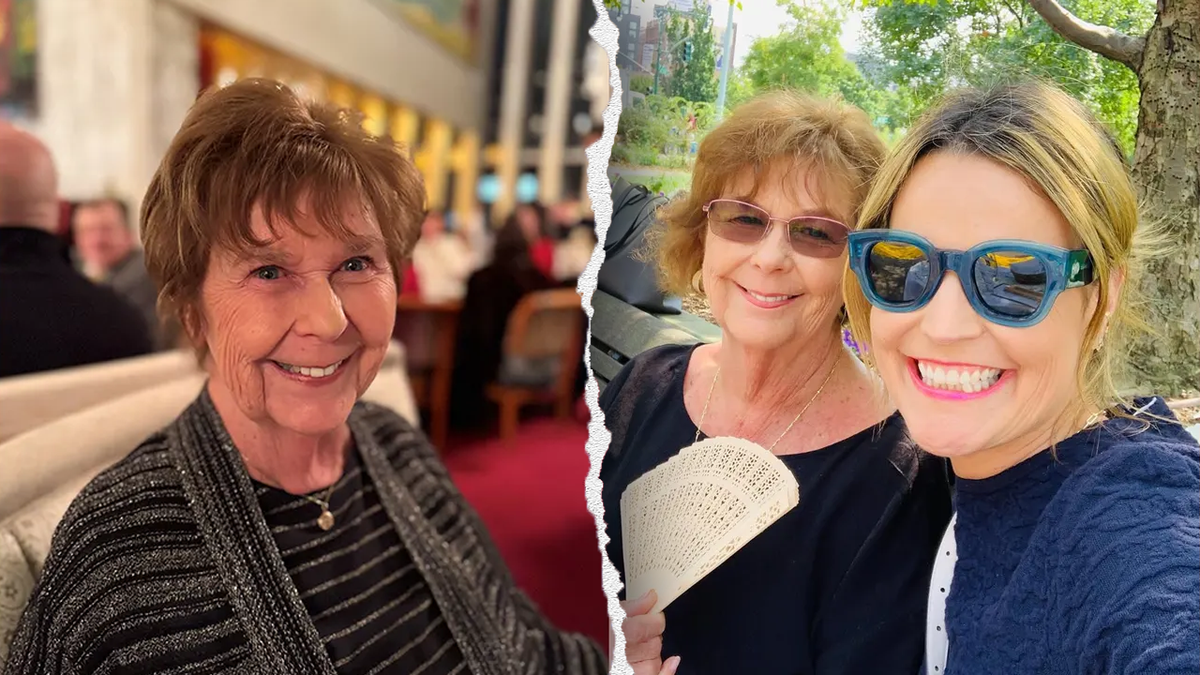
Nancy Guthrie, aged 84, was last seen on January 31 after spending the evening with her daughter Annie Guthrie and son-in-law Tommaso Cioni. After dinner, Cioni dropped her off at her home in Catalina Foothills just before 10 p.m. The following day, Nancy was reported missing when family and friends could not reach her.
The circumstances surrounding her disappearance are troubling. Nancy’s keys, cell phone, and wallet were all found inside her residence, suggesting she did not leave voluntarily. More alarmingly, blood spatters were discovered on her porch and driveway, indicating a possible struggle or abduction.
In the days following her disappearance, law enforcement released footage from Nancy’s doorbell camera showing a masked man wearing black gloves, a backpack, and what appeared to be a holster with a weapon. Despite thousands of tips and leads over the past several weeks, the suspect remains unidentified, and Nancy is still missing.
Criticism of the Investigation and Handling of Evidence

Sheriff Chris Nanos has faced significant criticism for his handling of the Nancy Guthrie case. Lisa Ribacoff-Mooney, a polygraph expert and owner of Interpoint Investigative Services, told RadarOnline.com that the investigation has been riddled with mistakes that could serve as examples of what not to do in police work.
One major concern is the failure to secure the crime scene for an extended period. Allowing family members back into Nancy’s home prematurely may have contaminated critical evidence, potentially jeopardizing both the investigation and any future prosecution.
Additionally, Ribacoff-Mooney questioned the delay in obtaining footage from Nancy’s Nest camera. Given that such devices often overwrite data quickly, immediate retrieval is essential to preserve potential evidence. The delay could have resulted in lost or compromised footage.
She also suggested that investigators should be reviewing pharmaceutical records to identify anyone who recently received prescriptions matching Nancy’s medications. This approach could provide valuable leads, especially if foul play involved drug-related motives or impersonation.
What Does Pulling Cadaver Dogs Mean for the Future of the Search?

The removal of cadaver dogs from the search effort sends a troubling message to the public and Nancy’s family. These dogs are a critical resource in locating missing persons, especially in cases where time is of the essence. Their absence could indicate a shift in investigative strategy or, as some speculate, a loss of hope within the sheriff’s department.
Michael Gould’s assertion that the sheriff may have “given up searching” is a stark reminder of the challenges law enforcement faces in complex missing person cases. While it is possible that new evidence or leads have redirected the investigation, transparency is crucial to maintain public trust.
For now, Nancy Guthrie’s whereabouts remain unknown, and the community continues to hope for her safe return. The ongoing investigation demands renewed focus, resources, and clear communication from authorities to ensure no stone is left unturned.
How the Community Can Help

Community involvement is vital in cases like Nancy Guthrie’s. Anyone with information, no matter how small, is encouraged to come forward. Tips can be submitted anonymously to local law enforcement or through dedicated hotlines established for the case.
Public awareness campaigns and social media sharing can also help keep Nancy’s story in the spotlight, increasing the chances of new leads. The family and investigators rely on the collective effort of the community to bring closure to this heartbreaking mystery.
Conclusion
The decision to pull cadaver dogs from the Nancy Guthrie search has raised serious questions about the direction of the investigation and the commitment of law enforcement to finding Savannah’s missing mom. With evidence suggesting possible foul play and the suspect still at large, it is imperative that authorities maintain all available resources and keep the public informed.
If you have any information related to Nancy Guthrie’s disappearance, please contact the Pima County Sheriff’s Office immediately. Your tip could be the key to solving this case and bringing Nancy home safely. Stay vigilant and help spread the word—every lead counts.





Leave a Reply