Sharon Stone Blasts ‘Blatant, Harsh Sexuality’ in Modern TV, Says She Fast-Forwards Through Sex Scenes
Sharon Stone Critiques Modern TV’s Sexuality: A Call for Mystery and Imagination
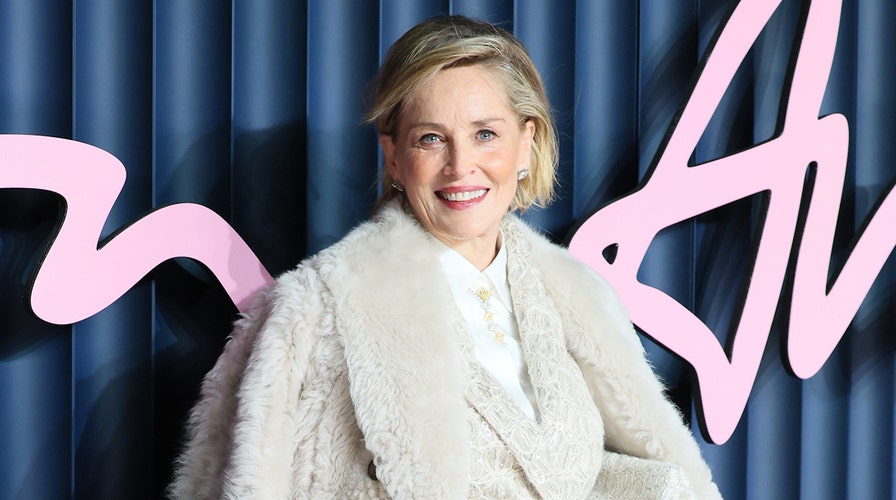
Sharon Stone, the legendary actress best known for her groundbreaking role in *Basic Instinct*, has recently voiced strong opinions about the way sexuality is depicted in contemporary television. According to Stone, the raw and explicit nature of today’s sex scenes strips away the mystery and allure that once made on-screen intimacy captivating and meaningful.
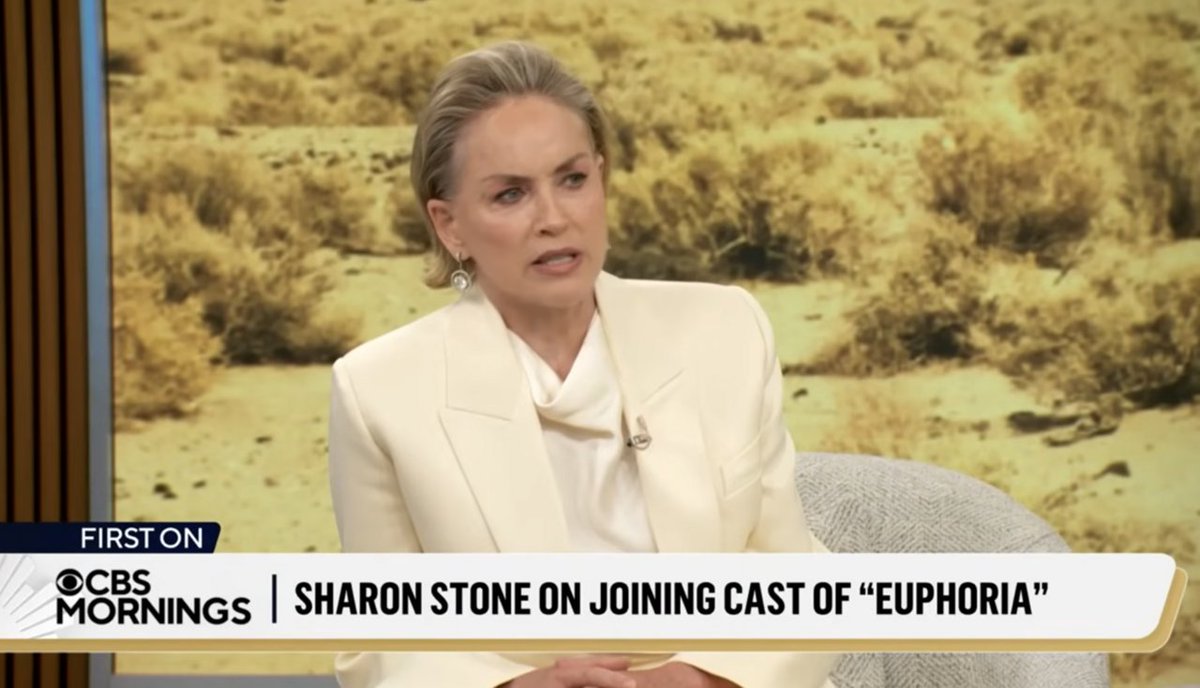
In a candid interview, Stone lamented the loss of subtlety in modern portrayals of sexuality. She emphasized that the power of intimate scenes lies not in explicitness but in the suggestion, the yearning, and the imagination they evoke. “So often now, when sex scenes come on TV — I fast-forward,” Stone admitted. “I don’t want to see it. I don’t want to have to go through all of this blatant, harsh sexuality. For me, it steals from my own imagination. And I prefer my yearning, mystery, desire. I want to keep that alive inside myself.”
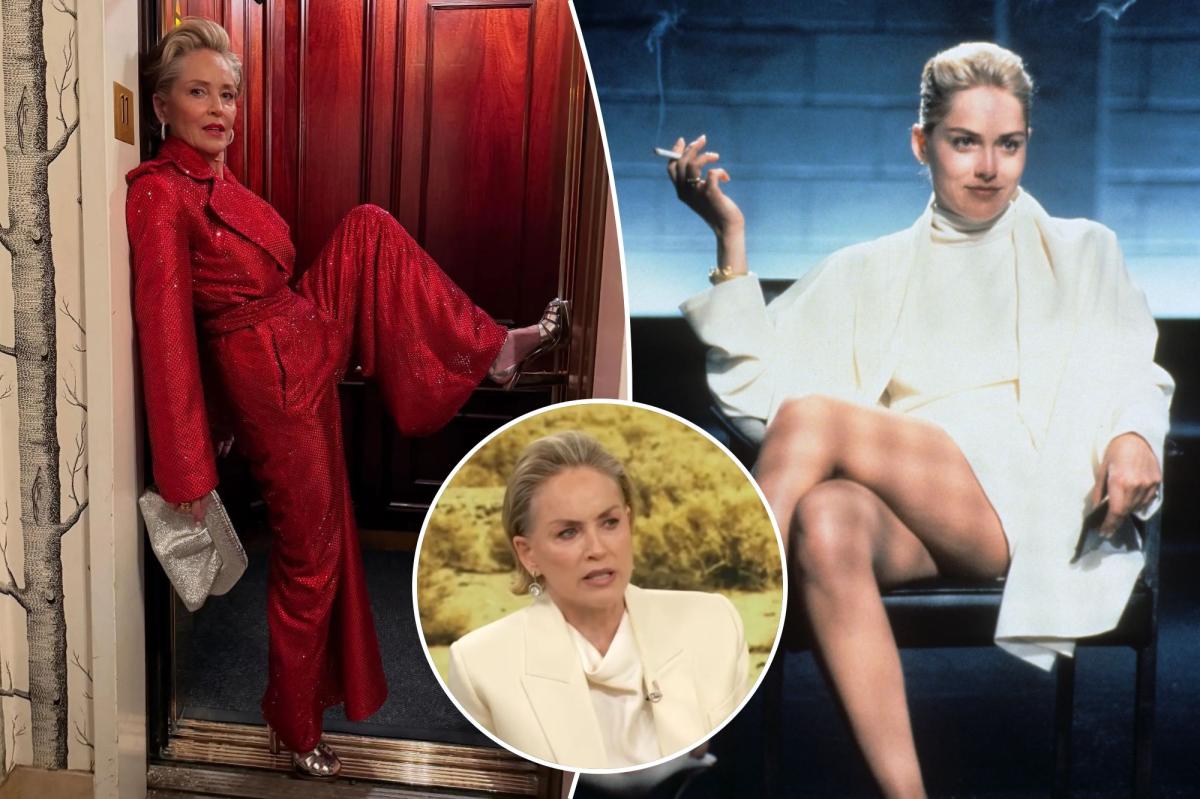
This perspective is a stark contrast to the way sexuality was portrayed during the height of Stone’s career, particularly in the early 1990s. Her iconic leg-crossing scene in *Basic Instinct* became a cultural phenomenon precisely because it was suggestive rather than explicit. The scene was famously framed so that viewers were left wondering, igniting curiosity and fascination rather than shock or discomfort.
The Legacy of ‘Basic Instinct’ and the Personal Cost of Fame
Stone’s reflections also touched on the personal repercussions she faced following her breakout role. The actress revealed that the notoriety of *Basic Instinct* dramatically altered her career trajectory, but not always for the better. She described feeling unprotected and unfairly judged by the industry and the public alike.
In a revealing moment, Stone shared how the stigma attached to her roles affected her personal life, including a painful custody battle. “My child was put on the stand in custody court and asked if his mother did sex movies,” she said. “People treated me in ways that were … very cruel and unkind, as if I was some sort of slatternly, vulgar person.” Stone’s experience highlights the double standards and harsh scrutiny actresses often endure when portraying sexuality on screen.
Despite these challenges, Stone has continued to embrace her legacy. In 2024, she paid tribute to her *Basic Instinct* character, Catherine Tramell, by recreating the iconic leg-crossing moment in a striking Instagram post. This act reaffirmed her connection to the role that defined much of her career while reminding audiences of the power of subtlety in sexual expression.
Sharon Stone’s Broader Critique of Society’s Relationship with Nudity

Beyond her commentary on television, Stone has also addressed society’s discomfort with nudity and the human body. Earlier this year, she criticized Hollywood’s contradictory attitudes toward nudity, sharing an incident where a film crew requested the removal of a nude painting from her home during a shoot.
“Are we supposed to be terrified when we look in the mirror?” Stone asked rhetorically. She questioned why society remains fearful of natural human experiences and bodies, while simultaneously tolerating violence and other graphic content in media. Stone’s message is clear: embracing our humanity, including aging and physicality, should not be taboo.
In her Instagram post, she wrote, “Why in 2026 are we still afraid of aging & living in our own selves? We are more than appearance. We are artists, mothers, sisters, wives, nurses, teachers … and the list goes on!” Her words call for a cultural shift that values authenticity and rejects shame associated with the human form.
Conclusion
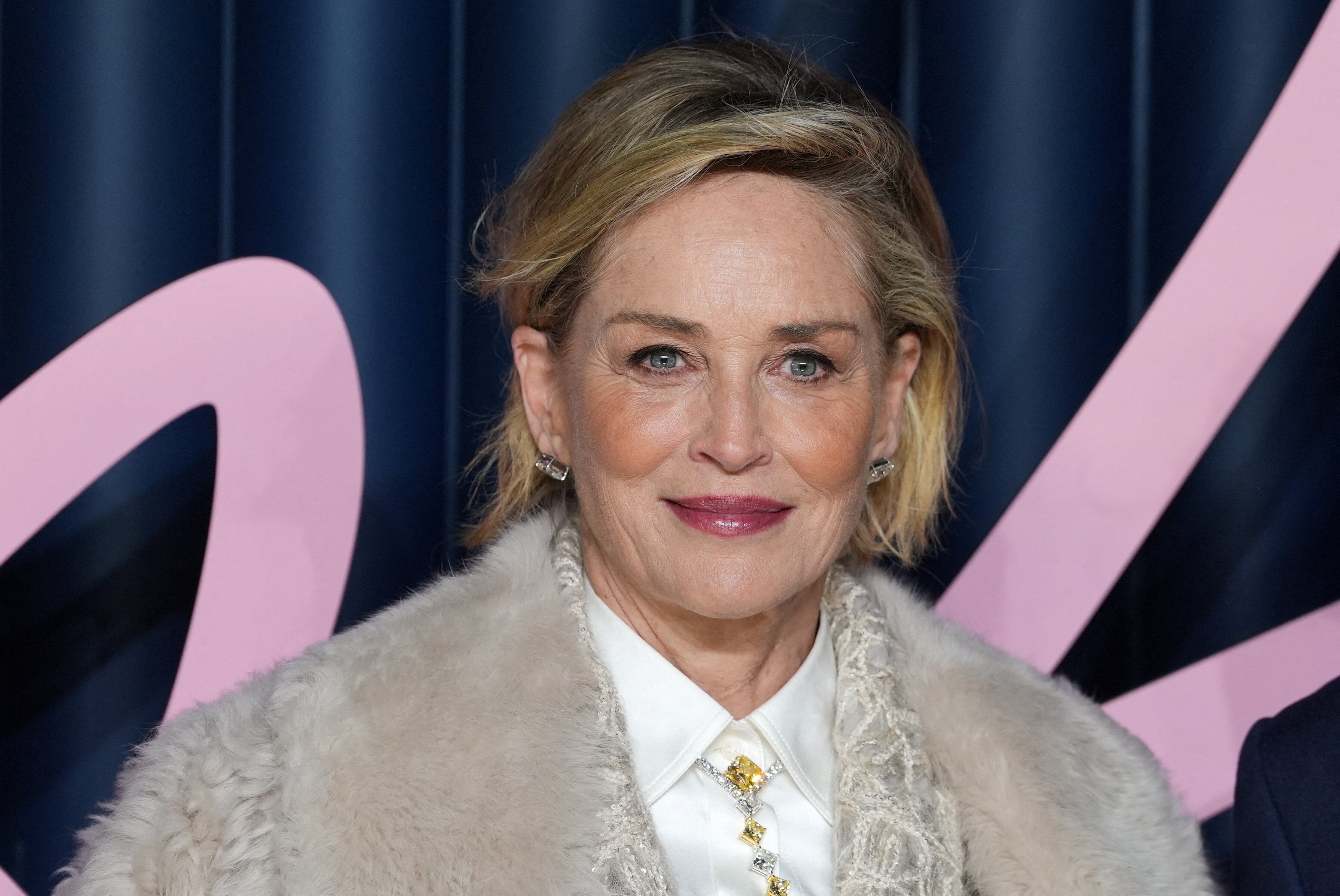
Sharon Stone’s outspoken critique of modern television’s “blatant, harsh sexuality” invites us to reconsider how intimacy is portrayed on screen. Her preference for mystery, imagination, and subtlety challenges the current trend toward explicitness, reminding us of the profound power that suggestion holds in storytelling. As audiences and creators alike reflect on these insights, there is an opportunity to bring back nuance and depth to on-screen sexuality.
If you found Sharon Stone’s perspective thought-provoking, stay tuned for more in-depth discussions on media, culture, and the evolving portrayal of human experiences. Don’t forget to subscribe to our newsletter for the latest updates and exclusive interviews!
Leave a Reply