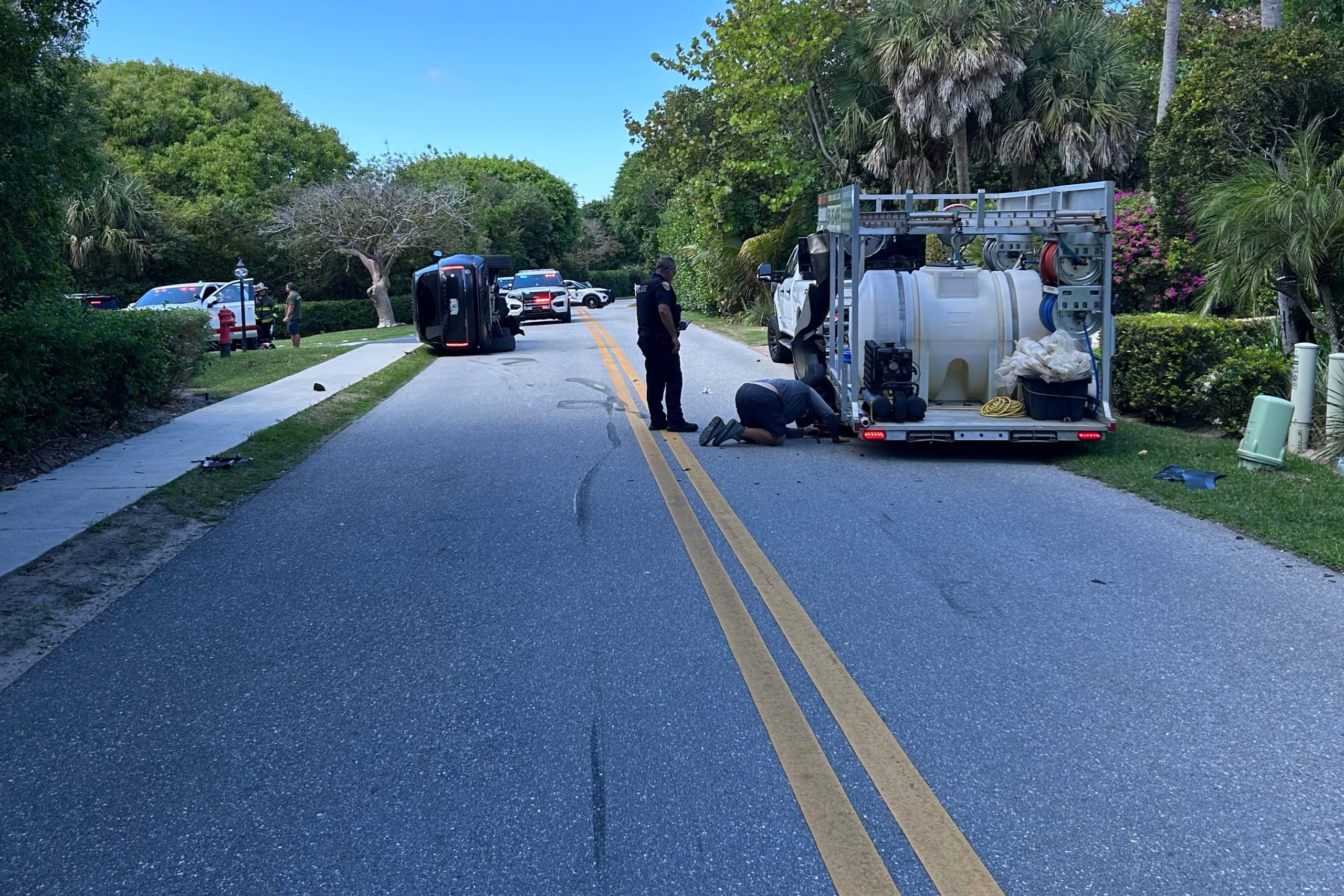
Tiger Woods ‘Seeking Treatment’ After Horrifying Rollover Car Crash — As Golf Icon Pleads ‘Not Guilty’ to DUI
Tiger Woods, one of the most celebrated figures in golf history, recently faced a harrowing experience after a serious rollover car crash in Florida. Following the accident, Woods was arrested and charged with driving under the influence (DUI). In a surprising turn, the golf icon has pleaded “not guilty” to the DUI charges and announced that he is seeking treatment to focus on his health and recovery. This article delves into the details of the crash, the legal proceedings, and Woods’ public response as he navigates this difficult chapter.
Tiger Woods’ Rollover Car Crash and DUI Arrest: What Happened?
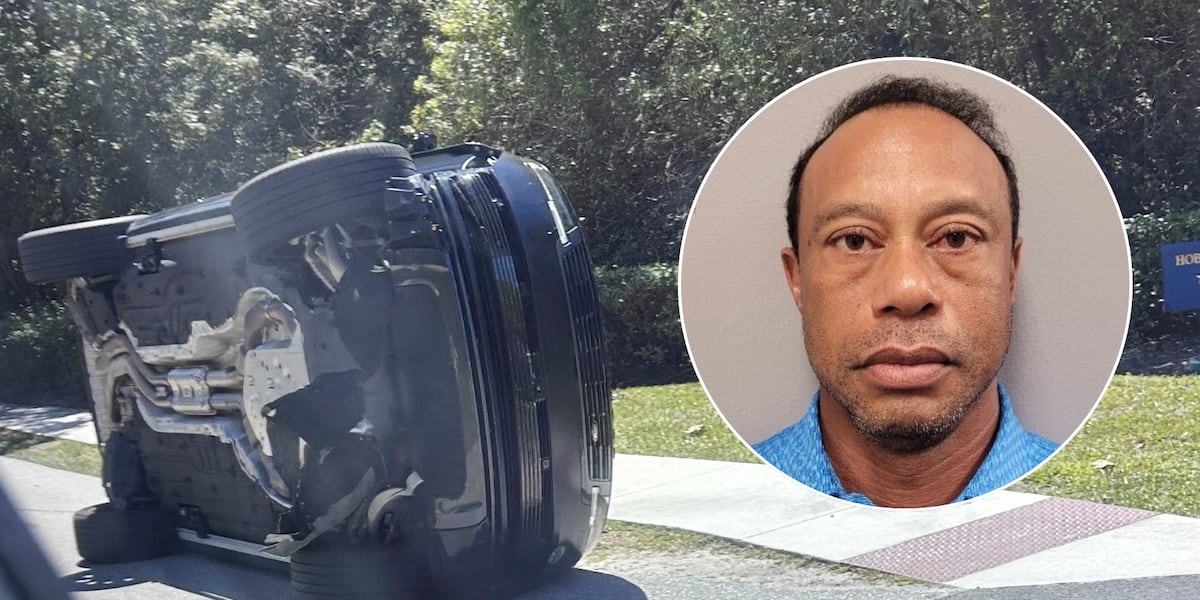
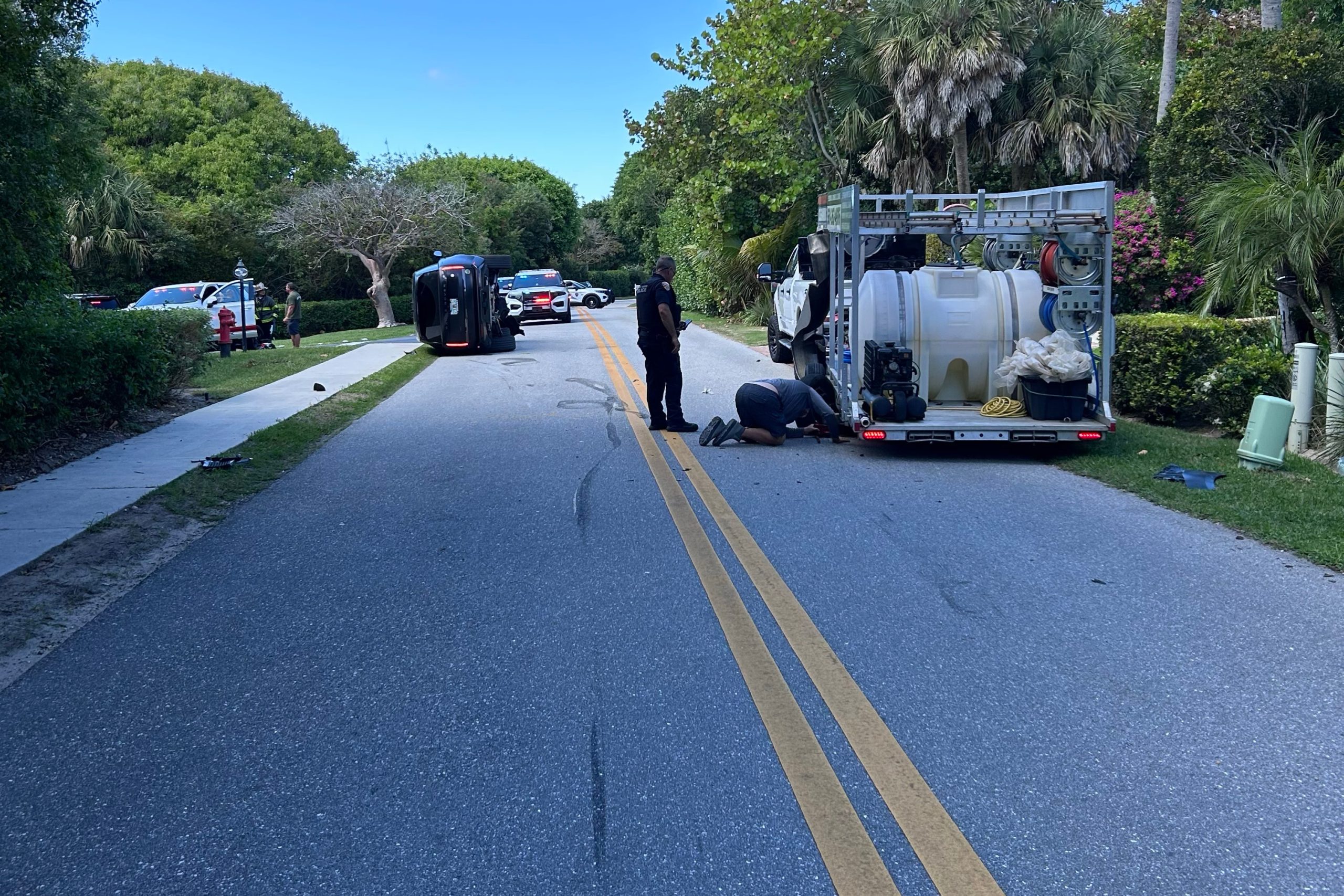
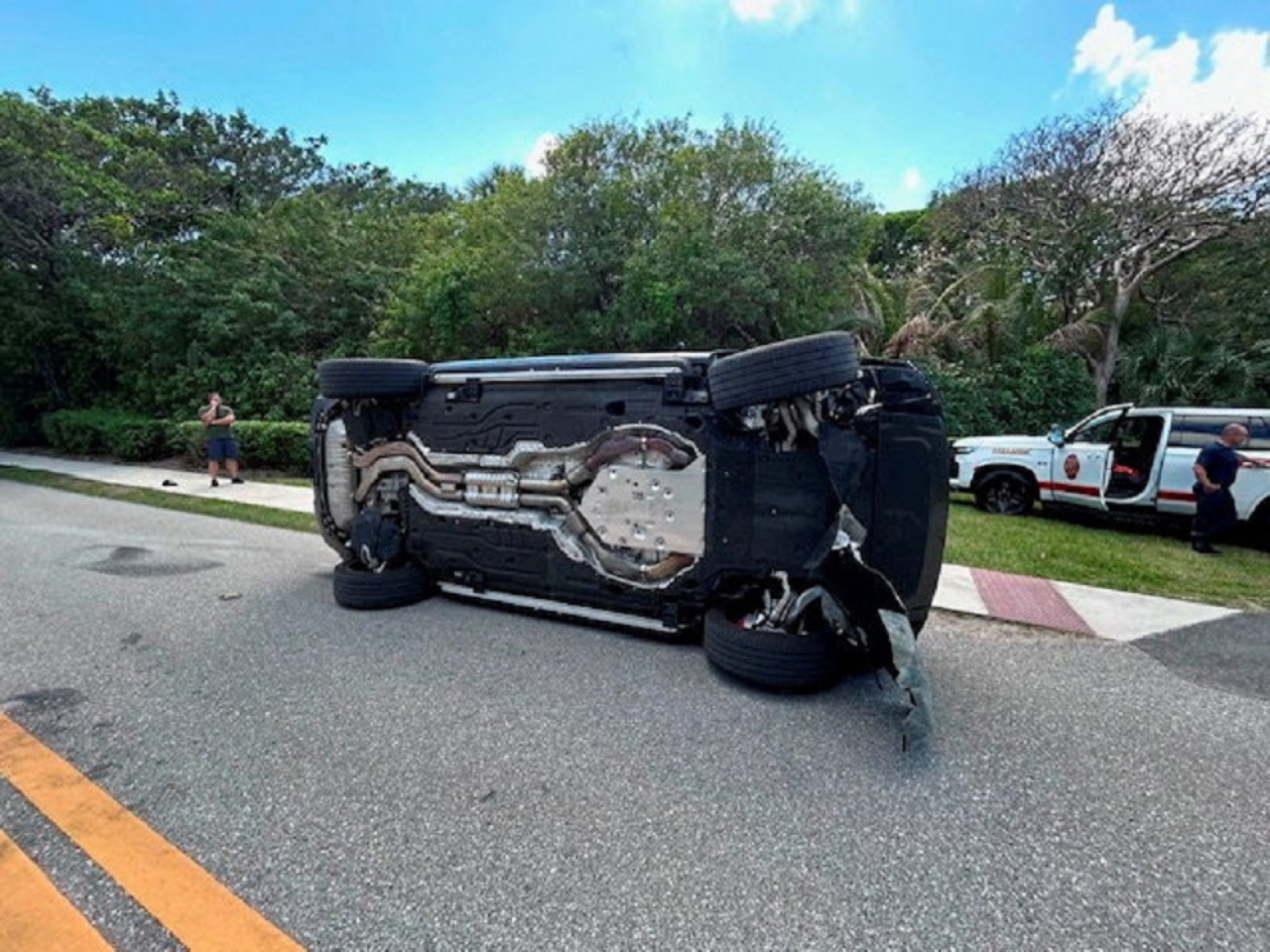
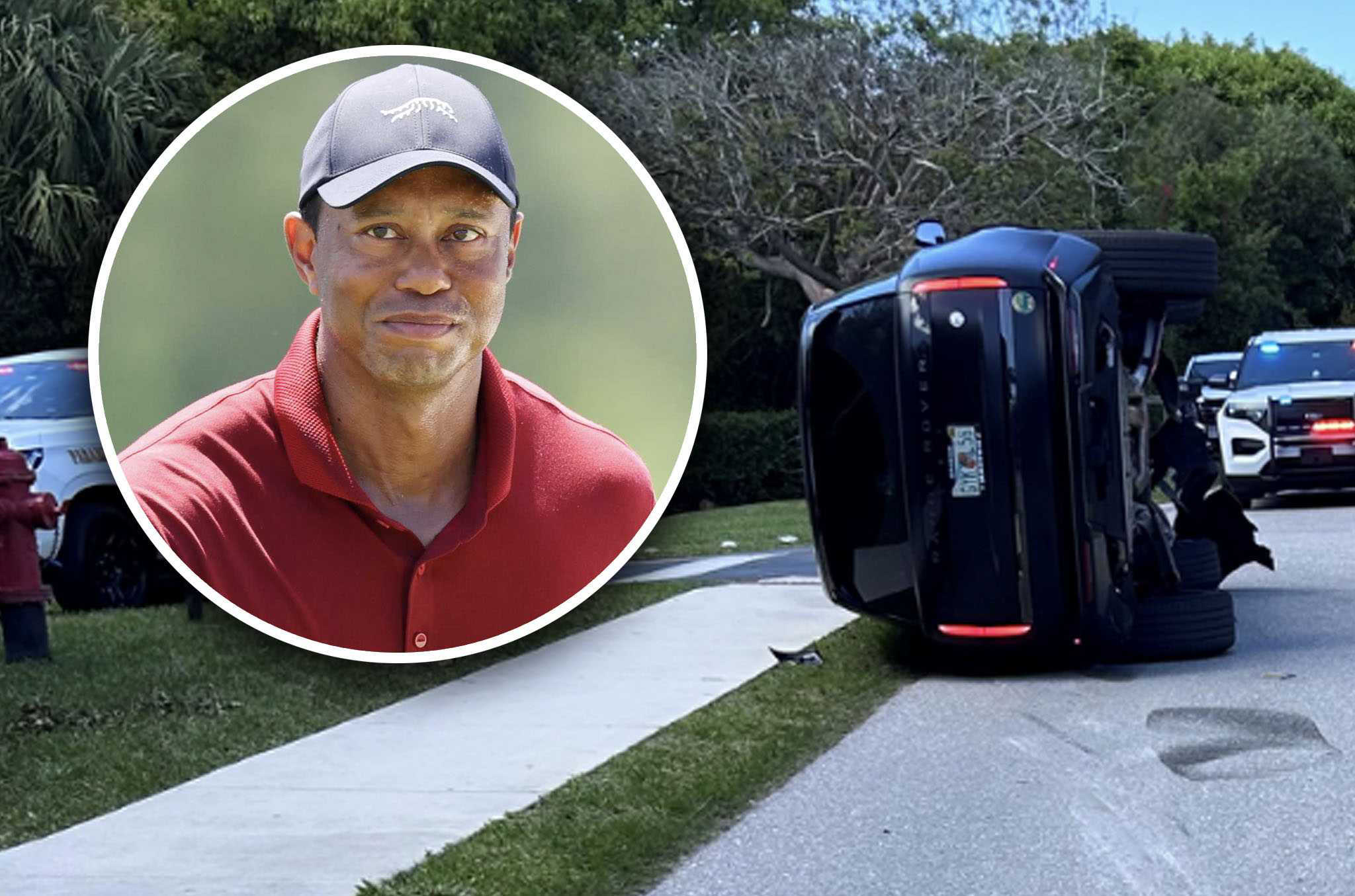
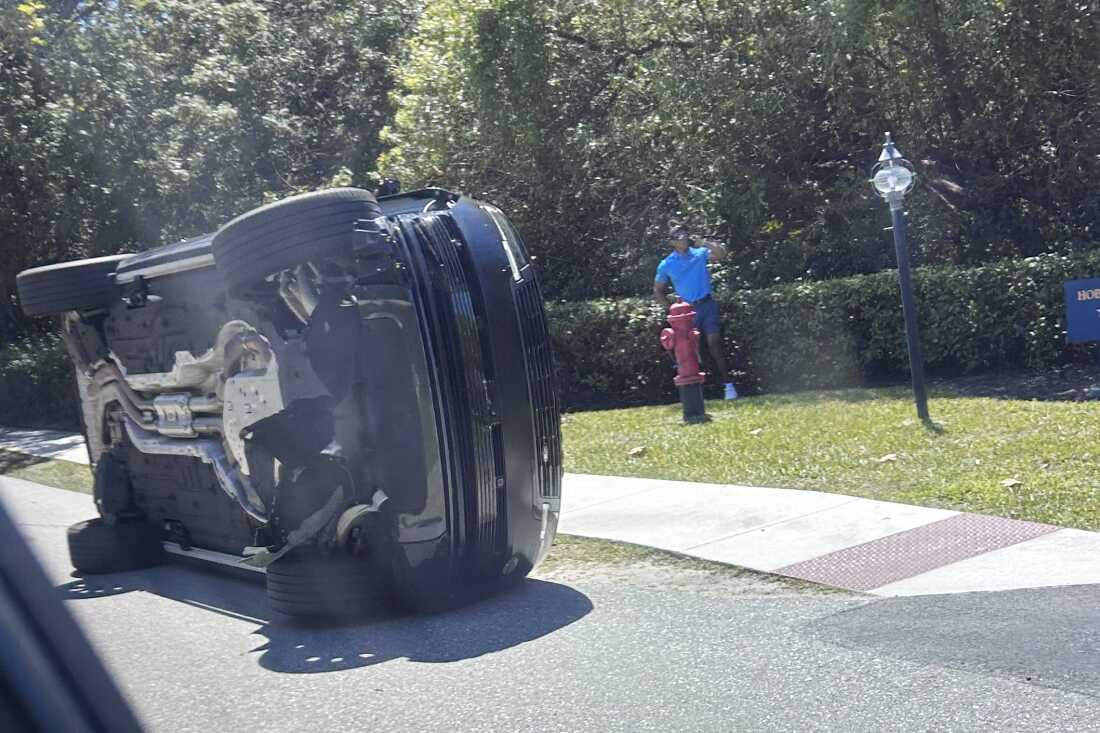
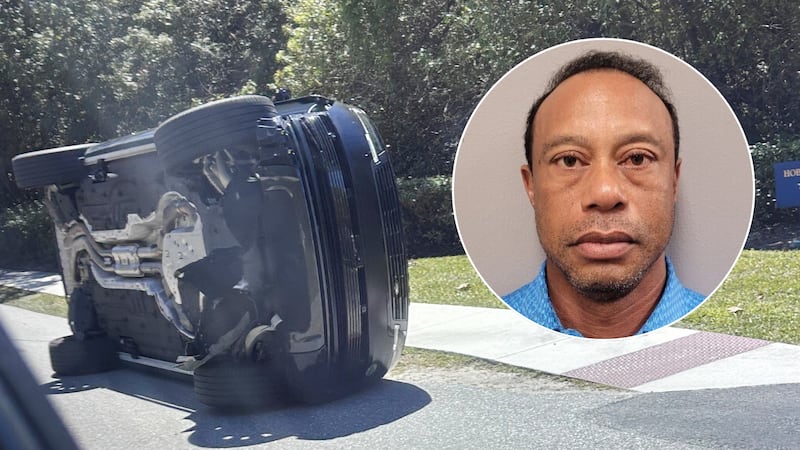
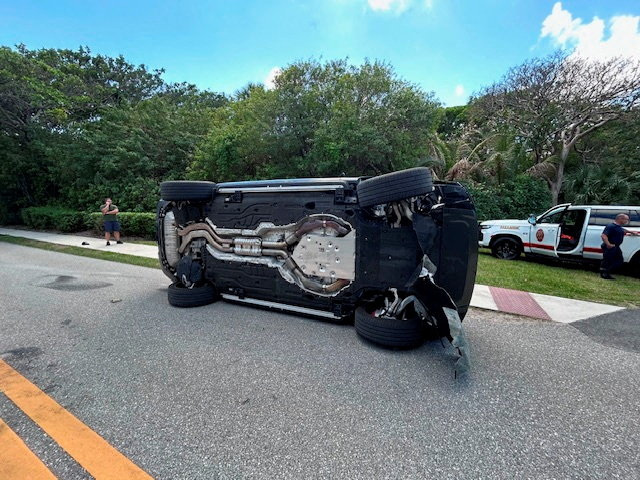
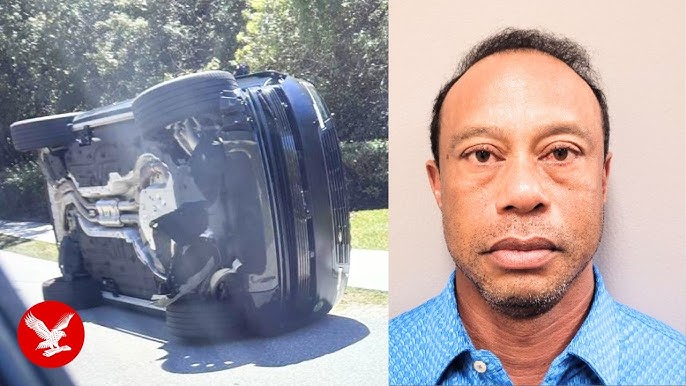
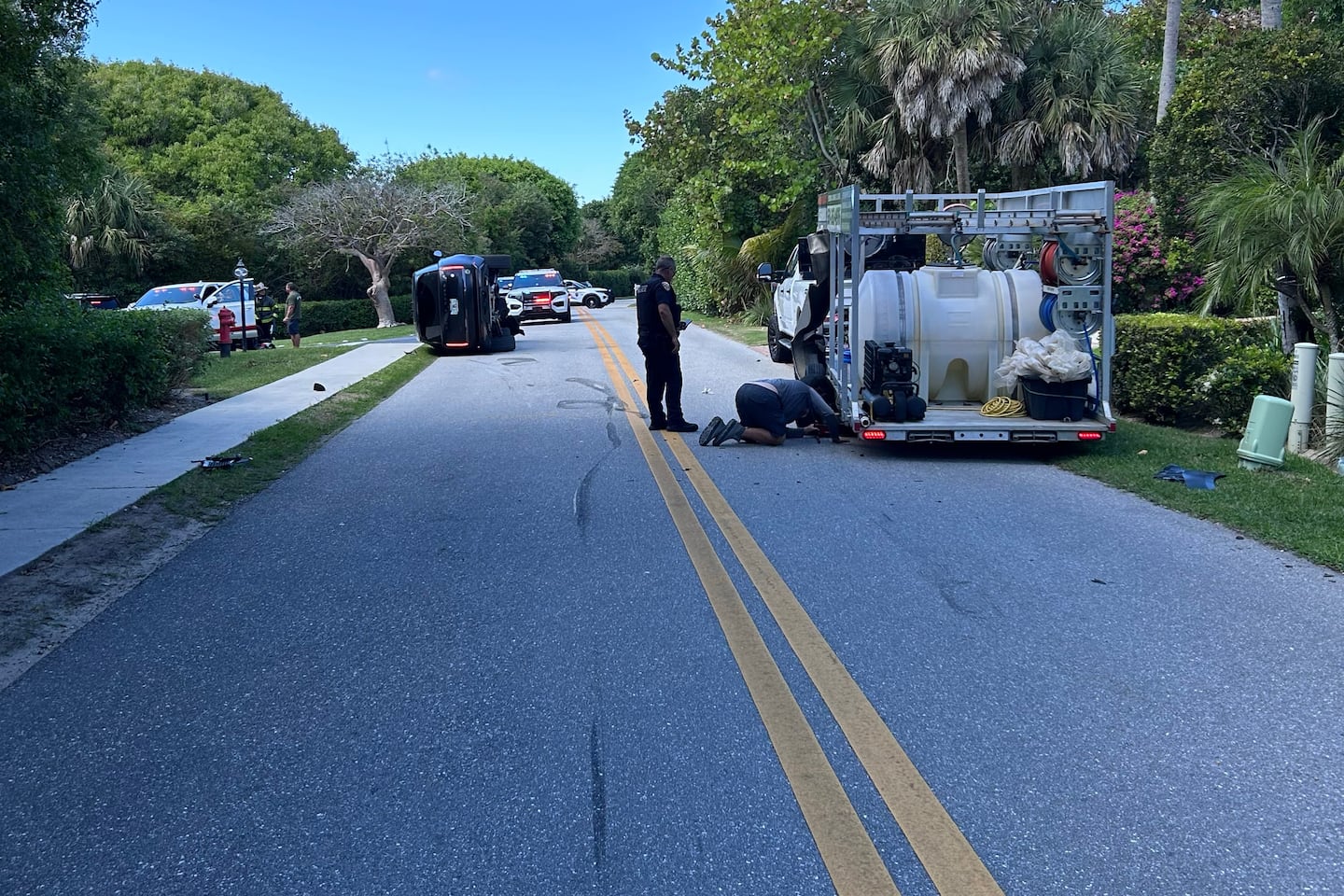
On March 27, Tiger Woods was involved in a frightening two-vehicle rollover accident on a narrow Florida road. According to reports, Woods was driving his SUV when he attempted to pass a truck hauling a trailer. The maneuver went wrong, causing his vehicle to flip onto its side. Emergency responders arrived promptly, and Woods was able to crawl out of the wreckage through a window. Fortunately, he did not sustain any serious physical injuries in the crash.
However, the situation escalated when police observed Woods exhibiting signs of impairment. Authorities noted that he was sweating profusely, appeared lethargic, and had bloodshot, glassy eyes. Although Woods passed a breathalyzer test and denied consuming alcohol before driving, law enforcement found prescription pills on his person. These pills were identified as hydrocodone, a potent opioid pain medication. Woods admitted to occasionally using the medication but denied that it impaired his ability to drive.
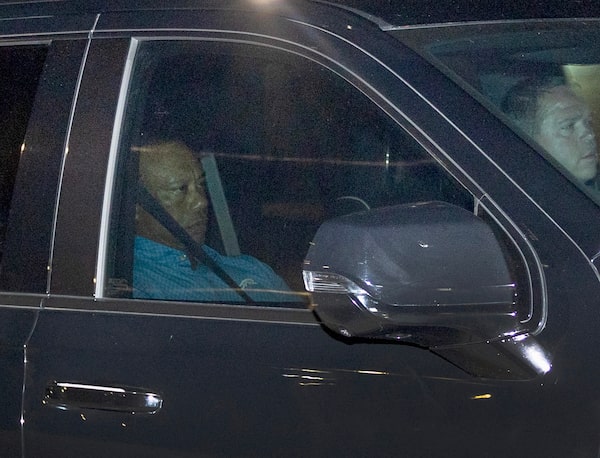
Despite these claims, Woods was taken into custody and charged with DUI, refusal to submit to a lawful chemical test, and property damage related to the accident. Notably, he refused to provide blood or urine samples, a decision that legal experts say could impact the prosecution’s case.
Legal Implications and Plea of Not Guilty
Following his arrest, Tiger Woods entered a written plea of “not guilty” to the DUI charge. His legal team has indicated that he plans to waive his appearance at the upcoming arraignment hearing scheduled for April. The refusal to take chemical tests such as blood or urine samples often complicates DUI cases. Prosecutors may argue that this refusal indicates consciousness of guilt, while defense attorneys might contend that the refusal stems from mistrust of the process or legal caution.
Without concrete chemical evidence from blood or urine tests, the prosecution faces challenges in proving impairment beyond a reasonable doubt. This legal nuance will likely play a significant role as the case progresses.
Tiger Woods’ Commitment to Treatment and Recovery
In the wake of the accident and arrest, Tiger Woods took to his Instagram Story to address the public directly. He acknowledged the seriousness of the situation and announced his intention to “seek treatment” and prioritize his health. Woods shared:
“I am stepping away for a period of time to seek treatment and focus on my health. This is necessary in order for me to prioritize my well-being and work toward lasting recovery.”
He further expressed his commitment to returning stronger and more focused, both personally and professionally. Woods also requested privacy for himself and his family during this challenging time, thanking fans and supporters for their understanding.
While Woods did not specify the exact nature of the treatment he plans to pursue, his statement underscores a proactive approach to addressing his health and well-being.
The Impact on Tiger Woods’ Career and Public Image
Tiger Woods’ accident and subsequent legal troubles have sparked widespread media attention and public concern. Known for his incredible achievements on the golf course and his resilience in overcoming past injuries and personal challenges, Woods now faces a new test.
The decision to seek treatment and openly communicate about his situation may help rebuild public trust and demonstrate accountability. Fans and fellow athletes alike have expressed support, hoping for his full recovery and eventual return to the sport.
This incident also highlights the broader issues surrounding prescription medication use and driving safety, reminding the public of the importance of responsible behavior behind the wheel.
Conclusion
Tiger Woods’ recent rollover car crash and DUI arrest have marked a difficult period for the golf legend. Despite pleading “not guilty” to the DUI charges, Woods has taken a commendable step by committing to seek treatment and focus on his health. As the legal process unfolds, his dedication to recovery and transparency will be crucial in overcoming this challenge.
If you or someone you know is struggling with substance use or health issues, don’t hesitate to seek professional help. Prioritizing well-being is the first step toward lasting recovery. Stay informed and support those on their journey to better health.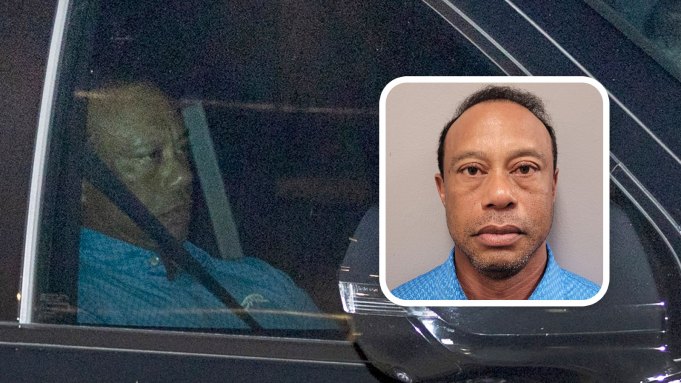
Leave a Reply