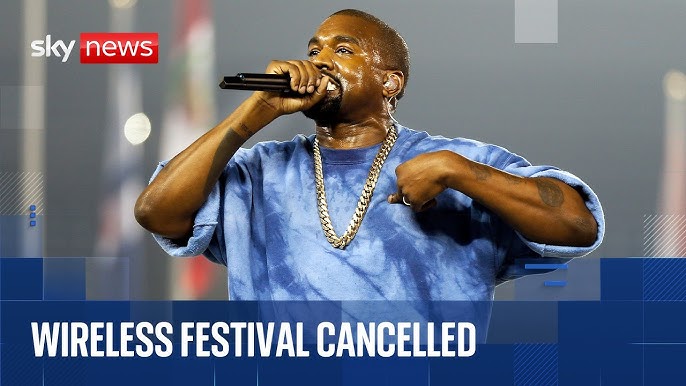
Kanye West Denied Entry to U.K., Wireless Festival Cancelled
Kanye West Denied Entry to the U.K. and Wireless Festival Cancellation
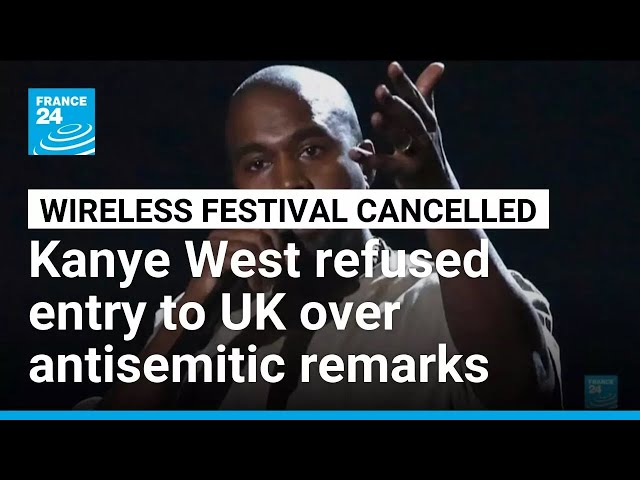
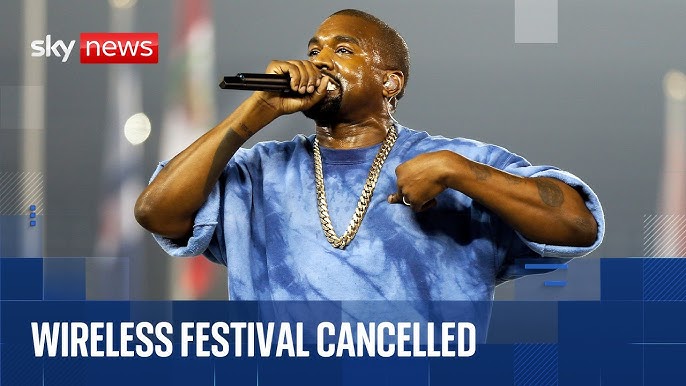
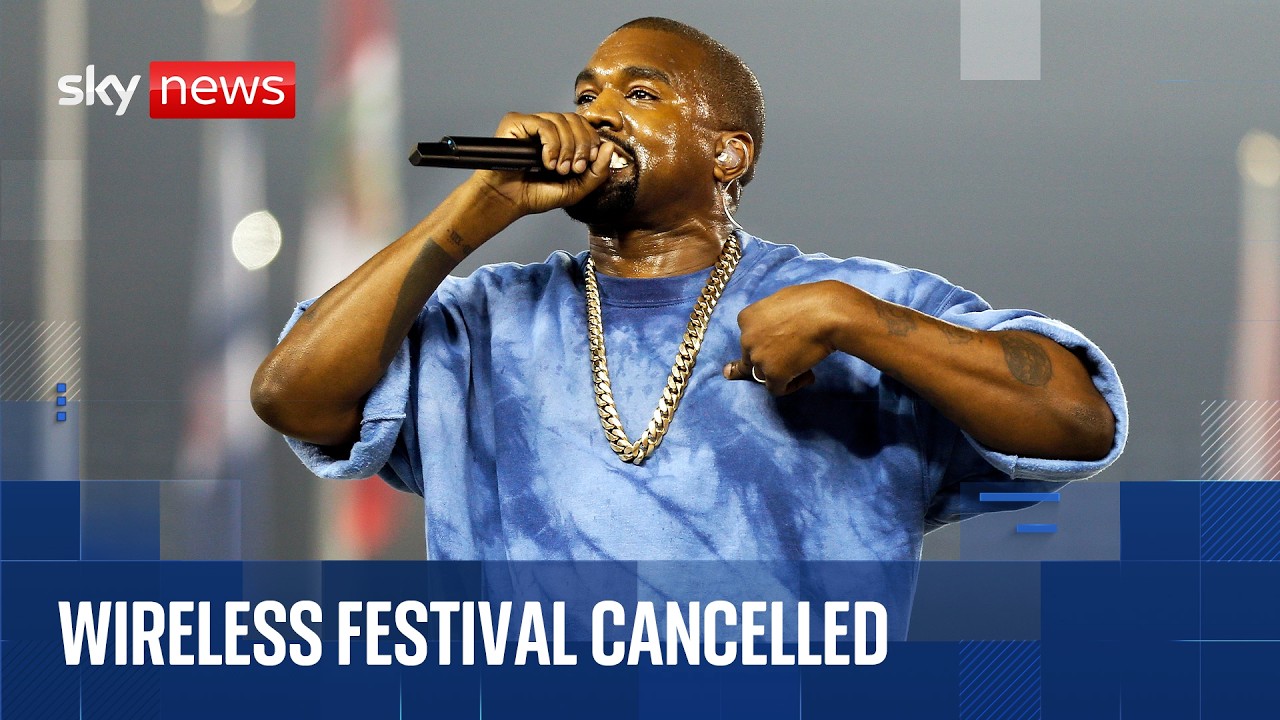
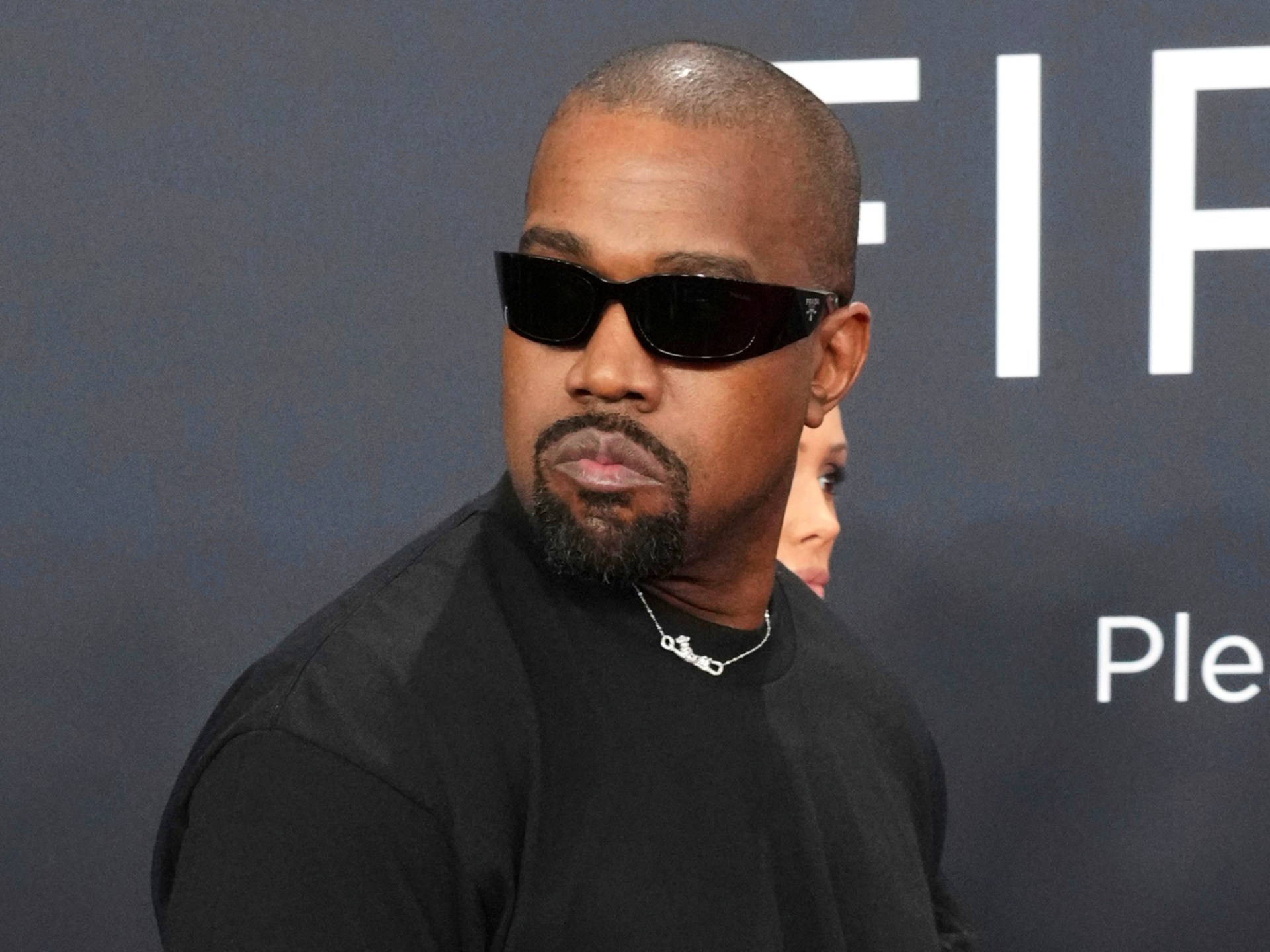
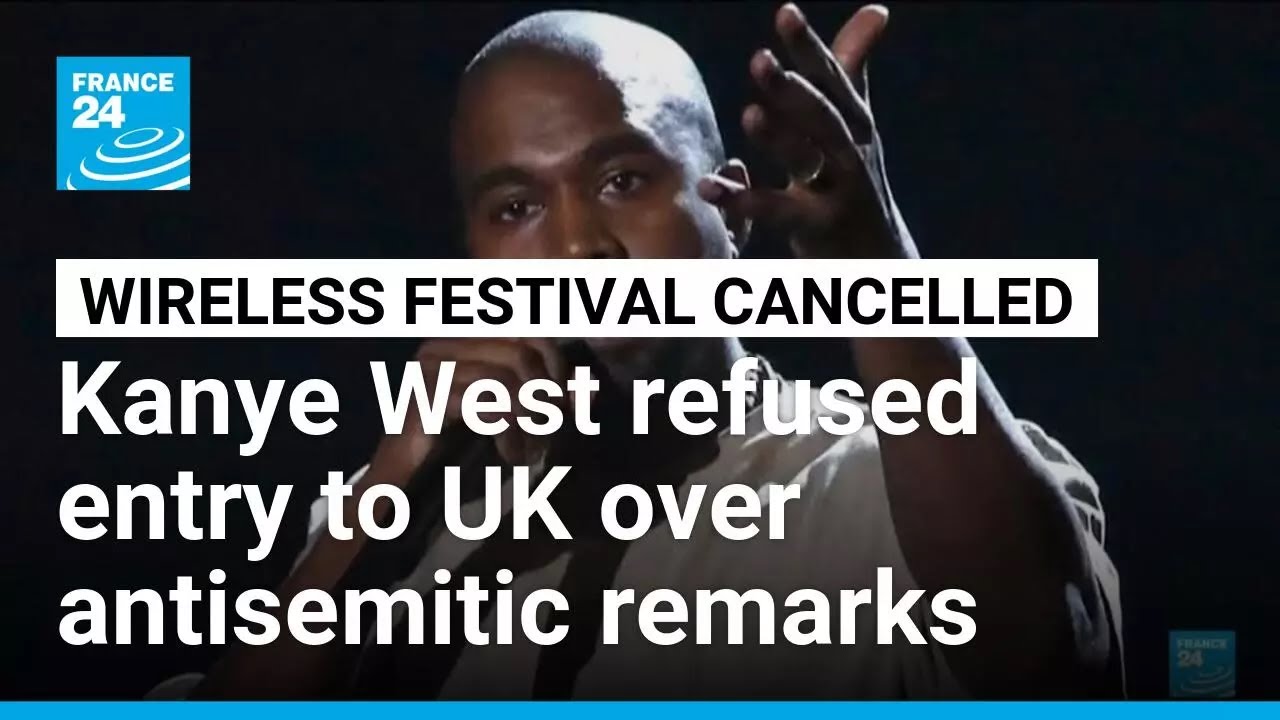
The music world was shaken when Kanye West, now legally known as Ye, was denied entry to the United Kingdom, resulting in the cancellation of the 2026 Wireless Festival. The rapper was scheduled to headline the highly anticipated three-day event in London’s Finsbury Park, expected to draw around 150,000 attendees from July 10 to 12. However, the U.K. Home Office blocked his Electronic Travel Authorization application, citing concerns that his presence would not be “conducive to the public good.”
This unprecedented move led festival organizers to announce the complete cancellation of the Wireless Festival. An official statement on the festival’s website confirmed the decision and assured ticket holders that full refunds would be automatically processed. The cancellation marks a significant moment in the entertainment industry, highlighting the impact of public controversies on live events.
The Controversy Behind the Ban
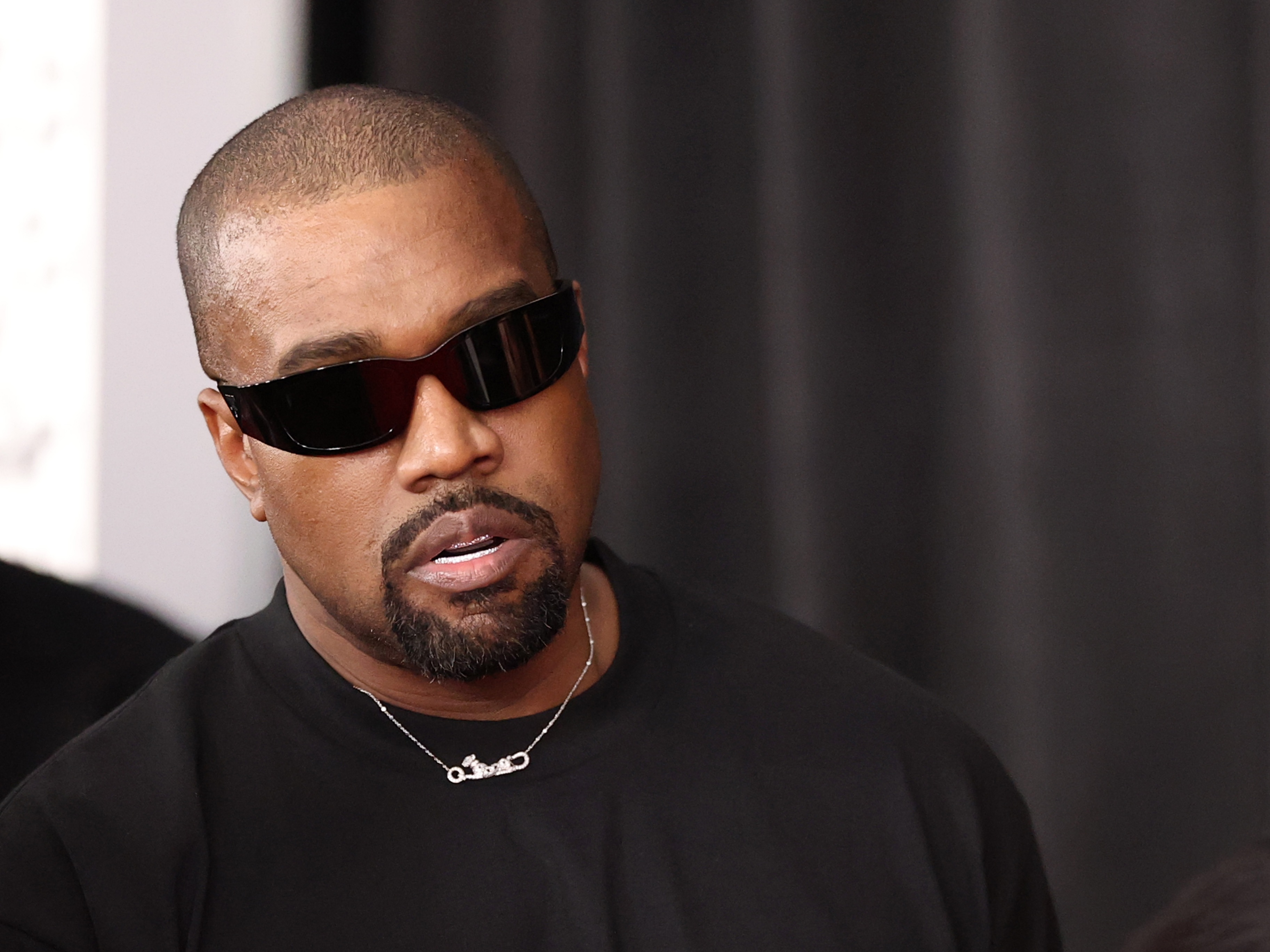
Kanye West’s denied entry stems from a series of highly publicized antisemitic remarks and actions over the past year. His provocative statements, including admiration for Adolf Hitler and the release of a song titled “Heil Hitler,” sparked widespread condemnation. Additionally, West sold merchandise featuring a swastika, further intensifying backlash.
In response to the growing outrage, West expressed a willingness to meet with members of the U.K.’s Jewish community to demonstrate remorse and change. He stated, “I would be grateful for the opportunity to meet with members of the Jewish community in the U.K. in person, to listen.” Despite this, senior government officials, including Prime Minister Keir Starmer, maintained that West should not perform at the festival. Starmer’s spokesperson emphasized that all options were under review but underscored the importance of ensuring public safety and combating antisemitism.
The Board of Deputies of British Jews, a leading Jewish organization, welcomed the ban but stressed the need for genuine remorse before West could be given any platform. Phil Rosenberg, the group’s president, remarked that the community would only consider engagement if West showed sincere change, not by performing on a major stage.
Impact on Sponsors and Festival Organizers
The controversy surrounding Kanye West led to a domino effect among Wireless Festival sponsors. Major brands such as Pepsi, Rockstar Energy, and Diageo withdrew their sponsorships following the announcement of West as the headliner. Pepsi, which had been a long-standing partner since 2015, pulled out of the festival’s co-branding, causing a significant financial and reputational blow.
Diageo, owner of popular alcohol brands like Johnnie Walker and Captain Morgan, also announced its withdrawal, citing concerns over the association with West. Rockstar Energy and PayPal reduced their involvement, with PayPal removing its branding but not fully pulling out.
Festival Republic, the organizer behind Wireless Festival, initially stood by West, urging the public to offer forgiveness and hope. Melvin Benn, managing director at Festival Republic, acknowledged the abhorrent nature of West’s past remarks but emphasized that the festival was a platform for music performance, not political or ideological expression. However, following the Home Office’s decision and sponsor withdrawals, the organizers had no choice but to cancel the event.
Previous Visa Revocations and Global Reactions
This is not the first time Kanye West has faced travel restrictions due to his controversial behavior. In 2025, Australia revoked his visa after the release of the “Heil Hitler” song, which was widely condemned as promoting Nazism. Australian Home Affairs Minister Tony Burke stated that West’s visa was canceled because the song and his actions were incompatible with Australian values and public safety.
The song has also been banned in Germany and removed from major streaming platforms such as Apple Music, YouTube, and Spotify. The global response to West’s antisemitic content has been overwhelmingly negative, with many countries taking steps to limit his influence and presence.
What This Means for the Music Industry and Public Safety
The cancellation of the Wireless Festival due to Kanye West’s denied entry highlights the increasing responsibility of governments, sponsors, and event organizers to uphold public safety and social values. It underscores the consequences artists face when their actions or statements cross ethical lines, especially when they incite hatred or discrimination.
Sponsors are becoming more vigilant about the artists they support, recognizing the potential damage to their brand reputation. Similarly, governments are willing to intervene to prevent individuals from entering their countries if their presence poses a risk to social harmony.
For fans and the music community, this incident serves as a reminder that freedom of expression has limits, especially when it infringes on the rights and safety of others. It also opens a broader conversation about accountability and the role of art in society.
Looking Ahead: The Future of Wireless Festival and Kanye West
The cancellation of the 2026 Wireless Festival leaves uncertainty about the event’s future. Organizers will need to rebuild trust with sponsors, artists, and fans to revive the festival in subsequent years. The incident may also prompt stricter vetting processes for headline performers to avoid similar controversies.
As for Kanye West, his path forward remains unclear. While he has expressed a desire to make amends, the severity of his past actions means that regaining public trust will be challenging. His denied entry to the U.K. and previous visa revocation in Australia signal that international travel and performances may be restricted until he demonstrates genuine change.
Conclusion
Kanye West’s denied entry to the U.K. and the resulting cancellation of the Wireless Festival mark a pivotal moment in the intersection of music, public safety, and social responsibility. This situation highlights how controversial behavior can have far-reaching consequences beyond personal reputation, affecting entire events and industries. As the music world reflects on this development, it’s essential for fans and stakeholders alike to advocate for accountability and respect in the arts.
If you want to stay updated on the latest news about music events and artist controversies, subscribe to our newsletter and never miss an important story.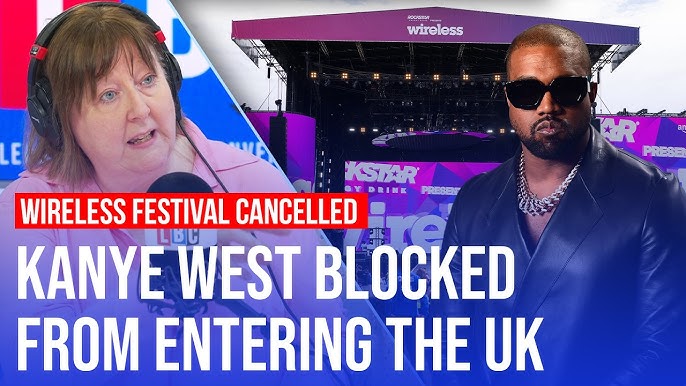
Leave a Reply