BAFTA Apologises ‘Unreservedly’ After Tourette’s Sufferer Shouted Racial Slur During Live Awards Show as Review Finds ‘Weaknesses’ in Planning
BAFTA Apology Following Racial Slur Incident at Live Awards Show
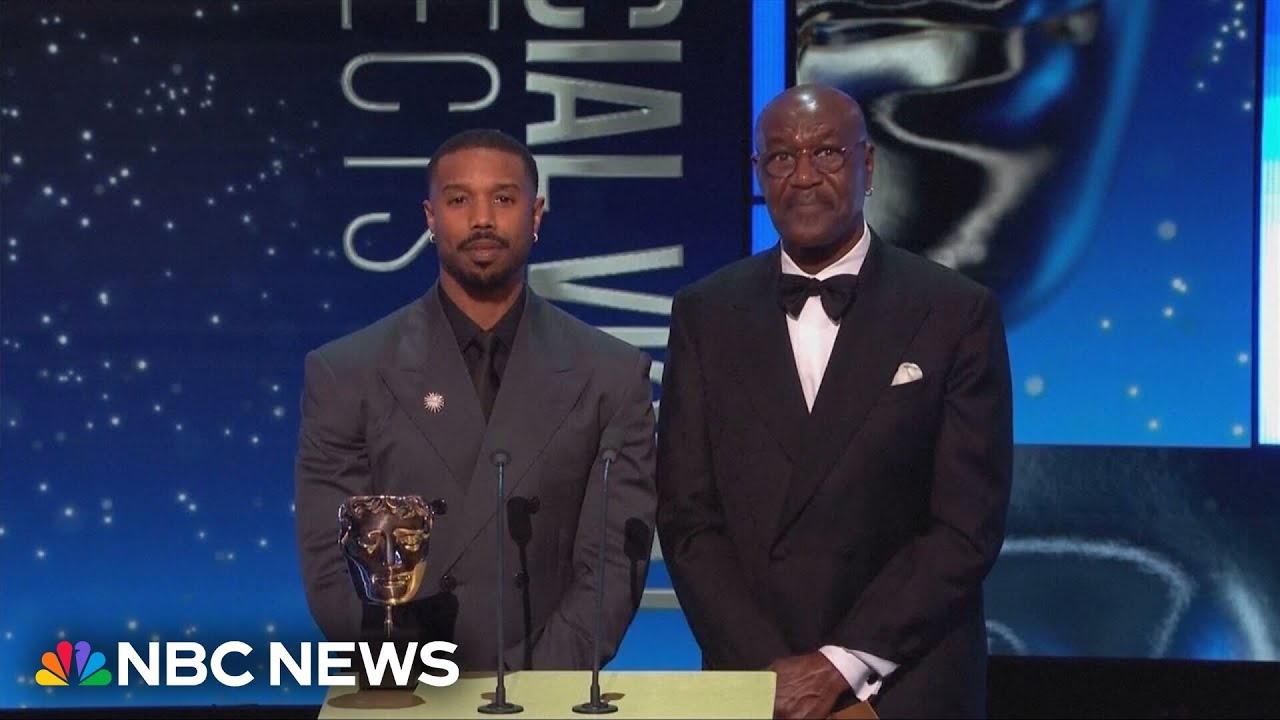
The British Academy of Film and Television Arts (BAFTA) has issued an unreserved apology following an unfortunate incident during this year’s live awards ceremony, where a Tourette’s sufferer involuntarily shouted a racial slur on stage. The incident, which occurred in front of millions of viewers worldwide, has sparked widespread discussion about inclusivity, event planning, and the challenges faced by individuals with neurological conditions.
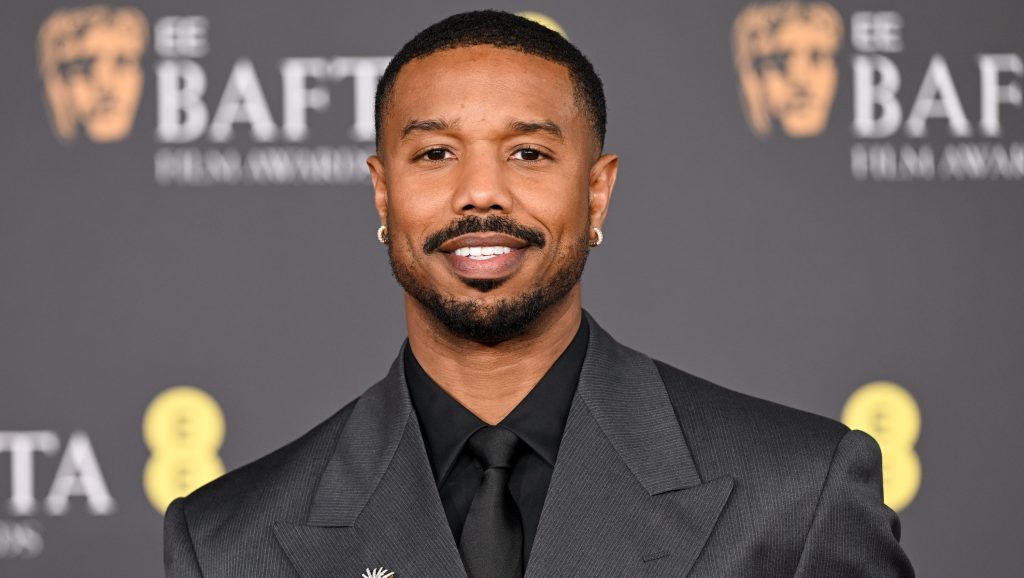
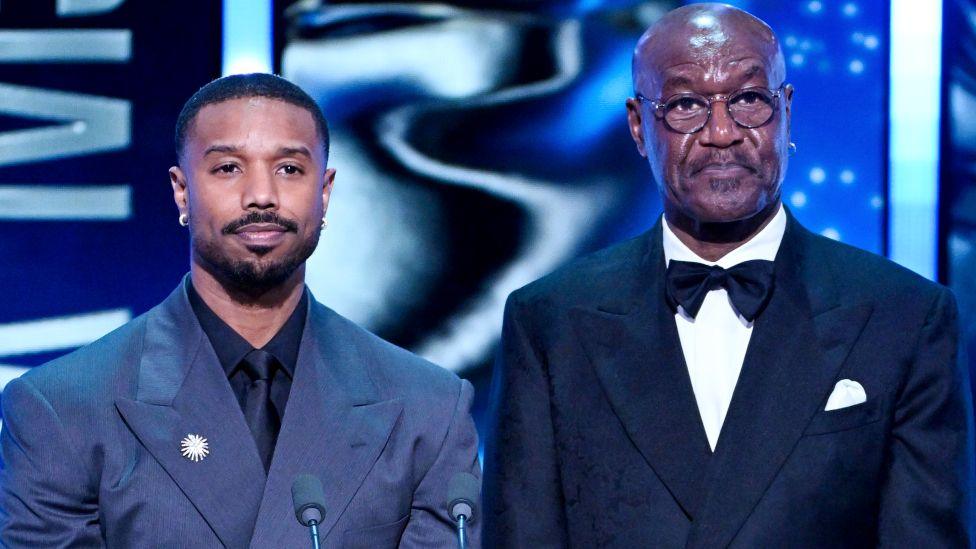
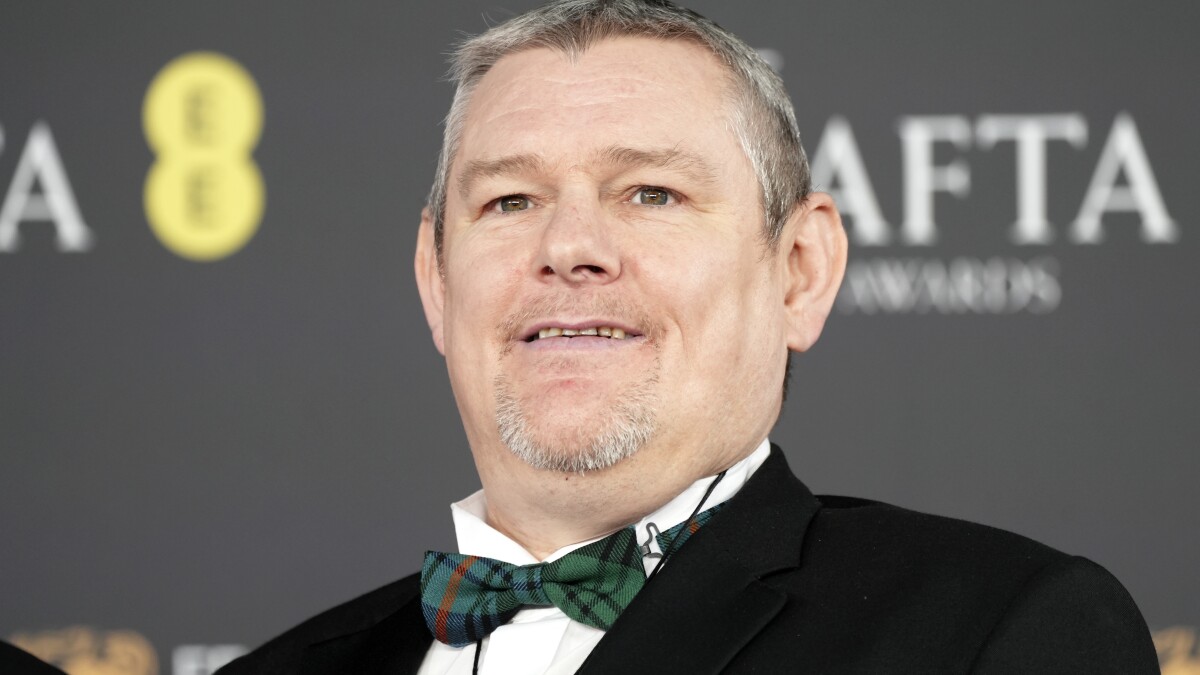
John Davidson, a man living with Tourette’s syndrome, unintentionally uttered the N-word during the broadcast. At the time, actors Michael B. Jordan and Delroy Lindo were presenting the award for special visual effects. Both actors, who starred in the 2025 horror film *Sinners*, were visibly taken aback by the outburst. The incident was not a deliberate act of racism but rather a manifestation of Mr Davidson’s neurological condition, which can cause involuntary vocalizations, including expletives and offensive language.
In response to the incident, BAFTA’s board of trustees expressed deep regret and extended apologies to both the Black community and individuals with disabilities. The academy acknowledged that the moment led to unfair judgment towards people living with Tourette’s syndrome and highlighted the need for greater awareness and sensitivity.
Independent Review Uncovers ‘Weaknesses’ in BAFTA’s Event Planning
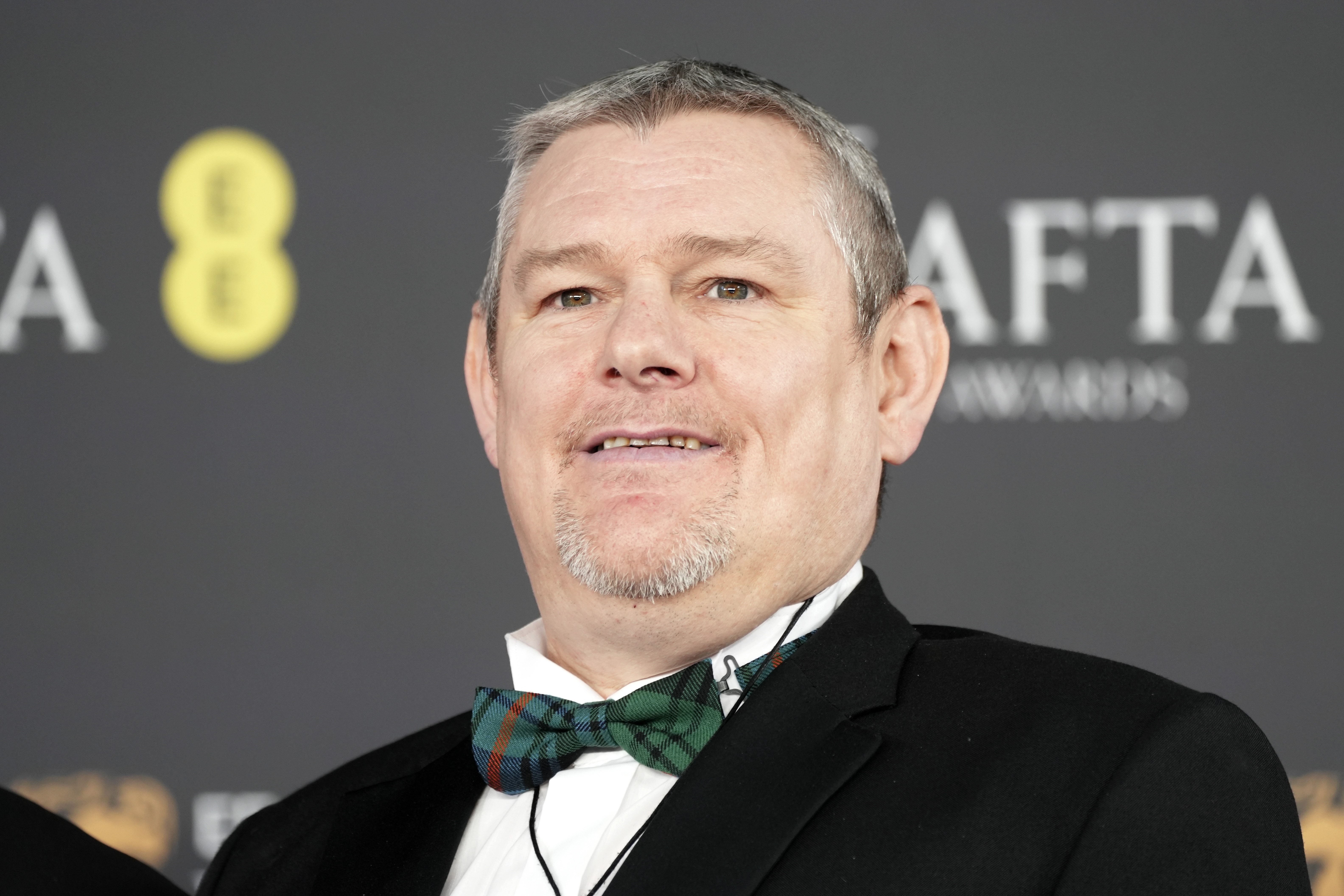
Following the incident, BAFTA commissioned an independent review to investigate the circumstances surrounding the event and identify areas for improvement. The consultancy firm RISE Associates conducted the review, focusing on the event’s planning, risk management, and inclusivity measures.
The report revealed several structural weaknesses in BAFTA’s preparations for the awards show. These included insufficient contingency plans for unexpected incidents, a lack of comprehensive training for staff on handling neurological conditions, and inadequate communication protocols during live broadcasts.
RISE Associates emphasized the importance of proactive measures to prevent similar incidents in the future. Recommendations included enhanced staff training on disability awareness, improved real-time monitoring during live events, and the development of clear guidelines for managing unforeseen disruptions.
BAFTA has publicly committed to implementing these recommendations to ensure that future ceremonies are more inclusive, respectful, and better equipped to handle unexpected challenges.
Understanding Tourette’s Syndrome and Its Impact on Live Events

Tourette’s syndrome is a neurological disorder characterized by involuntary tics, which can be motor or vocal. Some individuals with Tourette’s may experience coprolalia, the involuntary utterance of obscene or socially inappropriate words or phrases. This condition is often misunderstood, leading to stigma and misjudgment.
The incident at the BAFTA awards highlights the difficulties faced by people with Tourette’s, especially in high-pressure, public environments. It also underscores the need for greater public education about neurological disorders to foster empathy and reduce discrimination.
Live events, particularly those broadcast globally, present unique challenges when accommodating individuals with such conditions. Organizers must balance the unpredictability of live performances with the imperative to create inclusive spaces that respect the dignity of all participants.
Conclusion

BAFTA’s unreserved apology following the Tourette’s-related racial slur incident during the live awards show marks an important step towards accountability and inclusivity. The independent review’s findings have shed light on critical weaknesses in event planning, prompting BAFTA to enhance its protocols and training. This incident serves as a reminder of the importance of understanding neurological conditions like Tourette’s syndrome and fostering environments that support diversity and respect.
If you want to stay informed about developments in event inclusivity and neurological awareness, subscribe to our newsletter for the latest updates and expert insights.

Leave a Reply