Desmond Morris Dead: BBC Presenter and Zoologist Dies as Tributes Pour In
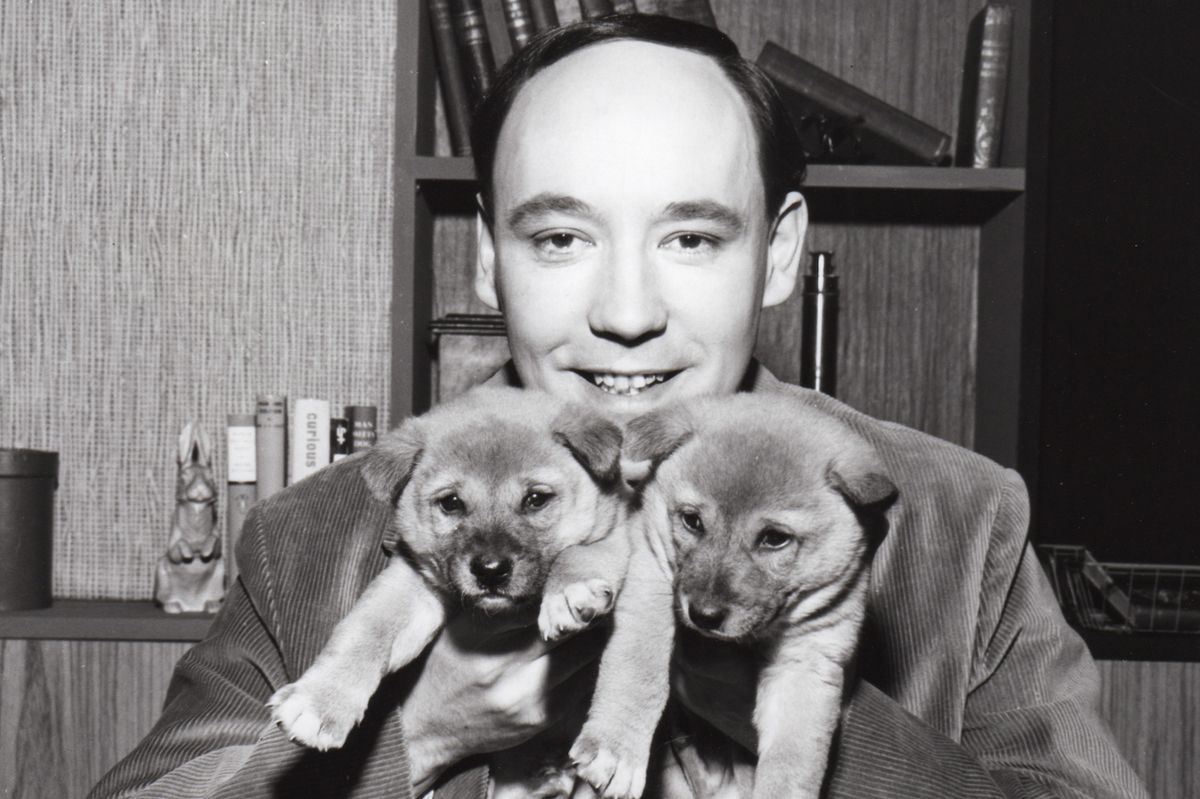
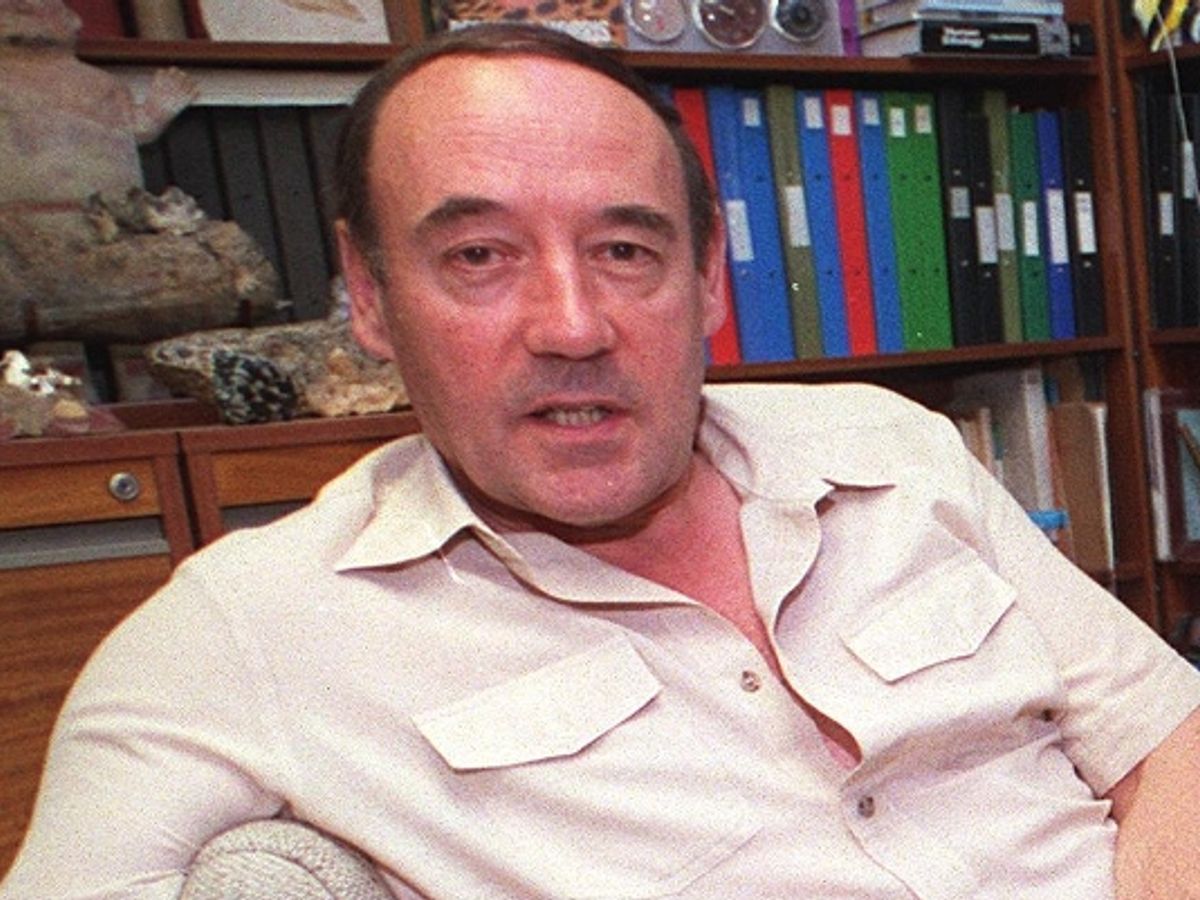
Desmond Morris, a legendary figure in the world of zoology and television, has died at the age of 98. Known for his pioneering work in animal behavior and his charismatic presence on the BBC, Morris’s passing marks the end of an era for natural history enthusiasts worldwide. His contributions to science, television, and art have left an indelible mark, inspiring countless fans and professionals alike.
Remembering Desmond Morris: The BBC Presenter and Zoologist
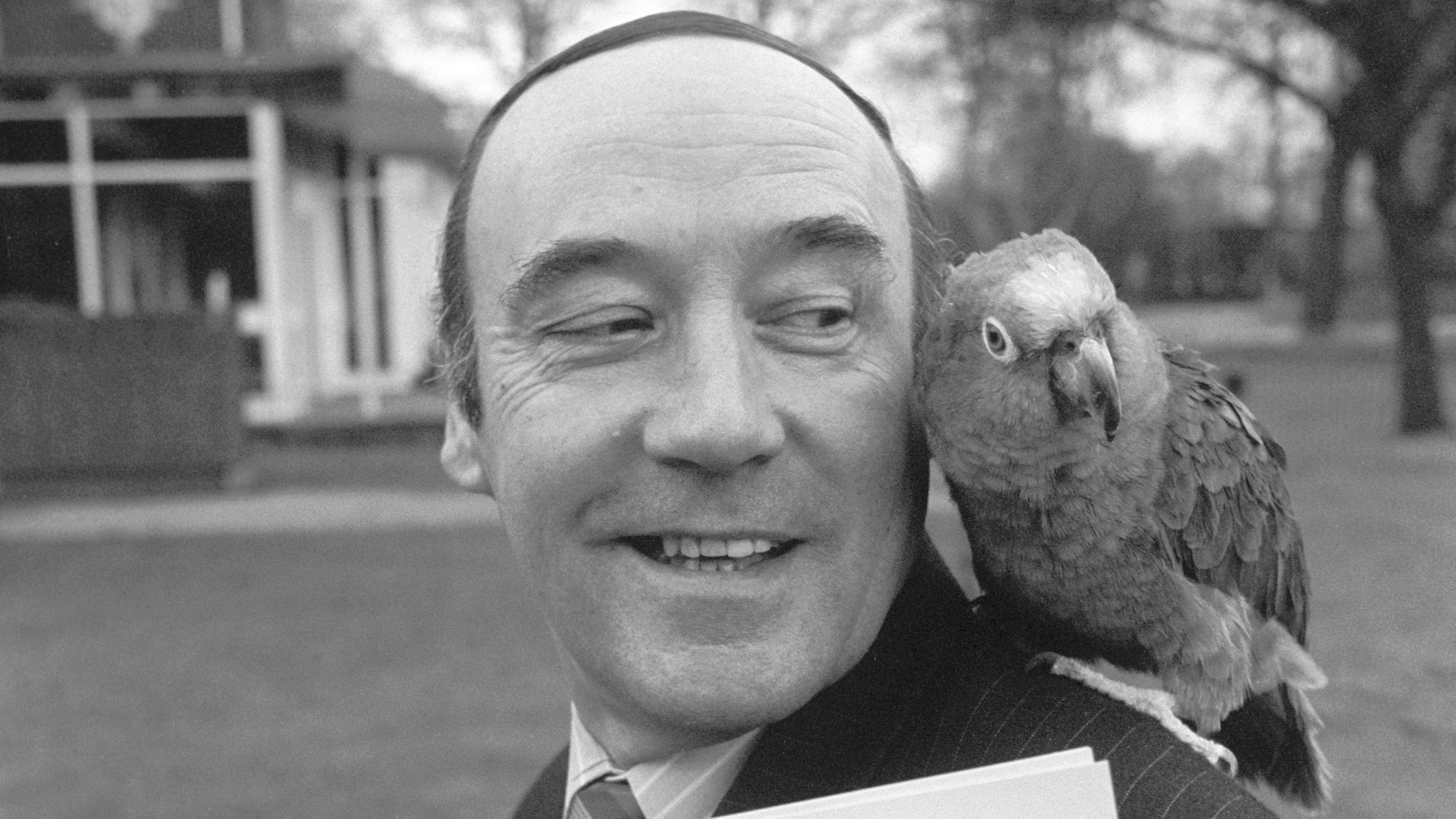
Born in Wiltshire in 1928, Desmond Morris developed a fascination with the animal kingdom from an early age. After serving in the British Army following World War II, he pursued zoology at the University of Birmingham. His academic journey culminated in a doctorate in animal behavior from Oxford University, where he conducted significant research on the reproductive habits of birds.
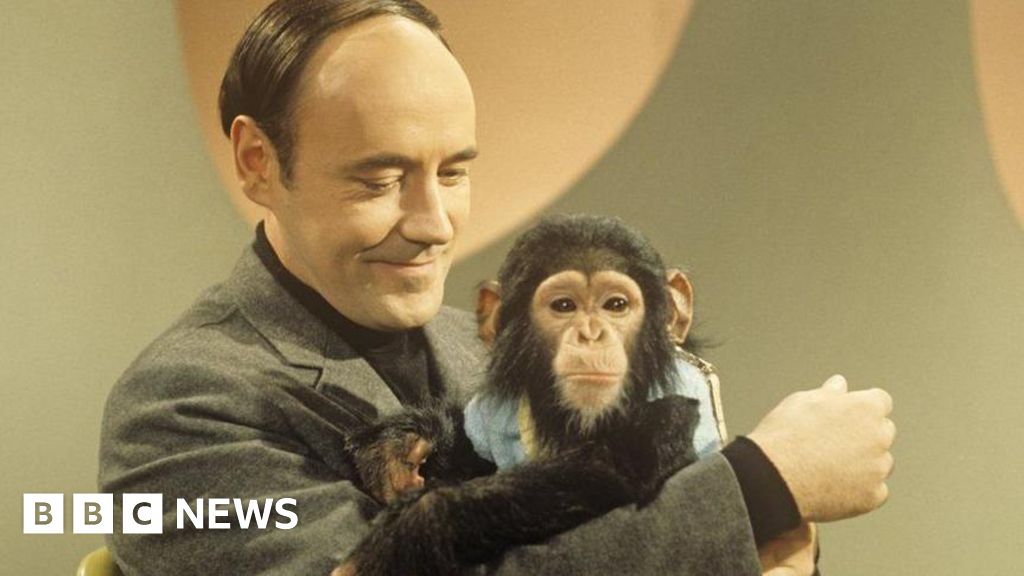
Morris’s expertise and passion for animals soon transitioned into a successful television career. He became a household name through his work on the BBC, particularly with the popular series Zoo Time. Over the years, he hosted more than 500 episodes, captivating audiences with his insightful and engaging presentations. His ability to communicate complex scientific concepts in an accessible manner helped popularize zoology and natural history.
In addition to Zoo Time, Morris presented the acclaimed BBC Two program Life in the Animal World, further cementing his status as a leading figure in wildlife broadcasting. His unique approach combined scientific rigor with a warm, approachable style that resonated with viewers of all ages.
Desmond Morris’s Multifaceted Legacy: Zoologist, Author, and Artist
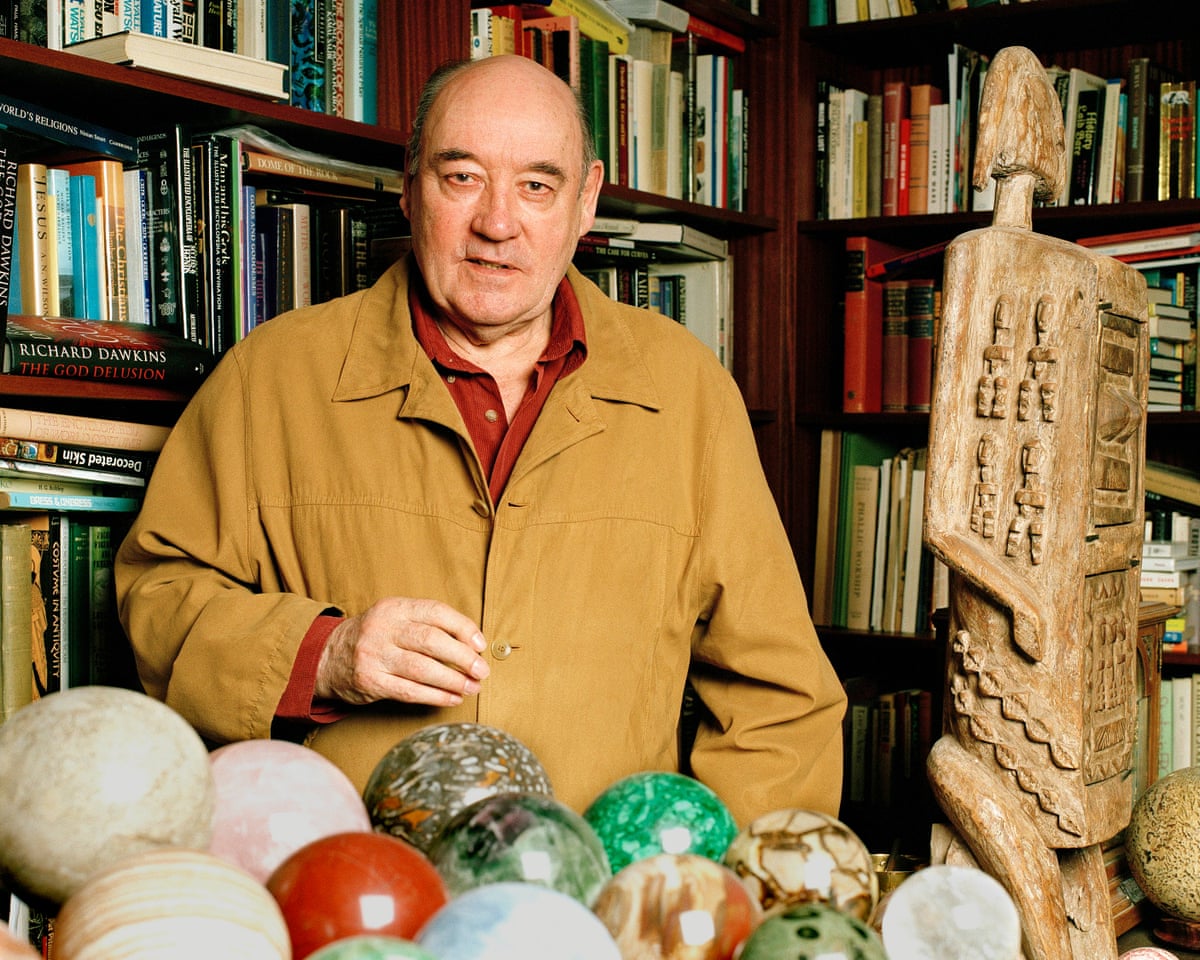
Beyond his television career, Desmond Morris was also a prolific author and a talented surrealist painter. His 1967 bestseller, The Naked Ape, brought him international recognition by exploring human behavior through the lens of zoology. This groundbreaking work challenged conventional views and opened new avenues for understanding humanity’s place in the animal kingdom.
Morris’s artistic talents were equally notable. As a key figure in the British Surrealist movement of the 1950s, he merged biological forms with creative imagination on canvas, producing works that reflected his deep connection to nature and science. His paintings and writings together illustrate a rare blend of scientific insight and artistic expression.
His personal life was marked by a long residence in Ireland, where he lived following the death of his wife, Ramona, in 2018. Throughout his life, Morris remained dedicated to exploring and sharing the wonders of the natural world.
Tributes and Reflections on the Life of Desmond Morris
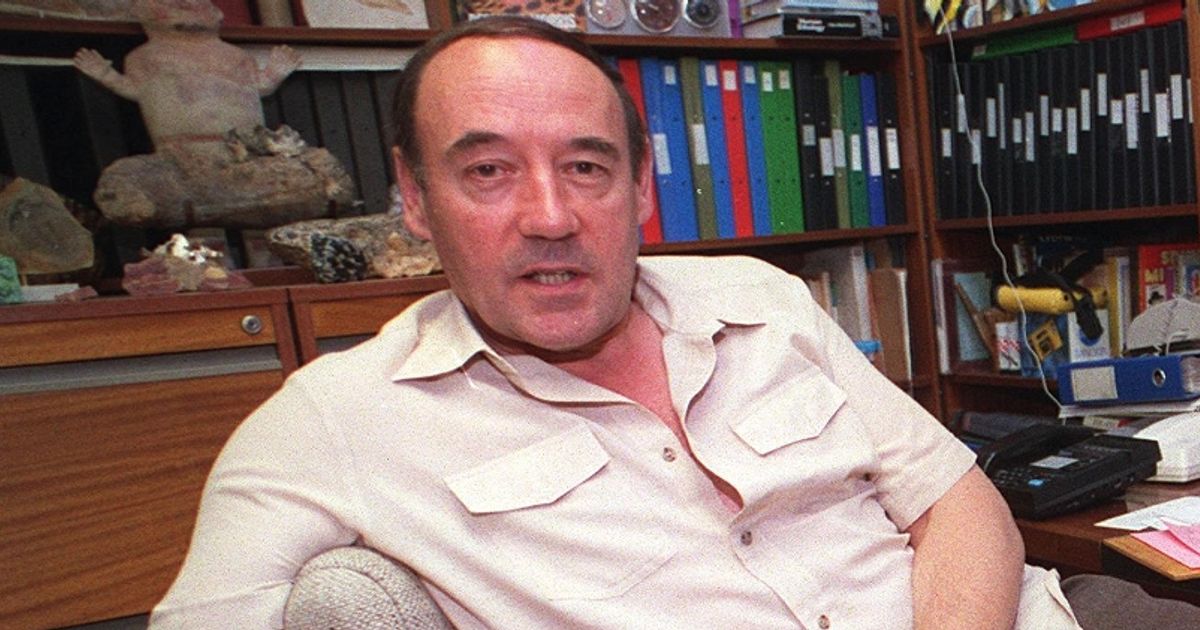
News of Desmond Morris’s death has sparked a wave of tributes from fans, colleagues, and admirers across social media platforms. Many remember him as a “wonderful” personality who inspired curiosity and respect for animals. One fan recalled fondly, “I loved watching him present Zoo Time on TV when I was a child,” highlighting the lasting impact of his work on generations.
Others praised his diverse talents, noting his contributions not only to zoology but also to art and literature. Comments on platforms like X (formerly Twitter) expressed sorrow and admiration: “RIP, wonderful Desmond Morris at the grand old age of 98. Zoologist, ethnologist, one of Britain’s foremost surrealist artists, and cat fan.” Another user shared a personal anecdote, reflecting on a chance encounter with Morris in Oxford and the playful notion of exhibiting “ape-like behavior.”
These tributes underscore the broad influence Morris had, touching lives through science, education, and creativity.
The Enduring Influence of Desmond Morris on Natural History and Media
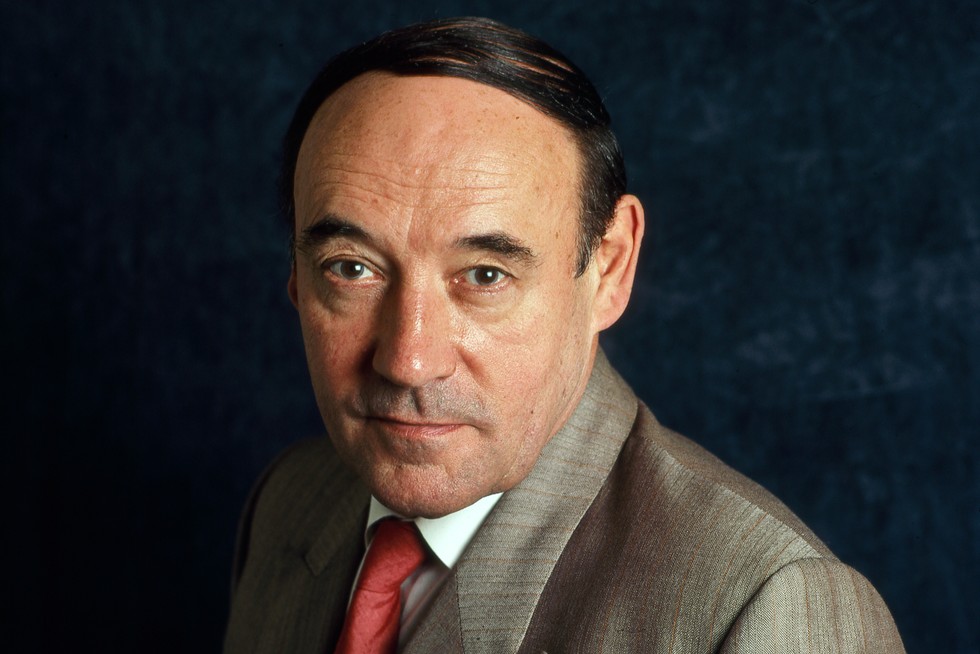
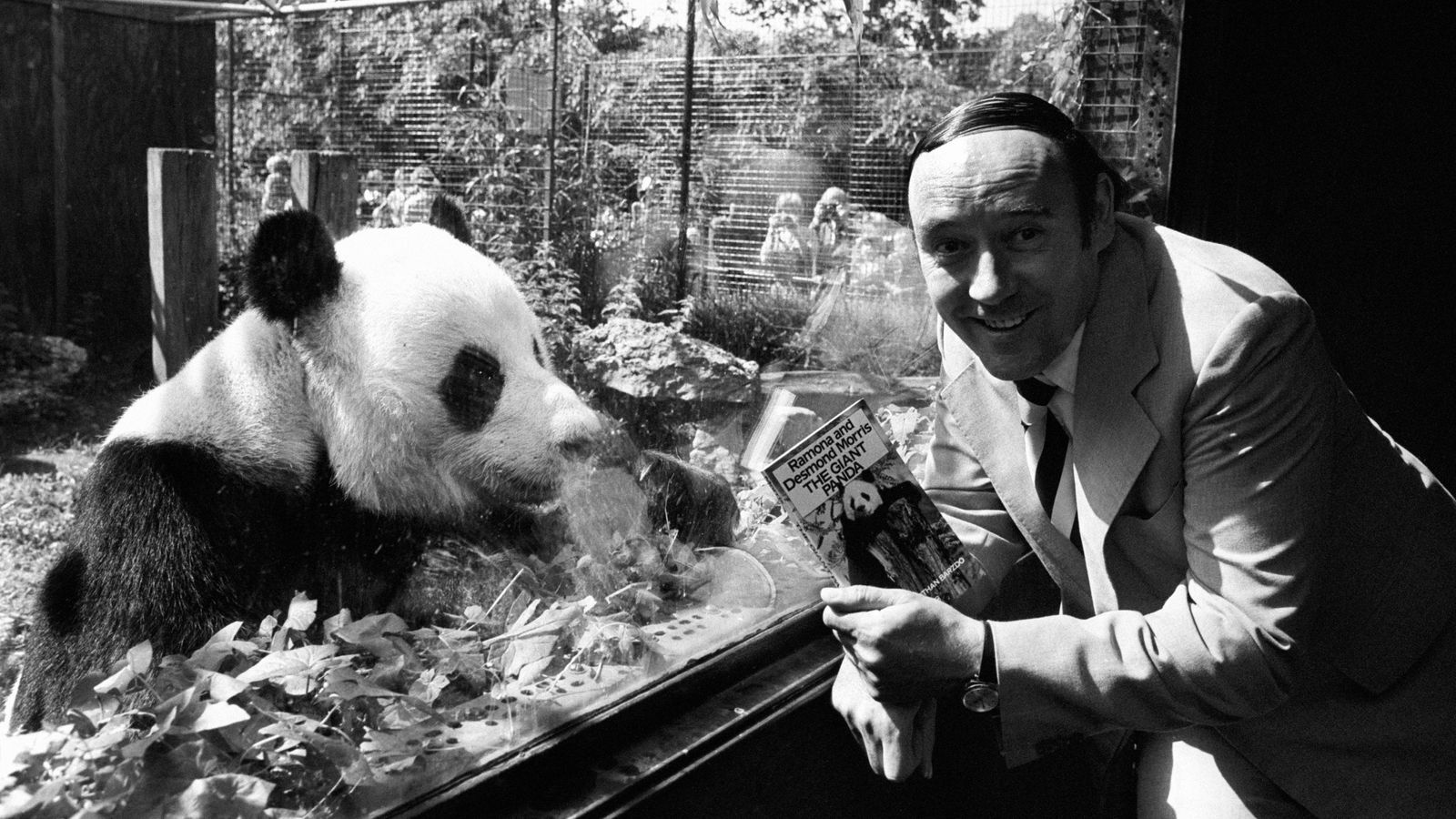
Desmond Morris’s career exemplifies the powerful intersection of science and media. His ability to bring zoology to the public eye helped foster a greater appreciation for animal behavior and conservation. By hosting programs like Zoo Time and Life in the Animal World, he made natural history accessible and entertaining, paving the way for future wildlife presenters.
His writings continue to be referenced in academic circles and popular culture, while his artistic works remain celebrated for their originality and depth. Morris’s legacy is one of curiosity, creativity, and a profound respect for the natural world.
Conclusion
Desmond Morris’s passing is a significant loss to the fields of zoology, broadcasting, and art. His pioneering spirit and dedication to educating the public about the animal kingdom have left a lasting legacy that will continue to inspire future generations. As fans and colleagues remember his remarkable life, it is clear that his contributions transcended disciplines and touched many lives.
If you want to explore more about the fascinating world of zoology and natural history, stay tuned to our updates and dive into the works of iconic figures like Desmond Morris. Celebrate his legacy by sharing your favorite memories or discoveries inspired by his work.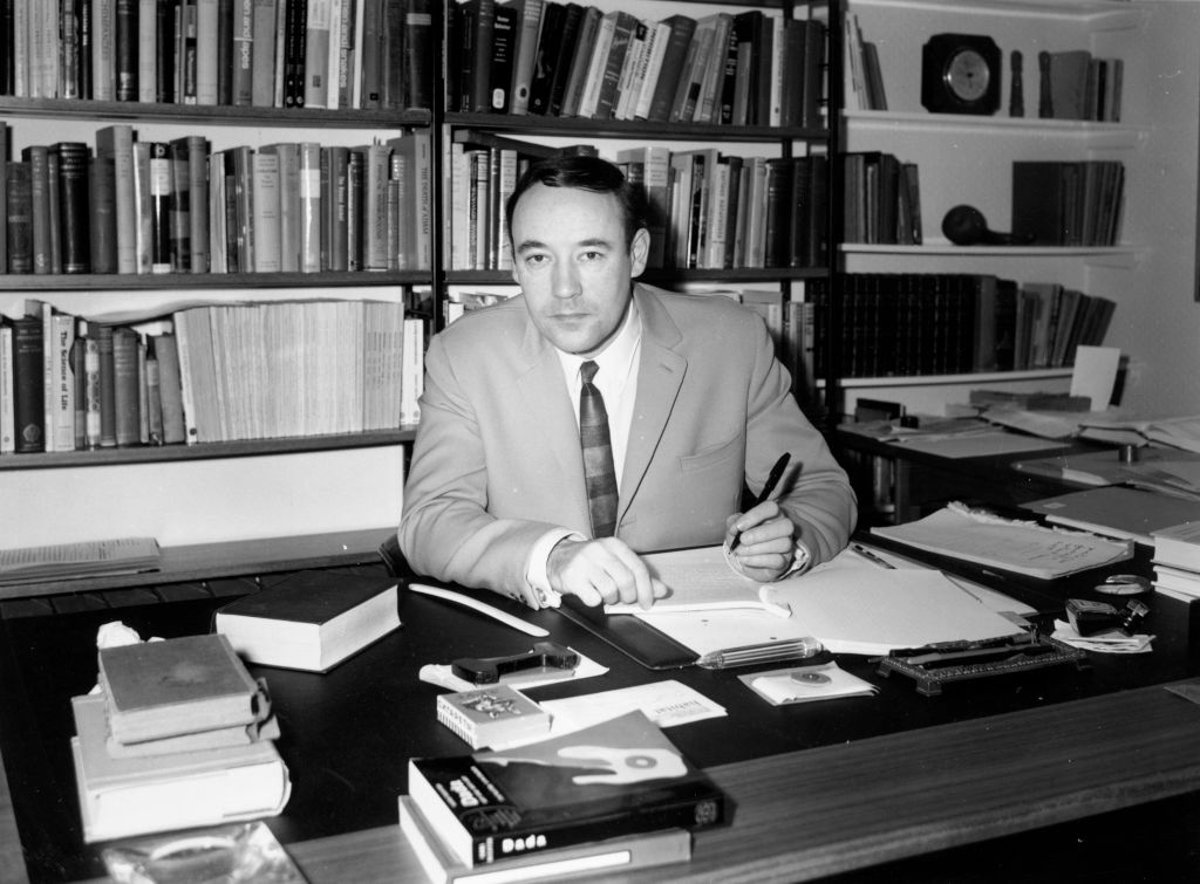
Leave a Reply