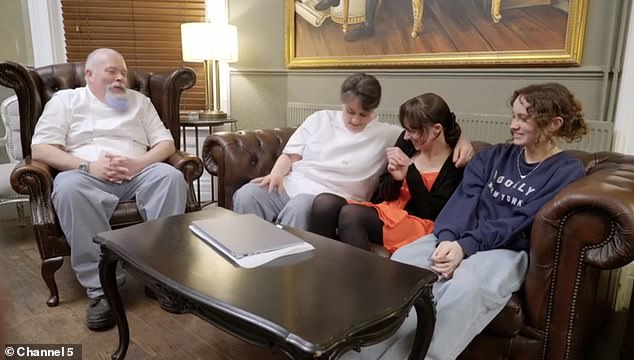
Rich House Poor House Family Break Major Show Rule as They Fume ‘This Is Not a Home’ After Moving Into Sprawling 11-Bedroom Property
The popular Channel 5 series Rich House Poor House has long captivated audiences by showcasing the stark contrasts between families from vastly different financial backgrounds. However, in a recent episode, one family broke a major show rule and sparked controversy by openly expressing their dissatisfaction after moving into a lavish 11-bedroom property. Their blunt statement, “this is not a home,” has left viewers questioning the true meaning of comfort and belonging, even in the most luxurious settings.

Rich House Poor House Family Breaks Major Show Rule
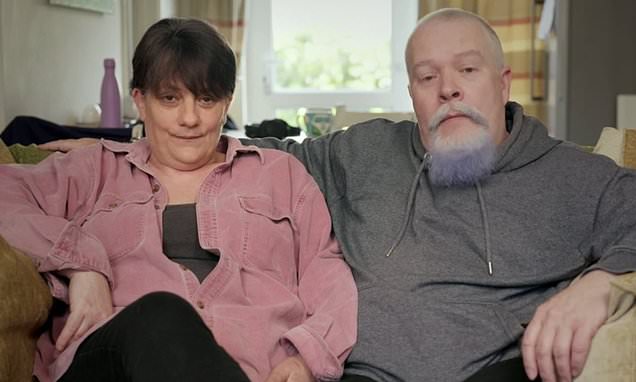
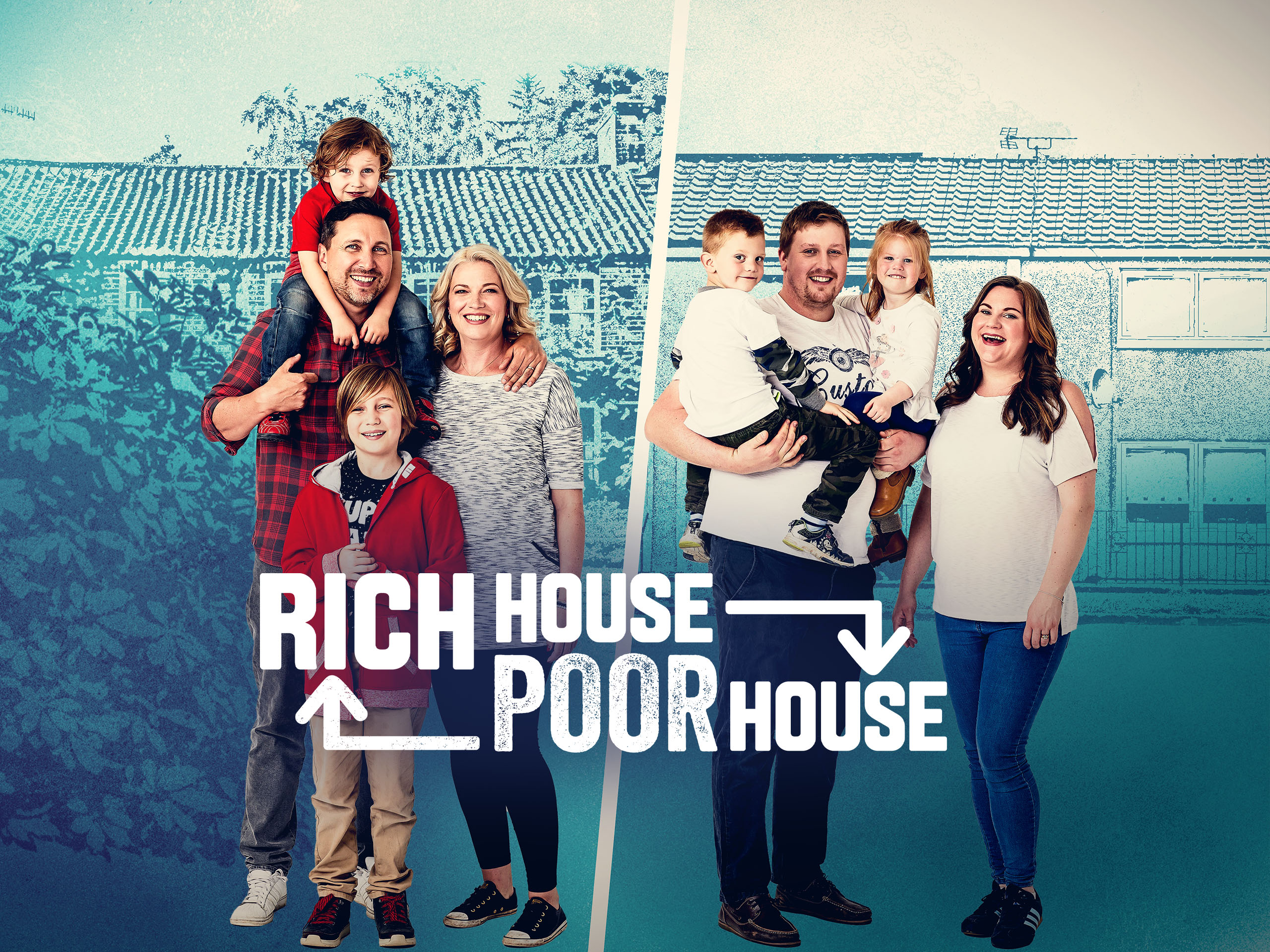
Rich House Poor House has been a staple of British television since its debut in 2017, providing a unique glimpse into the lives of families living at opposite ends of the financial spectrum. The premise is simple yet powerful: two families swap homes and budgets for a week, experiencing firsthand the challenges and luxuries of each other’s lifestyles.
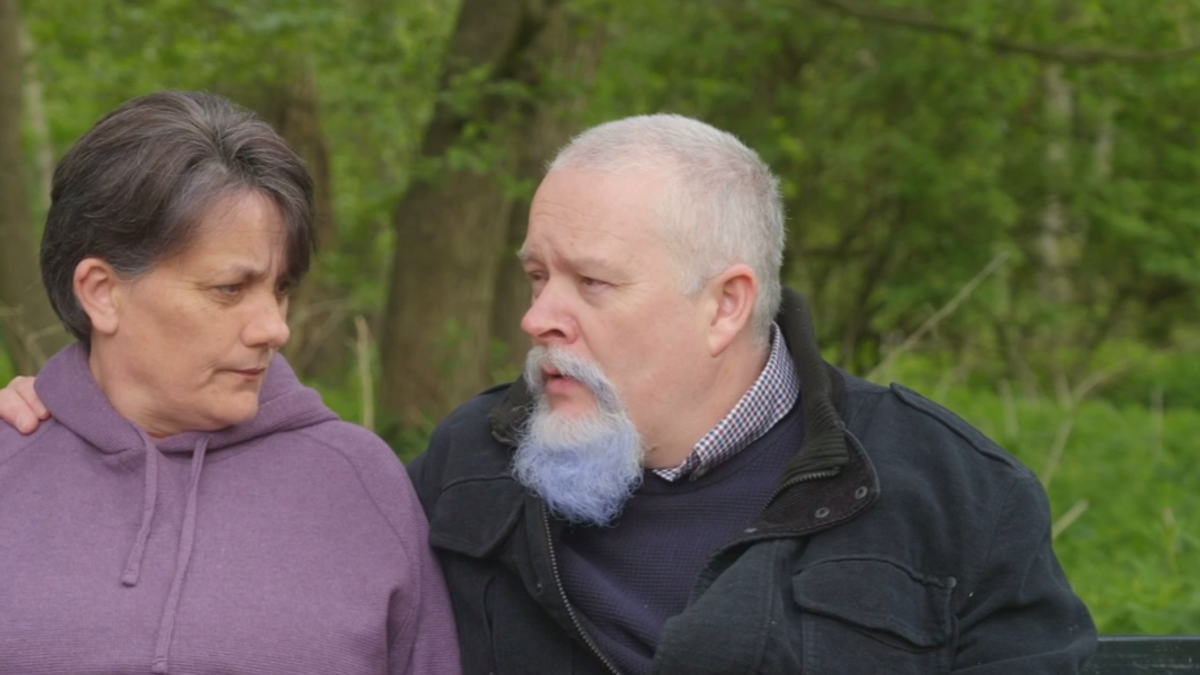
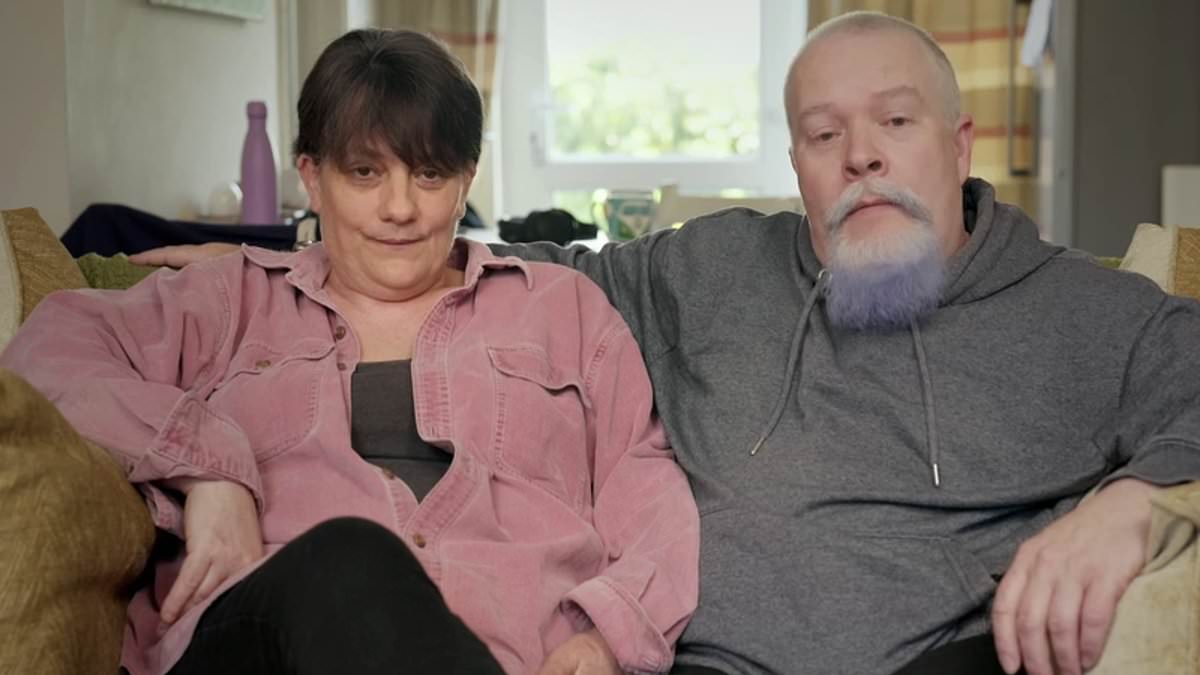
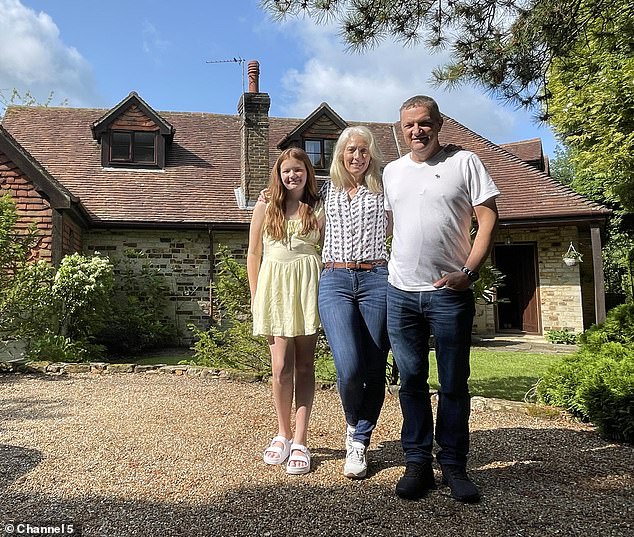
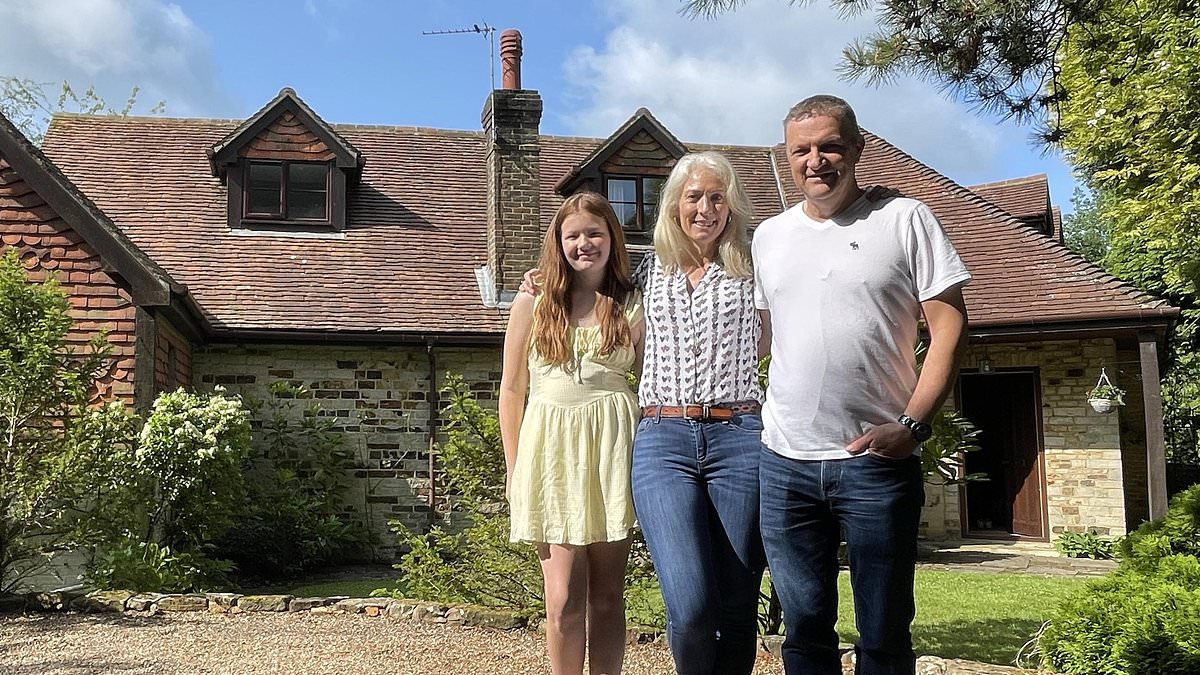
In the latest episode, the Bloor family, who live modestly in a three-bedroom rented terrace house in Norfolk, swapped homes with millionaire hotel owners Gez and Rosy Chetal. The Bloor family, consisting of John, Ann, and their three children, manage their household on a tight budget, with just £79 per week for essentials beyond their basic bills. John works long hours as a bus driver, while Ann is employed as a cook in a mental health care home, both striving to make ends meet.
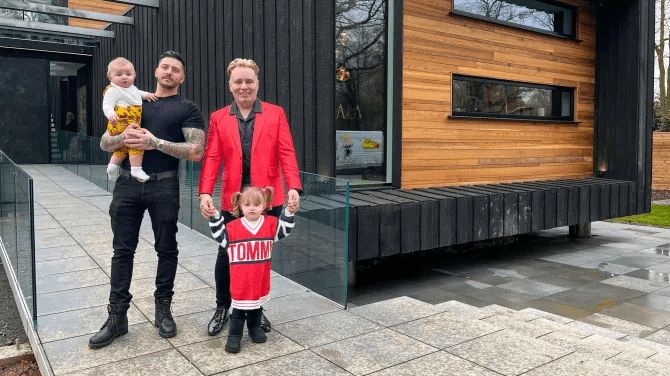
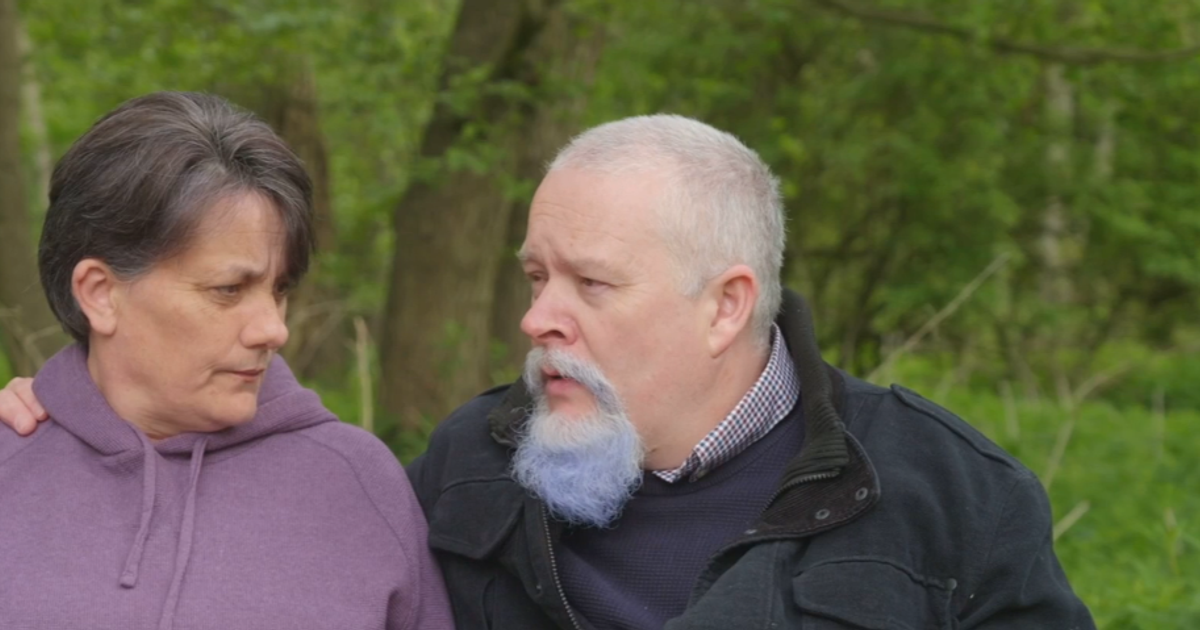
Upon moving into the Chetals’ sprawling £1.7 million, 11-bedroom estate, the Bloor family was expected to embrace the luxury and grandeur of their temporary home. However, they quickly voiced their discomfort, breaking the unspoken rule of the show that participants should appreciate the experience, regardless of personal feelings. Their candid remark, “this is not a home,” highlighted their struggle to connect with the vast and impersonal space.

Why the Family Felt the 11-Bedroom Property Wasn’t a Home
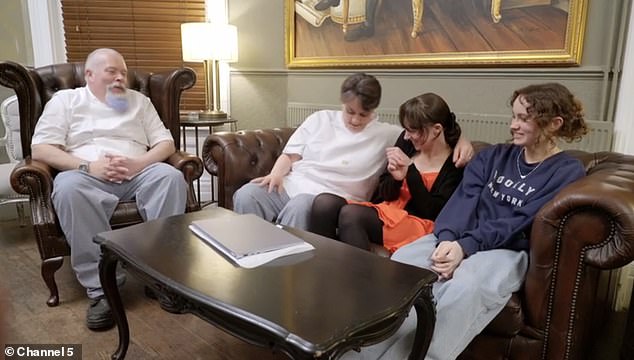
Despite the undeniable luxury of the Chetals’ property, the Bloor family’s reaction sheds light on an important aspect often overlooked in discussions about wealth and comfort: the emotional connection to a living space. For the Bloors, a home is more than just square footage or expensive furnishings—it’s about warmth, familiarity, and a sense of belonging.
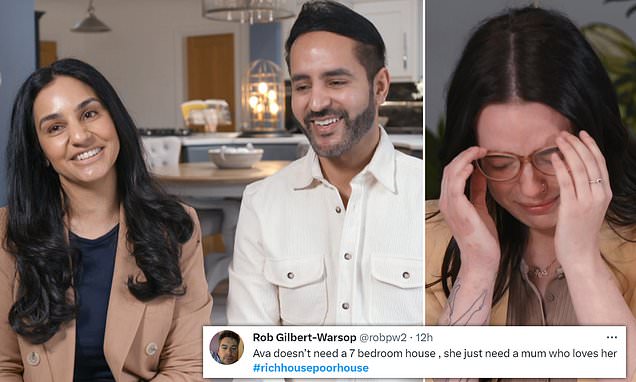
The 11-bedroom mansion, while impressive, felt cold and overwhelming to the family. The sheer size of the property made it difficult for them to envision daily life there, especially with young children who are used to a more intimate and cozy environment. The lack of personal touches and the grandeur that comes with such a large estate contributed to their feeling of alienation.
Moreover, the family’s budget-conscious lifestyle meant they were accustomed to making the most out of limited resources, valuing simplicity and practicality over extravagance. This contrast made the opulence of the Chetal home feel less like a sanctuary and more like a showpiece, reinforcing their sentiment that “this is not a home.”
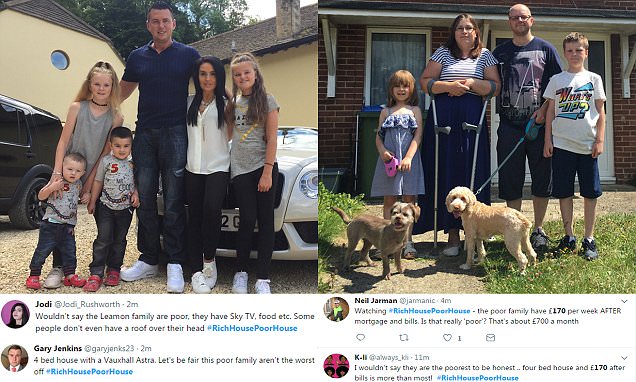
The Impact of the Swap on Both Families

The home swap experience on Rich House Poor House is designed to foster empathy and understanding between families from different economic backgrounds. For the Bloor family, living in the Chetals’ mansion was an eye-opening experience that highlighted the complexities of wealth beyond material possessions.
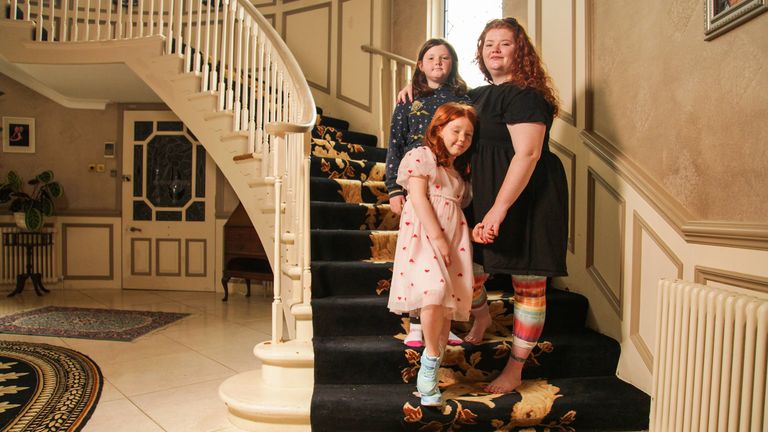
Conversely, the Chetals experienced the Bloors’ modest lifestyle, gaining insight into the challenges of budgeting on a limited income and the value of close-knit family living. This exchange not only entertained viewers but also sparked meaningful conversations about what truly defines a home.
While the Bloor family’s frankness about their discomfort broke the usual decorum of the show, it also added authenticity to the narrative. Their honest reaction reminded audiences that luxury does not automatically equate to happiness or comfort, and that the essence of a home lies in the emotional bonds and memories it fosters.
What This Means for Future Episodes of Rich House Poor House
The recent episode’s deviation from the typical positive portrayal of home swaps could signal a shift in how Rich House Poor House approaches its storytelling. By allowing participants to express genuine feelings—even if they challenge the show’s usual narrative—the series may offer a more nuanced and realistic depiction of wealth disparities.
This candidness can enhance the show’s appeal by resonating with viewers who understand that luxury living is not always synonymous with happiness. It also opens the door for deeper discussions about housing, family dynamics, and the psychological impact of one’s environment.
As the show continues to explore the contrasts between rich and poor households, embracing such honest reactions could enrich the viewer experience and provide valuable lessons about empathy and the true meaning of home.

Final Thoughts on the Rich House Poor House Family’s Experience
The Bloor family’s experience on Rich House Poor House serves as a powerful reminder that home is a deeply personal concept, shaped by more than just physical space or financial status. Their statement, “this is not a home,” challenges the assumption that bigger and more expensive always means better.
For viewers, this episode offers a fresh perspective on the complexities of wealth and the importance of emotional connection in creating a sense of belonging. It also highlights the courage it takes for participants to be honest about their feelings on national television, breaking the mold of typical reality TV reactions.

Conclusion

The recent Rich House Poor House episode where a family broke a major show rule by expressing their discomfort in a sprawling 11-bedroom property has sparked important conversations about what truly makes a house a home. Their honest reaction reminds us that comfort and belonging come from emotional connections rather than luxury alone.

If you enjoyed this insight into the realities behind the scenes of Rich House Poor House, be sure to follow our blog for more updates and in-depth analyses of your favorite shows. Don’t miss out on the latest stories—subscribe now and stay informed!
Leave a Reply