
Why ‘Michael’ Doesn’t Address Child Abuse Claims Against Michael Jackson
Understanding the Creative Choice Behind ‘Michael’ and the Child Abuse Allegations
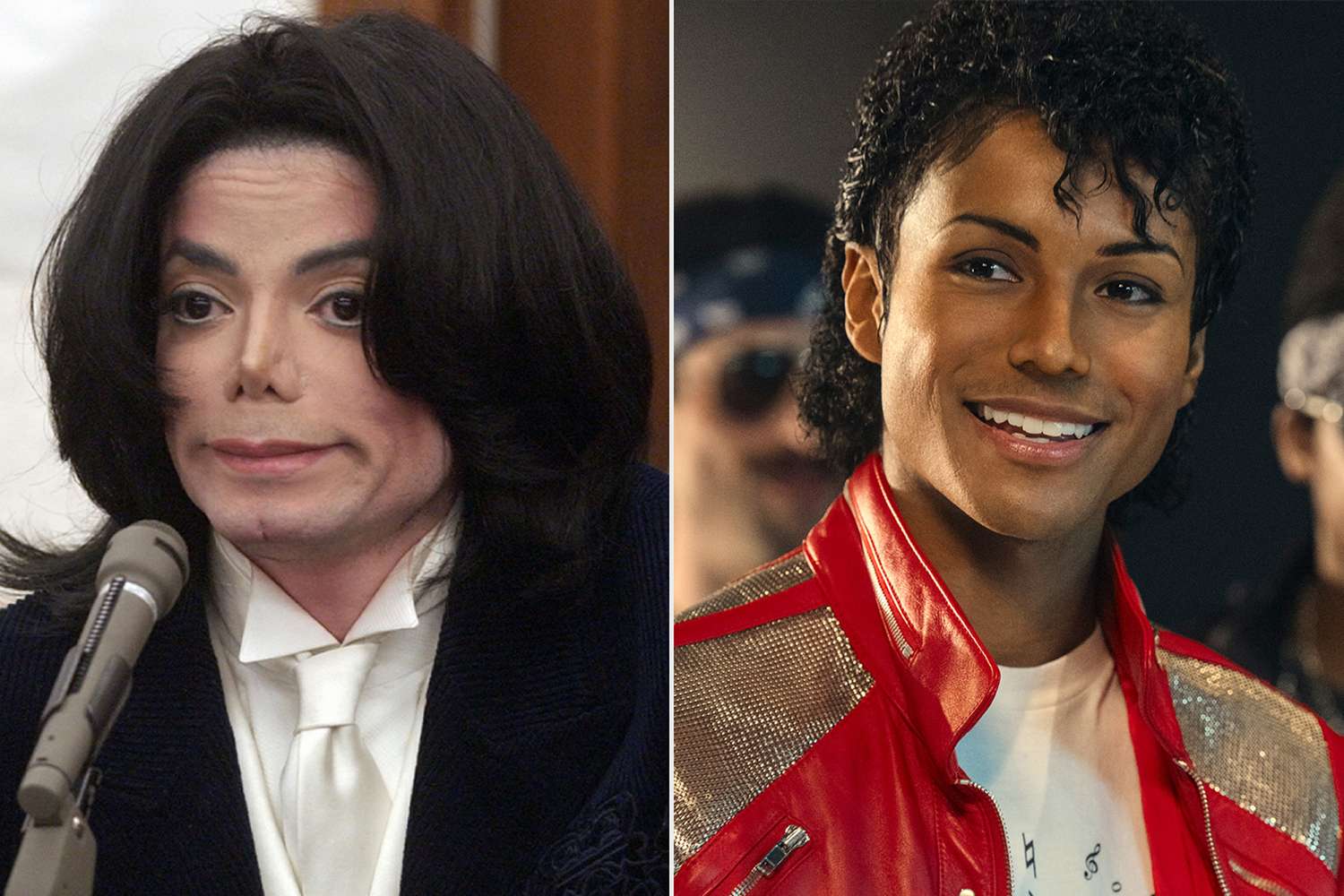
The recent biopic titled Michael, directed by Antoine Fuqua, has sparked considerable discussion for its decision to omit the long-standing child sexual abuse allegations against Michael Jackson. This omission has left many viewers wondering why such a significant and controversial part of Jackson’s life was excluded from the film’s narrative. In an insightful interview with Deadline, Fuqua shed light on the reasoning behind this creative choice, emphasizing the film’s focus and the complexities involved in portraying such a multifaceted figure.
The Focus on Michael Jackson’s Rise and Humanity
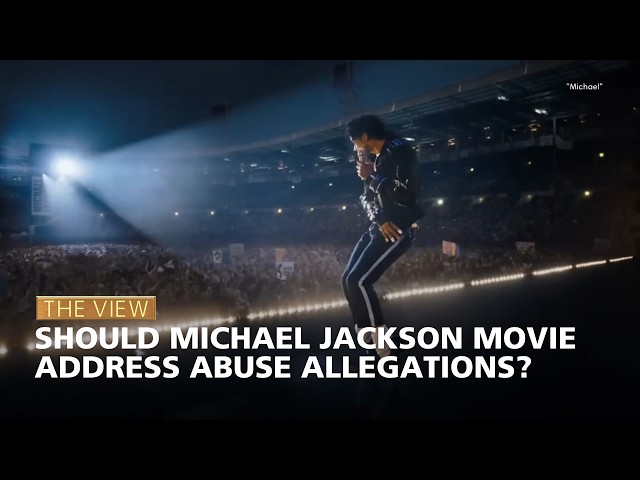
Antoine Fuqua explained that the film’s title, Michael, guided the storytelling approach. The filmmakers aimed to concentrate on Michael Jackson as a person and artist rather than delve into the controversies that later clouded his legacy. Fuqua described the process as a challenging one, involving numerous discussions with producer Graham King and screenwriter John Logan. They ultimately decided that the film should highlight Jackson’s journey from his early days with the Jackson 5 to his emergence as the King of Pop.
Fuqua stated, “The movie is called Michael so you have to focus on Michael. Unless you can truly take your time, let’s go back to the beginning and really show people who he was on the stage. He’s a superhero on the stage.” This approach was intended to evoke empathy and present Jackson as a human being with flaws, shaped by his experiences, including the emotional and physical abuse he endured from his father.
Legal and Narrative Constraints Impacting the Film’s Scope
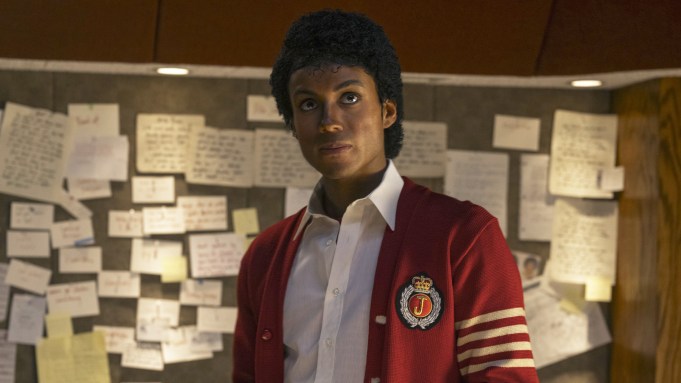
One of the critical reasons the film does not explore the child abuse allegations is due to legal restrictions. The original version of Michael intended to cover the 1993 scandal involving Jordan Chandler, a then-13-year-old who accused Jackson of abuse. However, the filmmakers discovered a clause in the settlement agreement between Jackson and the Chandlers that prohibited any dramatization of the family’s story. This legal barrier forced the producers to alter the film’s third act and exclude this chapter from the biopic.
Fuqua noted that the film ends in 1988, five years before the allegations surfaced publicly. This timeline choice was deliberate to provide audiences with a foundation for understanding Michael Jackson’s personality and the factors that shaped him before the controversies emerged. Fuqua emphasized that starting the film with the abuse allegations could alienate viewers unfamiliar with Jackson’s full story, as it would present an incomplete and out-of-context portrayal.
Potential for Future Exploration of Controversies
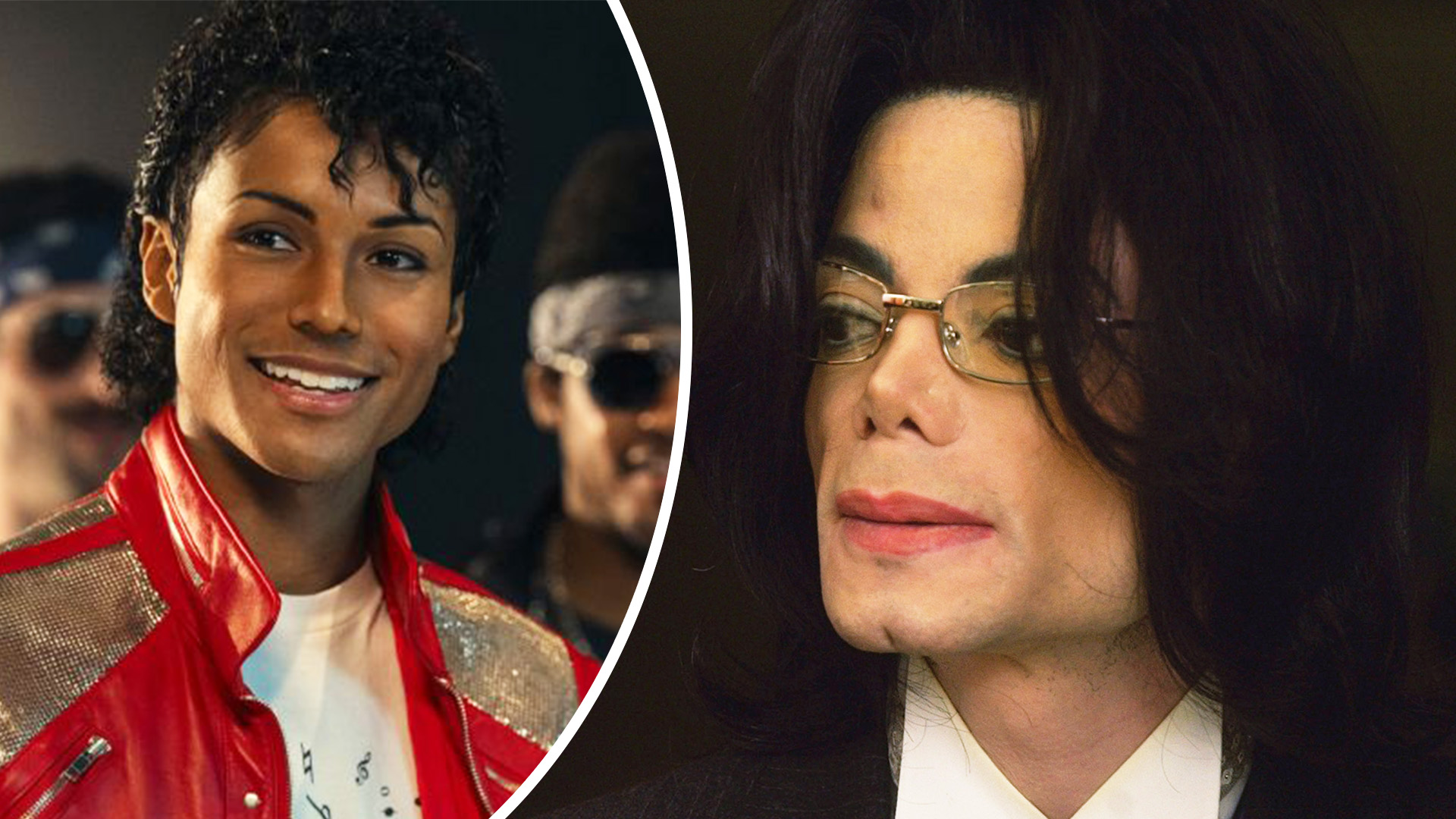
While Michael does not address the abuse claims directly, Fuqua hinted that these issues might be explored in a potential sequel. The filmmakers shot extensive footage covering the allegations and subsequent events, but much of it was left out of the final cut due to the constraints mentioned above.
The director explained, “We went pretty far. We went through the Jordan allegations we couldn’t use. We went farther than that. Maybe a year or two after that when things turned against Michael.” This suggests that future projects could provide a more comprehensive look at the controversies surrounding Jackson’s later life.
Contextualizing Michael Jackson’s Complex Legacy
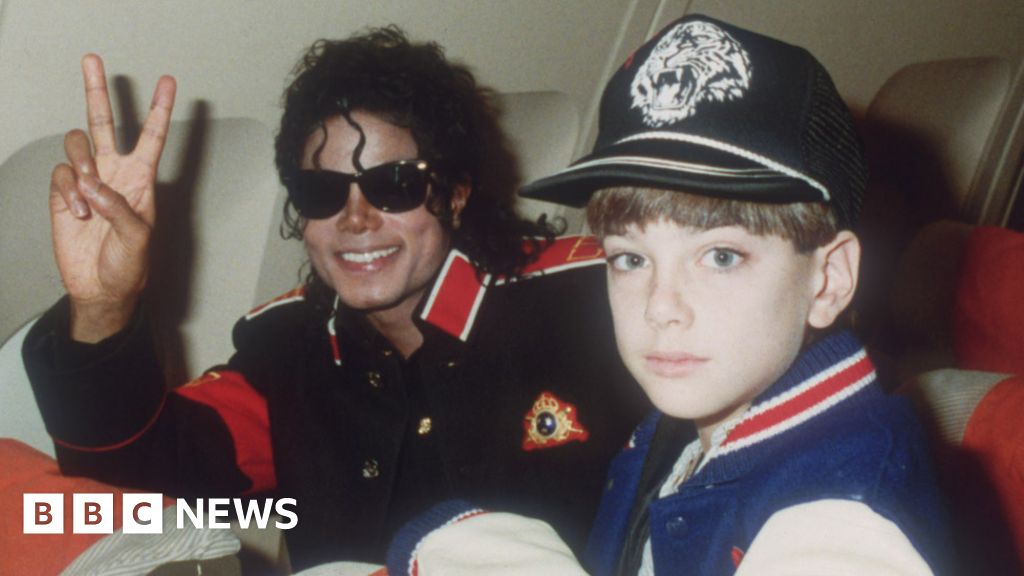
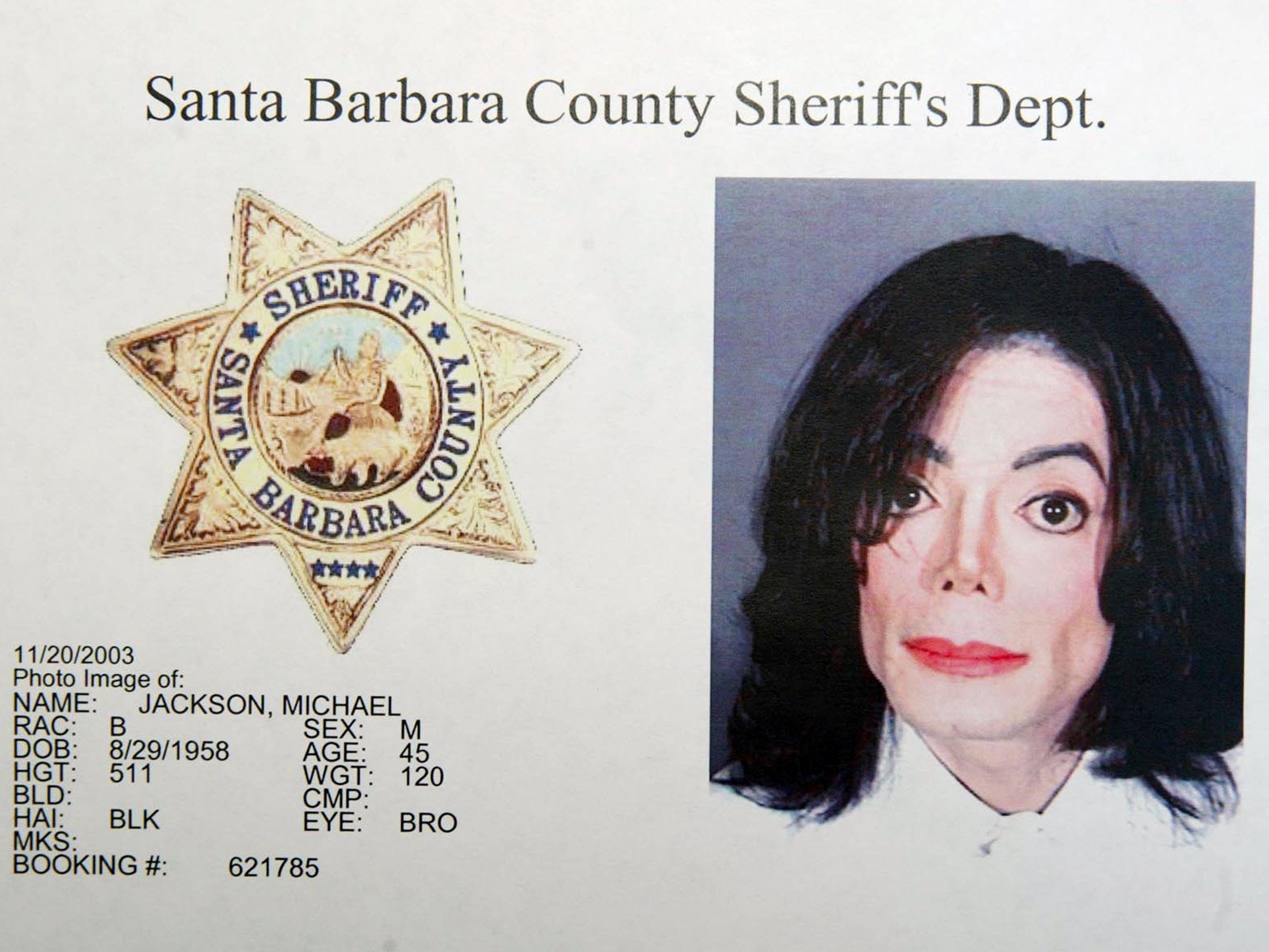
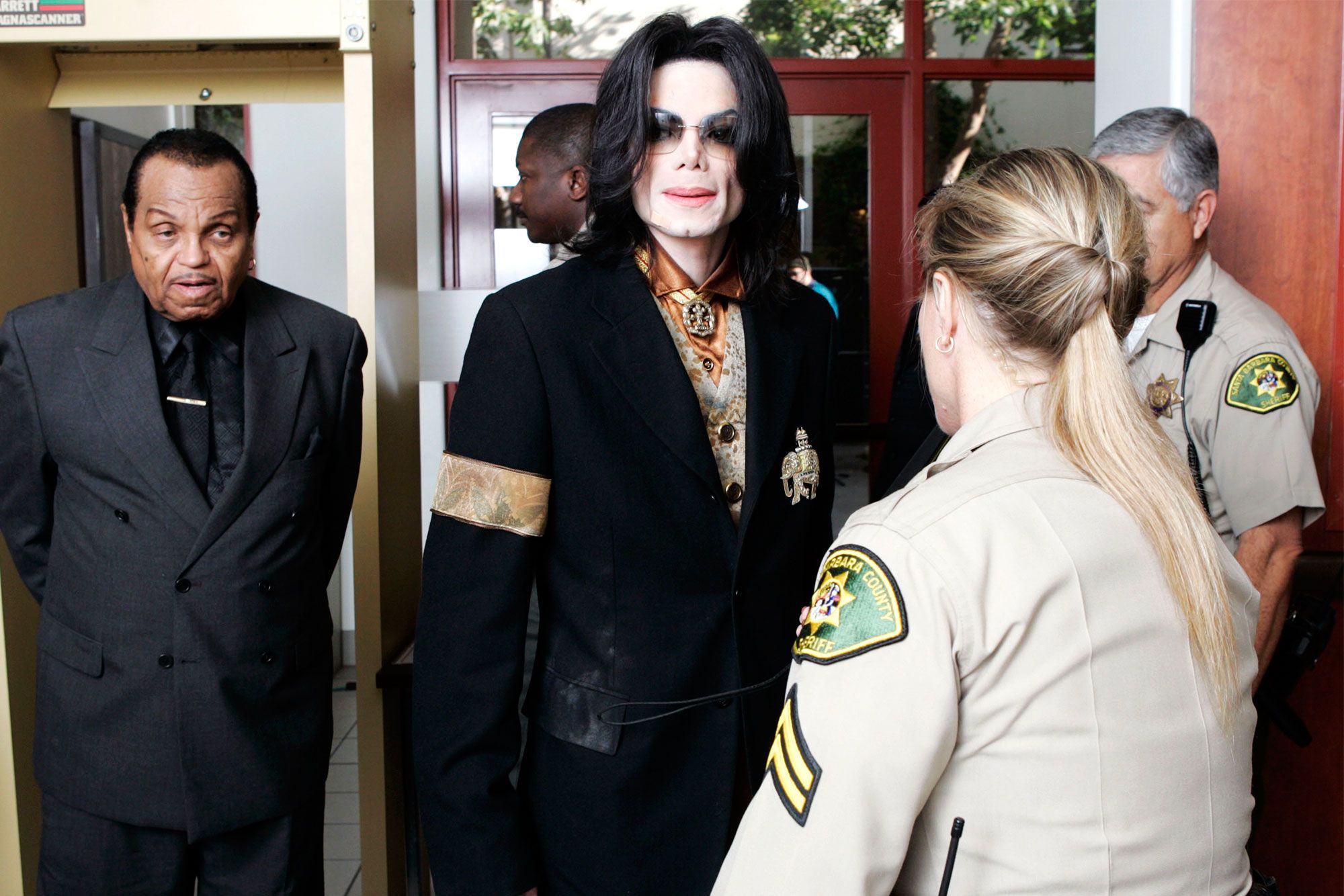
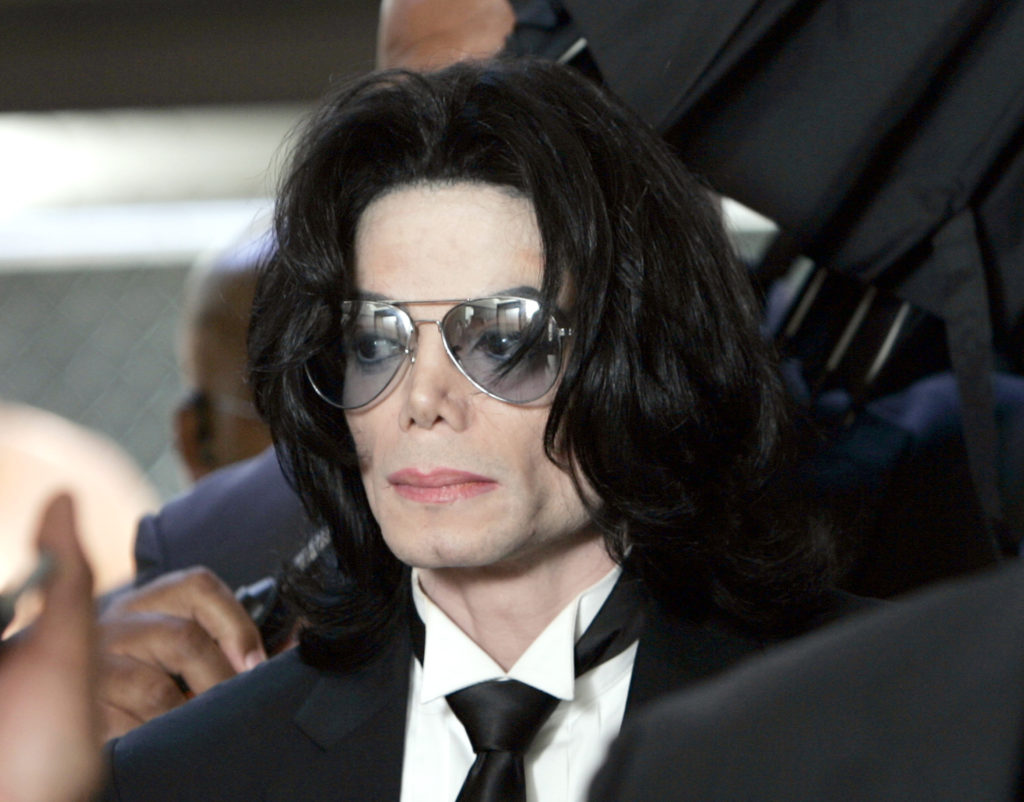
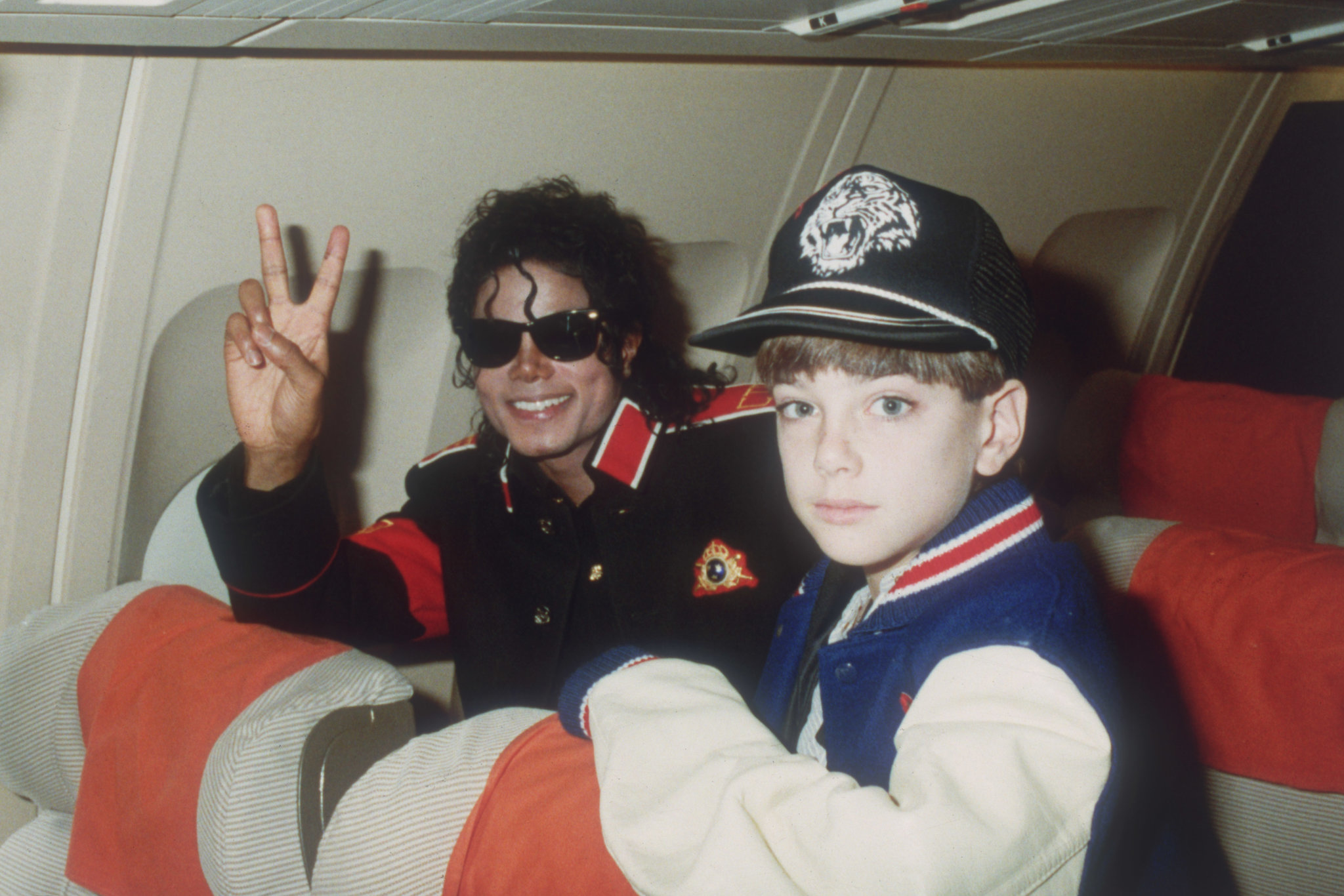
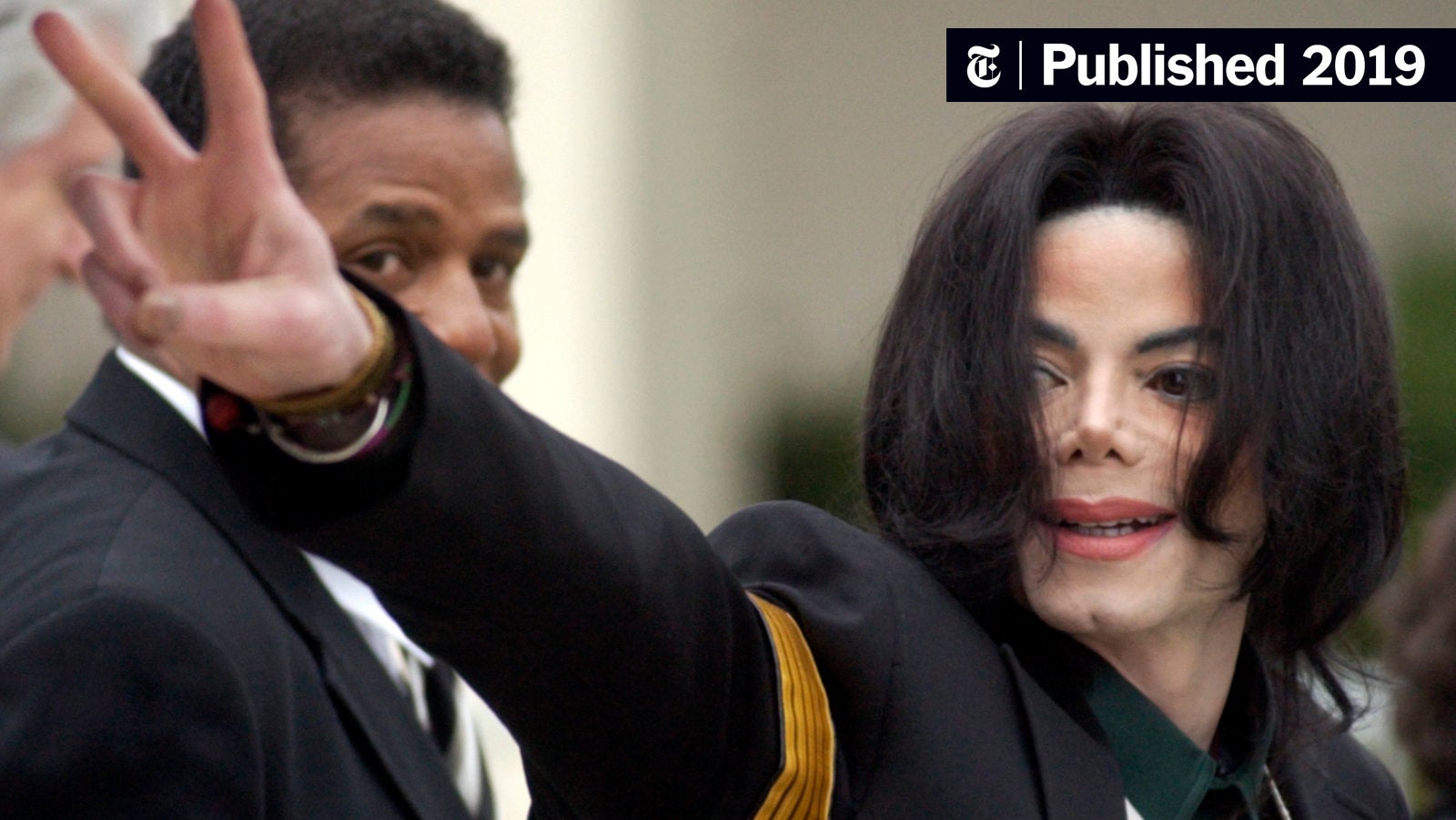
Michael Jackson’s legacy remains deeply complex and polarizing. He was acquitted of child molestation charges in a highly publicized 2005 trial, yet allegations continued to surface after his death in 2009. The 2019 HBO documentary Leaving Neverland reignited debates by presenting detailed claims from Wade Robson and James Safechuck. Jackson’s estate strongly condemned the documentary, calling it a “tabloid character assassination.”
Fuqua’s approach to the biopic reflects an attempt to balance the narrative by focusing on Jackson’s artistic achievements and personal struggles without ignoring the emotional abuse he endured in his childhood. This nuanced portrayal aims to humanize Jackson rather than reduce him solely to the allegations.
Conclusion

In summary, the biopic Michael chooses not to address the child abuse claims against Michael Jackson due to a combination of legal restrictions, narrative focus, and the desire to present a more empathetic and complete picture of the artist’s early life and rise to fame. Director Antoine Fuqua’s decision underscores the complexity of telling a story about a figure as controversial and multifaceted as Jackson. For those interested in a deeper exploration of the allegations, future projects may provide additional insights.
If you or someone you know is experiencing child abuse, it is crucial to seek help immediately. Contact the Child Help Hotline at 1-800-422-4453 for support and resources. Your safety and well-being matter.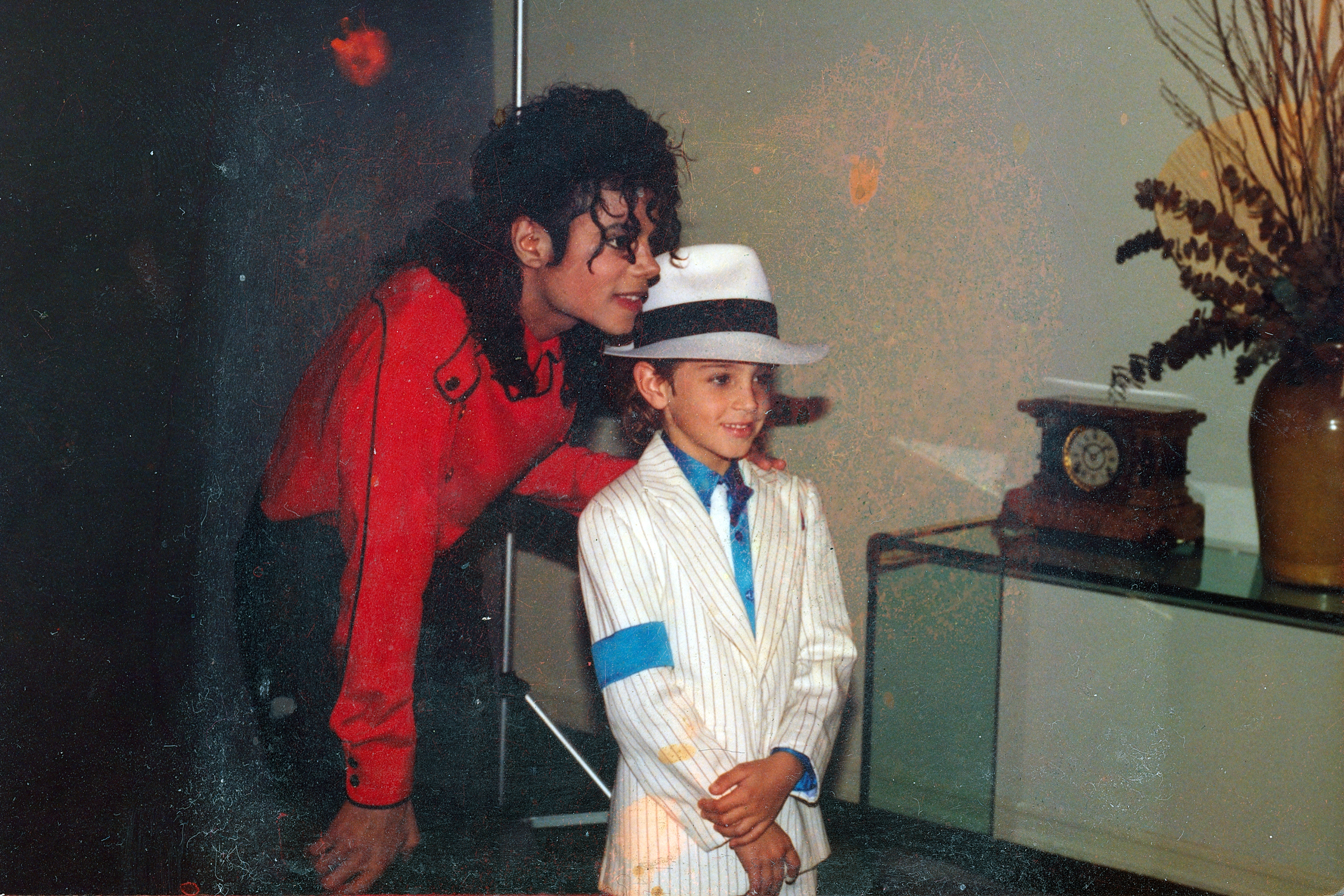

Leave a Reply