
EXCLUSIVE: How a Hit Liam Payne Song About Drunken Balcony Fall ‘Predicted’ His Death Five Years Before Drug-Addled Singer Plunged to His End
The Haunting Parallels Between Liam Payne’s Song and His Tragic Death

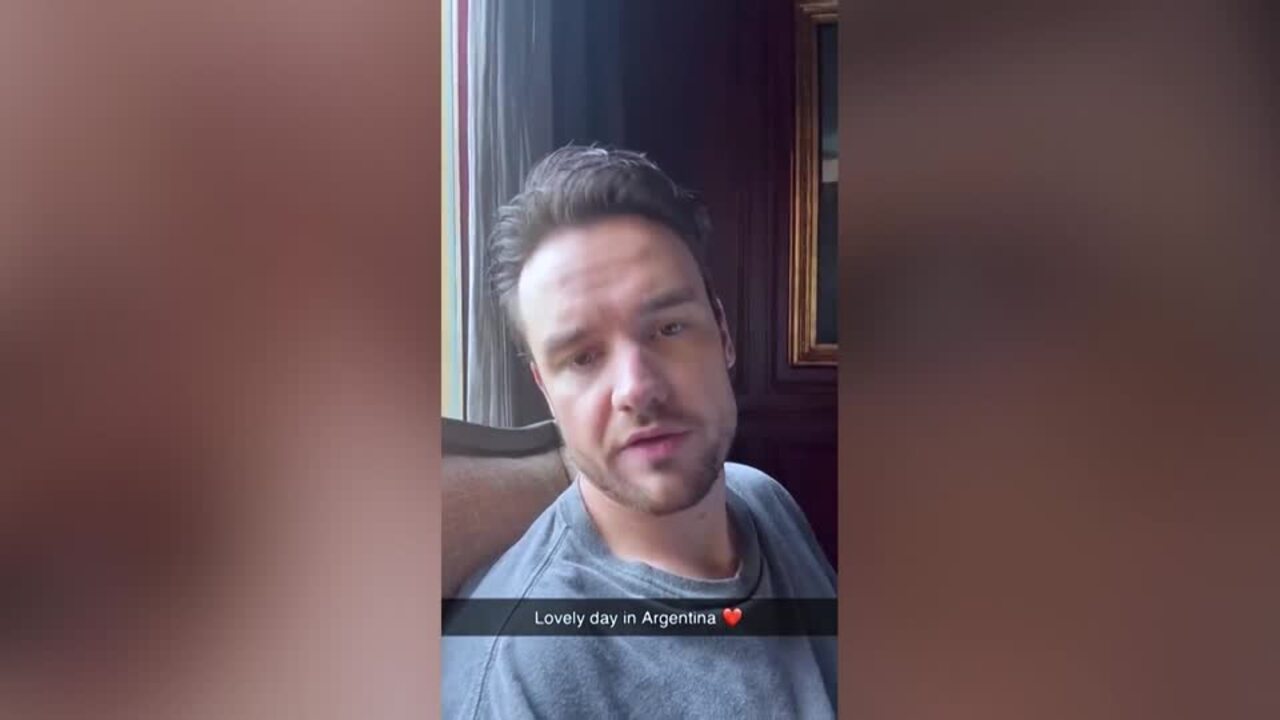
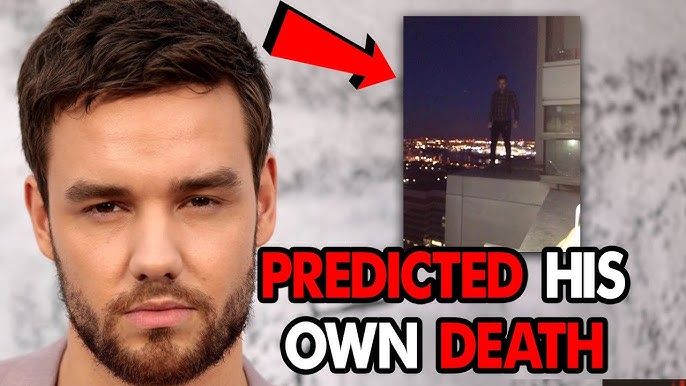
Liam Payne, the former One Direction star, remains in the spotlight not just for his musical legacy but for a disturbing revelation tied to one of his biggest solo hits. The 2019 song “Live Forever,” penned by songwriter Samuel Preston, has taken on a new, eerie significance following Payne’s untimely death in 2024. The singer tragically fell from a hotel balcony in Argentina amid a drug-fueled episode, an incident that mirrors the real-life event that inspired Preston to write the track five years earlier.
“Live Forever” was born from Preston’s own harrowing experience in 2017 when he suffered a near-fatal fall from a second-floor hotel balcony in Denmark after consuming excessive amounts of alcohol. The accident left him with multiple broken bones and a punctured lung, forcing a grueling recovery that included months in a wheelchair and extensive surgeries. The song was intended as a reflection on survival and a cautionary tale about the dangers of reckless behavior.
The uncanny similarity between the song’s origin and Payne’s death has left many, including Preston himself, deeply unsettled. Preston expressed his disbelief at the tragic symmetry, stating, “(I gave the song to Liam) and then he falls off a balcony and dies. There are certain things that happen in your life where you just cannot believe this is a real set of circumstances.”
Samuel Preston’s Personal Struggles and the Song’s Meaning

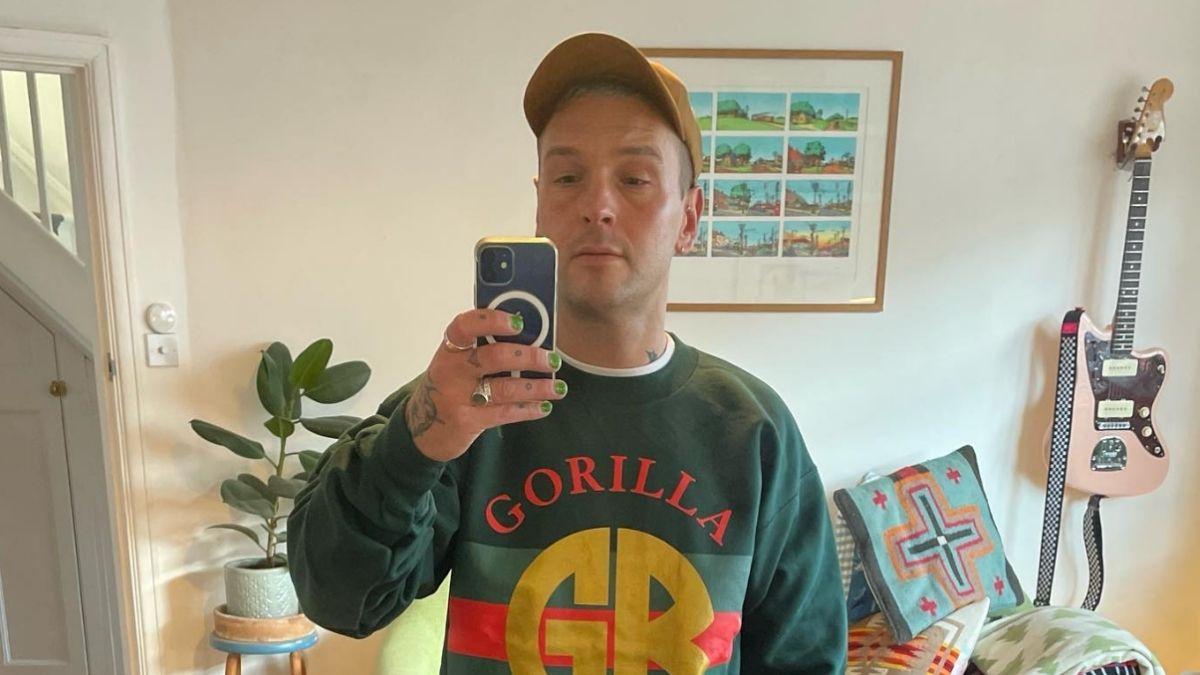
Samuel Preston, known for fronting the rock band The Ordinary Boys, has been open about the physical and psychological scars left by his accident. His fall was not just a physical trauma but a turning point that shaped his outlook on life and music. The pain and fear he endured inspired “Live Forever,” a song that carries a message of survival and the fragility of life.
Following his accident, Preston battled a dependency on painkillers, a struggle that added another layer of complexity to his recovery. He described this period as one filled with “dread and horror,” but ultimately, he overcame his addiction and emerged sober, though forever changed. This personal journey imbues the song with a raw authenticity that resonates deeply, especially in light of Payne’s fate.
Preston also reflected on his connection to Liam Payne, describing the late singer as “a very funny, sweet, kind guy. Misunderstood. A great talent.” He saw parallels between their lives, both marked by struggles with addiction and public scrutiny. Despite wishing he could have done more to help Payne, Preston acknowledged that intervention is difficult when someone isn’t ready to receive it.
The Impact of Liam Payne’s Death on Fans and Loved Ones

Liam Payne’s death sent shockwaves through the music world and among his fans worldwide. The tragic circumstances of his passing—falling from a hotel balcony during a drug-induced state—brought an intense spotlight on issues of addiction and mental health in the entertainment industry.
Sources close to Payne revealed that his partner, singer Cheryl, and their son Bear were “shaken to their core” by the loss. The tragedy has sparked conversations about the pressures faced by celebrities and the importance of support systems for those battling addiction.
The eerie connection between Payne’s death and the song “Live Forever” has added a haunting dimension to his legacy. What was once a hopeful anthem about survival now serves as a somber reminder of the fragility of life and the unpredictable nature of fate.
Why ‘Live Forever’ Resonates as a Cautionary Tale Today

“Live Forever” was originally intended as a personal reflection and warning from Preston to others about the dangers of reckless behavior and substance abuse. The song’s lyrics and backstory highlight the thin line between life and death, a theme that has become tragically relevant in the wake of Payne’s passing.
Preston’s experience and the subsequent creation of the song underscore the importance of awareness and intervention when it comes to addiction and mental health struggles. The fact that Payne’s death echoes the song’s narrative so closely has made “Live Forever” a powerful, if unsettling, cultural touchstone.
This song now stands as a poignant reminder that behind the glamour and fame, many artists face battles that can have fatal consequences. It calls on fans, friends, and family to be vigilant and supportive, emphasizing that sometimes, survival is not just about physical recovery but also about emotional and psychological healing.
The Lasting Legacy of Liam Payne and Samuel Preston’s Collaboration
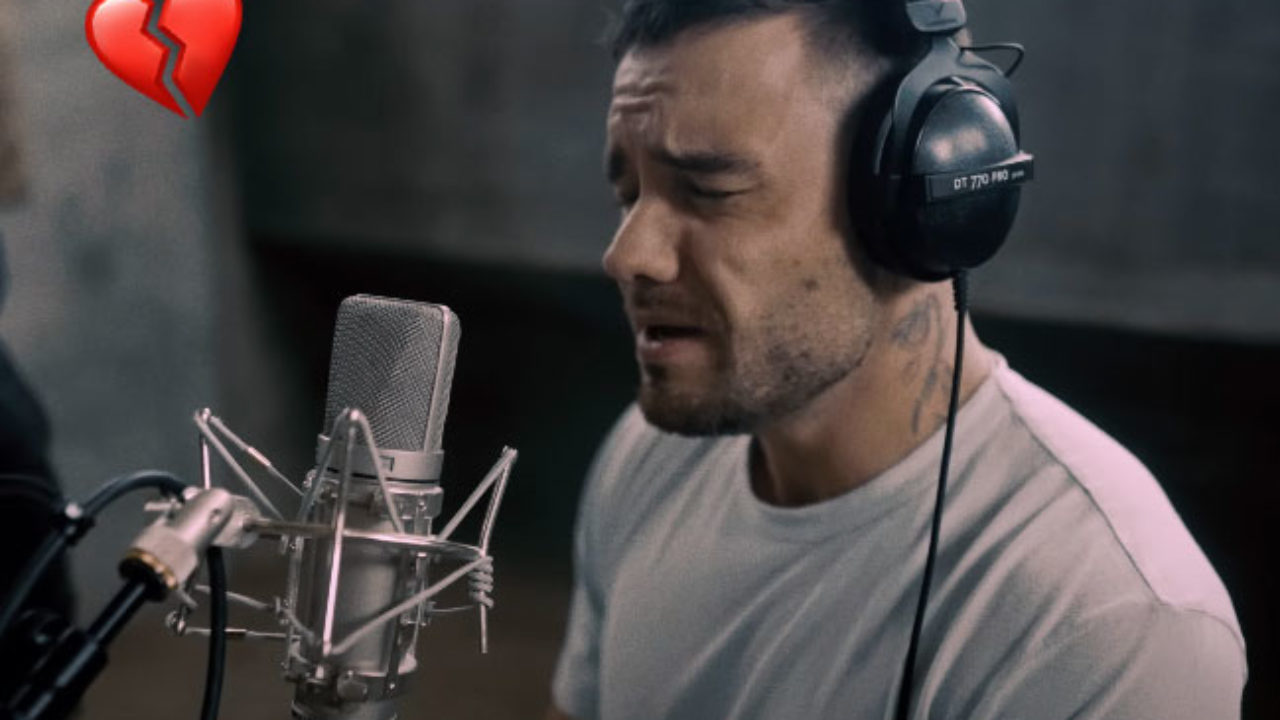
The collaboration between Liam Payne and Samuel Preston on “Live Forever” has taken on a new meaning in light of recent events. What began as a song inspired by survival and resilience has transformed into a haunting prophecy that continues to resonate with listeners.
Both men’s stories highlight the complexities of fame, addiction, and recovery. While Payne’s life was tragically cut short, Preston’s survival and openness about his struggles offer hope and a call to action for those facing similar battles.
Their shared experiences remind us that music can be a powerful medium for storytelling and healing, but also that it can sometimes reflect the darker realities of life in ways we never anticipate.
Conclusion
1729166511-0/liam-(6)1729166511-0.jpg)
The chilling connection between Liam Payne’s tragic death and the song “Live Forever” written by Samuel Preston reveals a haunting narrative of survival, addiction, and fate. As fans and loved ones mourn Payne’s loss, the song stands as a stark reminder of the dangers that can lurk behind fame and the importance of support and awareness in battling addiction. If you or someone you know is struggling with substance abuse or mental health issues, don’t hesitate to seek help. Remember, survival is possible, and there is always hope beyond the darkest moments. Reach out today and make a difference.





Leave a Reply