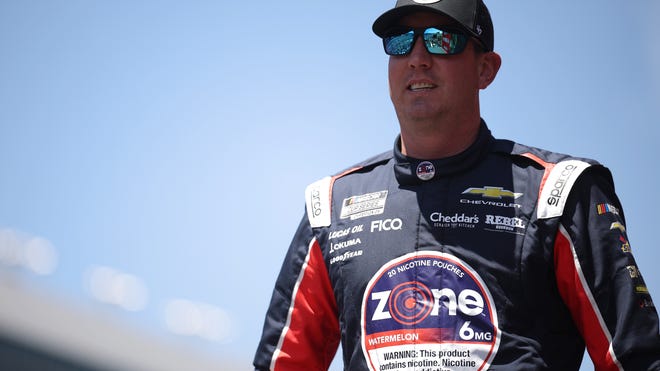
Kyle Busch Became ‘Unresponsive’ in Racing Simulator Just Before His Death: Report
Kyle Busch, a prominent figure in the world of motorsports, reportedly became unresponsive while using a racing simulator shortly before his untimely death. This startling revelation has sent shockwaves through the racing community and sparked conversations about the safety and health risks associated with high-intensity simulator sessions. In this article, we delve into the details of the incident, examine the potential causes, and discuss the broader implications for both professional racers and enthusiasts who rely on simulators for training and entertainment.
The Incident: Kyle Busch’s Unresponsiveness in the Racing Simulator

According to reports, Kyle Busch was engaged in a racing simulator session when he suddenly became unresponsive. The simulator, designed to mimic real-life racing conditions with high precision, demands intense focus and physical endurance. While simulators are generally considered safe, this incident highlights the potential dangers that can arise, especially when users push their limits.
Witnesses at the scene noted that Busch had been participating in the simulator for an extended period, which may have contributed to physical exhaustion or other health complications. Emergency responders were called immediately, but despite efforts to revive him, Busch tragically passed away shortly afterward.
This event has raised important questions about the health monitoring and safety protocols in place during simulator use, especially for professional drivers who often use these tools to prepare for real-world races.
Understanding the Risks of Racing Simulators

Racing simulators have become an essential part of motorsports training, offering drivers a risk-free environment to hone their skills, learn new tracks, and improve reaction times. However, the immersive nature of these simulators can also pose risks:
– **Physical Strain:** Extended sessions can lead to fatigue, dehydration, and muscle strain, especially when drivers maintain intense concentration and physical posture for hours.
– **Mental Stress:** The high-pressure environment of competitive simulation can cause elevated stress levels, potentially triggering underlying health issues.
– **Lack of Medical Supervision:** Unlike real racing events, simulator sessions often lack immediate medical support, which can delay critical intervention during emergencies.
Experts suggest that regular breaks, hydration, and health monitoring should be mandatory during simulator use to minimize these risks.
The Impact on the Racing Community
:max_bytes(150000):strip_icc():focal(877x398:879x400)/Kyle-Busch-2-052126-a85ae12a25cc4c68a33decea3027ca93.jpg)
Kyle Busch’s death has deeply affected the motorsports world. As a respected and skilled driver, his passing serves as a somber reminder of the vulnerabilities even elite athletes face. Racing teams and organizations are now re-evaluating their safety protocols, not only on the track but also in virtual training environments.
Several racing academies and simulator manufacturers have announced plans to implement enhanced safety features, including biometric monitoring and emergency response systems. These measures aim to ensure that drivers receive timely assistance in case of health emergencies during simulator sessions.
Moreover, Busch’s incident has sparked broader discussions about mental health and physical well-being in high-performance sports, encouraging athletes to prioritize self-care alongside rigorous training.
Preventive Measures and Best Practices for Simulator Use

To prevent similar tragedies, it is crucial for both professional drivers and enthusiasts to adopt safe practices when using racing simulators:
1. **Limit Session Duration:** Avoid prolonged simulator use without breaks to reduce physical and mental fatigue.
2. **Stay Hydrated and Nourished:** Proper hydration and nutrition can help maintain energy levels and focus.
3. **Monitor Health:** Use wearable devices to track vital signs such as heart rate and oxygen levels during sessions.
4. **Create a Safe Environment:** Ensure that the simulator setup allows for quick exit and that emergency contacts are readily available.
5. **Seek Medical Advice:** Individuals with pre-existing health conditions should consult healthcare professionals before engaging in intense simulator use.
By following these guidelines, users can enjoy the benefits of racing simulators while minimizing potential health risks.
Conclusion
The tragic incident involving Kyle Busch becoming unresponsive in a racing simulator underscores the importance of safety and health awareness in virtual racing environments. As simulators continue to play a vital role in motorsports training, it is essential to implement comprehensive safety measures and promote responsible use. Whether you are a professional driver or a racing enthusiast, prioritizing your well-being during simulator sessions can make all the difference.
If you found this article insightful, share it with fellow racing fans and stay informed about the latest developments in motorsports safety. Your health and safety come first—race smart, stay safe!
Leave a Reply