Trump Was ‘Personally Involved’ in Canceling Stephen Colbert, Longtime Late Night Reporter Claims
Bill Carter Alleges Trump’s Direct Role in Stephen Colbert’s Show Cancellation
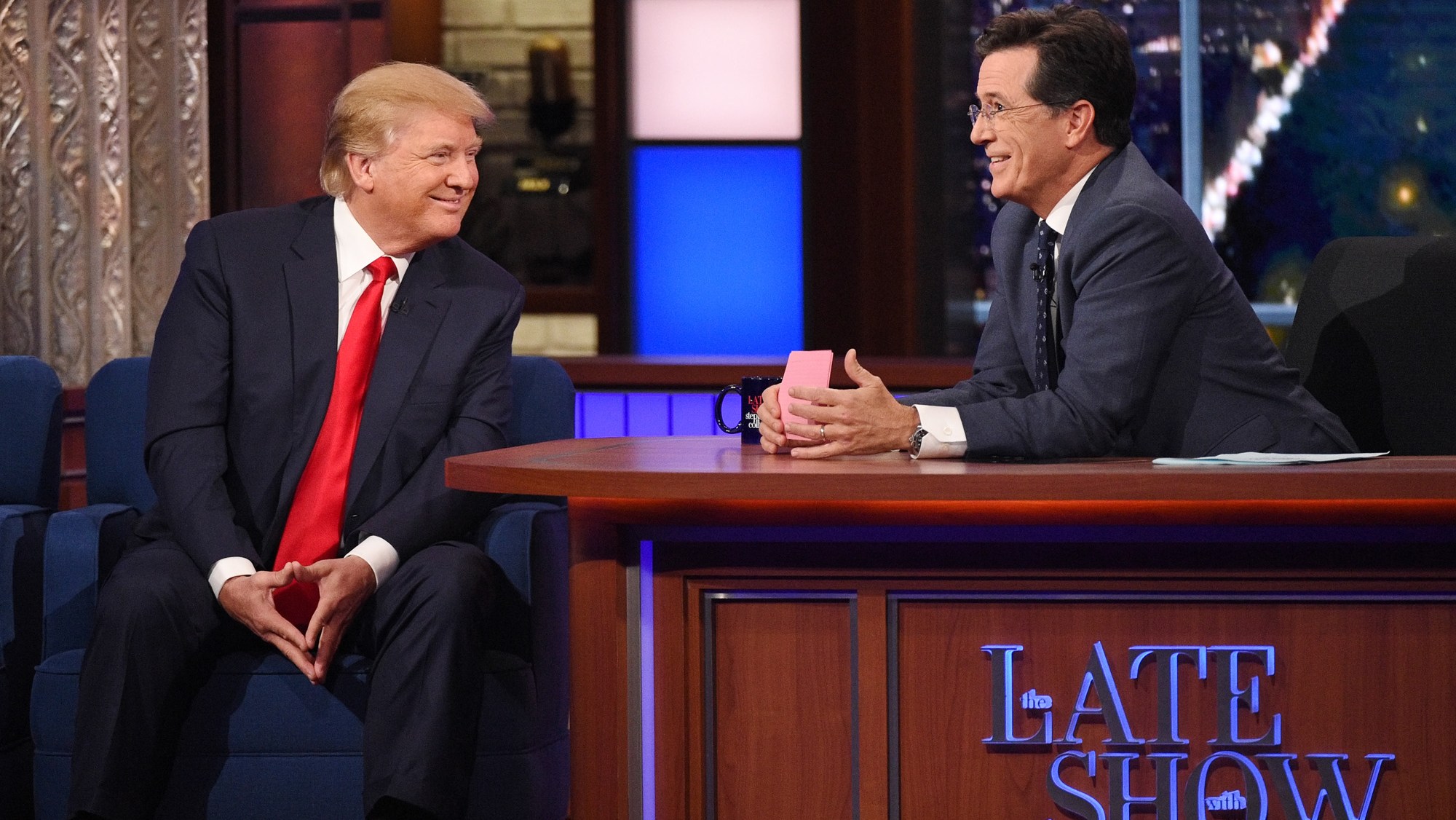
Bill Carter, a veteran television reporter and author of the acclaimed book The Late Shift, recently made a striking claim: former President Donald Trump was “personally involved” in the cancellation of Stephen Colbert’s late-night show. Speaking on MS Now’s “The Weekend,” Carter linked Trump’s reaction to the series finale and an AI-generated video posted on Trump’s official X account as evidence of this involvement.
The video in question depicted Trump grabbing Colbert during his show and throwing him into a large dumpster while dancing to the Village People’s hit “Y.M.C.A.” This provocative imagery, Carter suggested, was more than just political satire—it reflected Trump’s direct influence behind the scenes. “It’s not a good development for the country, obviously,” Carter said, emphasizing the gravity of a government figure allegedly pushing to silence a vocal critic.
The Political Backdrop: A Feud Between Trump and Colbert
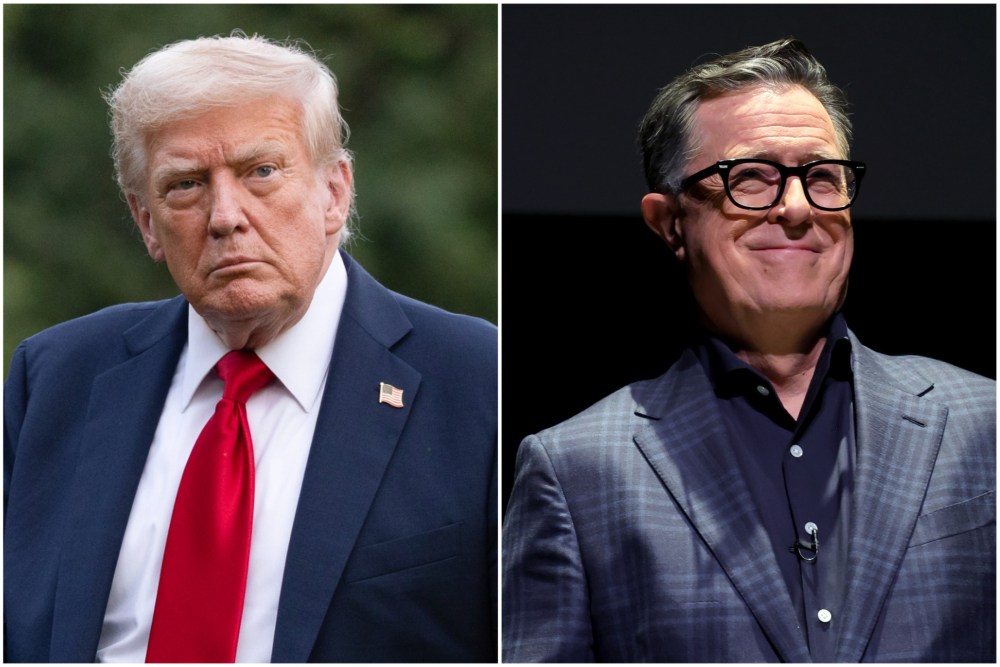
Stephen Colbert’s late-night program was known for its sharp political commentary, frequently targeting Donald Trump during his presidency and beyond. According to a Media Research Center study, Colbert made an astonishing 3,639 jokes about Trump from January 3, 2023, until the show’s conclusion. This relentless satire made Colbert a prominent figure in late-night television but also a thorn in Trump’s side.
Carter explained that the cancellation was not merely a financial decision, as CBS claimed, but rather a politically motivated move. CBS cited financial losses of approximately $40 million per year as the reason for ending “The Late Show with Stephen Colbert.” However, Colbert himself and many media analysts have disputed this explanation, suggesting that the network capitulated to political pressure.
CBS’s Role and the Impact on Independent Journalism
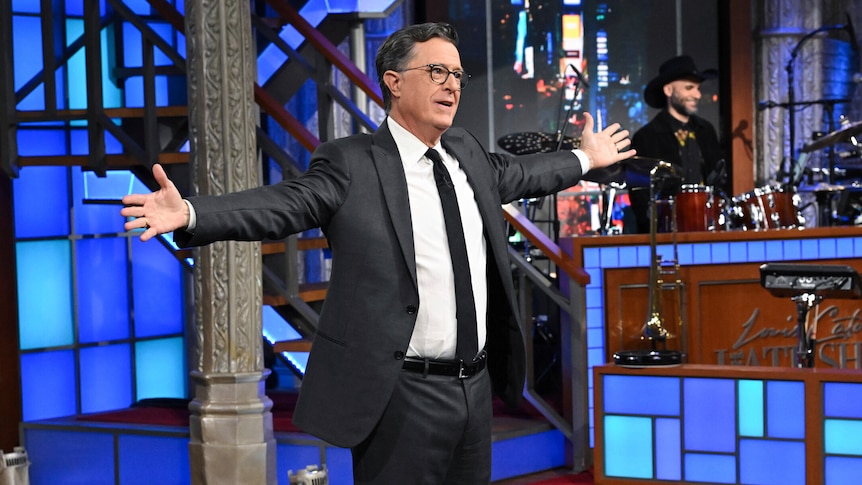
Bill Carter criticized CBS for what he described as a troubling retreat from independent journalism. He pointed to the network’s earlier legal settlement with Trump over a lawsuit related to a “60 Minutes” segment as a sign that CBS was unwilling to stand firm against political pressure. “I think CBS, when they capitulated in the lawsuit that Trump filed against ‘60 Minutes,’ was sending a signal that they’re not going to be the independent journalism outfit that they should be,” Carter said.
The cancellation of Colbert’s show and the wiping out of the late-night time slot, Carter argued, symbolized a broader shift in the media landscape. Networks appear increasingly hesitant to employ hosts who openly criticize powerful political figures, fearing backlash or financial repercussions. This trend, Carter warned, undermines the foundational values of free speech and press freedom in the United States.
The Broader Implications of Canceling Stephen Colbert
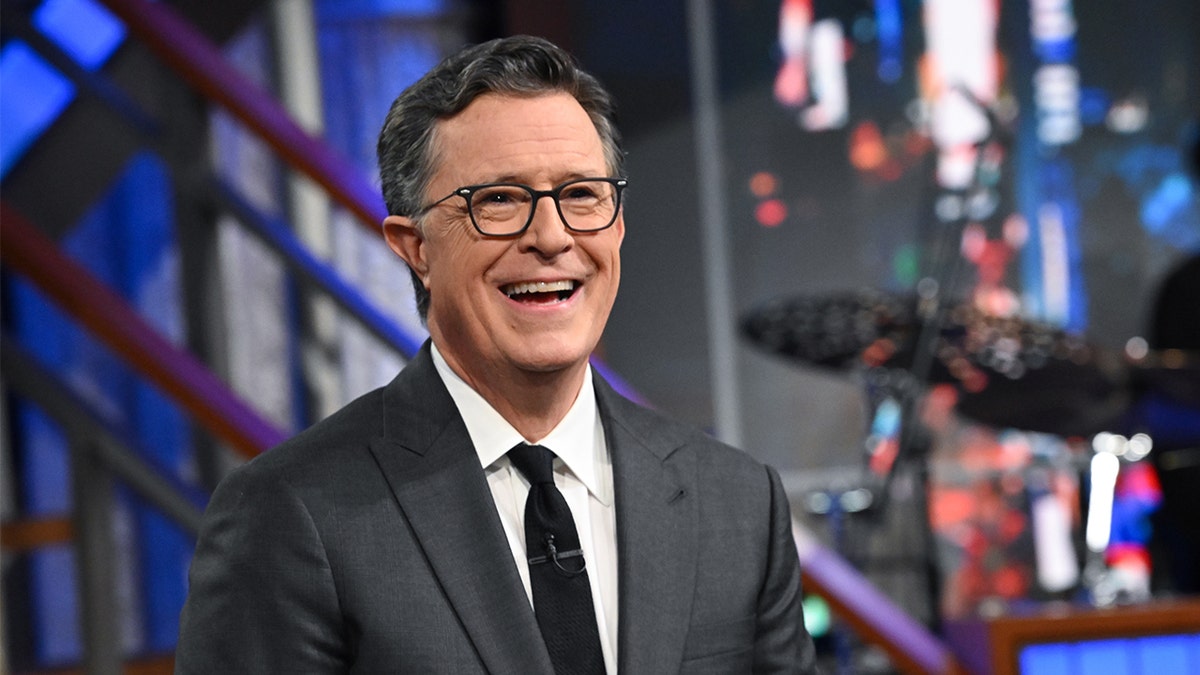
The controversy surrounding Stephen Colbert’s cancellation raises important questions about the intersection of politics, media, and entertainment. When a late-night show known for its political satire is abruptly canceled amid allegations of presidential interference, it signals a potential chilling effect on free expression.
Many Americans, including those who may not be strong supporters of Colbert or Trump, recognize the danger in silencing critics through political or corporate pressure. Carter emphasized that such actions are “so alien to our values” and warned that the country will have to grapple with these challenges moving forward.
Moreover, the incident highlights the evolving role of late-night television as a platform for political discourse. Colbert’s show was more than just entertainment; it was a space where political satire and commentary influenced public opinion. Its cancellation leaves a void that could alter how political issues are discussed in mainstream media.
Reactions from the Public and Political Figures
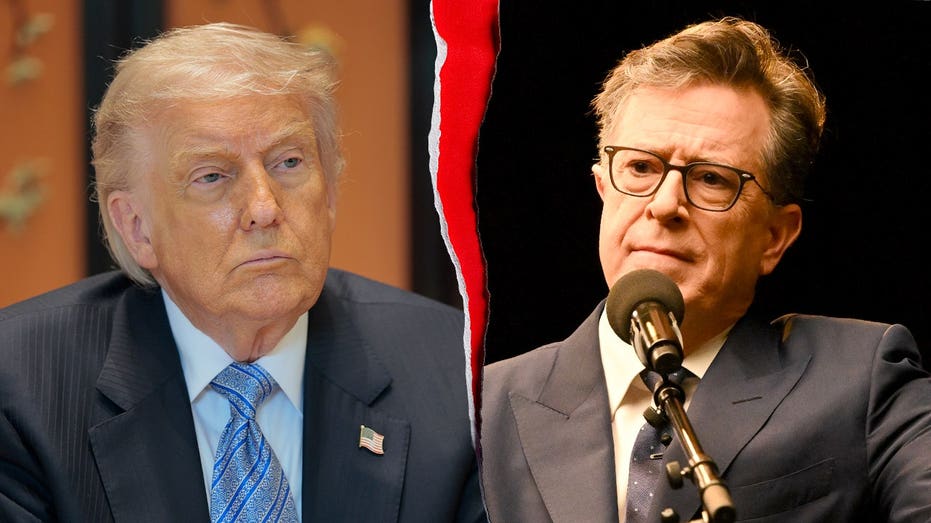
The end of “The Late Show with Stephen Colbert” sparked a wave of reactions across the political spectrum. Some Democrats publicly thanked Colbert for his years of service in late-night television, while others criticized the timing and circumstances of the cancellation. Fox News Digital reached out to the White House for comment, but no official response was provided regarding Carter’s allegations.
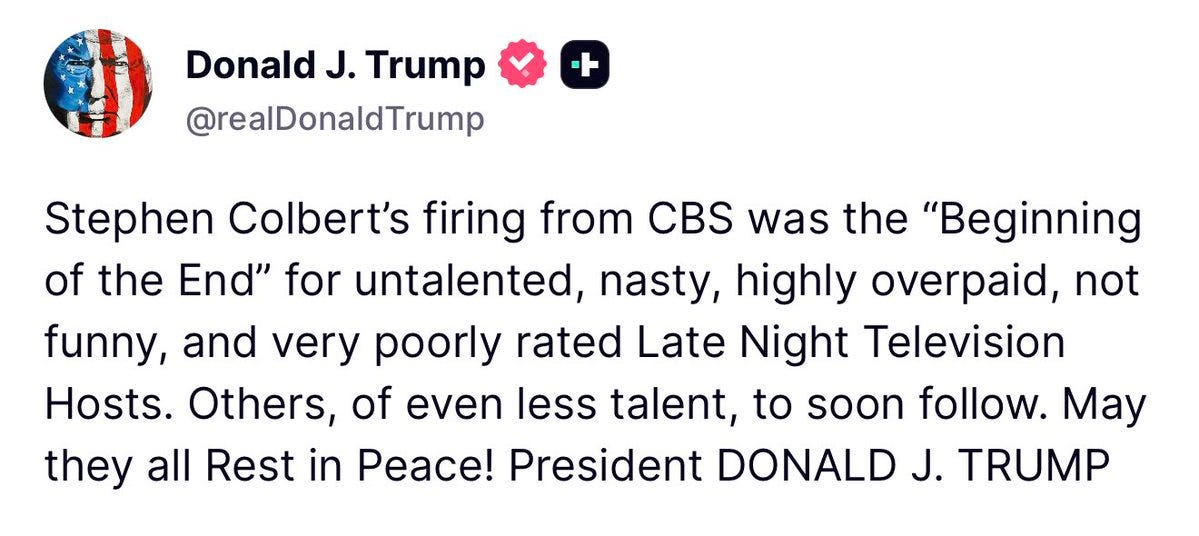
Colbert himself has been vocal about his belief that the cancellation reinforced a narrative of “knee bending” to Trump’s influence. This sentiment resonates with many viewers who see the decision as a setback for independent media voices willing to challenge political power.
Conclusion
The claim that Donald Trump was personally involved in canceling Stephen Colbert’s late-night show sheds light on the complex and often fraught relationship between politics and media. Bill Carter’s insights reveal a troubling dynamic where political pressure may override journalistic independence and creative freedom. As viewers and citizens, it is crucial to remain vigilant and support platforms that uphold free expression and hold power accountable.
If you want to stay informed about the latest developments in media and politics, be sure to subscribe to our newsletter and follow our updates. Don’t miss out on critical stories that shape the future of journalism and entertainment.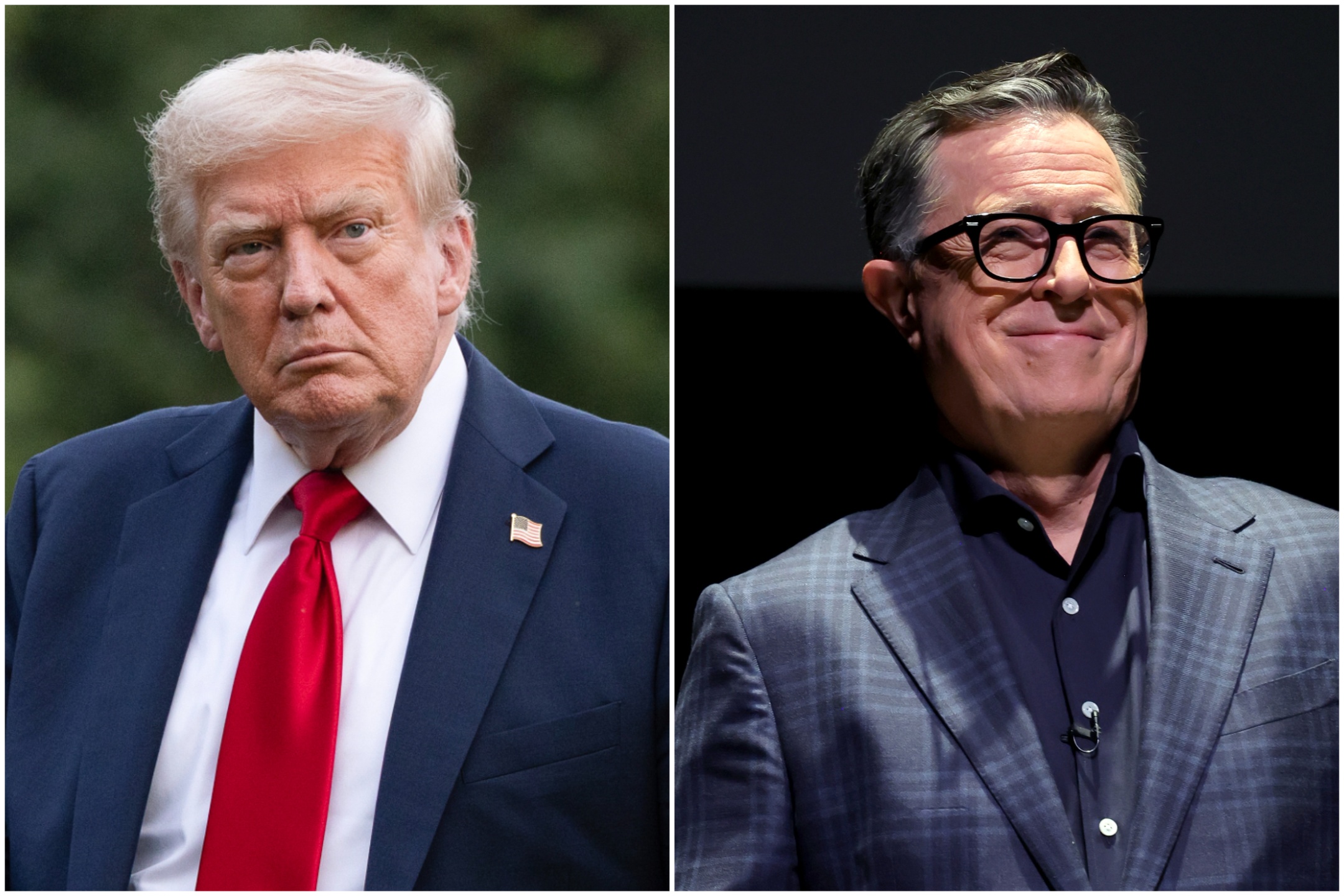
Leave a Reply