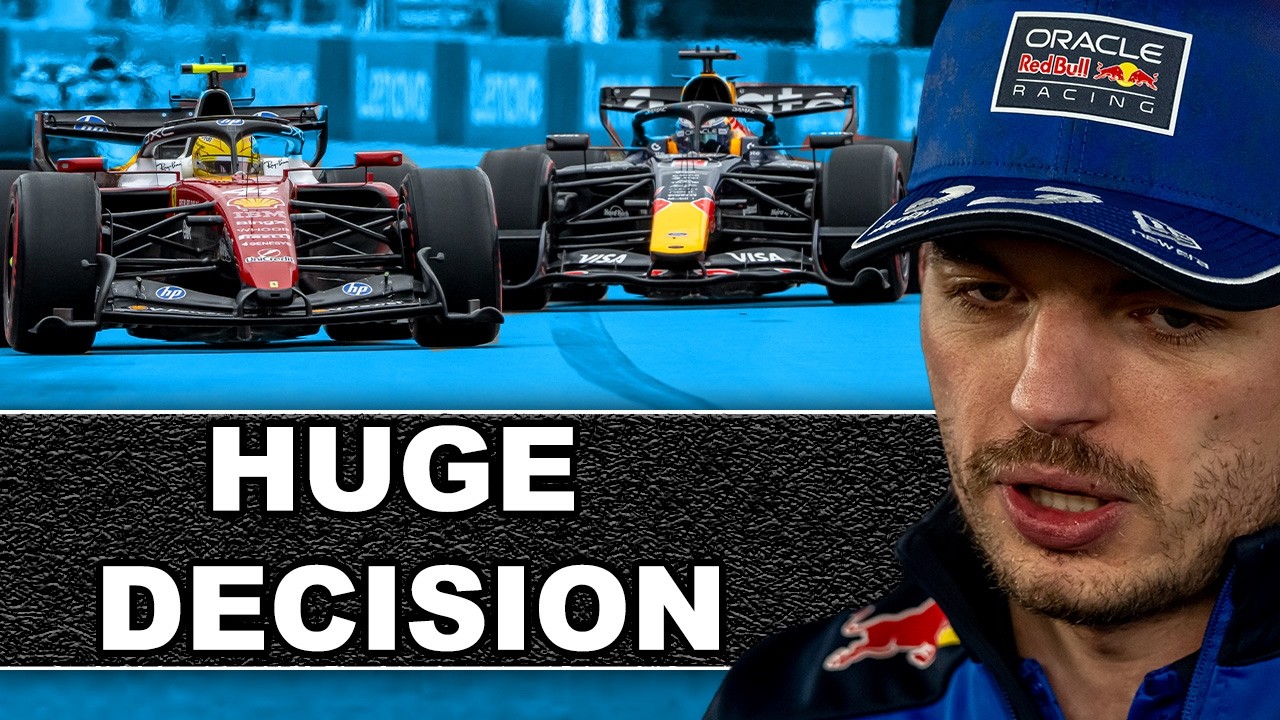
Max Verstappen Announces Definitive F1 Sabbatical Decision
Max Verstappen’s Clear Stance on an F1 Sabbatical
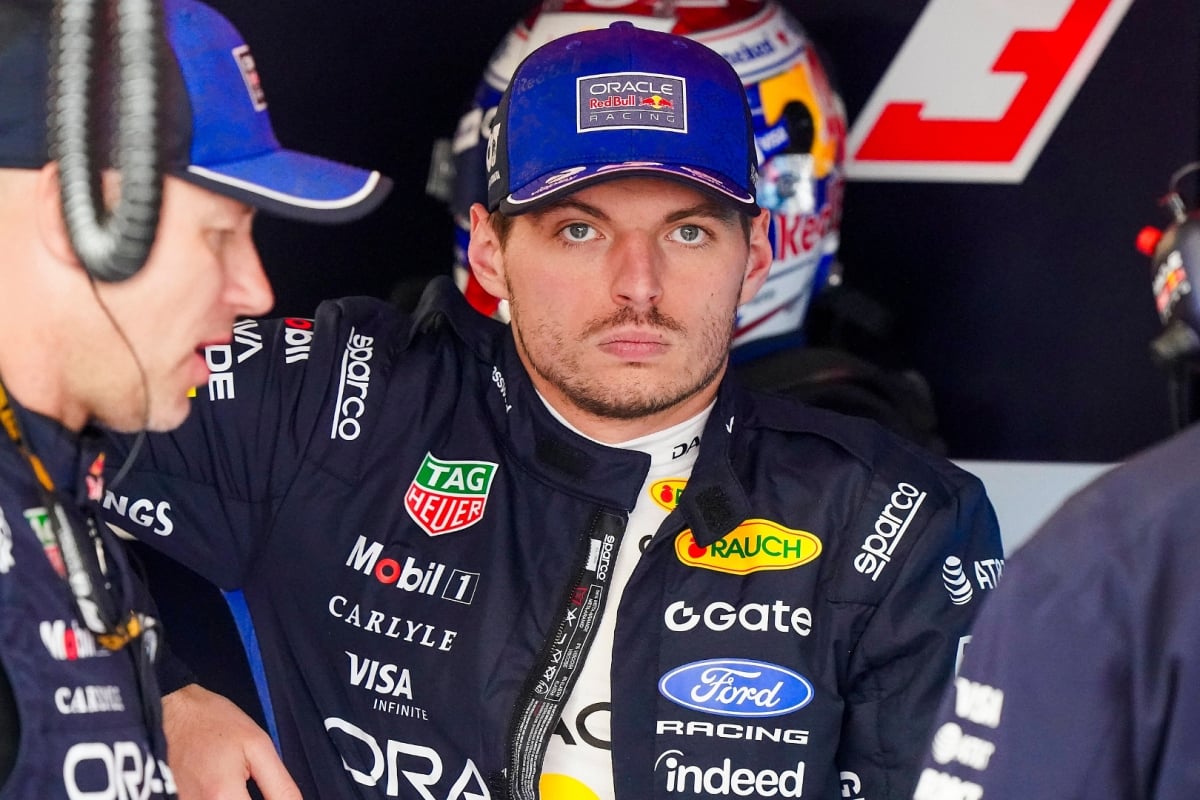
Max Verstappen, the four-time Formula 1 world champion, has finally put to rest all speculation about whether he plans to take a sabbatical from the sport. Throughout the current season, rumors have swirled about Verstappen’s future, with many pundits and fans debating if he might retire early, switch teams, or even step away from racing temporarily. However, Verstappen has now made a definitive statement that he will not be taking a sabbatical from Formula 1.
At the start of the season, reports suggested Verstappen was seriously considering retirement, especially with the sport undergoing significant changes. However, after the Canadian Grand Prix and discussions around new engine regulations, Verstappen’s position became clearer. He emphasized that if he were to stop racing, it would be a permanent decision rather than a temporary break. This announcement has reassured fans and the F1 community that Verstappen remains committed to the sport for the foreseeable future.
The Impact of Upcoming Engine Regulation Changes on Verstappen’s Decision
One of the key factors influencing Verstappen’s outlook on Formula 1 is the upcoming engine regulation changes scheduled for 2027. The new rules will adjust the balance between electrical power and internal combustion engine (ICE) power, shifting it to a 60/40 split in favor of the ICE. This change aims to bring back a more natural and traditional racing experience, which Verstappen strongly supports.
Verstappen has openly expressed his desire for a “good product” in Formula 1, meaning a racing spectacle that is exciting, competitive, and true to the sport’s roots. He believes the 60/40 power split will significantly enhance the quality of racing and driver enjoyment. According to Verstappen, this shift will help restore the essence of pure racing, which he feels has been diluted in recent years by the increasing reliance on electric power.
In interviews, Verstappen has described the current state of F1 as somewhat “anti-racing” due to the heavy emphasis on hybrid technology and energy management. He contrasts this with other motorsport series that offer more “pure” racing experiences, where overtakes and driver skill are more prominent. The new engine regulations, he hopes, will address these concerns and improve the overall spectacle for drivers and fans alike.
Why Verstappen Rejects the Idea of a Sabbatical
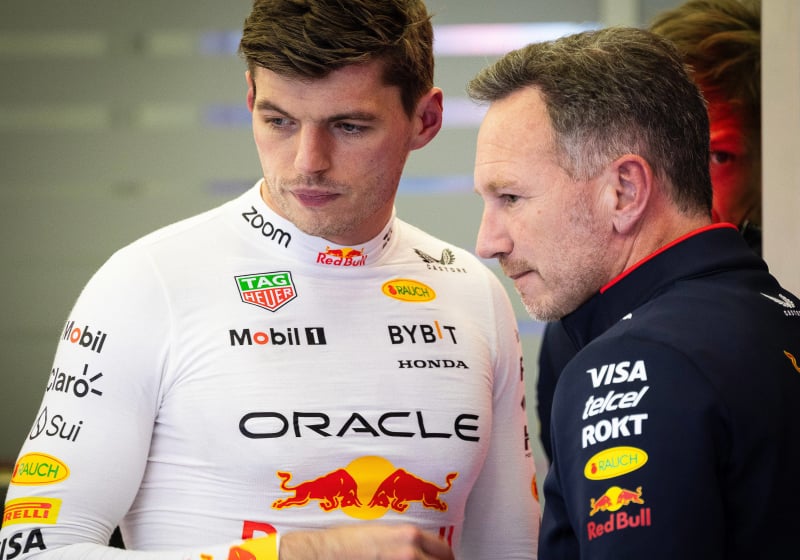
When asked directly about the possibility of taking a sabbatical, Verstappen was unequivocal. Speaking to Dutch media outlet De Telegraaf, he stated, “No, not a sabbatical. I’m not that sort of person. If I stop, I’ll stop completely. But that’s not on the cards at the moment.” This response highlights Verstappen’s all-or-nothing approach to his racing career.
Unlike some athletes who may take breaks to recharge or reassess their priorities, Verstappen prefers to maintain full commitment or step away entirely. This mindset underscores his competitive nature and passion for the sport, as well as his confidence in the direction Formula 1 is heading with the upcoming changes.
Verstappen’s decision also reflects his long-term vision for his career. Rather than stepping back temporarily, he appears focused on adapting to the evolving landscape of F1 and continuing to compete at the highest level. His commitment is a positive sign for Red Bull Racing and F1 fans who view him as one of the sport’s brightest stars.
Verstappen’s Vision for the Future of Formula 1
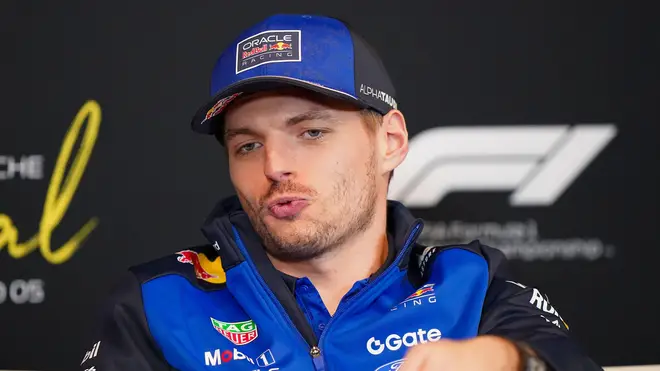
Beyond his personal career choices, Verstappen has been vocal about what he wants to see in Formula 1 moving forward. He advocates for a return to more authentic racing, where driver skill and car performance take center stage. The upcoming engine rule changes are a step in this direction, but Verstappen believes there is still work to be done to improve the spectacle.
He hopes that by 2027, the sport will have embraced a balance that favors traditional racing values while still incorporating modern technology. This balance, he argues, will make Formula 1 more enjoyable for drivers and fans, enhancing overtaking opportunities and reducing the reliance on artificial systems that detract from the racing experience.
Verstappen’s comments also suggest a desire for F1 to be more transparent and engaging, with fewer restrictions that limit driver creativity and race dynamics. His perspective resonates with many in the F1 community who crave a more thrilling and unpredictable championship.
Conclusion
Max Verstappen’s definitive decision to not take a sabbatical from Formula 1 brings clarity to his future and reassures fans of his ongoing commitment to the sport. With the upcoming engine regulation changes promising a return to more traditional racing values, Verstappen is optimistic about the direction F1 is heading. His focus remains on competing at the highest level and helping to shape a better, more exciting Formula 1 experience for everyone involved. Stay tuned for more updates on Verstappen’s career and the evolution of F1 by subscribing to our newsletter and following the latest news.
Leave a Reply