
Jermaine Jenas Accuses Good Morning Britain of Ambush Interview Amid Reputation Rebuild
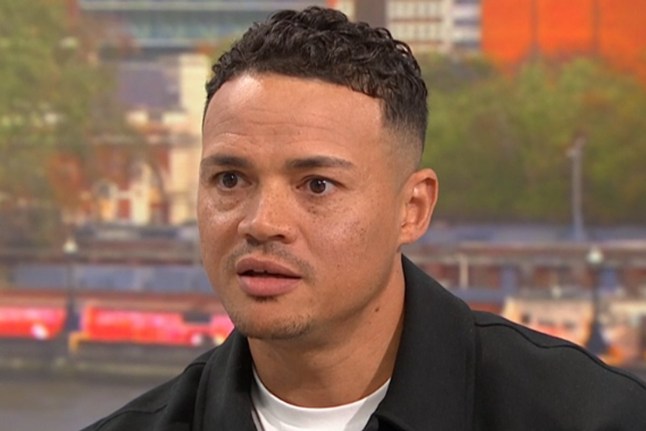
Jermaine Jenas, the former professional footballer and sports pundit, has publicly criticized Good Morning Britain’s Ranvir Singh for what he describes as a deliberately hostile interview. In a candid statement, Jenas claimed that the producers of the show orchestrated a “trap” to corner him with tough questions, accusing the program of having a “thirst for blood.” This confrontation has sparked widespread discussion about media ethics and the pressures faced by public figures attempting to restore their reputations.
Jermaine Jenas Claims Good Morning Britain Set a Trap During Interview

The controversy began when Jermaine Jenas appeared on Good Morning Britain to discuss recent events affecting his career and personal life. Rather than a straightforward conversation, Jenas alleges that the interview was designed to be confrontational. He accused Ranvir Singh of “twisting the knife on live TV,” suggesting that the questioning was unnecessarily harsh and intended to provoke a reaction.
Jenas’s comments highlight a growing concern among celebrities and public figures about the nature of media interviews. Many feel that some shows prioritize sensationalism over fairness, creating an environment where guests are ambushed with aggressive questioning. According to Jenas, this approach not only undermines the integrity of the interview but also exacerbates the challenges faced by individuals trying to move past difficult situations.
The former footballer’s frustration was evident when he described the producers as having a “thirst for blood,” implying that the show was more interested in creating drama than in providing a balanced platform for discussion. This accusation raises important questions about the responsibilities of media outlets in handling sensitive topics and respecting the dignity of their guests.
The Impact of the Interview on Jermaine Jenas’s Reputation

Jermaine Jenas is currently in the process of rebuilding his public image following a series of personal and professional challenges. The Good Morning Britain interview was intended to be an opportunity for him to address these issues openly and honestly. However, the hostile nature of the questioning may have complicated this effort.
Public reaction to the interview has been mixed. Some viewers sympathize with Jenas, believing that he was unfairly targeted and that the show’s approach was overly aggressive. Others argue that as a public figure, Jenas should expect tough questions and that the interview was a necessary part of accountability.
Regardless of public opinion, the incident underscores the delicate balance between media scrutiny and personal privacy. For Jenas, the experience has been a reminder of the difficulties involved in navigating the spotlight while trying to move forward positively.
The situation also serves as a case study for media professionals about the potential consequences of confrontational interviewing techniques. While such methods may generate high ratings and social media buzz, they can also damage relationships and reputations.
Media Ethics and the Role of Interviewers in Sensitive Situations
The accusations made by Jermaine Jenas against Good Morning Britain bring to light broader issues concerning media ethics. Interviewers and producers have a responsibility to conduct their work with fairness, respect, and sensitivity, especially when dealing with individuals who are vulnerable or in the process of personal recovery.
Ambush interviews, where guests are caught off guard with unexpected or aggressive questions, are increasingly criticized for their potential to cause harm. Critics argue that such tactics prioritize entertainment value over truthful and respectful dialogue.
In this context, Ranvir Singh’s role as an interviewer has come under scrutiny. While journalists must ask challenging questions to hold public figures accountable, there is a fine line between rigorous journalism and undue hostility. The balance between these elements is crucial to maintaining public trust in media institutions.
Going forward, media outlets may need to reconsider their approaches to interviews, particularly when dealing with sensitive topics. Building trust with guests and audiences alike requires transparency, empathy, and a commitment to ethical standards.
Conclusion
Jermaine Jenas’s accusations against Good Morning Britain and Ranvir Singh highlight the complexities of media interactions in today’s fast-paced, high-stakes environment. As Jenas continues to rebuild his reputation, this incident serves as a reminder of the challenges public figures face and the importance of ethical journalism. For viewers and media professionals alike, it is essential to advocate for respectful and fair interviews that prioritize truth without sacrificing humanity. If you want to stay informed about the latest media controversies and celebrity news, be sure to follow our updates and share your thoughts.




Leave a Reply