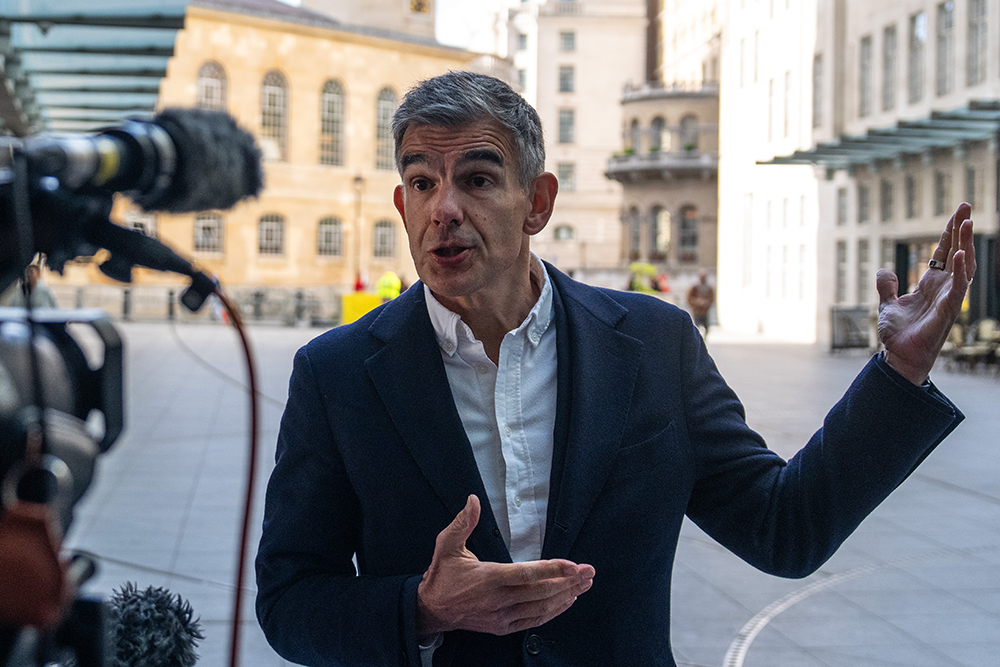
BBC Breakfast Presenters Boycott Airing After New DG Matt Brittin Axes Sunday Show and Announces 550 Job Losses
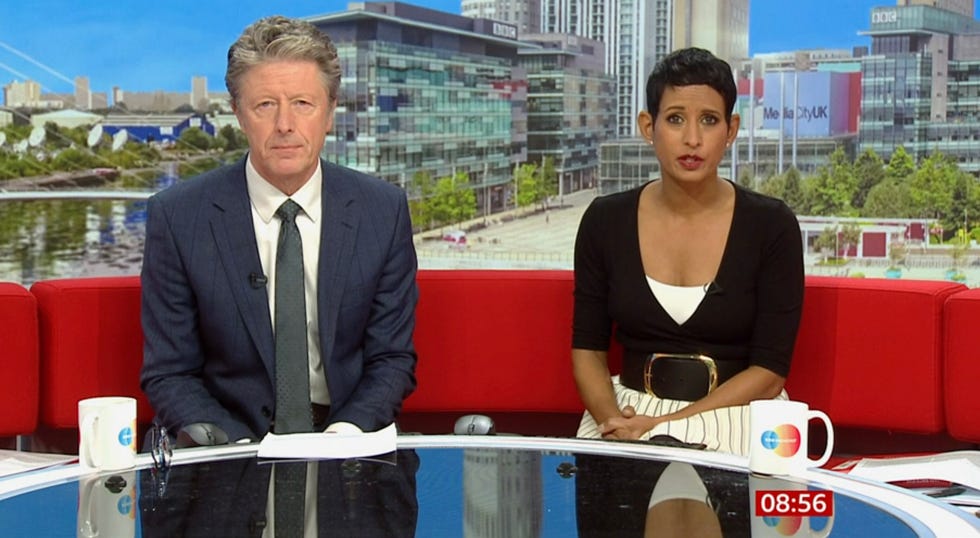
BBC Breakfast Presenters Refuse to Stay on Air After Sunday Show Cancellation
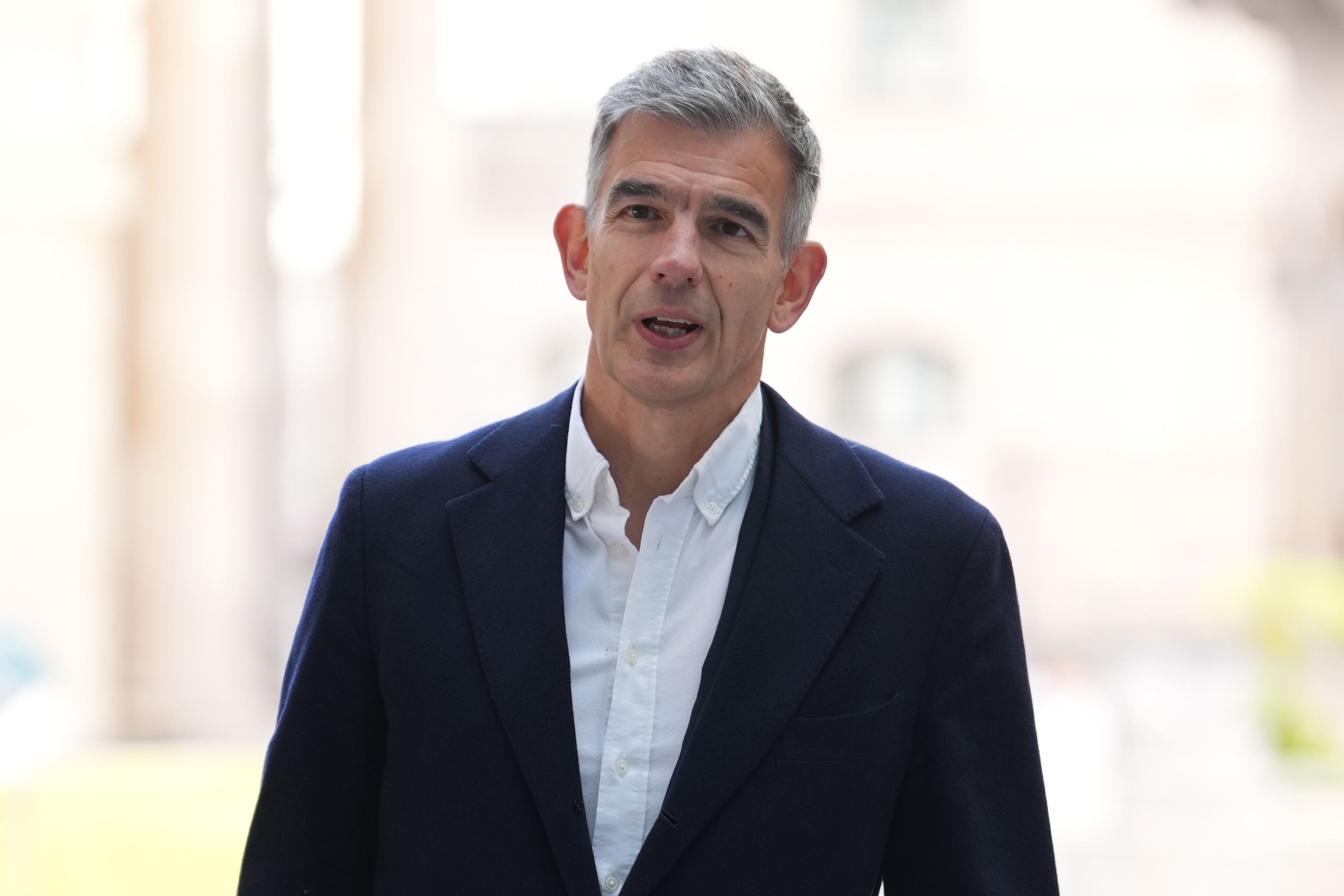
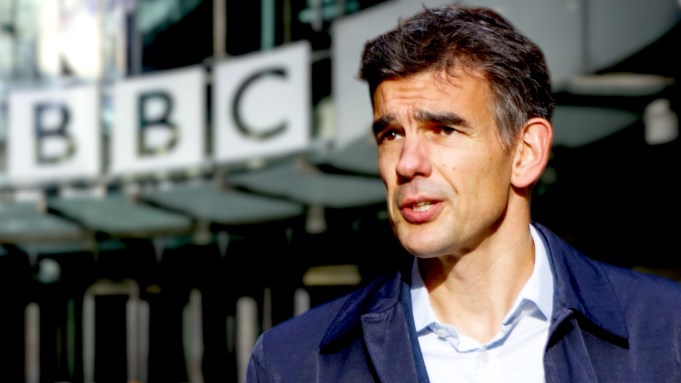
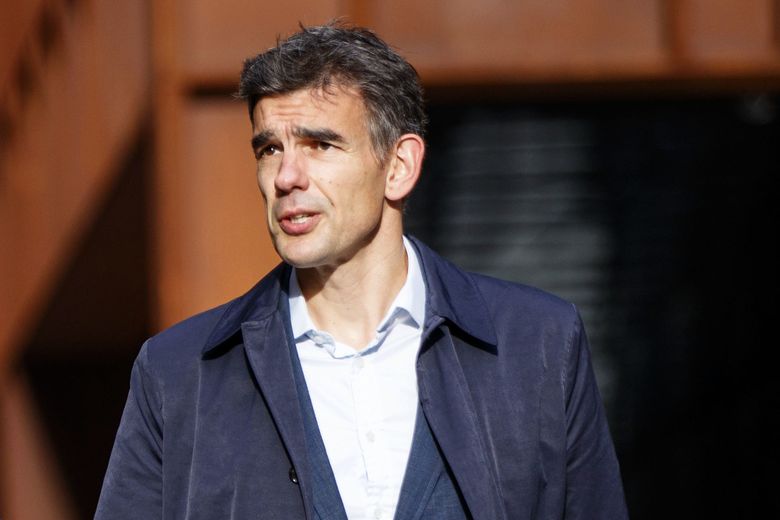
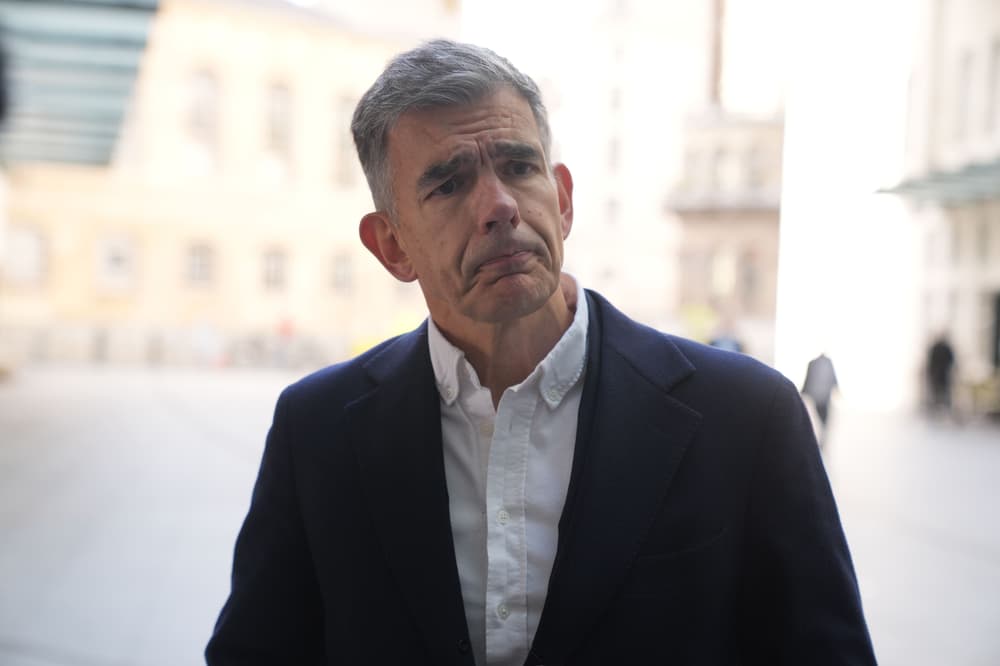
The BBC is currently facing one of its most turbulent periods in recent history as new Director General Matt Brittin unveils a series of sweeping budget cuts. Among the most controversial decisions is the axing of the Sunday edition of the flagship morning news program, BBC Breakfast. This move has triggered a dramatic boycott by the show’s presenters, who have refused to remain on air in protest.
The Sunday edition of BBC Breakfast, a staple for many UK viewers seeking weekend news and analysis, will be replaced by a simulcast of the BBC News Channel starting this September. This change is part of a broader cost-saving strategy aimed at reducing the corporation’s expenditure by £160 million initially, with a long-term target of £500 million in savings.
The decision to cut the Sunday show has been met with significant backlash from staff, who feel abandoned by the corporation’s leadership. Presenters argue that the cuts undermine the quality and diversity of BBC’s news output, reducing the broadcaster’s ability to serve its audience effectively.
Massive Job Losses and Program Cuts Across BBC
The cancellation of the Sunday BBC Breakfast is just one piece of a much larger puzzle. Matt Brittin’s announcement includes the loss of approximately 550 jobs across various departments, including news, nations, TV, and radio content teams. This is only the first wave of cuts, with estimates suggesting that total job losses could eventually reach between 1,800 and 2,000.
BBC Radio 4 has been hit particularly hard. Its flagship Today programme will see a reduction in presenters, dropping from five to four on weekdays and having only one anchor on Saturdays. Additionally, six radio programs are being cancelled outright: The World Tonight, Midnight News, Money Box Live, AntiSocial, The Law Show, and Crossing Continents.
The BBC World Service is also facing cuts, losing shows such as The Inquiry, The Conversation, and The Fifth Floor. Furthermore, production teams behind Newsnight and Sunday with Laura Kuenssberg will merge, resulting in smaller teams managing a broader range of news output.
These cuts are not just about numbers; they represent a significant shift in how the BBC operates, potentially impacting the quality, depth, and breadth of content available to UK audiences.
Staff and Industry Reactions to the Cuts
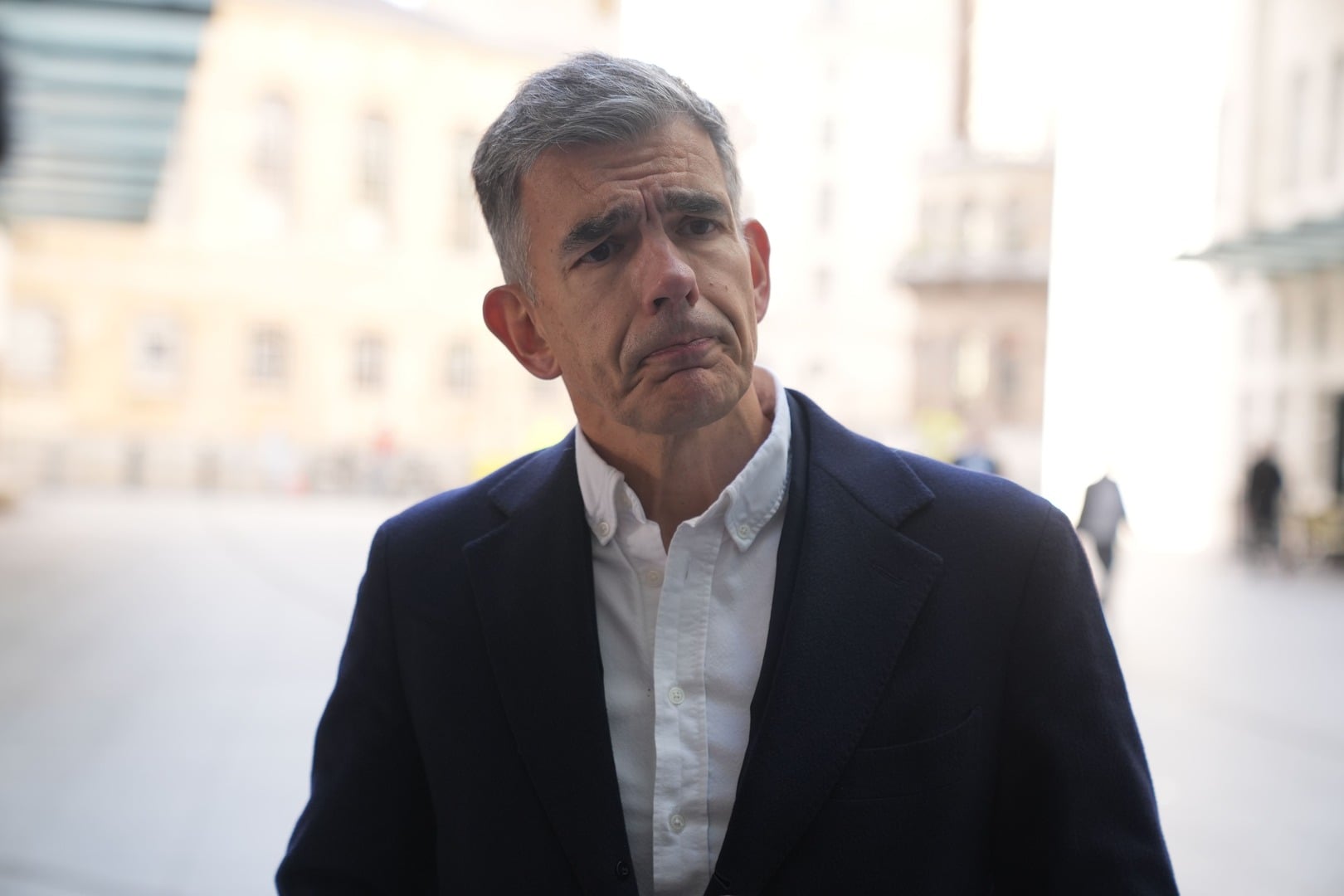
The reaction from BBC staff and the wider creative industry has been one of shock and dismay. Presenters on BBC Breakfast have taken the unprecedented step of boycotting the airwaves, signaling their deep dissatisfaction with the direction the corporation is heading.
Cathy Sweet, head of TV and film at the performing arts union Equity, described the cuts as “devastating” for the creative industries and warned that the BBC’s ability to fulfill its public service remit—to inform, educate, and entertain—will be severely compromised. She emphasized the BBC’s role as a cornerstone of the UK’s creative sector, a vital training ground for talent, and an important economic contributor.
The National Union of Journalists echoed these concerns, calling the cuts “devastating for audiences and communities everywhere.” They also urged the government to intervene urgently, warning that more cuts are expected and that the BBC’s future as a public broadcaster is at risk.
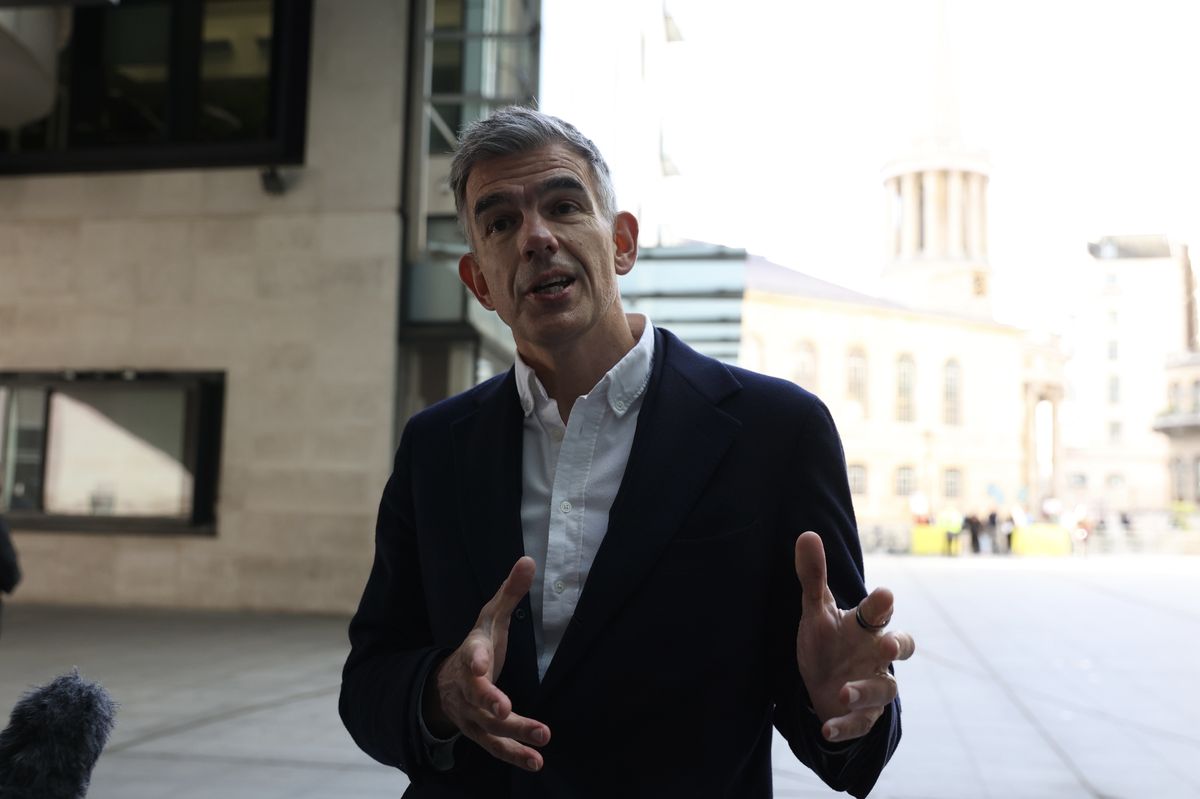
Matt Brittin acknowledged the difficult times ahead in a message to staff, stating, “We live in very uncertain times. Our audiences rely on us every day to keep them informed, entertained and equipped to make sense of the world. Making savings while fulfilling our mission means a doubly difficult time for everyone.”
What This Means for BBC Audiences and the Future of Public Broadcasting
The boycott by BBC Breakfast presenters and the widespread job cuts raise serious questions about the future of the BBC and public broadcasting in the UK. With fewer programs, smaller teams, and reduced airtime, audiences may experience a decline in the quality and variety of content.
Replacing the Sunday edition of BBC Breakfast with a simulcast of the BBC News Channel may save costs but risks alienating viewers who value the unique perspective and presentation style of the Breakfast team. The reduction in Radio 4’s programming and the cancellation of several flagship shows further diminishes the BBC’s role as a comprehensive news provider.
These changes come at a time when reliable, impartial news is more important than ever. The BBC has long been regarded as a trusted source of information, and these cuts threaten to erode that trust.
Conclusion: The BBC’s Crisis Calls for Audience Support and Government Action
The BBC Breakfast presenters’ boycott following the axing of the Sunday show and the announcement of 550 job losses highlights a critical moment for the corporation. Staff feel abandoned, audiences face reduced programming, and the future of public broadcasting hangs in the balance.
As viewers and supporters of quality journalism, it is vital to stay informed about these developments and advocate for the BBC’s role in society. Whether through public feedback, supporting campaigns, or engaging with policymakers, your voice matters.
Stay tuned to trusted sources for updates on the BBC’s restructuring and consider how you can contribute to preserving the broadcaster’s mission to inform, educate, and entertain.
If you value the BBC’s unique contribution to news and culture, now is the time to act. Share this article, join discussions, and support initiatives aimed at safeguarding the future of public broadcasting in the UK.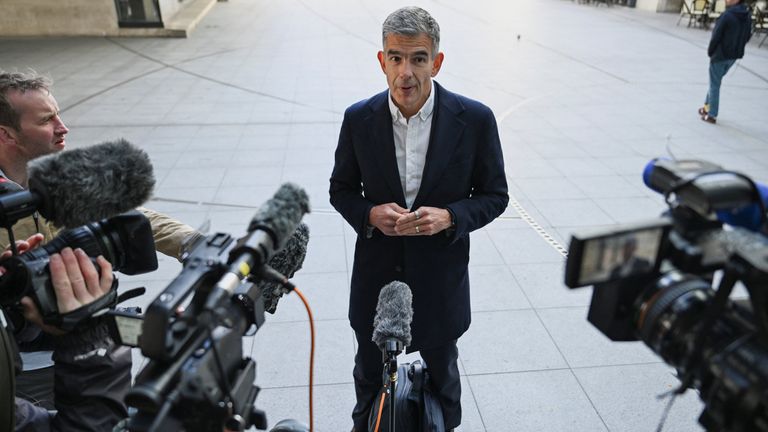

Leave a Reply