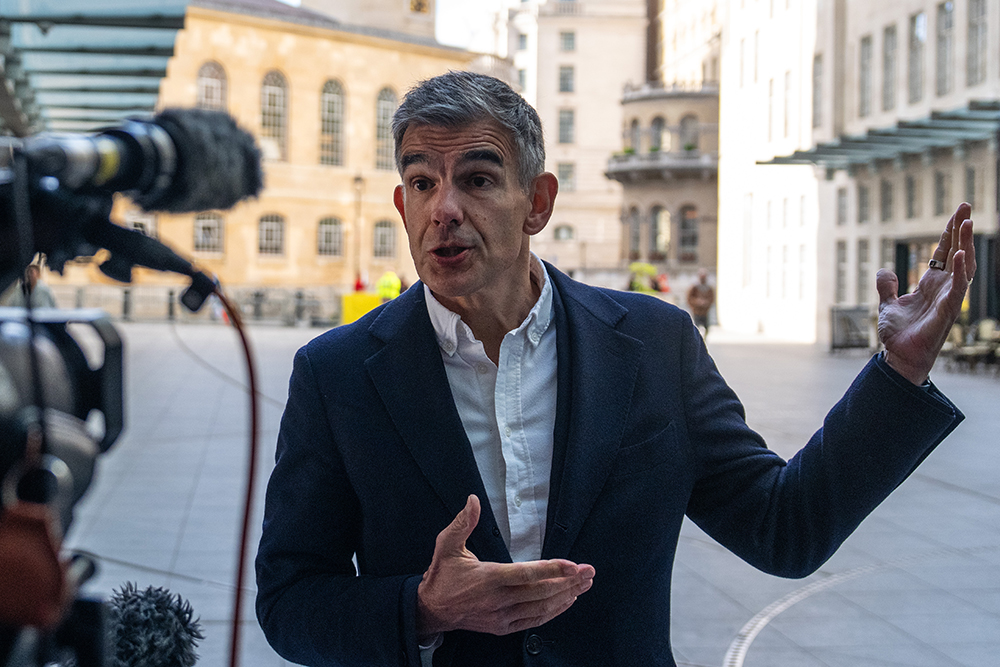
BBC Breakfast Presenters Boycott On-Air After New DG Matt Brittin Axes Sunday Show and Announces 550 Job Losses
BBC Breakfast Presenters Refuse to Broadcast After Sunday Show Cancellation
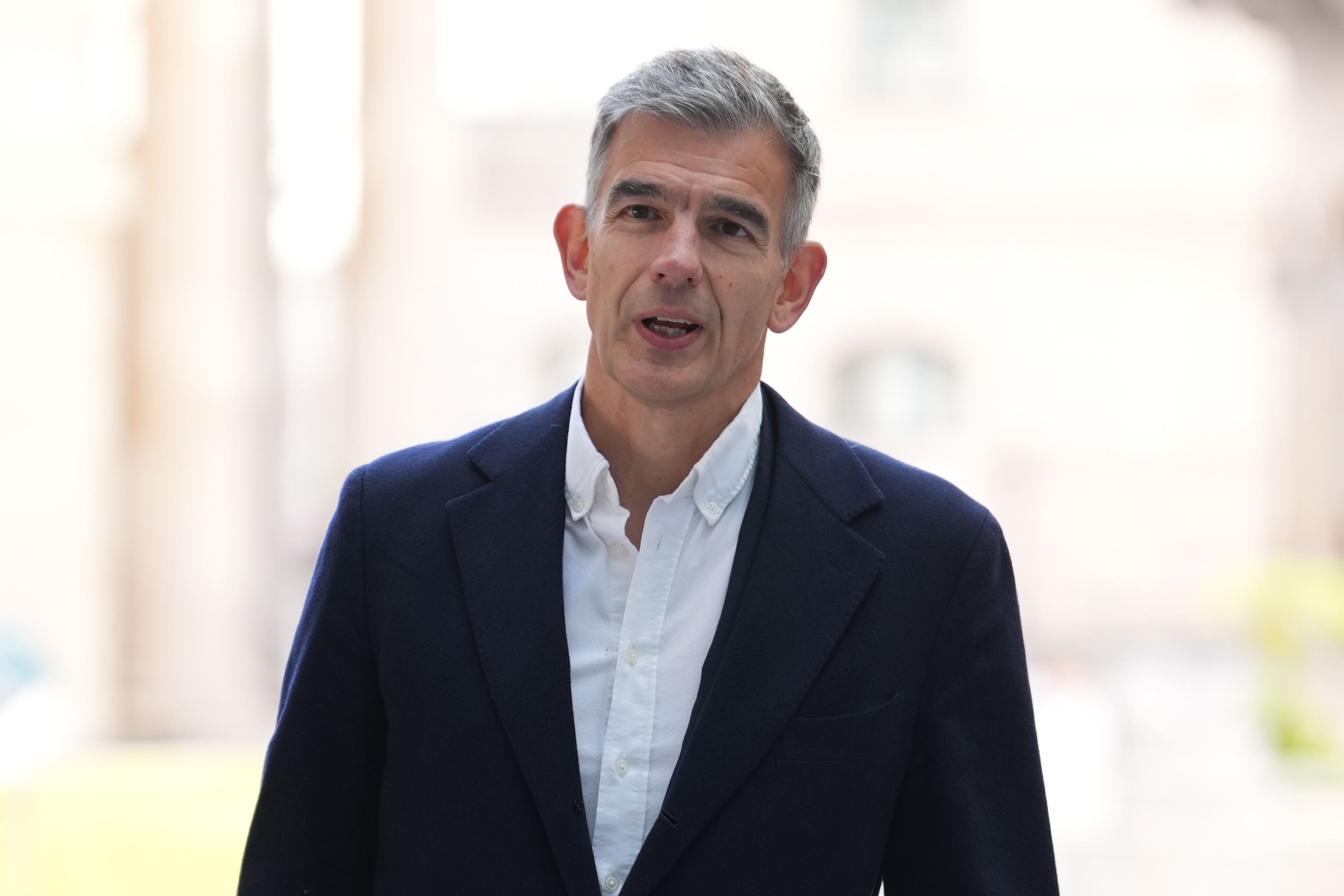
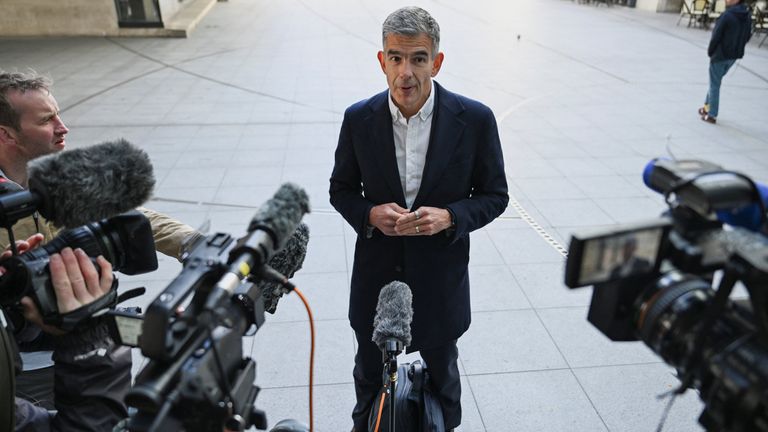
The BBC is facing unprecedented turmoil as its new Director General, Matt Brittin, enforces a series of drastic budget cuts that have sent shockwaves through the corporation. Among the most controversial decisions is the axing of the Sunday edition of the flagship morning news program, BBC Breakfast. This move has led to a dramatic boycott by the show’s presenters, who have refused to stay on air in protest.
From September onwards, the Sunday Breakfast slot will no longer feature original programming but will instead be replaced by a simulcast of the BBC News Channel. This change is part of a wider cost-cutting strategy that will see 550 jobs lost across the BBC’s news, nations, TV, and radio departments. Staff members have expressed feelings of abandonment, claiming that the corporation’s leadership has left them unsupported during this difficult transition.
Massive Job Cuts and Program Cancellations Across the BBC
The cuts announced by Matt Brittin represent the first phase of a broader plan to save £500 million. The initial £160 million savings will come from eliminating 550 positions, but further reductions could see between 1,800 and 2,000 jobs disappear across the BBC.
Radio 4 has been hit particularly hard. Its flagship Today program will reduce its presenting team from five to four, and Saturday broadcasts will feature only one anchor. Additionally, six Radio 4 shows are being cancelled outright, including The World Tonight, Midnight News, Money Box Live, AntiSocial, The Law Show, and Crossing Continents.
The BBC World Service is also facing cuts, with programs such as The Inquiry, The Conversation, and The Fifth Floor being axed. In television, production teams behind Newsnight and Sunday with Laura Kuenssberg will merge, reflecting a trend toward smaller teams and reduced output.
Staff and Industry Reactions to the BBC’s Restructuring
The announcement has sparked widespread concern among BBC staff and the broader creative industry. Cathy Sweet, head of TV and film at the performing arts union Equity, described the cuts as “devastating” and warned they would diminish the BBC’s ability to fulfill its public service remit to inform, educate, and entertain.
She emphasized the BBC’s vital role as a cornerstone of the UK’s creative sector, noting its importance as a training ground for emerging talent and an investor in local economies. Sweet called for the BBC to be revitalized rather than subjected to further cuts.
The National Union of Journalists echoed these sentiments, labeling the job losses as “devastating for audiences and communities everywhere.” They urged the government to intervene urgently to prevent further damage to the broadcaster’s services and staff morale.
The Future of BBC Breakfast and Its Impact on Audiences
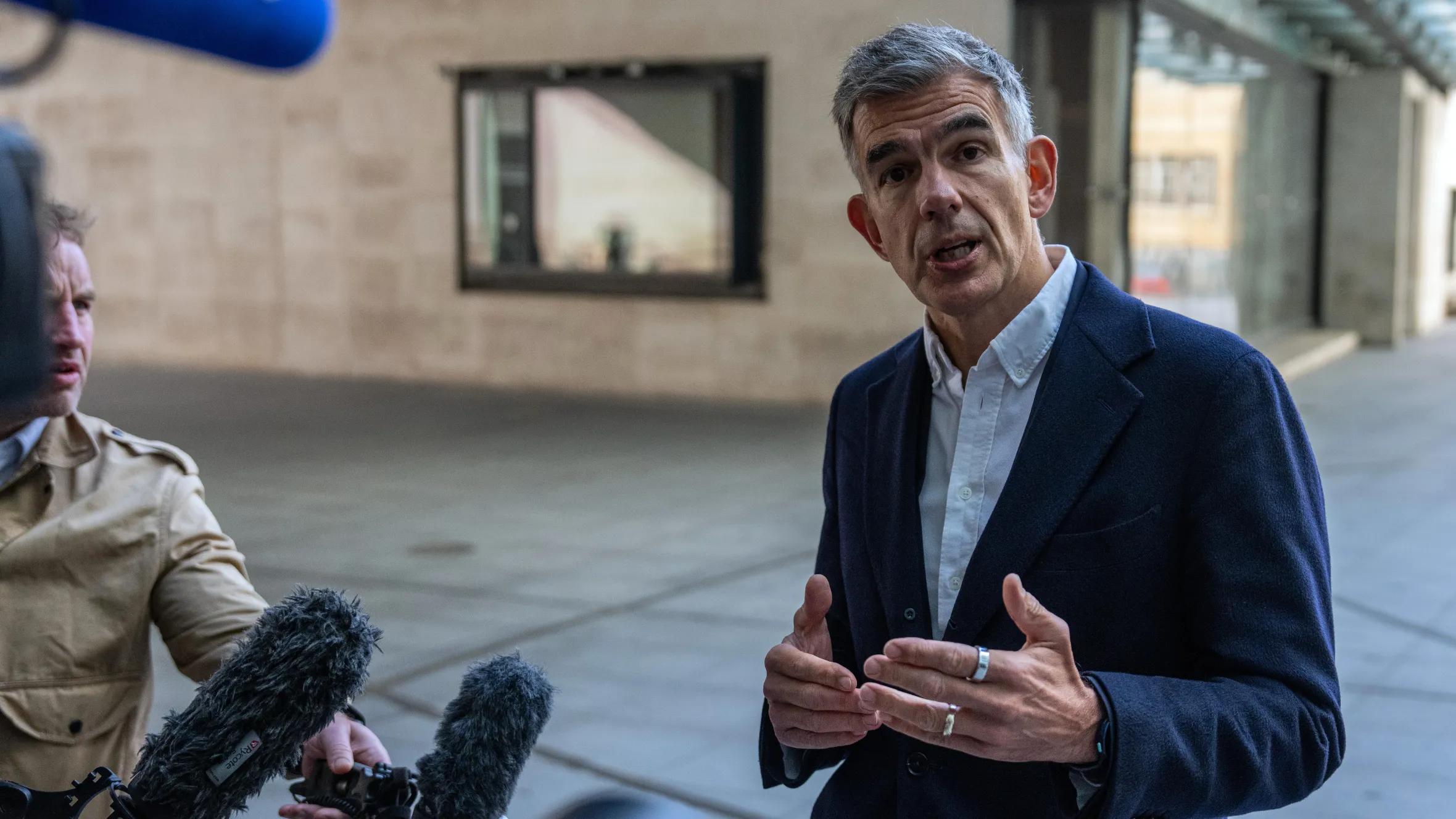
The boycott by BBC Breakfast presenters underscores the deep dissatisfaction within the corporation. The removal of the Sunday show, a staple for many viewers, is seen as a significant blow to the program’s reach and influence.
Audiences who rely on BBC Breakfast for comprehensive weekend news coverage will now have to turn to the BBC News Channel simulcast, which may not provide the same level of tailored content and presenter engagement. This shift could lead to a decline in viewer satisfaction and loyalty.
Moreover, the reduction in staff and resources threatens the overall quality of BBC news output. Smaller teams and fewer programs mean less diversity in perspectives and coverage, potentially impacting the BBC’s reputation as a trusted public broadcaster.
Matt Brittin’s Vision Amidst Uncertainty
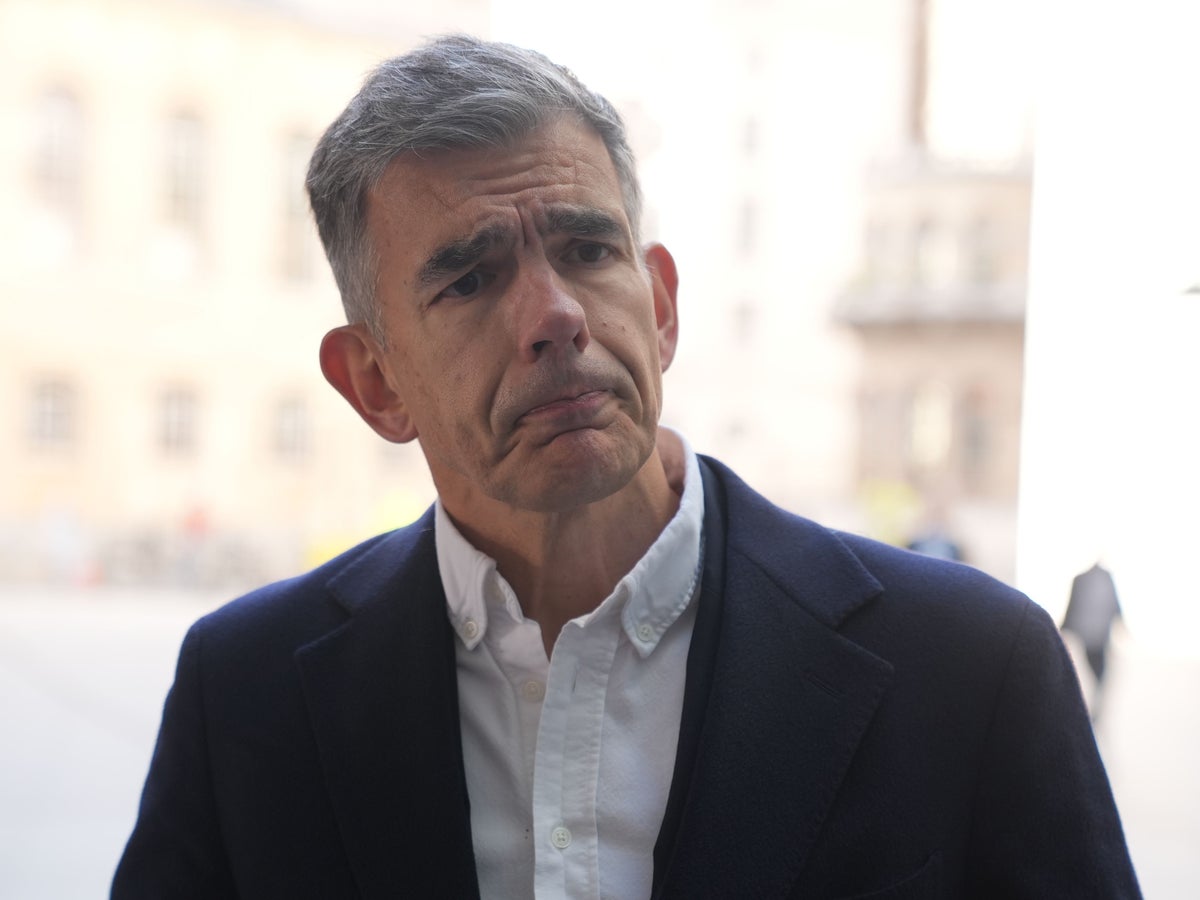
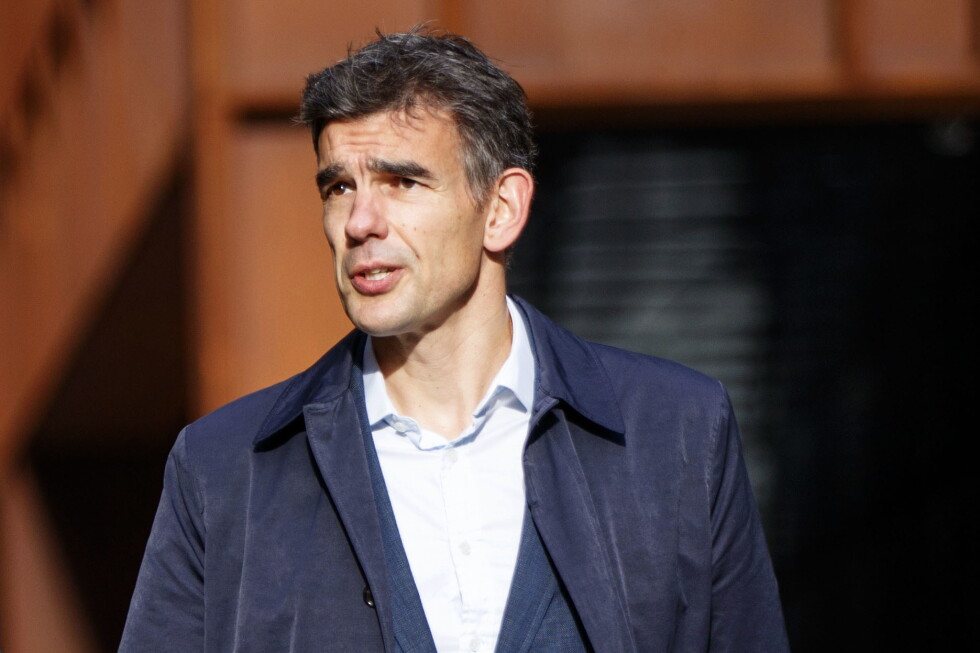
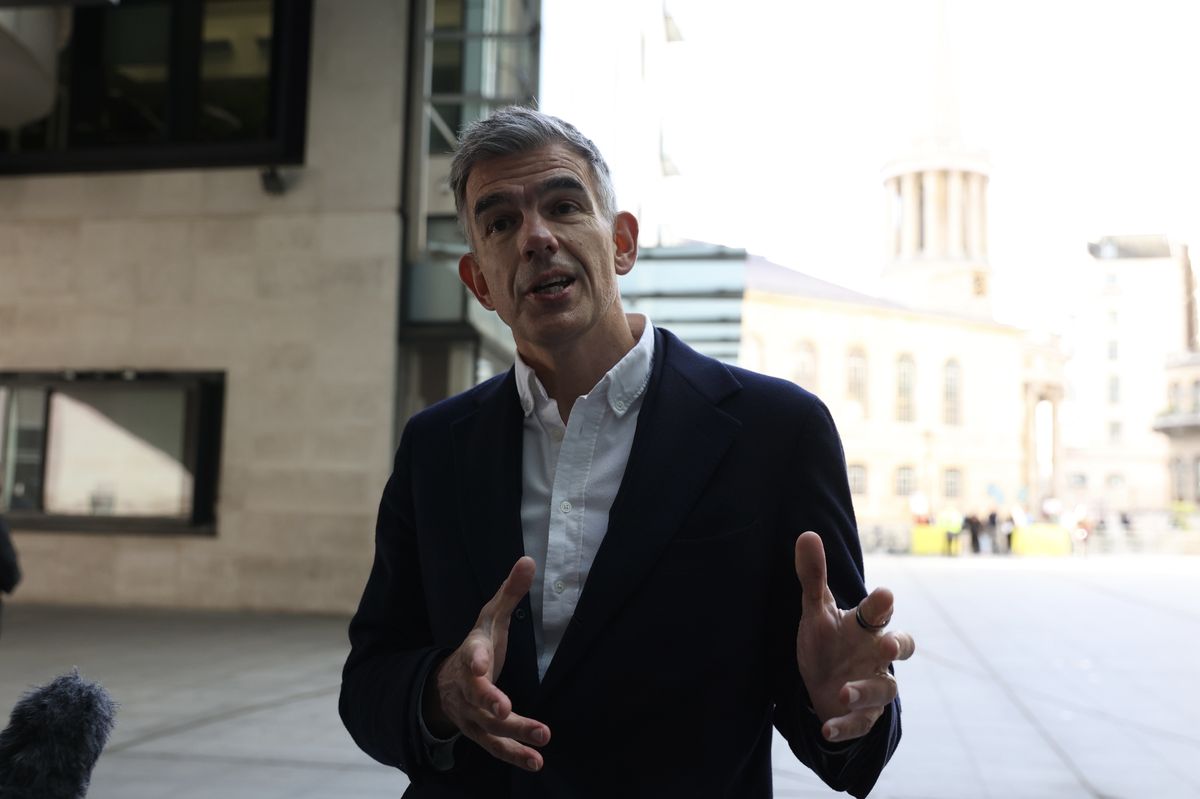
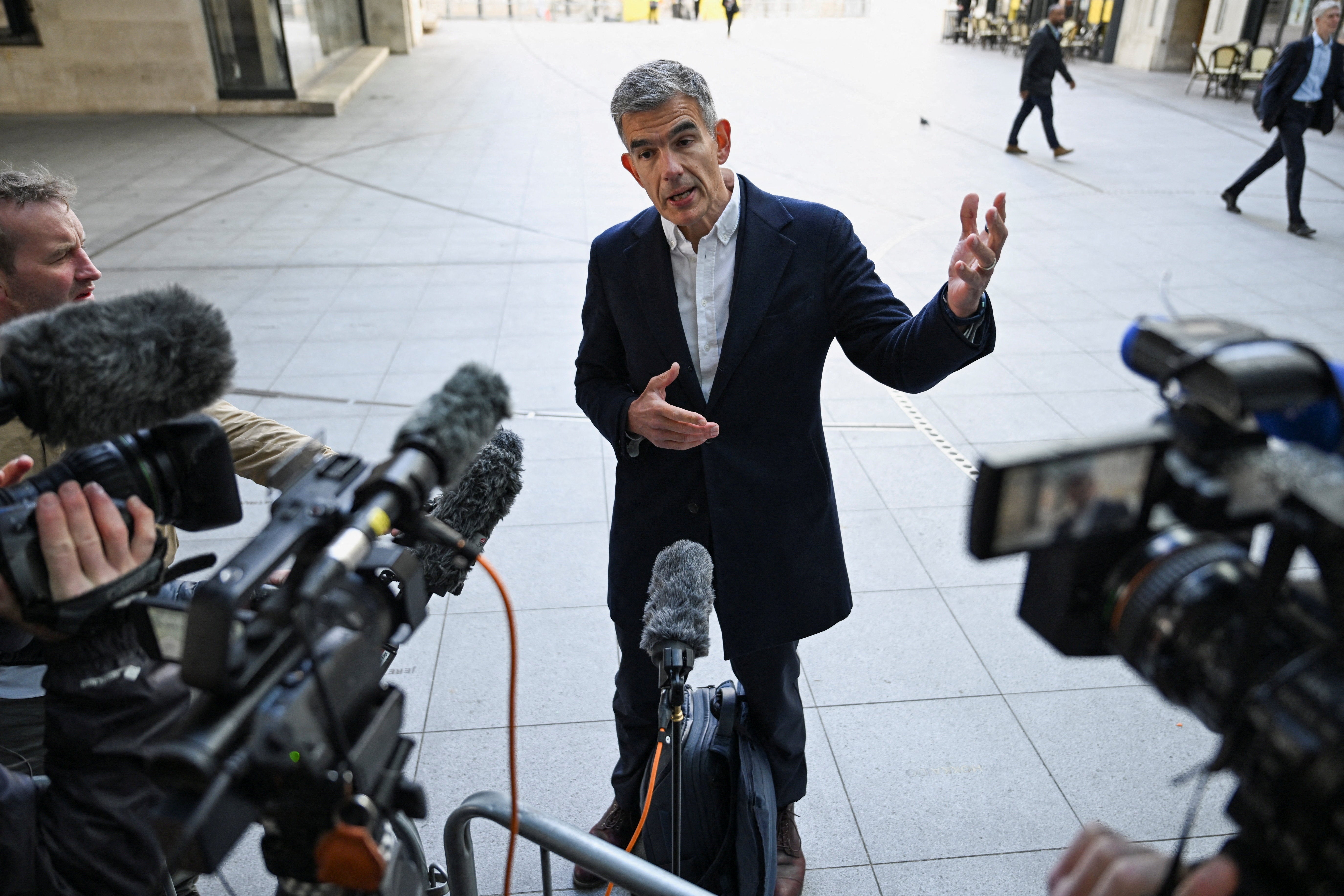
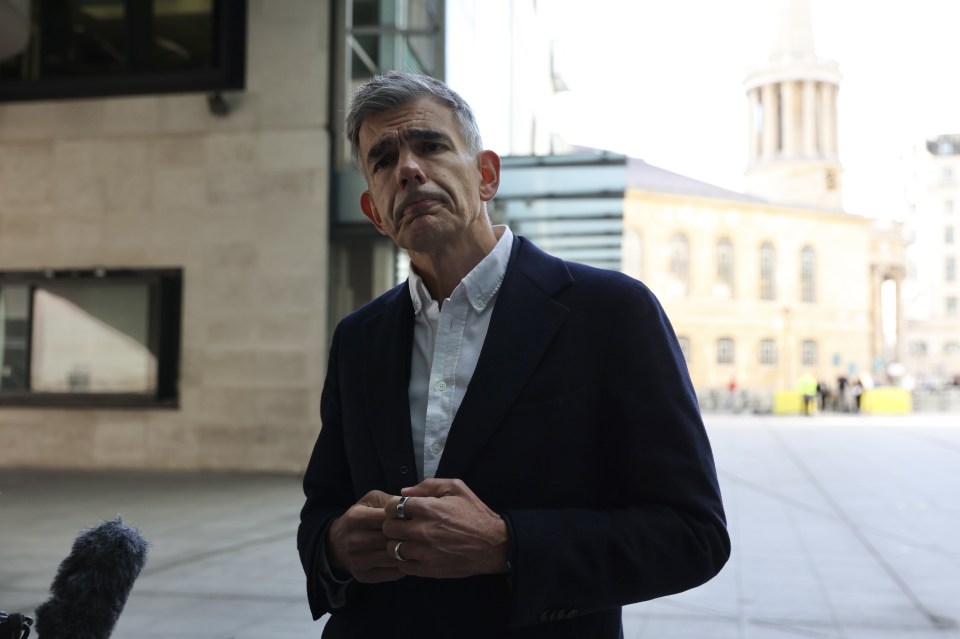
In a message to staff, Matt Brittin acknowledged the challenging environment, stating, “We live in very uncertain times. Our audiences rely on us every day to keep them informed, entertained and equipped to make sense of the world. Making savings while fulfilling our mission means a doubly difficult time for everyone.”
Despite the difficulties, Brittin’s plan aims to ensure the BBC’s financial sustainability in the face of evolving media consumption habits and funding pressures. However, the backlash from employees and unions highlights the delicate balance between cost-cutting and maintaining quality public service broadcasting.
Conclusion
The BBC Breakfast presenters’ refusal to stay on air following the axing of the Sunday show and the announcement of 550 job losses marks a critical moment for the BBC. These sweeping changes reflect broader challenges facing the corporation as it navigates financial constraints and evolving audience demands. For viewers and staff alike, the future of BBC Breakfast and the BBC’s news output remains uncertain.
If you want to stay updated on the latest developments at the BBC and how these changes might affect your favorite programs, be sure to subscribe to our newsletter and follow our coverage closely. Your support helps us keep you informed about the evolving media landscape.

Leave a Reply