
Marketa Vondrousova Suspended 4 Years for Refusing Doping Test
Marketa Vondrousova, a prominent figure in the world of professional tennis, has recently been handed a four-year suspension after refusing to submit to a doping test. This decision has sent shockwaves through the tennis community and raised important questions about anti-doping enforcement and athlete responsibilities. In this article, we delve into the circumstances surrounding Vondrousova’s suspension, the rules governing doping tests, and the potential consequences for her career and the sport at large.
The Details Behind Marketa Vondrousova’s Suspension

The suspension of Marketa Vondrousova stems from an incident where she declined to comply with a mandatory doping control procedure. According to the World Anti-Doping Agency (WADA) and the International Tennis Federation (ITF), refusal to undergo doping testing is treated with the same severity as a positive doping result. This is because such refusals undermine the integrity of anti-doping efforts and cast doubt on the athlete’s commitment to fair play.
Vondrousova’s case was reviewed thoroughly by the relevant authorities, who concluded that her refusal constituted a violation of anti-doping regulations. As a result, she has been suspended from all professional tennis competitions for a period of four years. This suspension effectively sidelines her during what could be considered the prime years of her career.
Understanding Anti-Doping Rules and Athlete Obligations

Anti-doping regulations are designed to ensure a level playing field in sports by preventing the use of performance-enhancing substances. Athletes are required to comply with testing protocols, which include providing samples for analysis upon request. Refusing to submit to a test is viewed as a serious breach because it obstructs the ability of authorities to verify that an athlete is competing clean.
The World Anti-Doping Code explicitly states that refusal or failure to submit to sample collection without compelling justification is an anti-doping rule violation. This policy applies universally across all sports and is enforced by national and international governing bodies. Athletes are educated about these rules and must acknowledge their understanding as part of their professional commitments.
In Vondrousova’s situation, the refusal to take the doping test triggered an automatic investigation. Despite any explanations she may have offered, the disciplinary panel determined that the violation warranted a four-year ban. This duration aligns with the standard sanction for serious anti-doping violations, reflecting the gravity of the offense.
Impact on Marketa Vondrousova’s Career and the Tennis Community
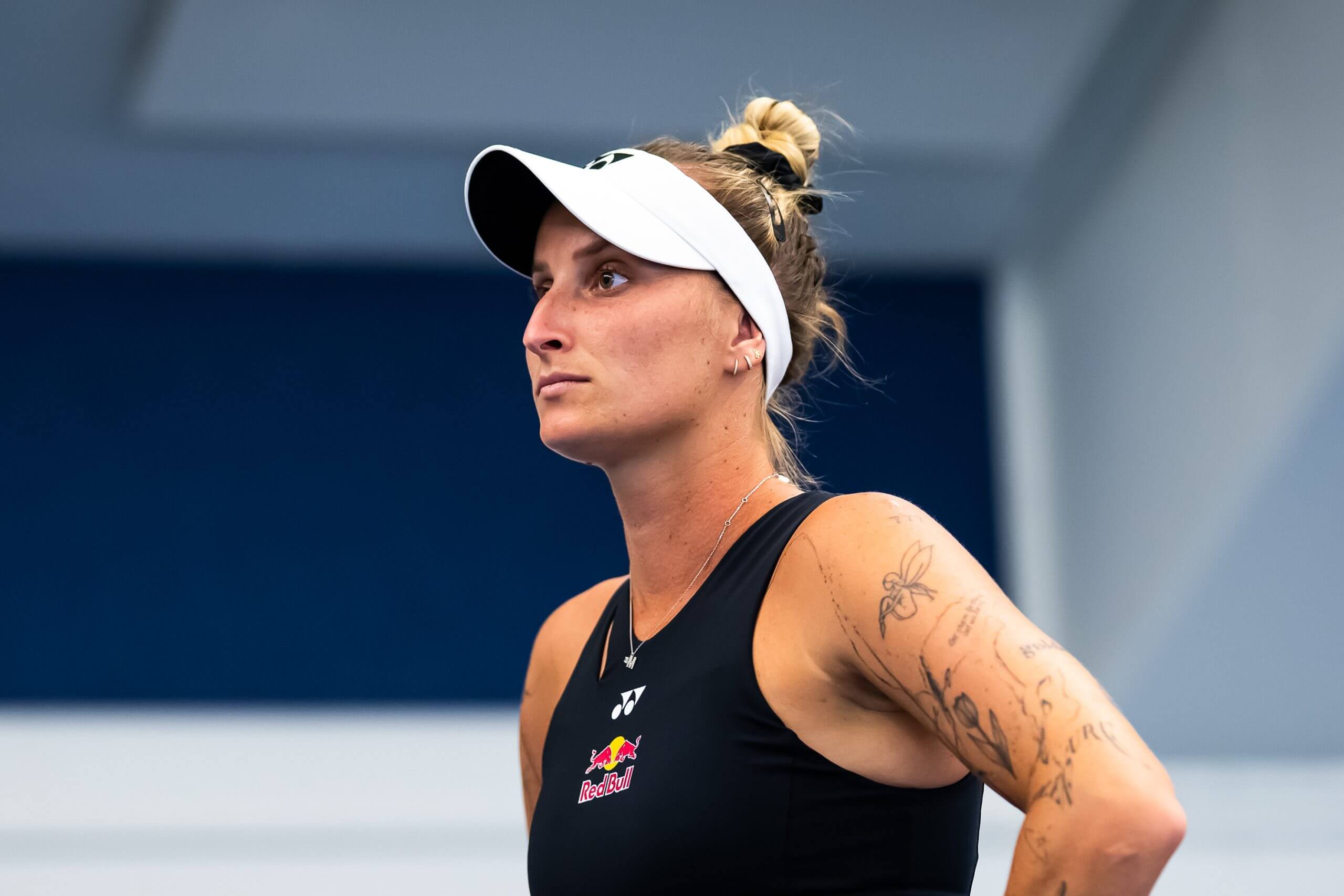
The four-year suspension poses a significant setback for Marketa Vondrousova, who has been recognized for her talent and competitive spirit on the tennis circuit. Missing out on four years of competition means losing valuable ranking points, sponsorship opportunities, and the chance to compete at major tournaments such as Grand Slams.
Moreover, the suspension affects her reputation and standing within the sport. While the ban is not a direct positive doping test, the refusal to comply with testing protocols raises suspicions and can lead to lasting damage to an athlete’s image. Fans, sponsors, and fellow competitors may view the suspension as a breach of trust.
For the broader tennis community, this case serves as a reminder of the importance of adhering to anti-doping rules. It reinforces the message that no athlete is above the regulations and that violations will be met with strict penalties. The ITF and WADA continue to emphasize education and testing to maintain fairness and integrity in tennis.
What This Means for Anti-Doping Enforcement in Sports

Marketa Vondrousova’s suspension highlights the ongoing challenges faced by anti-doping agencies in enforcing compliance. Refusals to undergo testing complicate efforts to detect and deter doping, making it essential for governing bodies to apply consistent and firm sanctions.
This case underscores the need for athletes to understand their responsibilities and the consequences of non-compliance. It also demonstrates the effectiveness of current anti-doping frameworks in holding athletes accountable, regardless of their status or achievements.
Furthermore, the suspension may prompt discussions about improving testing procedures, athlete education, and support systems to reduce instances of refusal. Ensuring transparency and fairness in the disciplinary process is also critical to maintaining trust among stakeholders.
Preventing Future Violations: Education and Awareness

To prevent similar incidents, sports organizations are investing in comprehensive education programs that inform athletes about anti-doping rules, testing protocols, and the importance of cooperation. These initiatives aim to foster a culture of clean sport and encourage athletes to take ownership of their compliance obligations.
Athletes are encouraged to communicate openly with anti-doping authorities if they face any issues or misunderstandings related to testing. Providing clear guidance and support can help reduce accidental or intentional refusals.
By promoting awareness and accountability, the sports community can work together to uphold the principles of fair competition and protect the integrity of athletic performance.
Conclusion
Marketa Vondrousova’s four-year suspension for refusing a doping test serves as a critical example of the strict enforcement of anti-doping regulations in professional sports. This case not only impacts her career but also reinforces the importance of compliance and integrity in tennis and beyond. Athletes must recognize their responsibilities and the consequences of non-compliance to maintain a level playing field for all competitors. Stay informed about the latest developments in sports regulations and support clean competition by following trusted sources and engaging with educational resources.


Leave a Reply