Drip Irrigation: Efficient Watering for Sustainable Agriculture
Understanding Drip Irrigation and Its Benefits
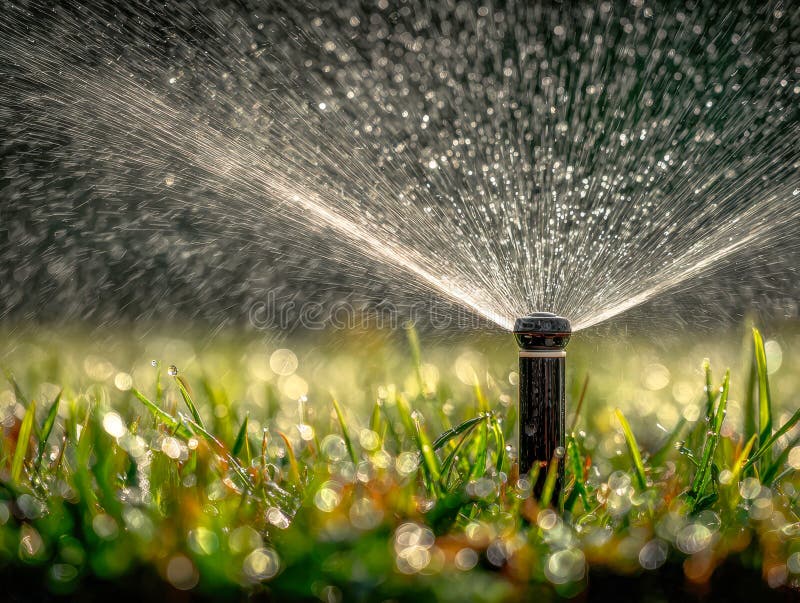
Drip irrigation is a modern watering technique designed to deliver water directly to the roots of plants through a network of tubes, pipes, and emitters. Unlike traditional irrigation methods such as sprinklers or flood irrigation, drip irrigation minimizes water wastage by applying moisture precisely where it is needed. This targeted approach not only conserves water but also enhances plant health by maintaining optimal soil moisture levels.
One of the primary benefits of drip irrigation is its water efficiency. By reducing evaporation and runoff, drip systems can save up to 50% more water compared to conventional irrigation methods. This makes it an ideal solution for areas facing water scarcity or for gardeners and farmers seeking to reduce their environmental footprint. Additionally, drip irrigation helps prevent weed growth by limiting water distribution to non-target areas, thereby reducing competition for nutrients.
How Drip Irrigation Systems Work
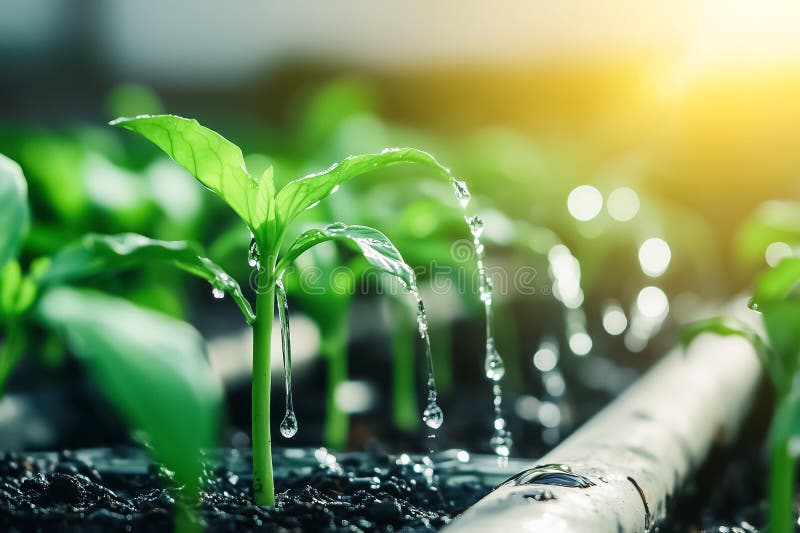
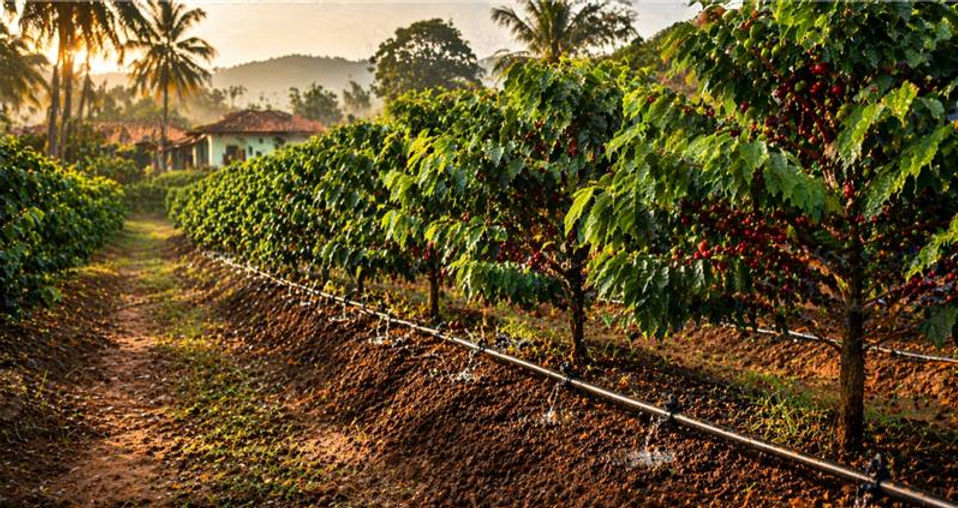
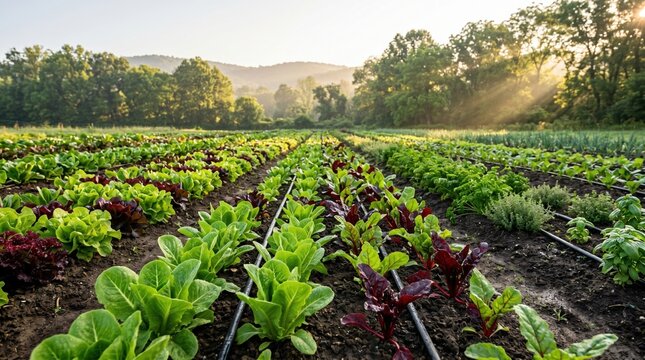
A typical drip irrigation system consists of a water source, a mainline pipe, lateral tubing, emitters, and sometimes filters and pressure regulators. Water flows from the source through the mainline and into the lateral tubes, which run along the rows of plants. Emitters attached to these tubes release water slowly and consistently at the base of each plant.
Pressure regulators ensure the water is delivered at a steady rate, preventing damage to the system and ensuring uniform distribution. Filters are often included to prevent clogging by removing debris from the water. The system can be automated with timers, allowing for scheduled watering that aligns with the plants’ needs and local climate conditions.
Installing a Drip Irrigation System: Tips and Best Practices
Setting up a drip irrigation system requires careful planning to maximize its effectiveness. Begin by assessing your garden or farm layout, identifying the types of plants, and determining their water requirements. This information helps in selecting the right emitters and spacing them appropriately.
Before installation, flush the water source and tubing to remove any debris. Lay out the mainline and lateral tubes, securing them with stakes to keep them in place. Attach emitters near the root zones of each plant, ensuring they are positioned to deliver water evenly.
Regular maintenance is crucial for a long-lasting system. Check for leaks, clogged emitters, and damaged tubing periodically. Cleaning filters and flushing the system at the start and end of the growing season can prevent blockages and extend the life of your drip irrigation setup.
Why Choose Drip Irrigation for Your Garden or Farm?
Drip irrigation stands out as a sustainable and cost-effective watering solution. Its precision watering reduces water consumption and lowers utility bills, making it economically advantageous over time. Moreover, by maintaining consistent soil moisture, plants experience less stress, resulting in higher yields and better quality produce.
This irrigation method is versatile and suitable for various crops, including vegetables, fruits, flowers, and even trees. It can be adapted to different soil types and terrains, including slopes where traditional irrigation may cause erosion.
Furthermore, drip irrigation supports environmental conservation efforts by minimizing water runoff and soil erosion. It also reduces the risk of fungal diseases by keeping foliage dry, which is beneficial for plant health.
Common Challenges and How to Overcome Them
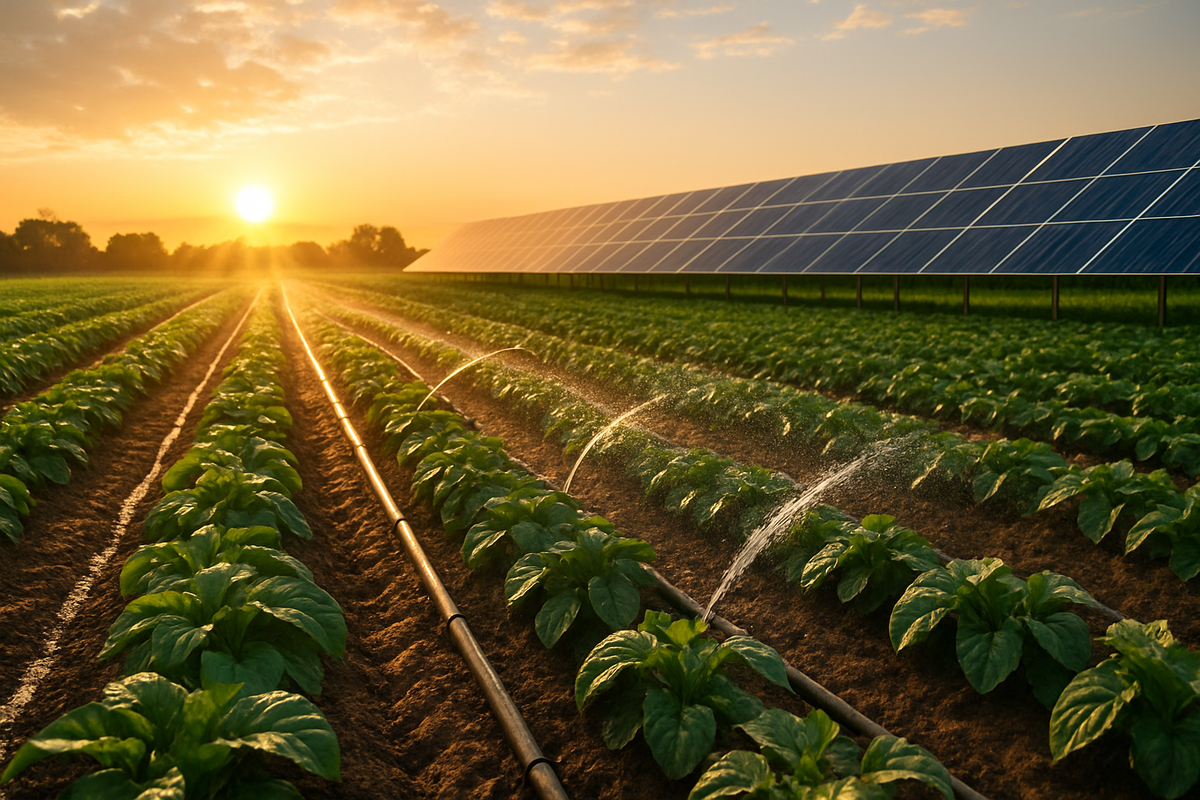
While drip irrigation offers numerous benefits, it is not without challenges. One common issue is emitter clogging, which can be mitigated by using high-quality filters and regular system maintenance. Another challenge is the initial cost of installation, which can be higher than traditional methods; however, the long-term water savings and increased crop productivity often justify the investment.
Proper system design is essential to avoid uneven water distribution. Consulting with irrigation specialists or using design software can help create an efficient layout tailored to your specific needs.
Conclusion

Drip irrigation is a highly effective and sustainable watering method that conserves water, enhances plant health, and improves crop yields. By delivering water directly to the root zone, it reduces waste and supports environmentally friendly farming and gardening practices. Whether you are a home gardener or a commercial farmer, investing in a drip irrigation system can lead to significant benefits in water savings and plant productivity. Start planning your drip irrigation setup today and take a step towards smarter, greener watering solutions!


Leave a Reply