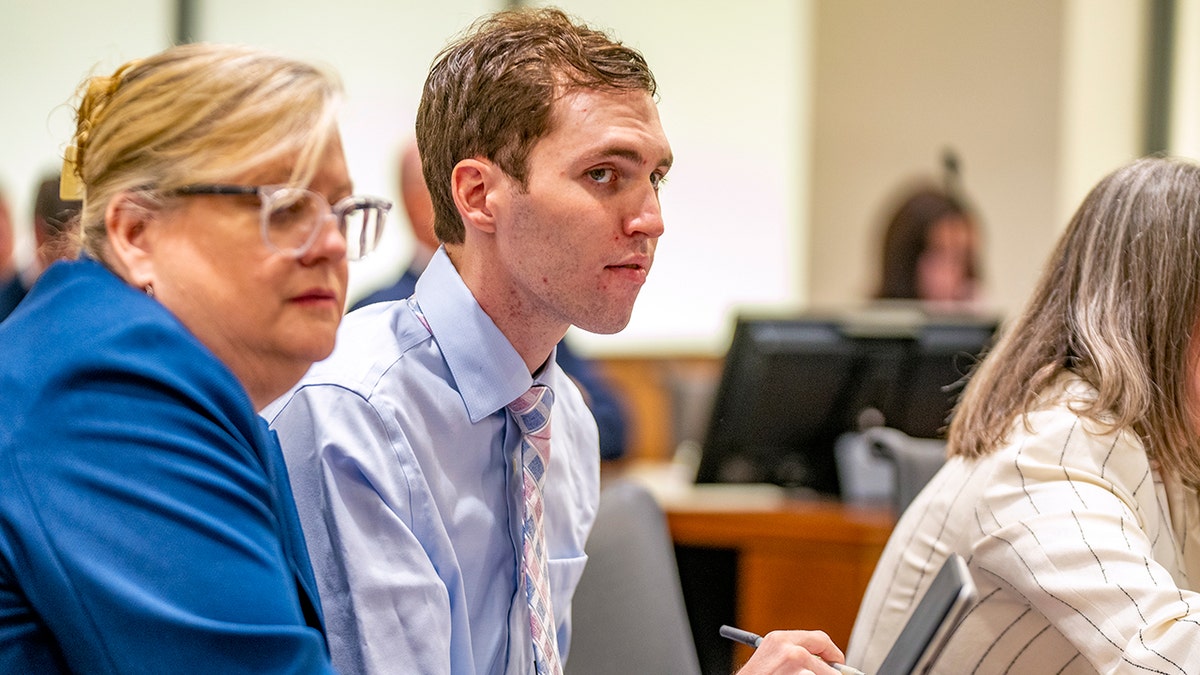
Accused Charlie Kirk Assassin Tyler Robinson Dealt Courtroom Blow, Days Before Pivotal Hearing
Tyler Robinson Faces Setback as Cameras Allowed in Courtroom Ahead of Preliminary Hearing
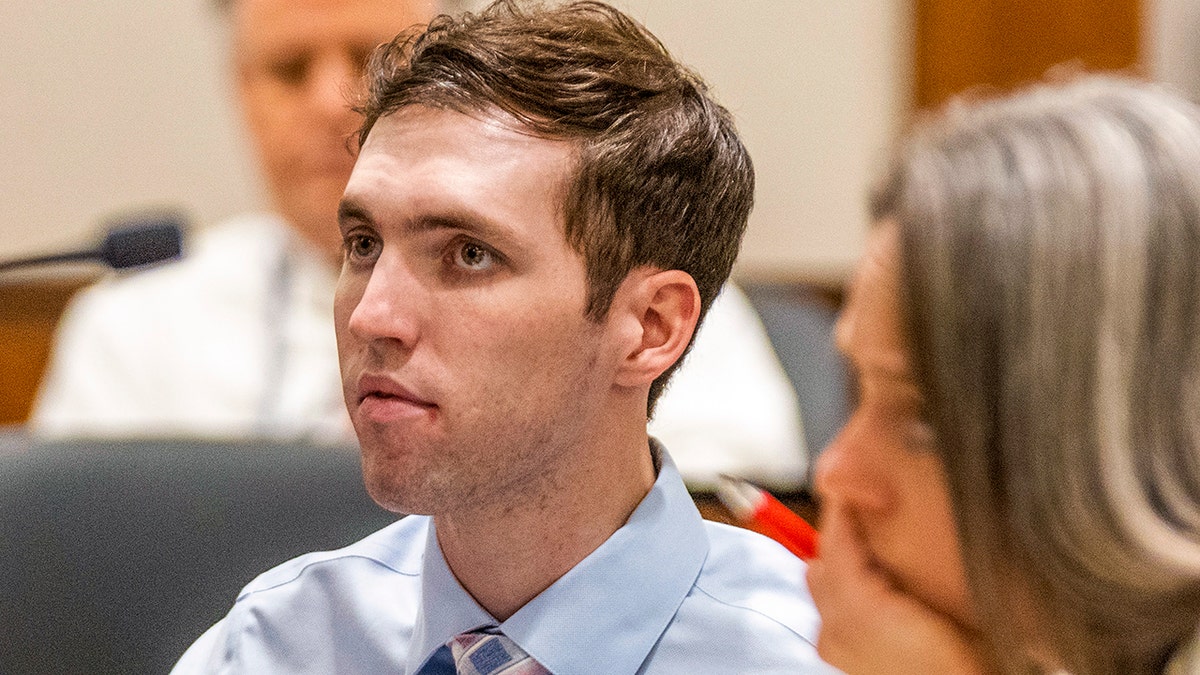
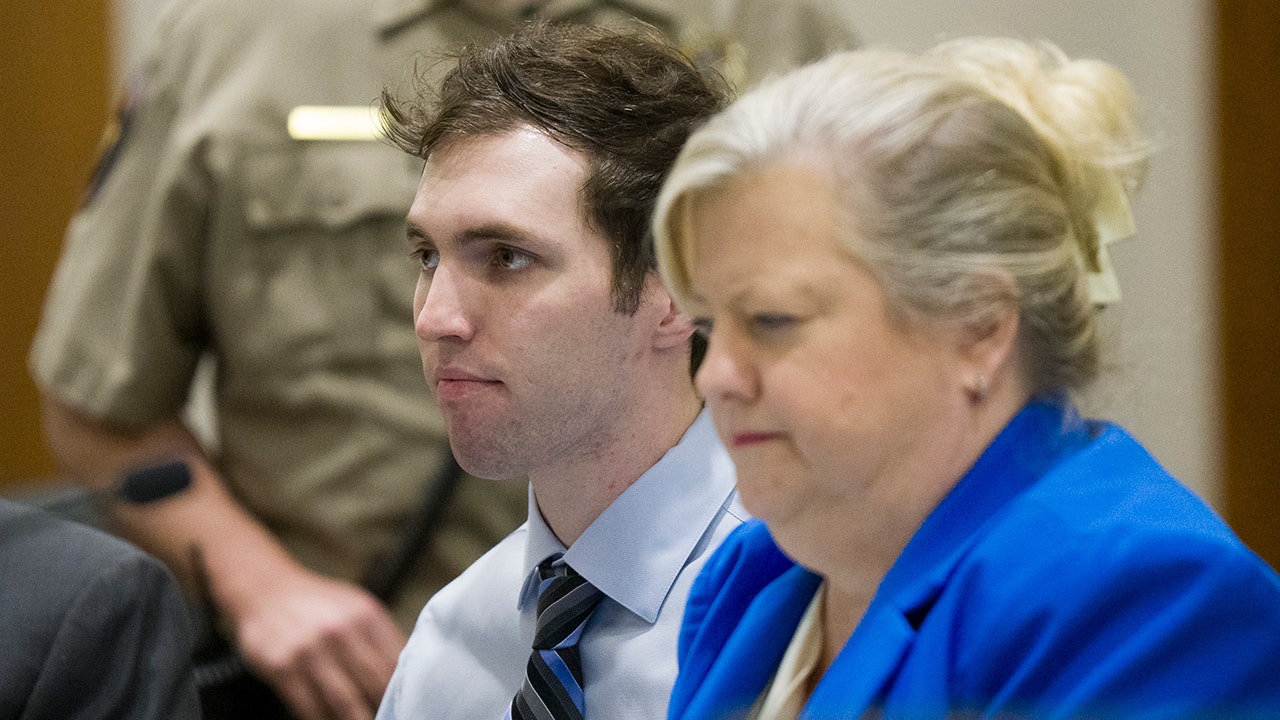
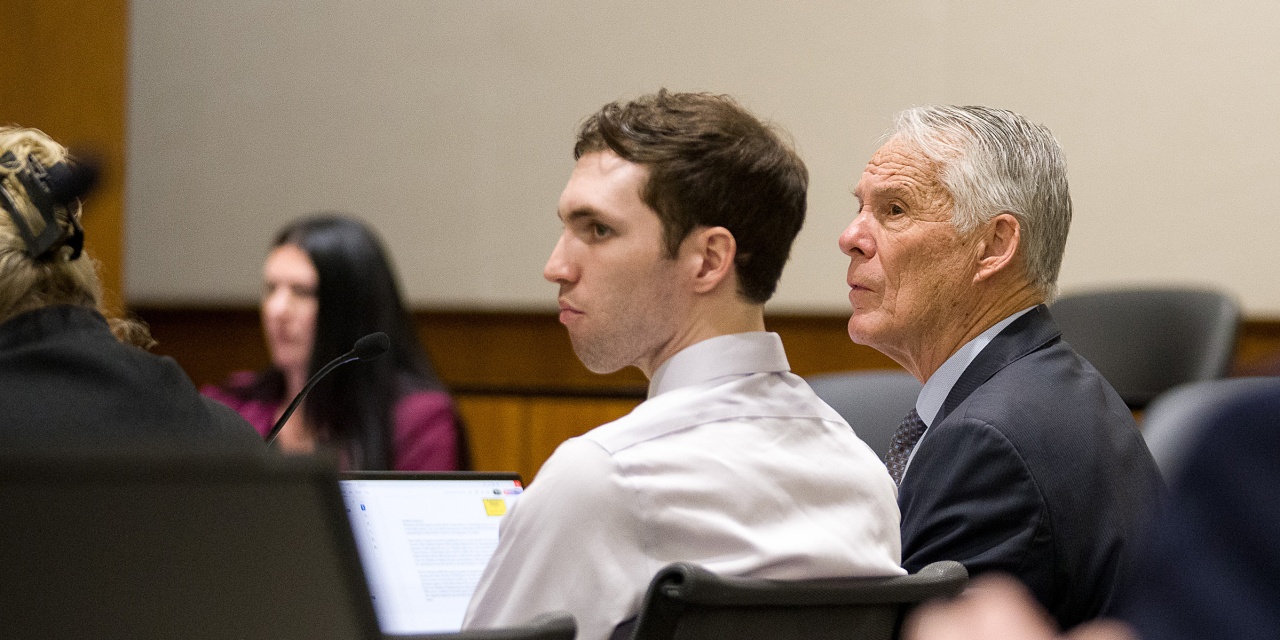
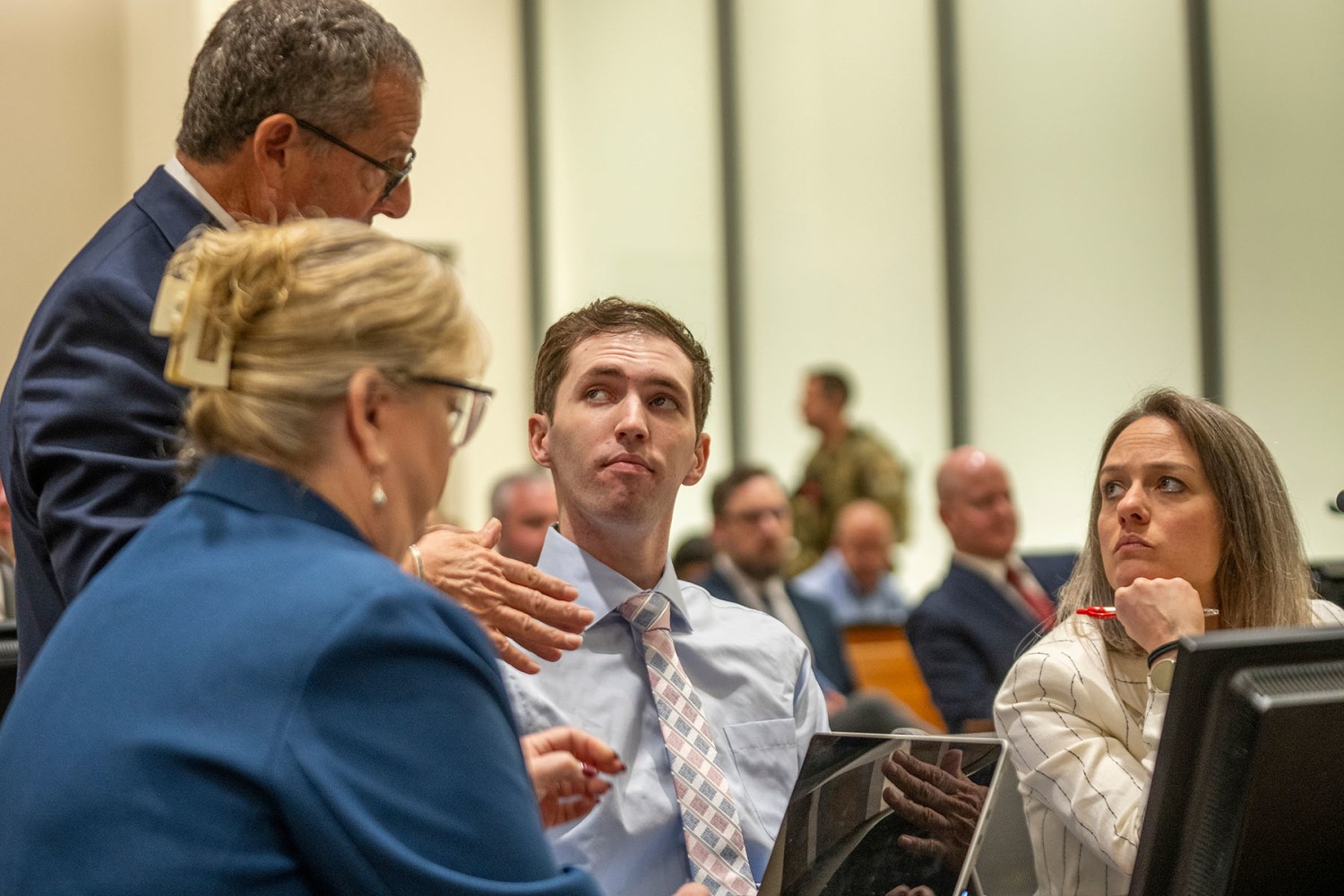
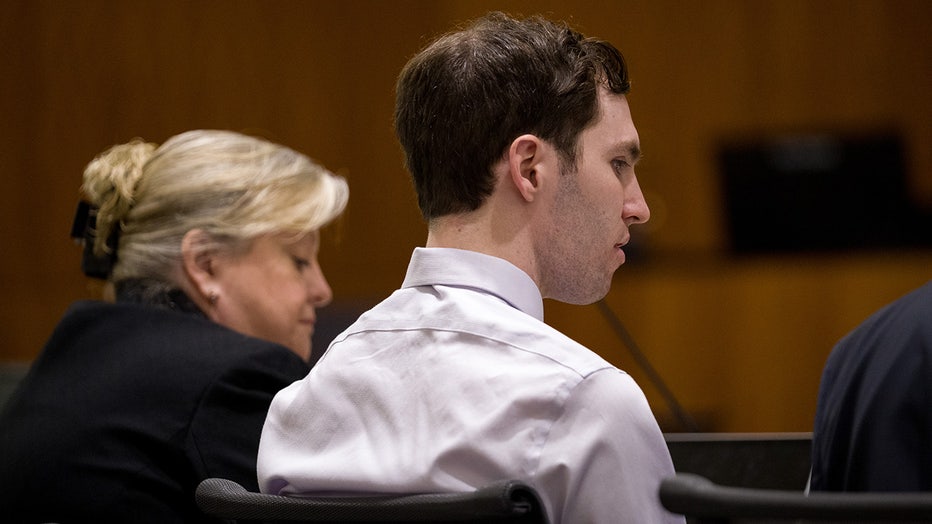
Just days before prosecutors are set to present their evidence in the high-profile assassination case of Charlie Kirk, the defense team for Tyler Robinson encountered a major courtroom defeat. On Thursday, the Utah Supreme Court declined to hear Robinson’s appeal against a ruling that permits cameras inside the courtroom during the upcoming preliminary hearing. This decision effectively removes a significant obstacle for the prosecution and ensures that the hearing will be accessible to the public and media.
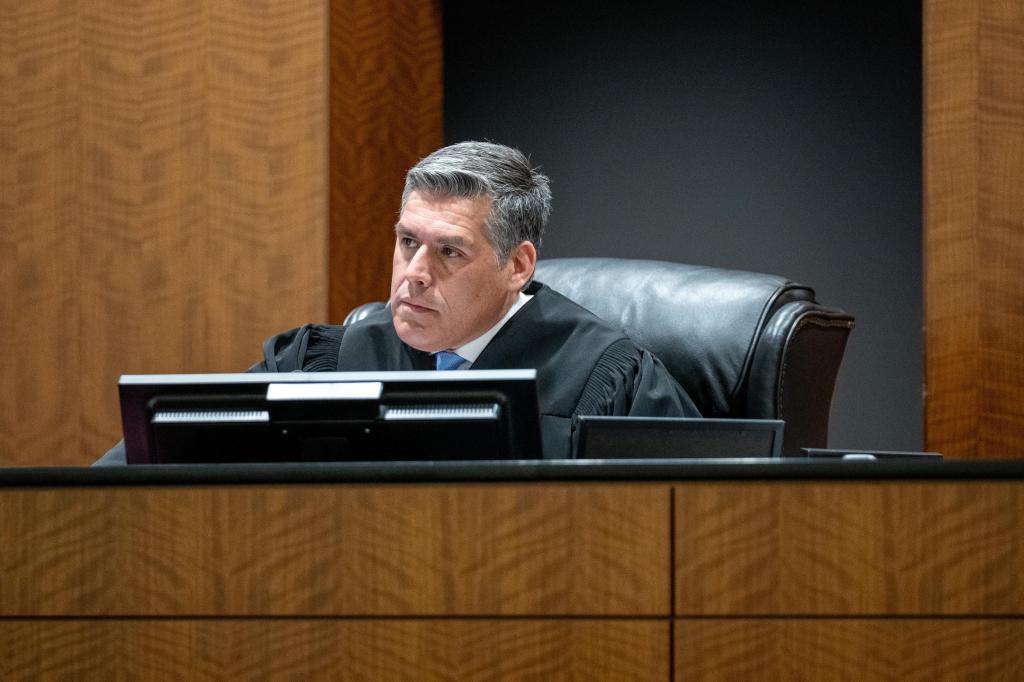
The court’s brief order stated, “The petition for permission to appeal from an interlocutory order is denied. The motion to stay is deemed moot.” This ruling follows Fourth District Judge Tony Graf Jr.’s earlier decision allowing cameras, which Robinson’s defense had vigorously opposed. The denial of the appeal means the preliminary hearing will proceed as scheduled, with cameras capturing the proceedings.
Background of the Case and Recent Legal Developments
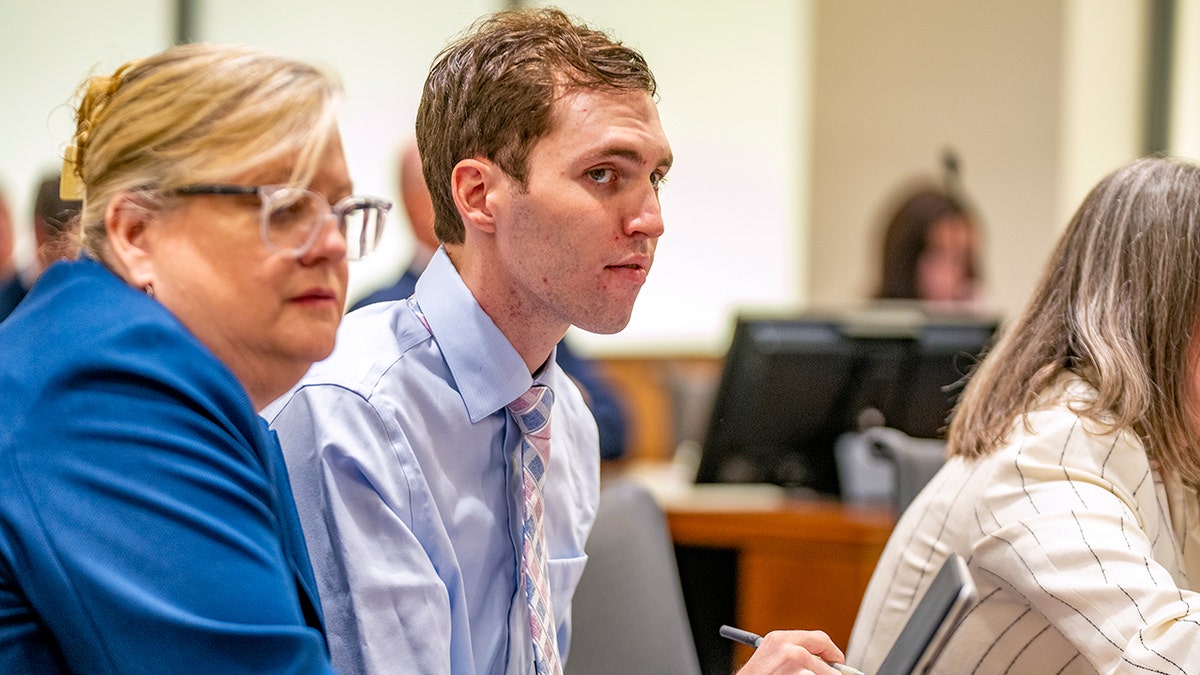
Tyler Robinson, 23, stands accused of assassinating Charlie Kirk, the founder of Turning Point USA, during a public speaking event at Utah Valley University on September 10, 2025. Prosecutors allege that Robinson fatally shot Kirk before fleeing the scene. He faces charges of aggravated murder, with the prosecution seeking the death penalty. To date, Robinson has not entered a plea.
In the months leading up to the hearing, Robinson’s defense team has aggressively challenged several pretrial rulings by Judge Graf. One notable recent setback was the denial of Robinson’s request to remove the death penalty as a potential punishment. Despite a finding of civil contempt against a Utah County prosecutor for media comments, Judge Graf ruled that eliminating the death penalty would be “grossly disproportionate.” Instead, the judge expanded jury selection safeguards to ensure Robinson’s right to a fair trial.
Additional defense petitions remain pending before the Utah Supreme Court. These include challenges to the admissibility of certain hearsay evidence and a request to compel key witness Lance Twiggs to testify in person. The court has yet to issue rulings on these matters.
What to Expect at the Preliminary Hearing
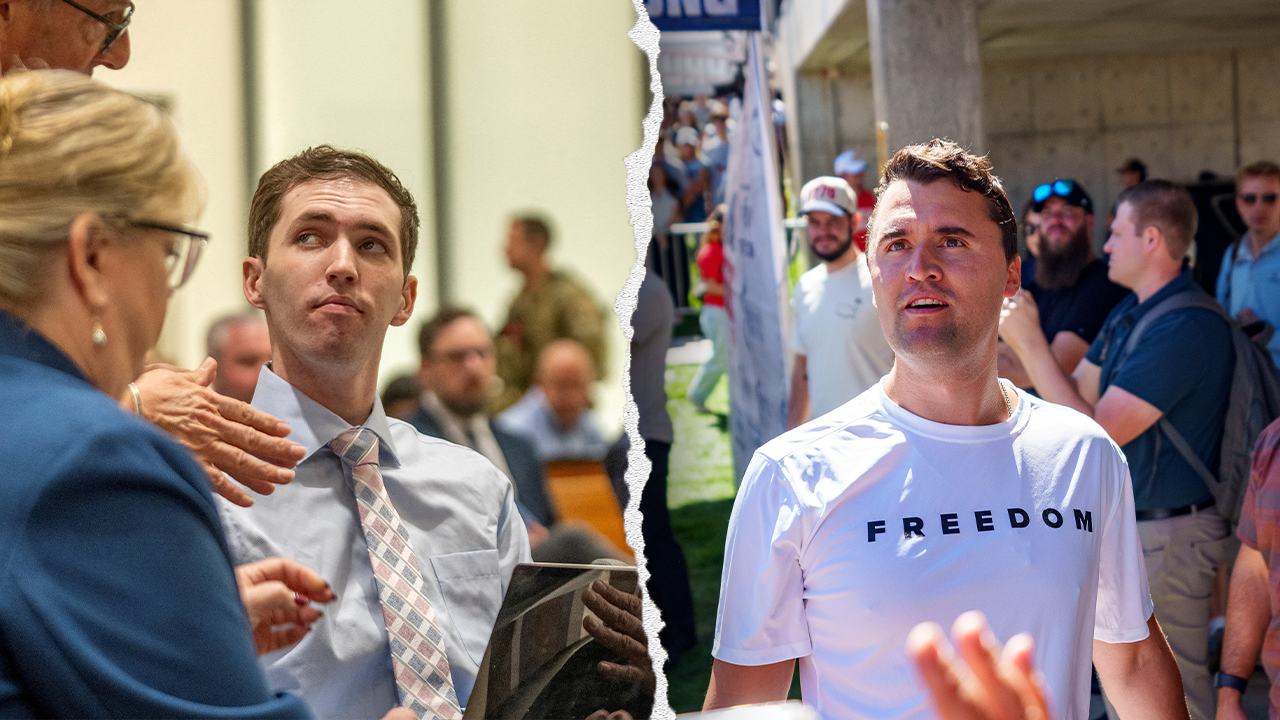
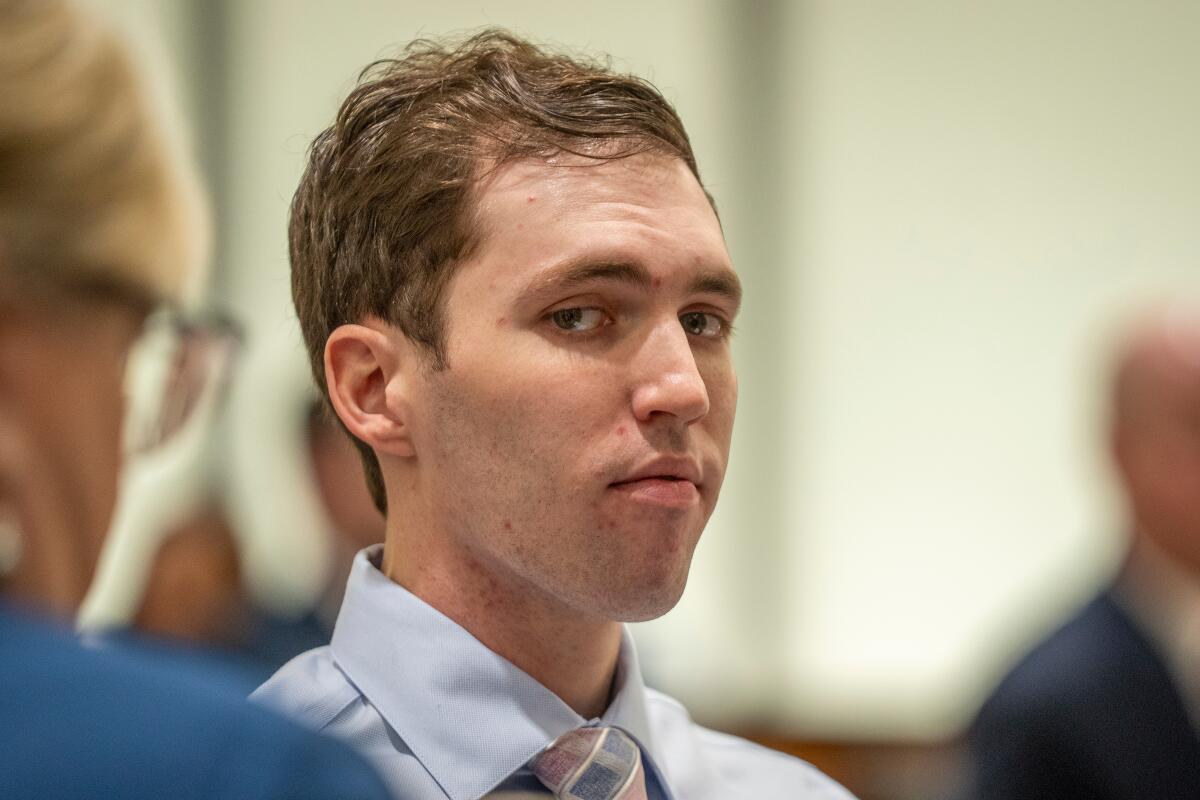
Next week’s preliminary hearing will mark the public’s first detailed opportunity to hear the evidence prosecutors have gathered against Tyler Robinson. The prosecution must establish probable cause that Robinson committed the crimes charged before the case can proceed to trial. This hearing is therefore a pivotal moment in the judicial process.
The presence of cameras in the courtroom will allow the public and media to witness the proceedings firsthand, increasing transparency in this highly sensitive and widely followed case. Charlie Kirk’s parents and widow are expected to attend the hearing, underscoring the emotional weight and public interest surrounding the trial.
Implications of the Court’s Decision on the Tyler Robinson Case
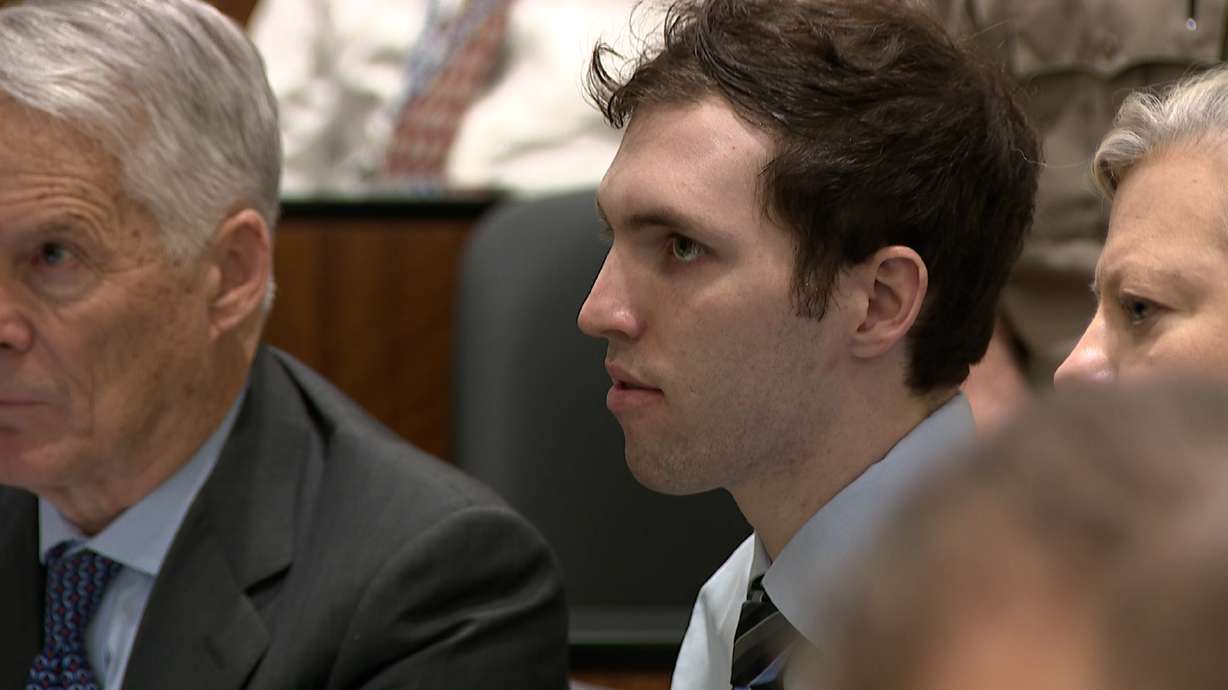
The Utah Supreme Court’s refusal to block cameras and delay the hearing represents a significant blow to the defense strategy. Robinson’s legal team had argued that media coverage could prejudice potential jurors and compromise Robinson’s right to a fair trial. However, the court’s ruling prioritizes transparency and public access to the judicial process.
This decision also signals that the court is unlikely to grant further delays or concessions to the defense as the case moves forward. With the death penalty still on the table and key evidentiary challenges unresolved, Robinson’s preliminary hearing promises to be a critical juncture in the pursuit of justice for Charlie Kirk.
Next Steps for the Defense and Prosecution
Following the preliminary hearing, if probable cause is established, the case will advance to trial. The defense will likely continue to contest evidence and procedural rulings in an effort to protect Robinson’s rights. Meanwhile, prosecutors will aim to build a compelling case to secure a conviction and justify the pursuit of the death penalty.
The ongoing legal battles, including pending appeals and evidentiary disputes, will remain closely monitored by legal experts, media, and the public. The outcome of these proceedings will have profound implications not only for Tyler Robinson but also for the broader community affected by Charlie Kirk’s assassination.
Conclusion
The Utah Supreme Court’s recent decision to allow cameras in the courtroom and deny Tyler Robinson’s appeal marks a crucial development in the assassination case of Charlie Kirk. As the preliminary hearing approaches, the public will gain unprecedented access to the evidence and legal arguments that will shape the future of this high-profile trial. Stay informed on this evolving story and the pursuit of justice by following our updates closely. For more in-depth coverage and expert analysis, subscribe to our newsletter today and never miss a critical update.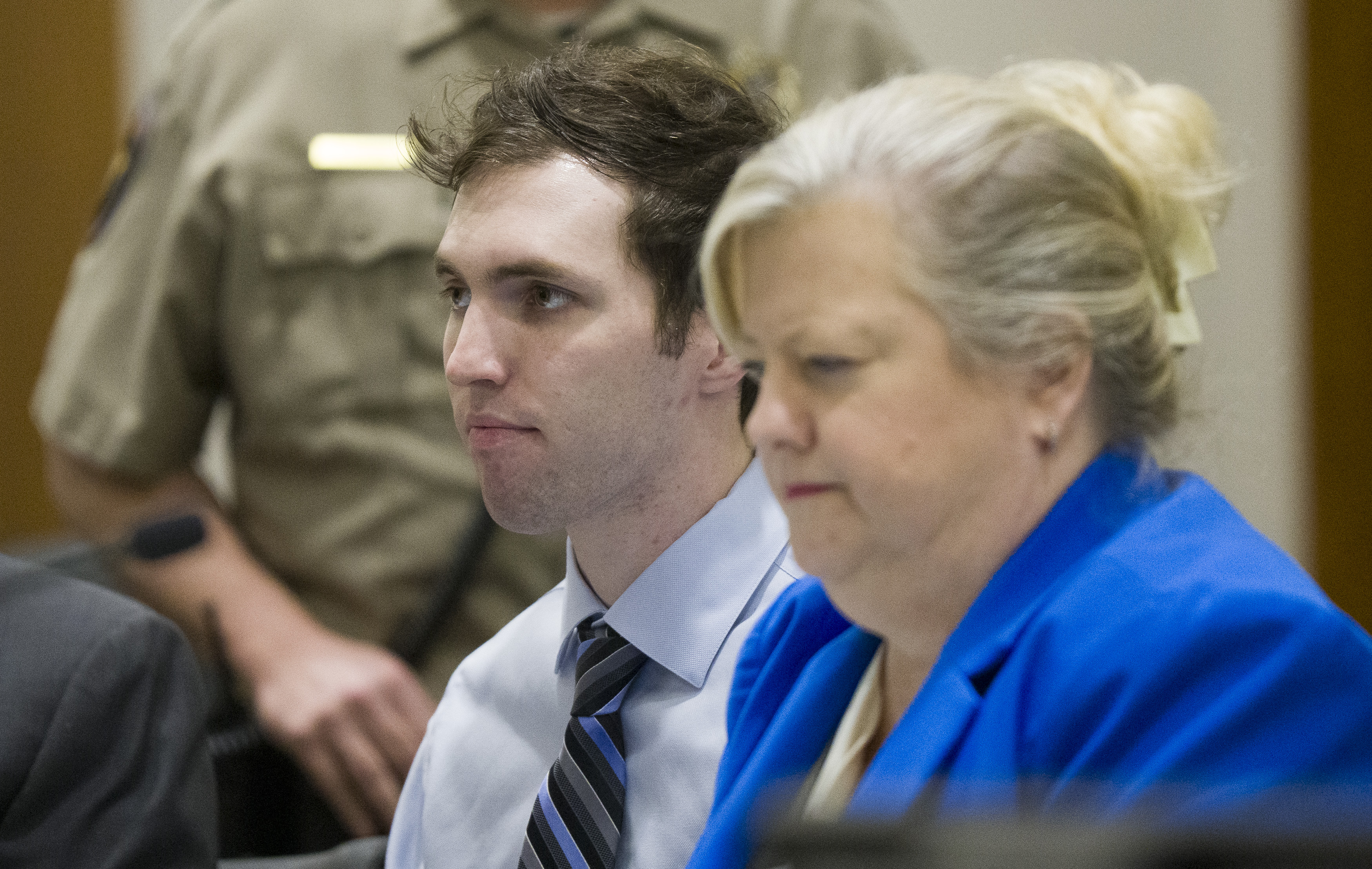
Leave a Reply