I’m the ‘World’s Ugliest Man’ — My Rare Disease Turns My Muscles and Tissue Into Bone
Understanding Fibrodysplasia Ossificans Progressiva (FOP): The ‘Stone Man Disease’
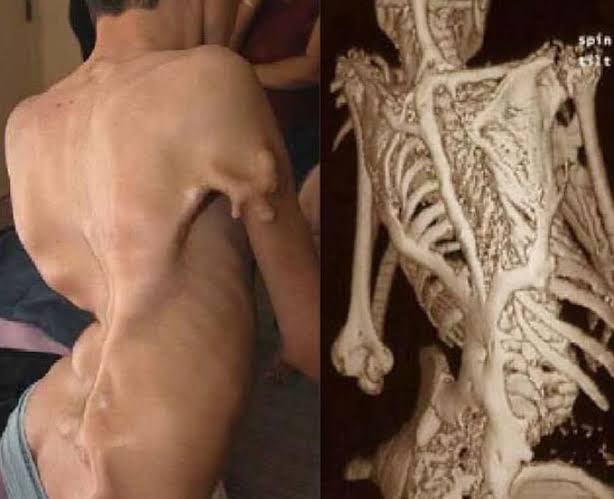
Fibrodysplasia ossificans progressiva, commonly referred to as FOP or “stone man disease,” is an extraordinarily rare genetic disorder that causes muscles, tendons, and connective tissues to gradually ossify, or turn into bone. This progressive condition severely restricts movement and can lead to lifelong disability. Affecting approximately one in a million people worldwide, FOP is characterized by the abnormal growth of bone in areas where bone should not exist, essentially creating a second skeleton.
The disease typically begins in childhood, often with stiffness in the neck and shoulders, and progressively worsens as more muscles and tissues ossify. Over time, the joints become immobilized, and the affected individual loses the ability to perform everyday tasks. In severe cases, ossification around the jaw and ribcage can impair speech, eating, and breathing, making the condition life-threatening.
What makes FOP particularly alarming is that any trauma to the body—such as a fall, surgery, or even viral infections like the flu—can accelerate the abnormal bone growth. Even routine medical procedures, including vaccinations or dental work, may trigger flare-ups, causing painful swelling and rapid ossification.
The Life and Challenges of Godfrey Baguma: The ‘World’s Ugliest Man’

Godfrey Baguma, a 63-year-old man from Uganda, has been living with FOP for decades. Despite the physical hardships imposed by the disease, Godfrey embraces his identity with remarkable courage. In 2002, he won a contest for Uganda’s ugliest person, a title he proudly owns as the “world’s ugliest man.” While many might find such a label hurtful, Godfrey sees it as a symbol of his uniqueness and resilience.
Born in a small village, Godfrey first noticed symptoms of FOP at the age of 10 when his cheek began to swell abnormally. However, it wasn’t until adulthood that he received a formal diagnosis, after years of enduring ridicule and discrimination. People often called him names like “gorilla,” “monkey,” or “baboon,” but Godfrey has learned to live beyond these hurtful labels.
Despite his condition, Godfrey has built a fulfilling life. He is a father of eight children and has pursued passions in music, motivational speaking, and comedy. His wife, Namande Kate, stands by him, emphasizing that true beauty lies in the heart, not appearance. Godfrey’s story is a powerful testament to self-acceptance and overcoming adversity.
Treatment Options and Living with FOP

Currently, there is no cure for fibrodysplasia ossificans progressiva, but recent medical advances offer hope. In 2023, the FDA approved a drug designed to limit new bone formation in FOP patients, marking a significant breakthrough in managing the disease’s progression. This medication helps reduce the frequency and severity of flare-ups, improving quality of life.
In addition to pharmacological treatments, individuals with FOP often require supportive care, including corticosteroids to manage pain and swelling during flare-ups, and antibiotics to prevent respiratory infections, which are common due to restricted lung function. Special orthopedic devices such as braces and custom shoes assist with mobility as bones stiffen and joints become less flexible.
Living with FOP demands constant vigilance to avoid injuries or infections that could trigger rapid ossification. Patients and caregivers must work closely with healthcare providers to develop personalized care plans that minimize risks and maintain as much independence as possible.
Raising Awareness and Inspiring Others
Godfrey Baguma’s journey has been featured in the TLC series “Most Extreme Humans,” which highlights individuals living with rare medical conditions. By sharing his story, Godfrey hopes to raise awareness about FOP and inspire others facing similar challenges to embrace their uniqueness and strive for their goals.
His message is clear: despite the obstacles posed by rare diseases, life can still be meaningful and full of purpose. Godfrey’s resilience encourages a broader conversation about acceptance, compassion, and the importance of medical research for rare conditions.
Conclusion
Fibrodysplasia ossificans progressiva is a devastating and rare disease that transforms muscles and connective tissue into bone, severely limiting mobility and quality of life. Godfrey Baguma’s story as the “world’s ugliest man” is not just about physical appearance but about courage, resilience, and the human spirit’s ability to overcome adversity. Advances in treatment offer hope, but awareness and support remain crucial.
If you or someone you know is affected by FOP or other rare diseases, seek medical advice and connect with support communities. Together, we can foster understanding and improve lives. For more inspiring stories and the latest health updates, subscribe to our newsletter today!
Leave a Reply