EXCLUSIVE: Andrew Windsor Dealt New Blow as His First Name is Branded ‘Toxic’ After Baby Poll Result
Andrew Windsor Name Hits Historic Low Amid Controversy
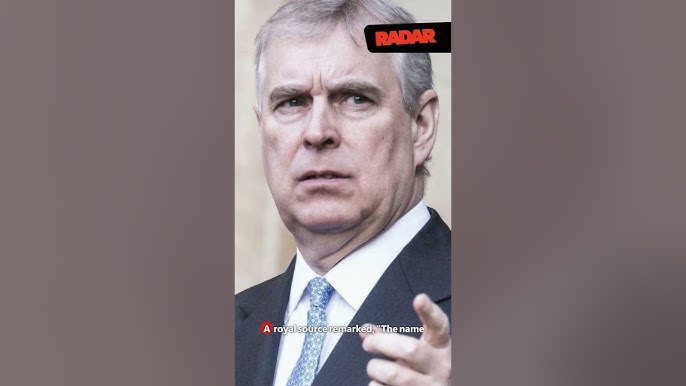
The name Andrew Windsor, once a staple among British baby names, has suffered a significant decline in popularity, reaching an unprecedented low in recent baby naming polls. According to the latest data released by the Office for National Statistics (ONS), only 125 newborns in England and Wales were given the name Andrew in 2025, placing it at a joint 334th position alongside less common names such as Zorawar, Walter, and Hussain. This steep drop marks a sharp contrast to the name’s former glory, especially during the 1960s when it was among the top choices for boys.
This decline is widely attributed to the negative public perception surrounding Andrew Mountbatten-Windsor, the former Duke of York. His association with highly publicized controversies, including his connections to the convicted sex offender Jeffrey Epstein, has cast a shadow over the name. The fallout has extended beyond personal reputation, influencing public sentiment and parental choice when it comes to naming their children.
A royal insider commented, “The name Andrew has become deeply unfashionable and, in some circles, even tainted. Parents today are very sensitive to cultural and social associations, and the controversies linked to this name have reshaped its image from a classic to a problematic choice.” This shift highlights how public figures can impact the popularity of names, turning once-favored options into names to avoid.
The Decline of Andrew: From Popularity to ‘Toxic’ Status
Historically, Andrew was a highly popular name in the UK. In 1964, it ranked as the third most popular boys’ name in England and Wales, maintaining a strong presence in the top 100 throughout the 1970s and 1980s. By 1996, when detailed annual baby name tracking began, 2,676 boys were named Andrew, placing it 29th on the list. However, the latest figures reveal a dramatic downward trajectory over nearly three decades.
The shortened form of the name, Andy, has experienced an even more pronounced decline. In 2025, only 21 babies were named Andy, marking the lowest number since 1998. This suggests that the negative perception extends to all variations of the name Andrew.
In contrast, other royal-associated names have not suffered similar declines. For example, William, linked to Prince William, rose two places to 25th with 1,456 registrations. Charles, associated with King Charles III, remained stable at 119th. Interestingly, Camilla, the name of Queen Camilla, saw a notable increase from just four registrations the previous year to 66, reflecting a renewed acceptance as her public profile has grown.
A data analyst explained, “Royal associations still influence naming trends, but the effect is selective. Names connected to positive or stable public images tend to maintain or increase in popularity, whereas those linked to controversy can quickly fall out of favor.”
Broader Trends in British Baby Names: What’s Rising and What’s Falling?
The ONS dataset, which covers 585,396 live births in England and Wales, reveals broader cultural shifts in naming preferences. Muhammad remains the most popular boys’ name for the third consecutive year, with 5,957 registrations, followed by Noah and Leo, both of which have climbed into the top three.
For girls, Olivia continues to dominate, holding the top spot for the tenth year in a row with 2,386 registrations, followed by Lily and Amelia. Meanwhile, some names are nearing extinction. Nigel was recorded only five times, and Donald, despite its association with the controversial former US president Donald Trump, was given to 18 babies—the highest since 2015.
Notably, names linked to current political figures have also seen declines. Keir, the name of outgoing UK Prime Minister Keir Starmer, was not registered for the second consecutive year. Similarly, names like Beth and Bonnie-Blu saw no registrations at all.
A royal historian noted, “Names rise and fall for many reasons, including cultural trends and historical events. However, high-profile associations can accelerate these changes. In Andrew’s case, the decline is not just about changing tastes but reflects a profound shift in how the name is perceived in modern Britain—as essentially toxic.”
Conclusion: The Future of the Name Andrew Windsor in Britain
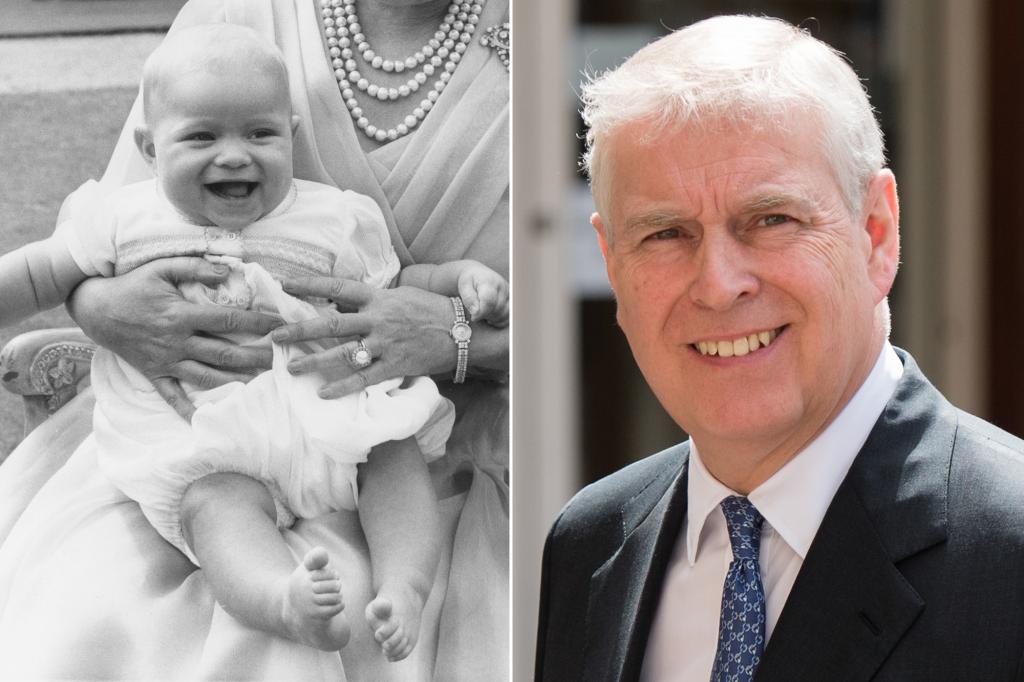
The dramatic fall in popularity of the name Andrew Windsor highlights how public perception and cultural associations can profoundly influence naming trends. Once a classic and widely accepted name, Andrew has now become burdened by controversy and negative connotations, leading many parents to avoid it for their children. While some royal names continue to thrive, the case of Andrew serves as a stark reminder of the impact that public figures’ reputations can have on seemingly unrelated aspects of society, such as baby naming.
If you’re considering baby names and want to stay informed about the latest trends and cultural influences, keep following our updates for expert insights and data-driven advice. Don’t miss out on choosing a name that resonates positively in today’s social landscape!:max_bytes(150000):strip_icc():focal(999x0:1001x2)/prince-andrew-10-e83e4d5d85954a948e628ae8bba25c0d.jpg)
Leave a Reply