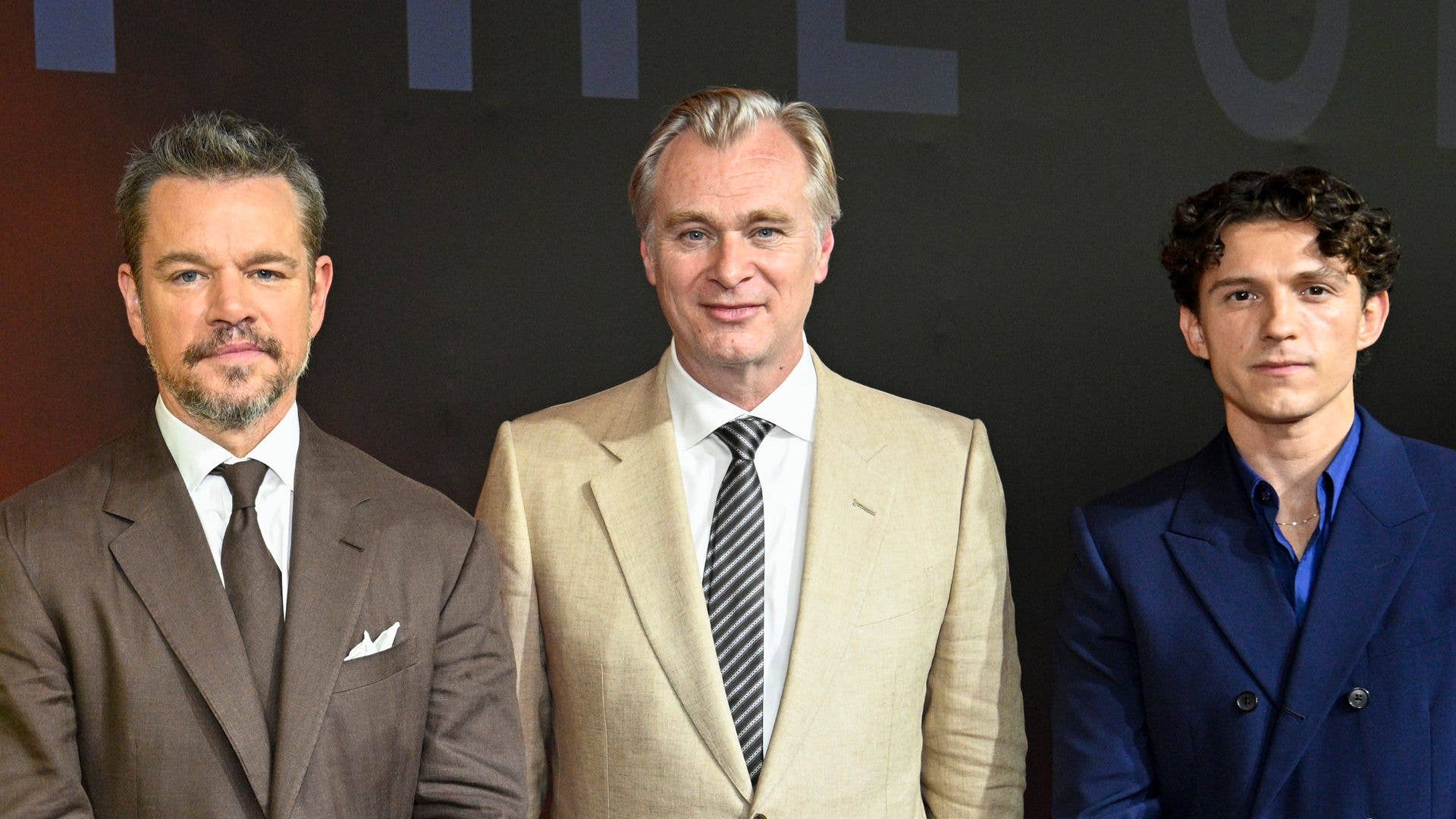
Christopher Nolan Sparks Fresh Backlash After Calling ‘The Odyssey’ Criticism ‘Irrelevant’
Christopher Nolan, the acclaimed filmmaker known for his visionary adaptations, has once again found himself at the center of controversy. This time, the source of contention is his highly anticipated film adaptation of Homer’s epic, “The Odyssey.” Despite mounting criticism from fans and critics alike, Nolan has dismissed the backlash as “irrelevant,” sparking fresh debate about artistic interpretation, casting choices, and historical accuracy in modern cinema.
Why Christopher Nolan Calls ‘The Odyssey’ Criticism ‘Irrelevant’
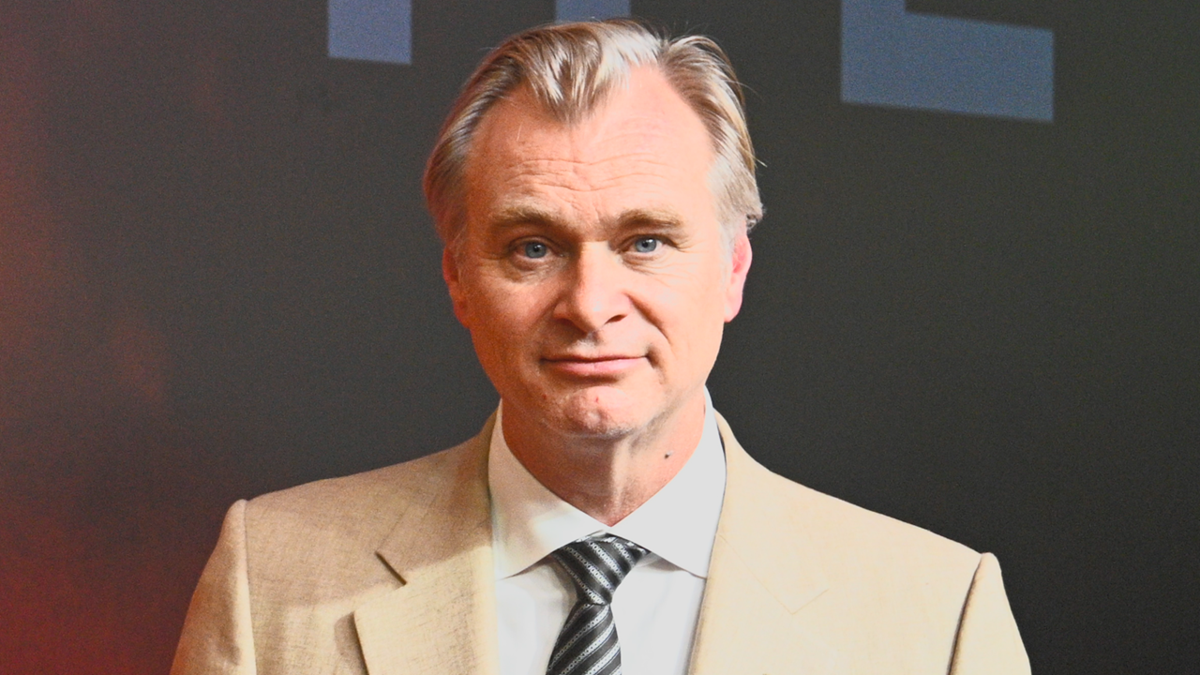
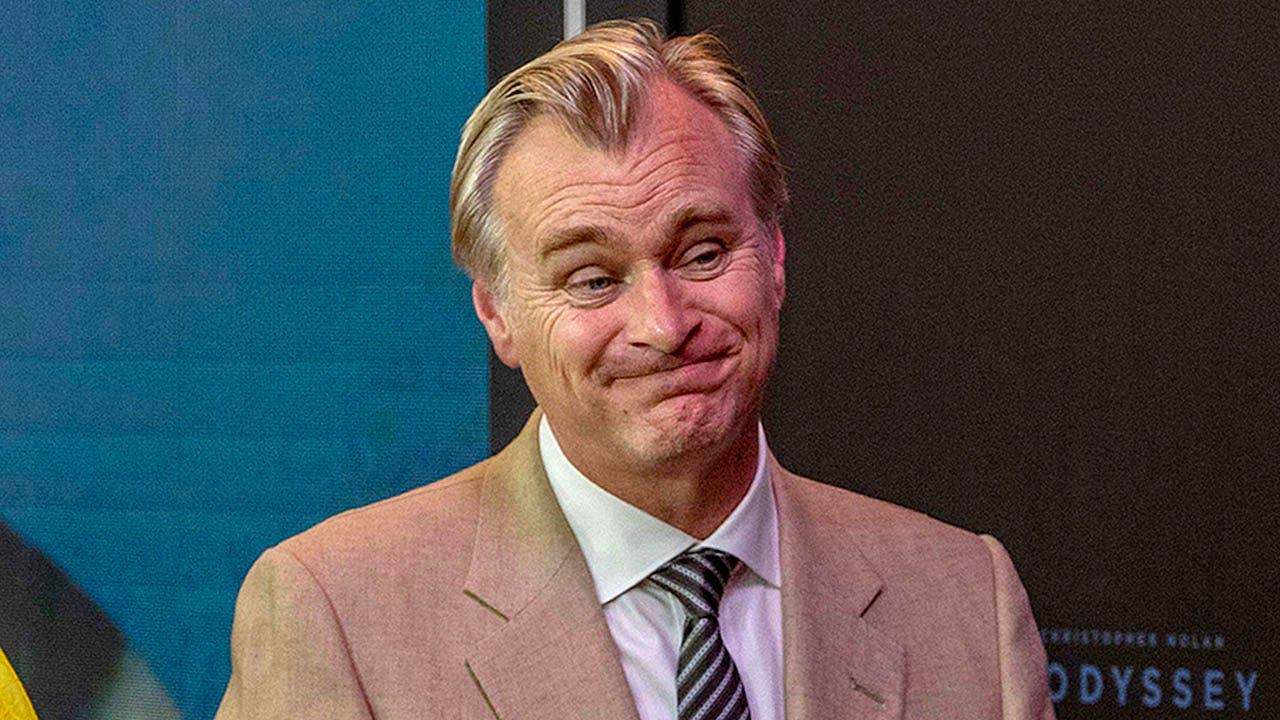
In a recent interview with The Telegraph, Nolan addressed the growing wave of criticism surrounding his new project. He described the pre-release conversations as “irrelevant,” emphasizing that no one truly knows what the film entails until it is viewed in its entirety. Nolan explained, “These conversations that happen before people see the film — they’re always irrelevant, because no one having them knows what the film actually is yet.”
This perspective reflects Nolan’s broader philosophy on adaptation. Drawing parallels to his experience with the “Batman” trilogy, he noted that initial skepticism and backlash are common when reimagining beloved stories. “When I started with ‘Batman Begins,’ a variety of artists had been creating and depicting the character for decades, and a lot of freighted thoughts were out there about what he represents,” Nolan said. He believes that honoring the original text while bringing a personal interpretation is the key to successful adaptations.
Nolan’s stance highlights the tension between artistic vision and audience expectations. While some viewers demand strict adherence to source material, others appreciate fresh perspectives that challenge traditional portrayals.
The Controversies Surrounding ‘The Odyssey’ Adaptation
Despite Nolan’s confidence, the backlash against “The Odyssey” has been intense and multifaceted. One of the most vocal criticisms concerns the film’s casting choices. For instance, Lupita Nyong’o has been cast as Helen of Troy, a character traditionally described with a lighter complexion in Homer’s epic. This decision has sparked debates about historical accuracy and representation. Similarly, Elliot Page’s casting as Sinon, a Greek soldier, has raised eyebrows due to perceived physical mismatches with the character’s classical depiction.
The film’s trailer has also drawn criticism for its use of modern language within an ancient Greek setting, which some viewers feel undermines the authenticity of the story. Additionally, the scarcity of Greek actors in the cast has fueled accusations of cultural insensitivity.
Social media platforms have become battlegrounds for these debates. Some users accuse Nolan of succumbing to diversity mandates at the expense of merit, while others defend his choices as part of a sincere artistic vision. Comments range from outright hostility to thoughtful calls for reserving judgment until the film’s release.
Historical Accuracy vs. Artistic Interpretation in Modern Cinema
The controversy surrounding “The Odyssey” is emblematic of a larger conversation about the balance between historical fidelity and creative freedom in film adaptations. While purists argue for strict adherence to original texts and historical contexts, filmmakers often prioritize storytelling, thematic resonance, and contemporary relevance.
Nolan’s approach aligns with the latter philosophy. He asserts that adaptation inherently involves transformation, stating, “It’s very different from how anyone else would do it, but that’s what adaptation is.” His goal is to craft a version of “The Odyssey” that resonates with modern audiences while maintaining the epic’s core themes.
This debate is not new. Previous Nolan projects, such as his “Batman” trilogy, faced similar scrutiny but ultimately earned critical and commercial acclaim. Fans initially resisted unconventional casting and narrative choices but later embraced Nolan’s vision as a fresh and compelling take on familiar material.
What to Expect from ‘The Odyssey’ Upon Release
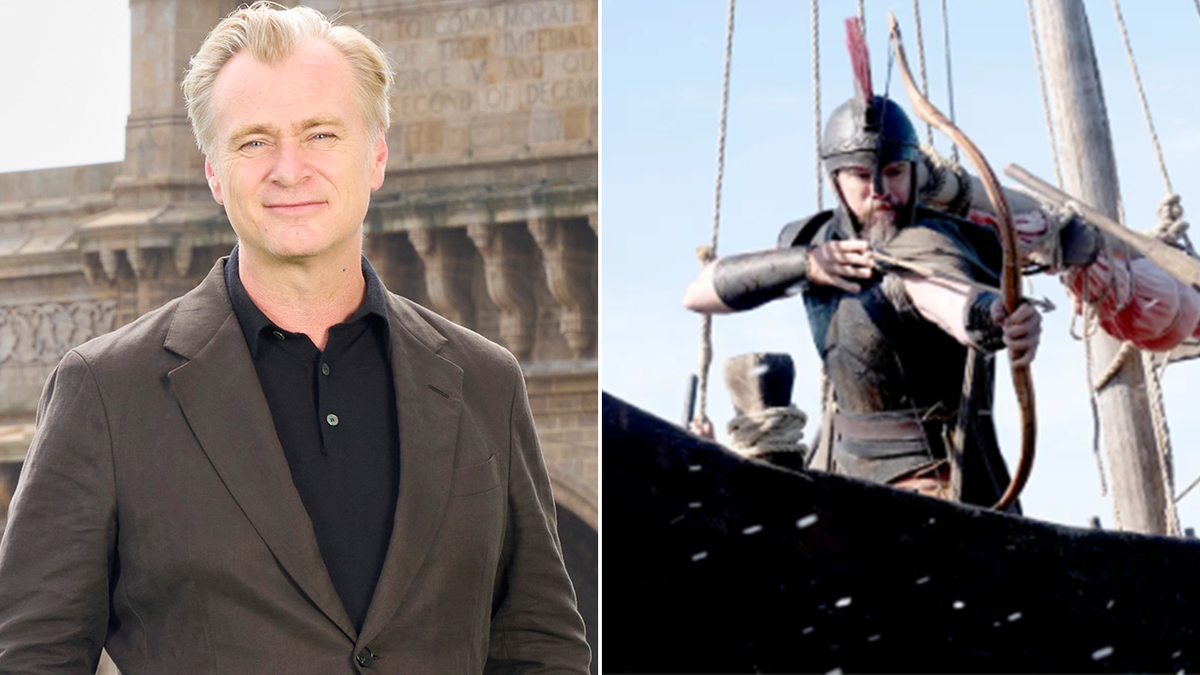
Set to premiere in theaters on July 17, “The Odyssey” boasts an impressive ensemble cast including Zendaya as Athena, Matt Damon as Odysseus, Anne Hathaway as Penelope, and Charlize Theron as Calypso. The film promises a blend of epic storytelling, dramatic performances, and Nolan’s signature cinematic style.
Whether audiences will embrace or reject this new interpretation remains to be seen. However, Nolan’s confidence in his work and his call for viewers to withhold judgment until after seeing the film suggest he is prepared for both praise and criticism.
Conclusion
Christopher Nolan’s dismissal of early criticism of “The Odyssey” as irrelevant has reignited debates about casting, historical accuracy, and the nature of film adaptations. While some fans remain skeptical, others advocate for an open mind and patience until the film’s release. As Nolan continues to champion his vision, the conversation underscores the challenges filmmakers face when reimagining classic stories for contemporary audiences.
Are you curious to see how Nolan’s “The Odyssey” will unfold on the big screen? Stay tuned for its release and experience the epic for yourself—then share your thoughts on this bold new adaptation!
Leave a Reply