EXCLUSIVE: Former Olympian David Hearn Demands Grand Jury Records in Trump Reflecting Pool Vandalism Case
David Hearn Challenges Felony Charges in Trump Reflecting Pool Vandalism Case
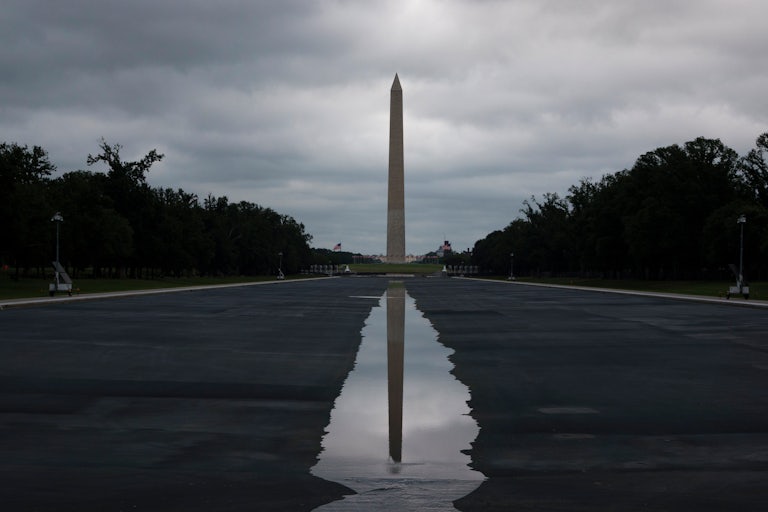
Former Olympian David Hearn has taken a bold legal step by demanding access to the grand jury records related to his criminal case accusing him of vandalizing President Donald Trump’s iconic Reflecting Pool. This case has attracted significant public attention due to the pool’s recent $16 million renovation and its symbolic importance on the National Mall. Hearn’s legal team argues that prosecutors failed to present sufficient evidence to justify the felony charge against him, specifically questioning whether the damage attributed to Hearn meets the required threshold for felony destruction of property.
In a motion filed recently in the District of Columbia, Hearn’s attorneys are requesting that a judge compel prosecutors to disclose the grand jury’s legal instructions and complete transcripts. Alternatively, they ask for a private review of these materials to assess if there are grounds to dismiss or reduce the indictment. This move highlights serious concerns about the integrity of the prosecution’s case and whether the grand jury was properly informed about the legal standards necessary to indict Hearn.
Background: The Alleged Vandalism and Its Legal Implications
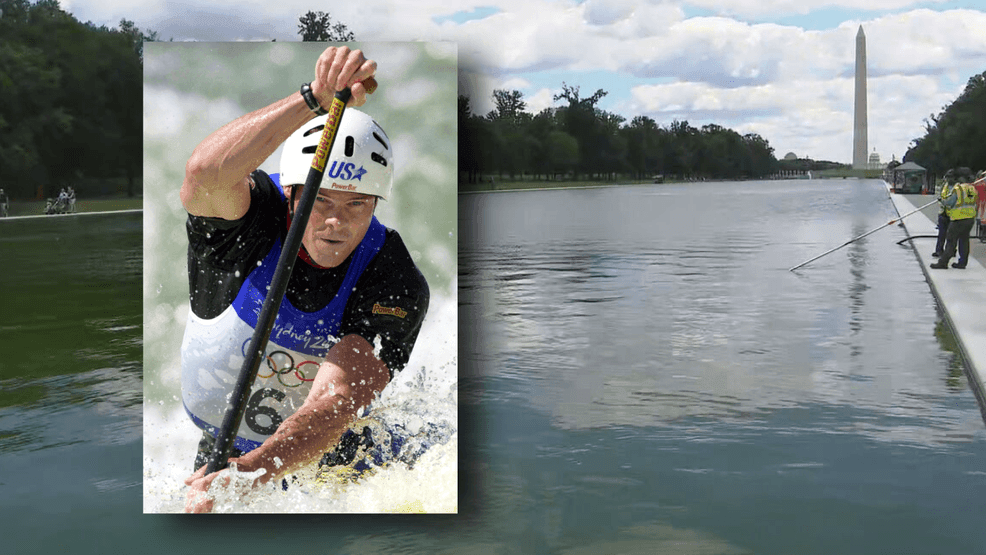
David Hearn faces one count of felony destruction of property, accused of causing damage to the Reflecting Pool, a landmark that underwent a highly publicized $16 million renovation under President Trump’s administration. The felony charge hinges on the claim that Hearn caused at least $1,000 in damage to the property, a critical element for the indictment to hold.
However, the defense argues that the government’s own evidence undermines this claim. According to the motion, the sole grand jury witness who testified about the damages admitted that the Reflecting Pool was already in a state of significant deterioration before Hearn’s alleged involvement. This includes a leaking issue that resulted in the loss of over one million gallons of water weekly, worn-out expansion joints, and a pre-existing rip in the pool’s liner.
These facts raise doubts about whether Hearn’s actions actually caused additional damage or increased repair costs. The witness reportedly could not identify or quantify any damage directly attributable to Hearn, nor provide a figure for any increased expenses resulting from the alleged vandalism.
Defense Attorneys Question the Validity of the Felony Charge
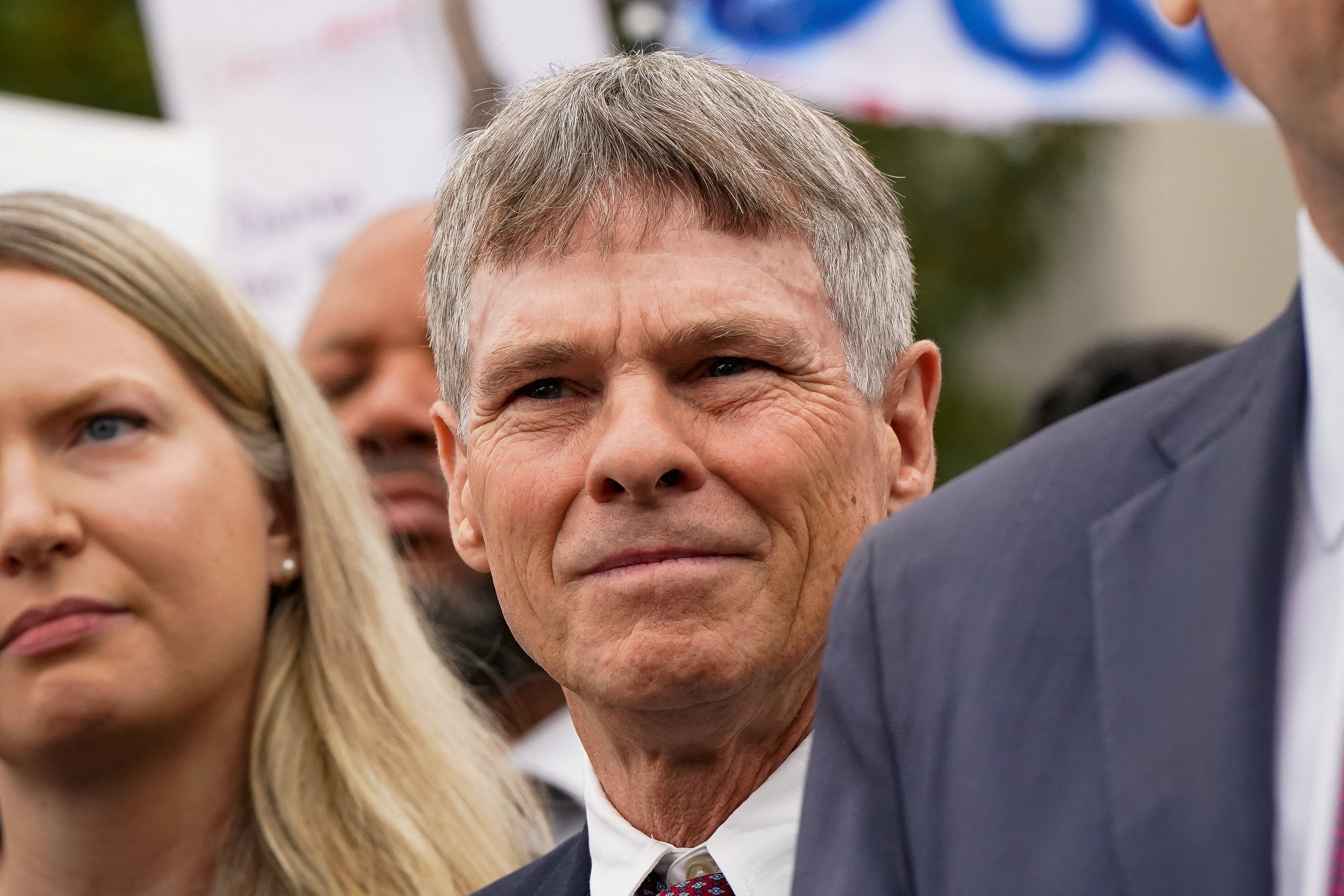
The defense team’s motion emphasizes that felony malicious destruction of property requires clear proof that the defendant caused damages exceeding $1,000. Given the witness’s testimony, Hearn’s attorneys argue that the grand jury may not have received legally sufficient evidence to support this threshold.
They further contend that the grand jury instructions provided to jurors are crucial to understanding whether they were properly guided on how to calculate damages and whether the evidence presented met the legal standard for a felony charge. Without access to these instructions and transcripts, the defense cannot adequately challenge the indictment.
Moreover, the motion raises concerns about the prosecution’s presentation to the grand jury. It alleges that prosecutors failed to present certain evidence referenced elsewhere in the case and relied heavily on hearsay testimony from an investigator instead of calling a key witness directly before the grand jury. These alleged procedural irregularities could undermine the fairness of the grand jury process and warrant judicial scrutiny.
Next Steps: Judicial Review and Potential Outcomes
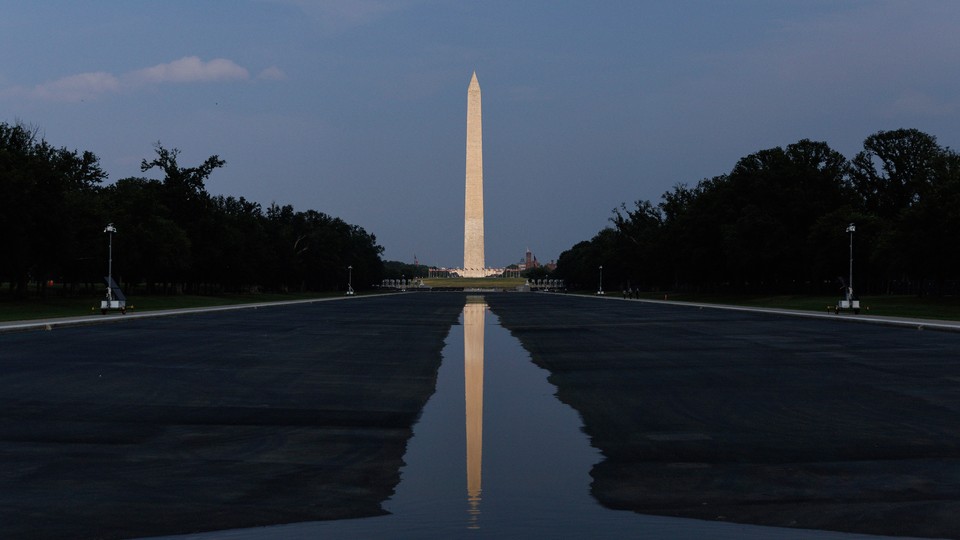
David Hearn’s legal team has asked Judge Todd Edelman to order prosecutors to either disclose the requested grand jury materials or conduct an in camera review—where the judge privately examines the evidence—to determine whether the indictment should remain in place. As of now, the court has not issued a ruling on this motion.
This development adds a new layer to the ongoing legal battle surrounding the vandalism allegations against Hearn and the broader controversy over the condition and renovation of Trump’s Reflecting Pool. The case not only questions the extent of Hearn’s alleged actions but also challenges the prosecution’s adherence to legal standards and procedural fairness.
Conclusion: The Fight for Transparency in the Trump Reflecting Pool Case
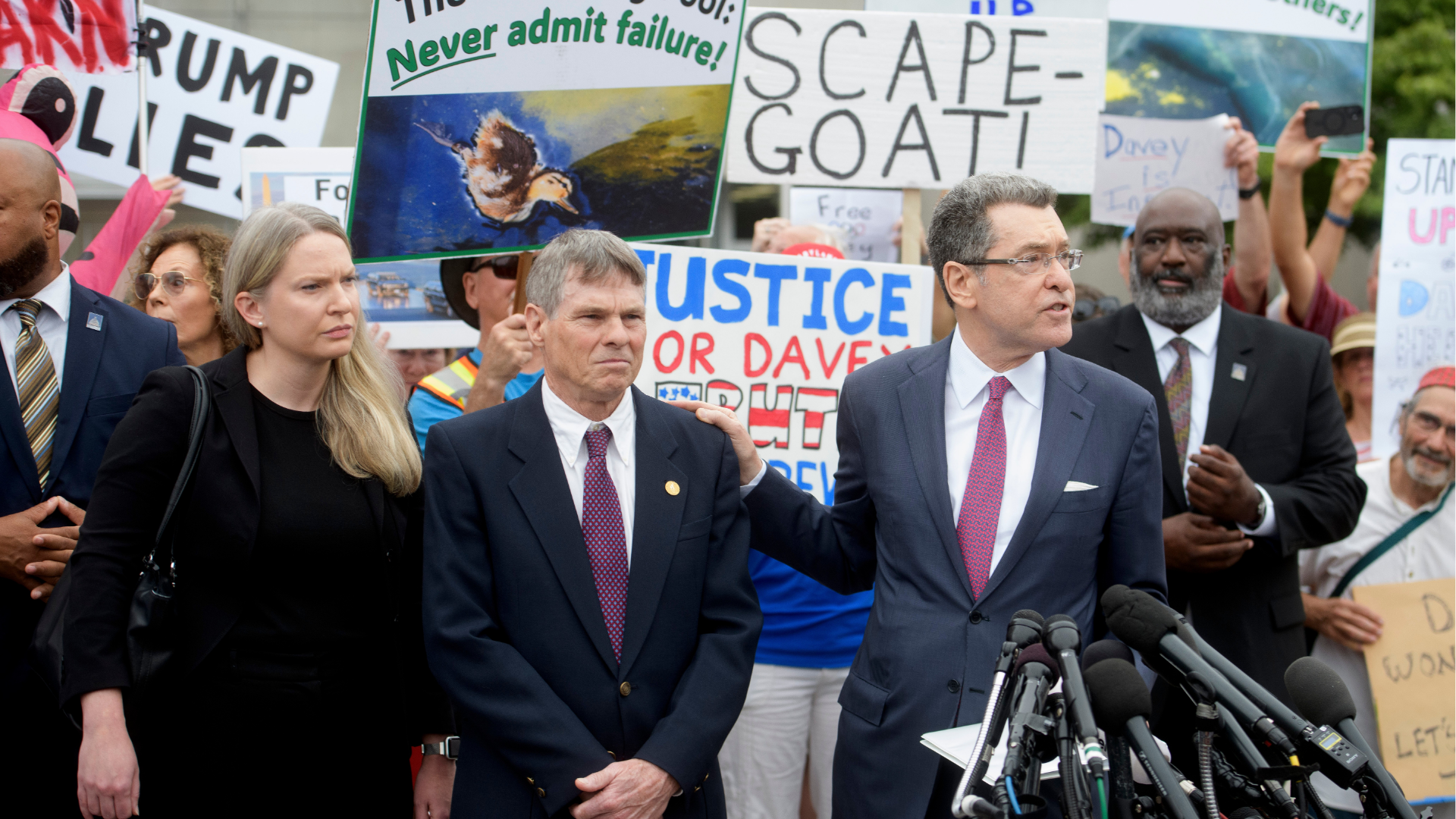
The demand by former Olympian David Hearn for access to grand jury records in the Trump Reflecting Pool vandalism case underscores the critical importance of transparency and due process in the criminal justice system. By challenging the sufficiency of the evidence and the conduct of the grand jury proceedings, Hearn’s defense is pushing for a thorough judicial review that could impact the outcome of this high-profile case.
As this legal drama unfolds, it remains essential for the public and legal observers to stay informed about the developments. If you want to follow the latest updates on this case and understand its broader implications, subscribe to our newsletter and receive expert analysis delivered straight to your inbox. Don’t miss out on crucial insights into one of the most talked-about legal battles involving a former Olympian and a landmark of national significance.
Leave a Reply