Ben Shephard Grills Keir Starmer Over Under-16 Social Media Ban on Live TV: Will It Truly Protect Children?
On a recent episode of This Morning, ITV presenter Ben Shephard confronted Prime Minister Keir Starmer regarding the government’s controversial plan to ban children under 16 from using social media platforms. The live TV exchange sparked a heated debate about the effectiveness of the proposed ban and whether it will genuinely safeguard young users or simply shift responsibility away from big tech companies. As parents voice growing concerns, many are left wondering if this promise will ever translate into real protection for their children.
Keir Starmer’s Under-16 Social Media Ban: What You Need to Know

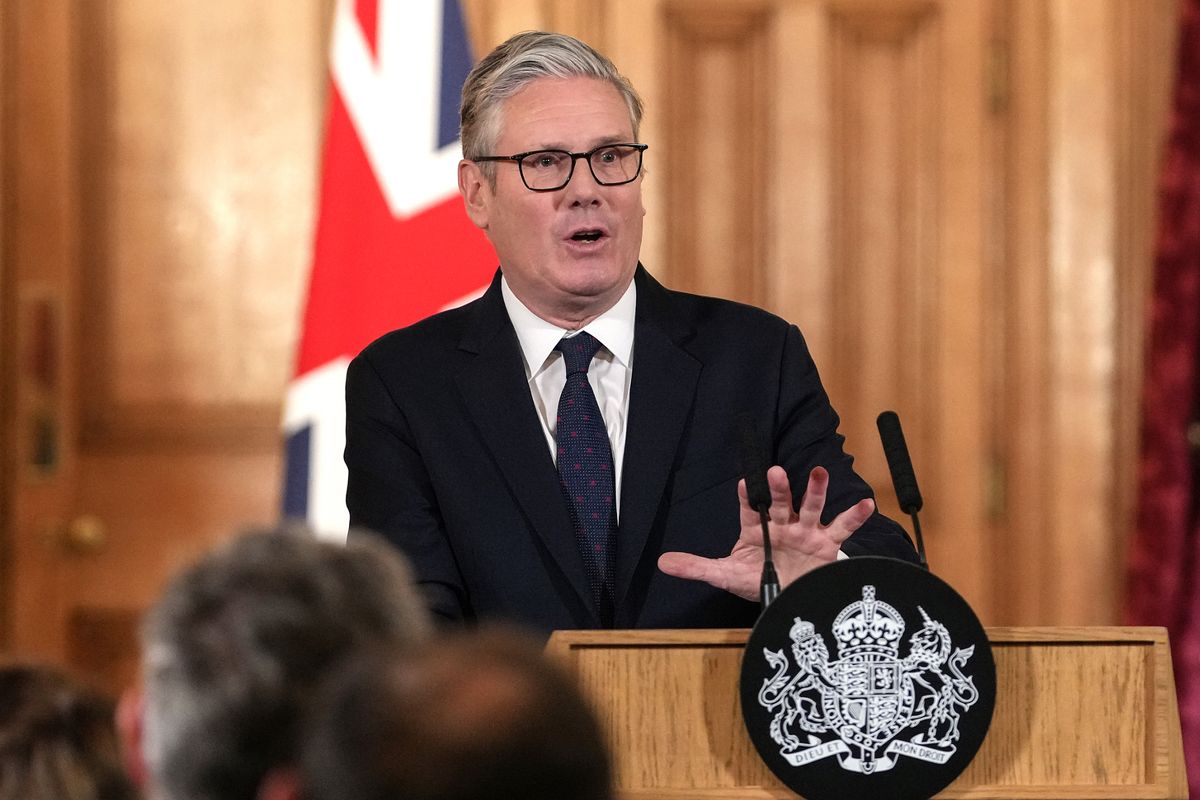
Prime Minister Keir Starmer announced that the UK government plans to implement a social media ban for all users under the age of 16, set to come into effect in Spring 2027. This sweeping measure targets major platforms such as TikTok, Snapchat, Instagram, YouTube, Facebook, and X (formerly Twitter). The ban aims to shield children from harmful content, cyberbullying, and the mental health risks associated with excessive social media use.
During the interview with Ben Shephard and Cat Deeley, Starmer explained that the decision followed extensive consultations and international research. He emphasized personal conversations with parents who had tragically lost children due to social media-related issues, which influenced his shift in stance. “I’m absolutely clear that a ban is the right thing,” Starmer stated, adding that the move would bring relief to parents who want their children to be safe and happy online.
The government is also exploring additional measures to regulate features such as live streaming and interactions with strangers, which are often exploited on social media platforms. However, the announcement has not been universally welcomed, with critics questioning the ban’s practicality and enforcement.
Ben Shephard Challenges Starmer: Is the Ban Enough to Hold Big Tech Accountable?
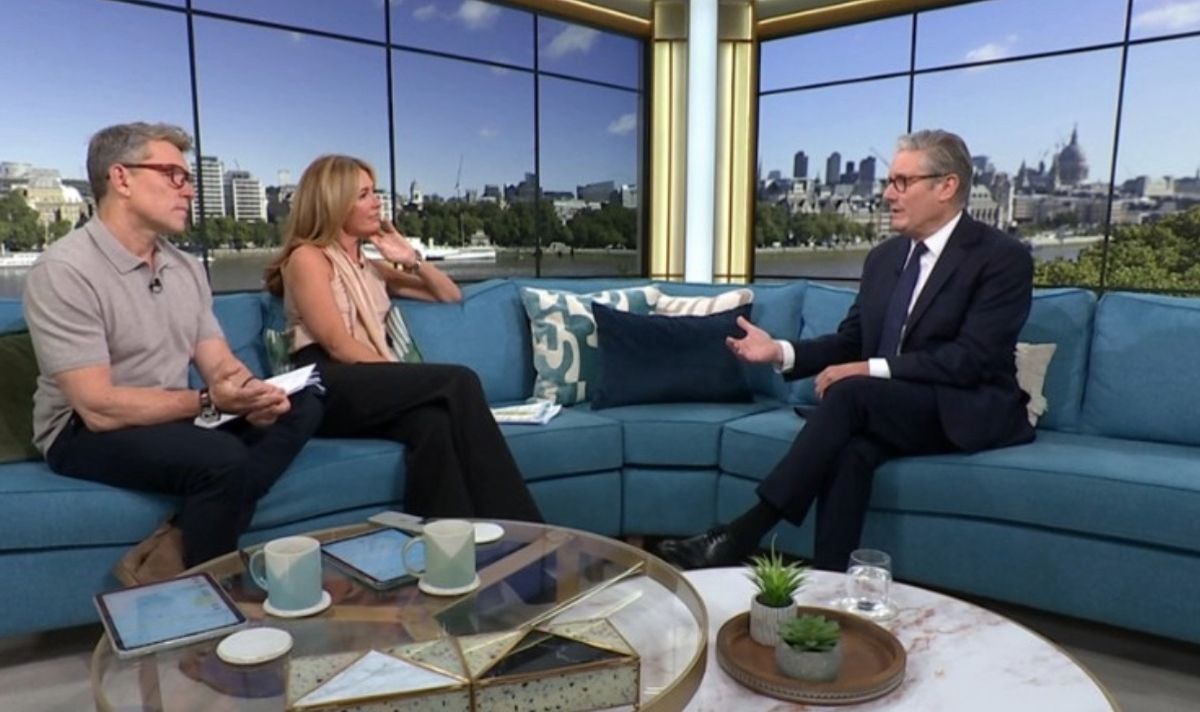
Ben Shephard pressed the Prime Minister on a critical point: while banning under-16s from social media on paper sounds promising, it does not address the root problem—harmful content hosted by tech companies. Shephard argued that simply restricting access to children does not force platforms to remove dangerous material, which remains accessible to older teens and adults.
“You can’t just ban kids on paper and let big tech off the hook,” Shephard insisted. “By dealing with the content and making them take it down, it wouldn’t be there in the first place.” He highlighted that children approaching 16 could still encounter harmful images and videos once they are legally allowed back on these platforms, undermining the ban’s protective intent.
Starmer responded by acknowledging the need for additional safeguards for 16- and 17-year-olds, particularly concerning live streaming and stranger engagement. He also addressed concerns about workarounds, such as using VPNs to bypass age restrictions. The Prime Minister referenced previous experiences with regulating online pornography for under-18s, noting that while VPN use spiked briefly, it eventually declined.
Despite these reassurances, many parents remain skeptical. They worry that without stronger enforcement and accountability measures targeting the tech giants themselves, the ban will be largely symbolic rather than transformative.
Parents’ Reactions: Frustration and Doubt Over the Social Media Ban’s Effectiveness

The announcement of the under-16 social media ban has elicited mixed reactions from families across the UK. While some parents welcome any effort to protect children from the darker sides of online platforms, others express frustration and doubt.
Many parents question whether the government’s plan will truly keep children safe or if it will simply push young users to find alternative, less regulated ways to access social media. The concern is that without comprehensive content moderation and stronger regulation of tech companies, harmful material will persist and continue to affect vulnerable children.
Moreover, parents are calling for clearer guidelines and support systems to help families navigate the challenges of digital parenting. They want assurances that the ban will be enforced effectively and that tech firms will be held accountable for the content they allow to proliferate.
The debate also raises broader questions about digital literacy education and the role of schools and communities in equipping children with the skills to use social media responsibly.
Looking Ahead: What the Future Holds for Social Media and Young Users
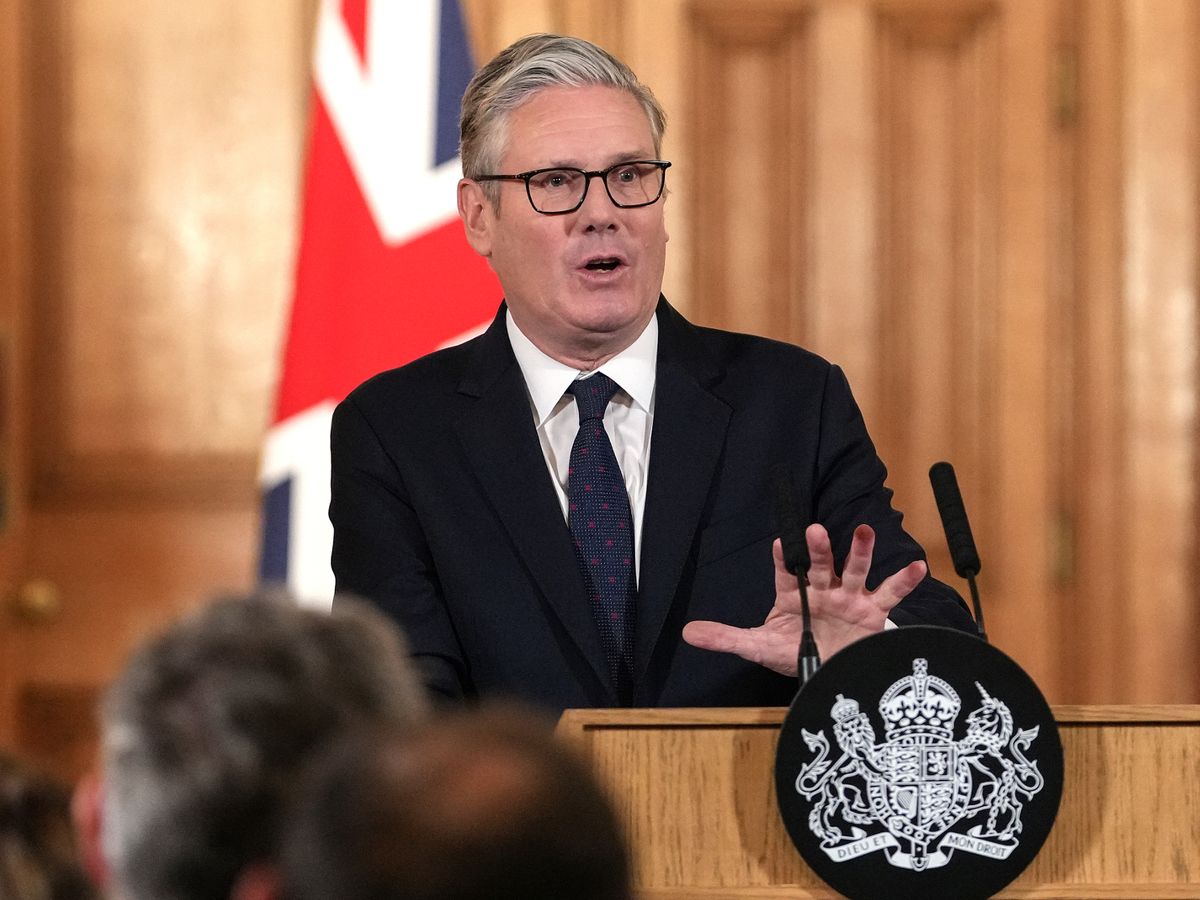
As the UK government moves forward with plans to implement the under-16 social media ban by Spring 2027, several key issues remain unresolved. The success of the ban will depend heavily on the cooperation of social media companies, the development of robust enforcement mechanisms, and ongoing engagement with parents, educators, and young people themselves.
Experts suggest that a multi-faceted approach is necessary—one that combines age restrictions with improved content moderation, digital education, and mental health support. Without such comprehensive strategies, the ban risks being a superficial fix rather than a meaningful solution.
In the meantime, parents are encouraged to stay informed about digital safety tools, monitor their children’s online activities, and foster open conversations about social media use. The government’s promise to protect children online is a step in the right direction, but it will require vigilance and collaboration to turn that promise into reality.
Conclusion
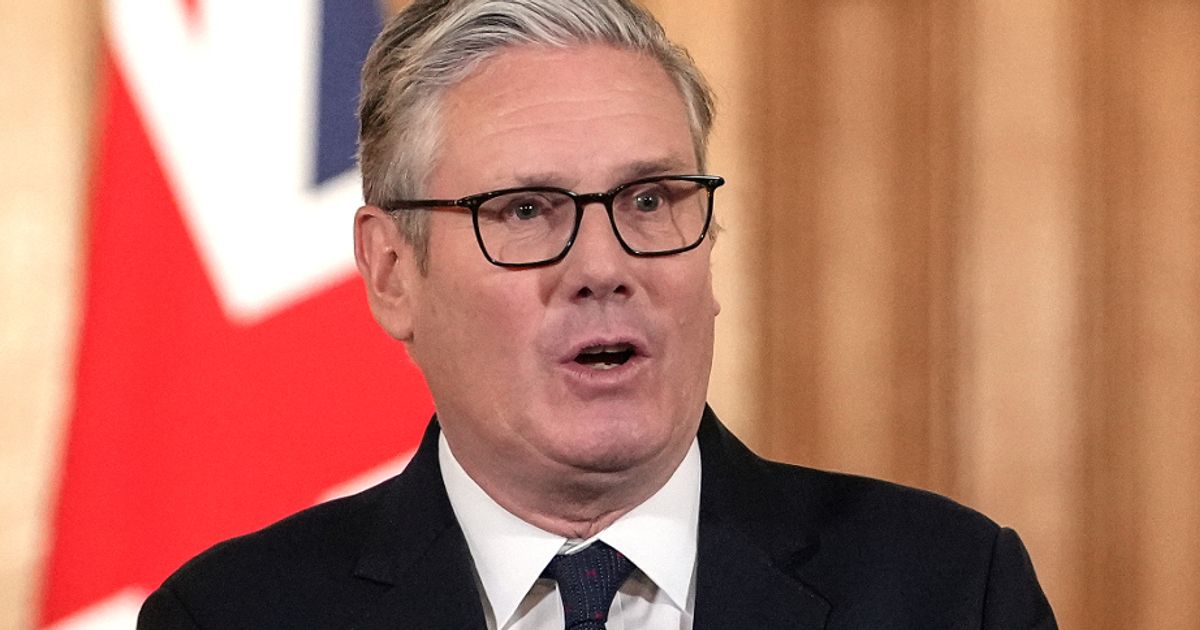
Ben Shephard’s live TV grilling of Keir Starmer over the under-16 social media ban has brought to light important questions about the future of online safety for children. While the ban scheduled for Spring 2027 aims to protect young users from harmful content, concerns remain about its enforcement and the accountability of big tech companies. Parents are rightfully demanding more than just promises on paper—they want real action that ensures their children’s safety in the digital world.
If you are a parent or guardian concerned about social media’s impact on children, stay proactive by educating yourself on digital safety and advocating for stronger regulations. Together, we can push for a safer online environment where children can thrive without fear. Stay updated with the latest news and expert advice on protecting children from online harm by subscribing to our newsletter today!



Leave a Reply