
Naga Munchetty Breaks Down as She Reveals Living with Crippling Adenomyosis for Decades
Naga Munchetty Opens Up About Her Battle with Adenomyosis

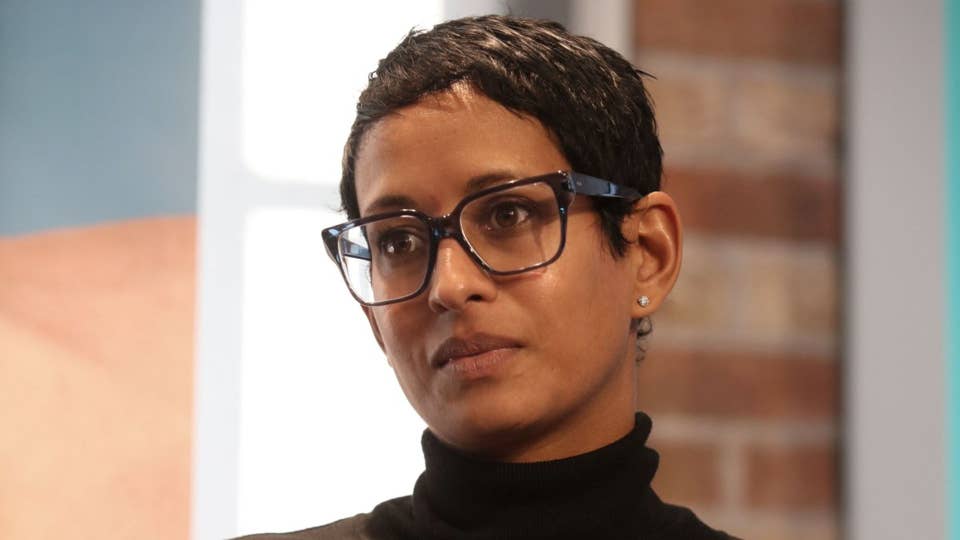
Naga Munchetty, the well-known BBC Breakfast presenter, recently broke down as she candidly discussed her long-standing struggle with adenomyosis, a debilitating condition affecting her uterus. For over three decades, Munchetty endured severe pain, vomiting, and near-fainting episodes while on air, all the while unaware of the true cause behind her symptoms. Her story sheds light on the challenges many women face when dealing with adenomyosis, a condition often overlooked or misdiagnosed.
Munchetty revealed that she had “learned to normalise the pain,” despite experiencing intense symptoms that would leave her curled up on the floor, sweating and vomiting. She described the experience as “debilitating,” yet she continued to push through her professional commitments, embodying the resilience many women show when confronted with chronic pain. Her openness has sparked important conversations about women’s health and the need for better awareness and diagnosis of adenomyosis.
Understanding Adenomyosis: The “Evil Twin Sister of Endometriosis”

Adenomyosis is a condition where the tissue that normally lines the uterus (endometrial tissue) grows into the muscular wall of the uterus. This abnormal growth causes the uterus to enlarge and leads to symptoms such as severe cramps, heavy menstrual bleeding, and abdominal bloating. It is often referred to as the “evil twin sister of endometriosis” because, while both conditions involve endometrial tissue, adenomyosis is confined within the uterine muscle, whereas endometriosis involves tissue growing outside the uterus.
This condition is believed to affect approximately one in ten women, though many cases remain undiagnosed due to overlapping symptoms with other gynecological issues. Adenomyosis is more common in women aged 40 to 50 and those who have been pregnant before. Despite its prevalence, the exact cause of adenomyosis remains unclear, with genetics and hormonal factors suspected to play a role.
The Long Road to Diagnosis and the Impact on Daily Life

One of the most challenging aspects of adenomyosis is the difficulty in obtaining a timely and accurate diagnosis. Naga Munchetty’s experience highlights this struggle, as she was not diagnosed until 32 years after her symptoms began. Many women are led to believe that their pain is “normal,” which delays treatment and exacerbates their suffering.
Diagnosis typically involves imaging techniques such as MRI and ultrasound scans. However, the NHS acknowledges that adenomyosis can take years to diagnose due to the variability in symptoms and their severity. This delay often leads to women normalizing their pain and continuing with their daily lives despite significant discomfort.
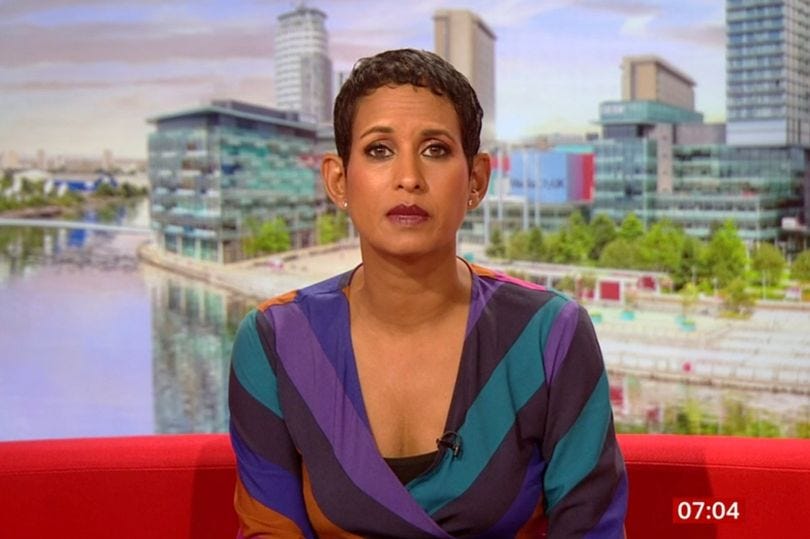
Munchetty shared a poignant example of her experience while presenting BBC Breakfast: she once had to leave the set abruptly to vomit because she felt she was about to pass out. After a quick break and makeup touch-up, she returned to finish the broadcast, demonstrating the extent to which she had adapted to living with the condition.
Symptoms, Treatment, and Raising Awareness of Adenomyosis

The symptoms of adenomyosis can be severe and life-altering. Common signs include:
– Intense menstrual cramps and pelvic pain
– Heavy or prolonged menstrual bleeding
– Abdominal bloating and pressure
– Fatigue and nausea during flare-ups
Because these symptoms overlap with other conditions like endometriosis, many women face misdiagnosis or dismissal of their concerns. This lack of awareness contributes to the normalization of pain and delays in seeking appropriate care.
Treatment options for adenomyosis are somewhat limited but focus on managing symptoms. Pain relief medications, hormonal therapies such as contraceptive pills, and in some cases, surgical interventions are used to reduce pain and bleeding. However, treatment effectiveness varies, and many women continue to experience significant discomfort.
The story of Naga Munchetty, along with other public figures like actress Gabrielle Union, who also revealed her struggles with adenomyosis, is helping to raise awareness about this underdiagnosed condition. Charities and health organizations emphasize the importance of recognizing adenomyosis early to improve quality of life for those affected.
Why Greater Awareness and Research Are Crucial
The frequent dismissal of women’s gynecological symptoms has long been a barrier to effective diagnosis and treatment. Adenomyosis, in particular, suffers from a lack of public and medical awareness compared to conditions like endometriosis. Research indicates that mild cases of adenomyosis may be missed by current diagnostic methods, leading to underdiagnosis.
Increasing awareness among healthcare professionals and the public is essential to ensure women receive timely and accurate diagnoses. Enhanced research into the causes, symptoms, and treatment of adenomyosis will also pave the way for better management strategies and improved patient outcomes.
Conclusion
Naga Munchetty’s heartfelt revelation about living with adenomyosis for over 30 years highlights the urgent need for greater awareness and understanding of this painful condition. Her experience underscores how many women normalize debilitating pain due to misdiagnosis or lack of information. If you or someone you know is experiencing severe menstrual pain or other symptoms associated with adenomyosis, don’t hesitate to seek medical advice and advocate for thorough evaluation. Early diagnosis and treatment can significantly improve quality of life. Stay informed, share your story, and support efforts to bring adenomyosis out of the shadows.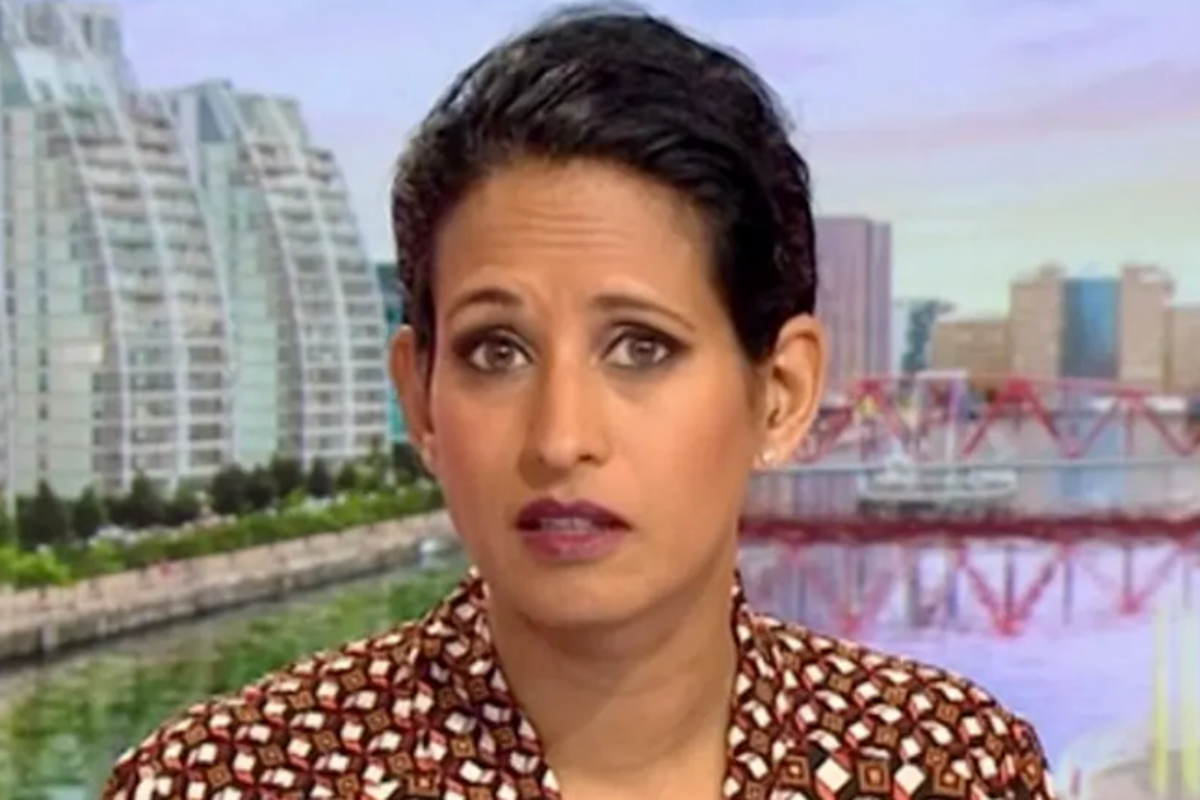






Leave a Reply