Comedian Hannah Berner Reveals Distressing Side Effect of TMJ Treatment: ‘Pray for Me’
Understanding the Distressing Side Effect of TMJ Treatment Experienced by Hannah Berner
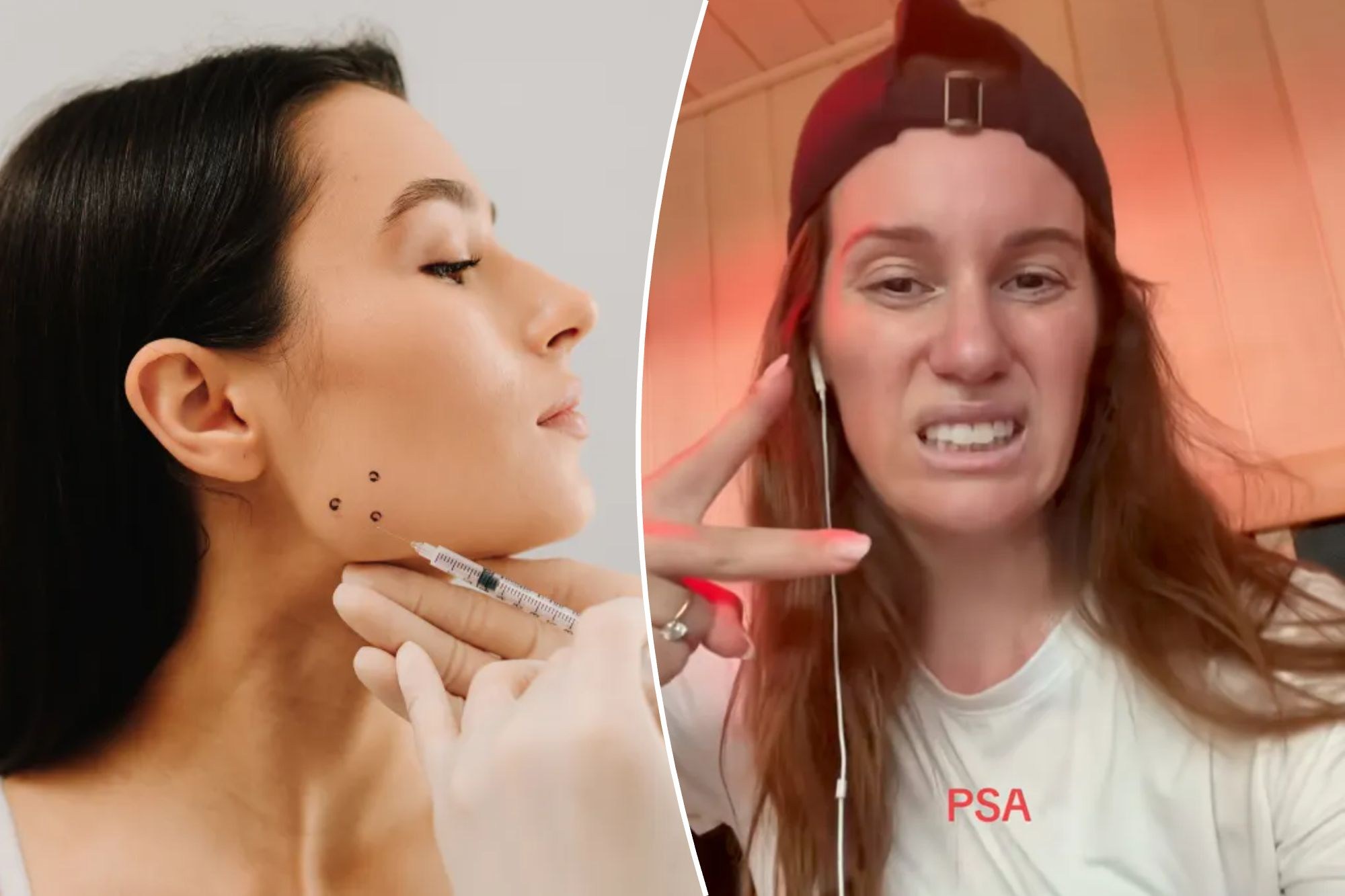
Comedian Hannah Berner, known for her infectious laughter and vibrant personality, recently opened up about an alarming side effect she experienced after undergoing treatment for temporomandibular joint (TMJ) tension. At 34 years old, Berner sought relief from chronic jaw tightness through Dysport injections, a neurotoxin similar to Botox, designed to relax the muscles responsible for chewing. However, instead of the anticipated relief, she woke up unable to smile—a shocking and distressing outcome for someone whose life revolves around joy and laughter.
In a heartfelt TikTok video, Berner expressed her frustration and vulnerability, saying, “Like joy, laughter is my life. That’s all I care about. We’re gonna get through this. Pray for me, I’ve turned to religion.” Her candid admission sheds light on a lesser-known risk associated with TMJ treatments using neurotoxins and emphasizes the importance of understanding potential complications before proceeding.
What is TMJ and How Does Dysport Treatment Work?
:max_bytes(150000):strip_icc():focal(718x379:720x381)/Hannah-Berner-070326-16ca9aa86a594bd0b0a50c96b4532e41.jpg)
The temporomandibular joint (TMJ) connects the jawbone to the skull and plays a crucial role in movements like chewing, speaking, and yawning. TMJ disorders often cause pain, tension, and discomfort in the jaw area, sometimes accompanied by teeth grinding or jaw clenching. To alleviate these symptoms, some patients turn to neurotoxin injections such as Dysport or Botox, which temporarily block nerve signals to the masseter muscles—the large muscles on the sides of the face responsible for chewing.
Dysport injections work by reducing muscle contractions, thereby easing chronic tightness and grinding. Over time, the masseter muscles weaken and shrink, which can also result in a slimmer jawline. Typically, the effects begin within 6 to 8 weeks and last up to 6 months before the body naturally breaks down the neurotoxin.
Although Dysport and Botox are commonly used for TMJ tension relief, it’s important to note that this application is considered off-label and is not FDA-approved specifically for TMJ treatment.
Risks and Complications Associated with Dysport Injections for TMJ

While Dysport injections can be effective, they carry inherent risks, especially if the medication spreads beyond the targeted muscle. Dysport is known to diffuse more widely than Botox, which can be both an advantage and a drawback. If the injection is administered too close to the edge of the masseter muscle, the neurotoxin may spread to nearby muscles such as the risorius—the small muscle responsible for pulling the mouth into a smile.
When Dysport affects the risorius, patients may experience difficulty smiling or an uneven, distorted smile. This side effect, although rare, was precisely what happened to Hannah Berner. Studies indicate that approximately 0.15% of patients receiving masseter injections may suffer from smile limitations due to neurotoxin diffusion.
Other potential complications include:
– Hitting the parotid gland, which can cause swelling and affect saliva production.
– Temporarily paralyzing facial nerves, leading to muscle weakness or asymmetry.
– Swelling or bruising at the injection site.
Because of these risks, it is critical that patients seek treatment from highly experienced injectors who understand facial anatomy and can precisely control dosage, depth, and injection location.
Why Expertise Matters: The Importance of Choosing the Right Injector
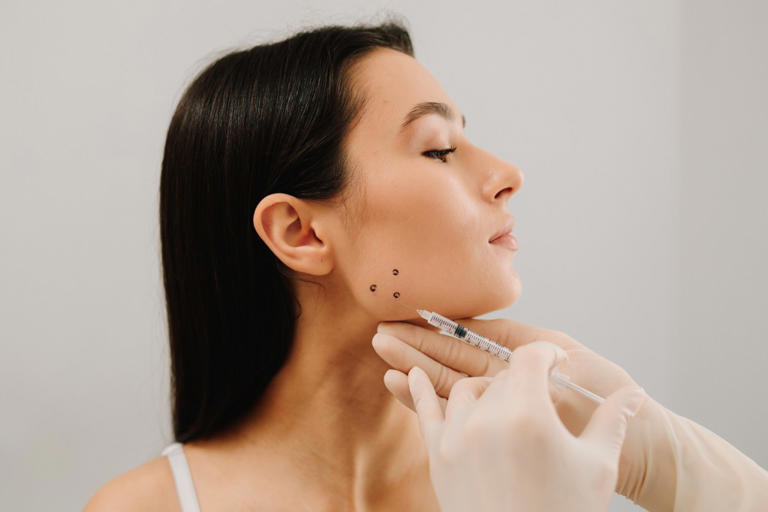
The success and safety of Dysport injections for TMJ largely depend on the injector’s skill and knowledge. Each person’s facial anatomy is unique, requiring a tailored approach to dosing and injection technique. The amount of muscle mass and the desired reduction influence how many units of Dysport are needed—often 2.5 to 3 times more than Botox for similar effects.
An experienced practitioner will carefully evaluate the patient’s muscle size and function, ensuring the injection targets the masseter without affecting adjacent muscles like the risorius. This precision minimizes the risk of side effects such as smile distortion or facial paralysis.
In Hannah Berner’s case, she noticed the problem about a week after her injections, when her smile transformed into more of a grimace. Unfortunately, once the neurotoxin spreads to unintended muscles, there is little that can be done except wait for the effects to wear off naturally over several months.
What Patients Should Know Before Undergoing TMJ Treatment with Dysport
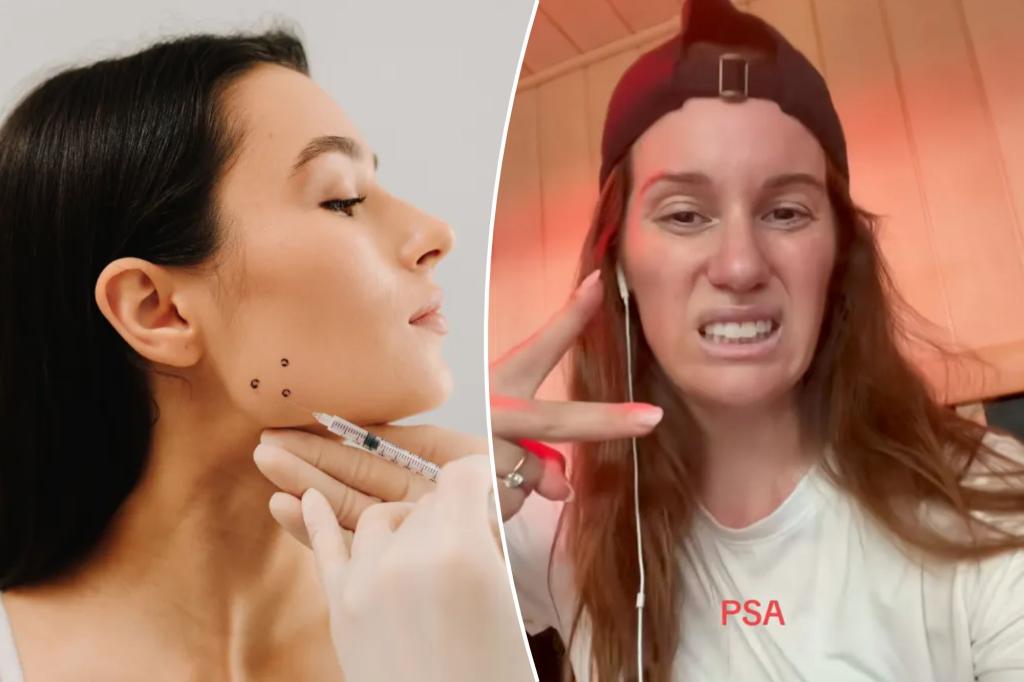
If you are considering Dysport injections for TMJ tension or jaw slimming, it’s essential to be fully informed about the procedure, benefits, and potential risks. Here are some key points to keep in mind:
– **Consult a Specialist:** Choose a licensed and experienced injector who specializes in facial anatomy and neurotoxin treatments.
– **Understand Off-Label Use:** Dysport for TMJ is an off-label treatment, meaning it is not FDA-approved for this specific purpose.
– **Know the Risks:** Be aware of possible side effects, including difficulty smiling, facial asymmetry, swelling, and temporary paralysis.
– **Follow Post-Treatment Care:** Follow all aftercare instructions provided by your practitioner to reduce complications.
– **Have Realistic Expectations:** Results take several weeks to appear and last for months; side effects may also take time to resolve.
– **Prepare for Recovery:** If side effects occur, patience is necessary as the body metabolizes the neurotoxin naturally.
By understanding these factors, patients can make informed decisions and reduce the likelihood of adverse outcomes.
Hannah Berner’s Journey: From Laughter to Recovery

Hannah Berner’s story highlights the unpredictable nature of cosmetic and medical treatments involving neurotoxins. Known for her roles on Bravo’s “Summer House” and her Netflix comedy special “We Ride at Dawn,” Berner’s infectious smile is a hallmark of her personality. Her current struggle with a compromised smile is a poignant reminder that even seemingly routine procedures can have unexpected consequences.
Despite the setback, Berner remains optimistic and encourages her followers to stay safe and hopeful. Her openness helps raise awareness about TMJ treatments and the importance of careful consideration before undergoing such procedures.
Conclusion
Comedian Hannah Berner’s experience with TMJ treatment using Dysport injections serves as a cautionary tale about the potential side effects of neurotoxin therapies. While these treatments can provide relief from jaw tension and improve aesthetics, they carry risks that must not be overlooked. If you are contemplating Dysport or Botox for TMJ, ensure you consult with a qualified specialist and understand all possible outcomes.
For those currently undergoing treatment or considering it, stay informed, ask questions, and prioritize safety. If you found this article helpful, share it with others who might benefit from learning about the realities of TMJ treatment. Stay safe and take care of your smile!
Have you or someone you know experienced side effects from TMJ treatments? Share your story or ask questions in the comments below to join the conversation and support others navigating this journey.

Leave a Reply