Conan O’Brien Reveals Overlooked Male Menopause Change That Surprised Him
Understanding the Overlooked Male Menopause Change: Conan O’Brien’s Insight

Male menopause, medically known as andropause, is a gradual decline in testosterone levels that many men experience as they age. Unlike female menopause, which is marked by a sudden and dramatic drop in hormones, andropause occurs slowly and often goes unnoticed. However, this subtle hormonal shift can lead to significant changes in men’s physical health, mood, motivation, and overall well-being.
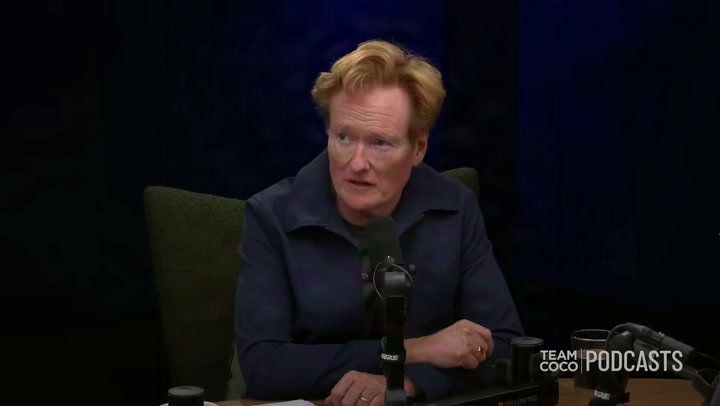
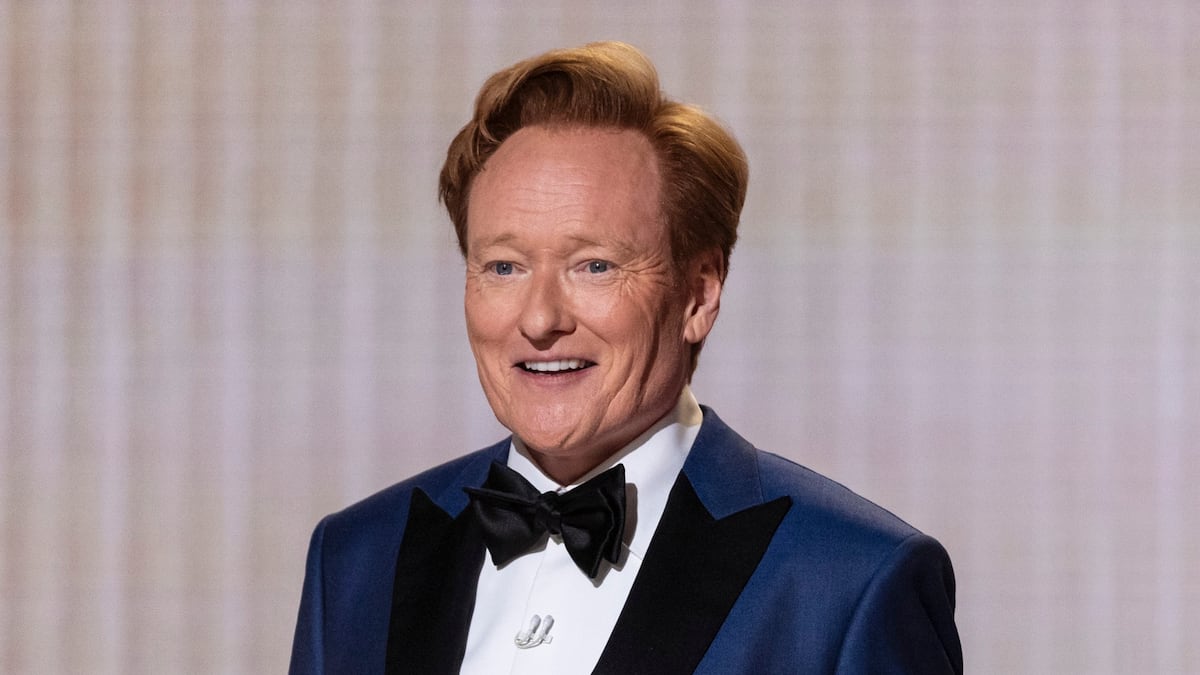
Conan O’Brien, the well-known comedian and former late-night host, recently opened up about his personal experience with this overlooked change. At 63, Conan noticed a shift in his personality and energy levels that he initially attributed to maturity and wisdom. However, a revealing conversation with his late mother-in-law, Pamela Powel, a psychoanalytic therapist, shed light on the real cause: a decline in his testosterone levels.
Conan O’Brien’s Surprising Revelation About Male Menopause

In a candid episode of his podcast, “Conan O’Brien Needs a Friend,” Conan shared how he told Pamela that he felt “wiser” and “less intense” compared to his younger years. He believed this change was a sign of personal growth and maturity. Pamela, however, humorously corrected him, saying, “No, no, no. Your testosterone level has just dropped,” adding that he simply had “less of that asshole juice running through your body.”
This humorous yet insightful exchange highlights a common misconception about testosterone and male menopause. Many people associate testosterone solely with libido, muscle mass, and physical vitality. But as experts explain, testosterone influences much more than just physical traits—it affects motivation, emotional reactivity, competitiveness, and overall drive.
Dr. Hal Mohammed, Men’s Health Chief Medical Officer at Gameday, emphasizes that testosterone plays a crucial role in shaping behavior and emotional responses. He notes, “There’s a misconception that testosterone is only about libido and muscle mass, but it definitely influences drive, competitiveness, assertiveness, and emotional reactivity.”
The Broader Impact of Andropause on Men’s Health and Lifestyle
Testosterone levels naturally decline by about 1% per year after age 30, and by the time men reach their 70s, some may experience up to a 50% reduction compared to their peak levels. This decline affects approximately 30-40% of men in their 40s and 50s, with even earlier onset in men with chronic illnesses such as obesity and Type 2 diabetes.
The effects of andropause extend beyond physical changes like reduced libido and muscle loss. Men may experience decreased motivation, mood swings, difficulty focusing, and altered emotional responses. These symptoms can impact work performance, relationships, confidence, and overall quality of life.
Dr. Pete Stahl, Head of Men’s Health at Hims, explains that while some men feel the effects as early as their 30s or 40s, others maintain healthy testosterone levels well into old age. He stresses the importance of recognizing and addressing testosterone deficiency as a vital part of men’s healthcare.
Moreover, low testosterone has been linked to serious health concerns including increased risk of diabetes, fractures, anemia, and cardiovascular disease. Therefore, understanding and managing this hormonal change is essential for longevity and well-being.
Managing Testosterone Decline: Treatment and Lifestyle Considerations

Treating testosterone deficiency involves a comprehensive approach that addresses underlying causes and may include testosterone replacement therapy (TRT). TRT can be administered through injections, gels, or oral medications, and is designed to restore testosterone levels to a healthy range.
Healthcare providers specializing in men’s health recommend thorough evaluation before starting treatment, as testosterone therapy is not suitable for everyone and requires careful monitoring. Lifestyle changes such as regular exercise, a balanced diet, stress management, and adequate sleep can also support healthy testosterone levels.
For men experiencing symptoms of andropause, seeking professional advice is crucial. Restoring testosterone levels can significantly improve energy, mood, libido, and overall quality of life.
Conclusion
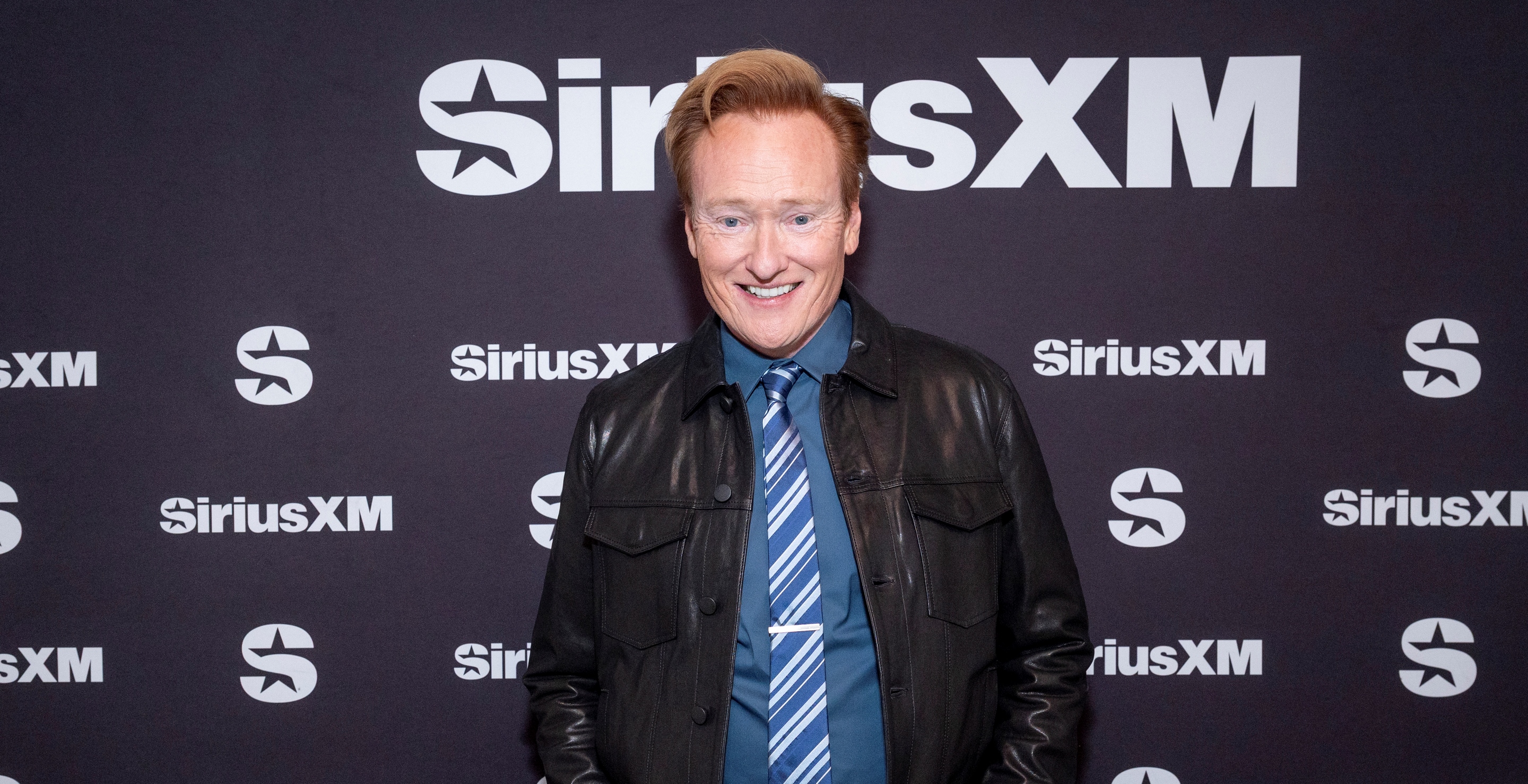
Conan O’Brien’s candid revelation about the overlooked male menopause change sheds light on an important but often ignored aspect of men’s health. Andropause, characterized by a gradual decline in testosterone, affects not only physical traits but also mood, motivation, and emotional well-being. Recognizing these changes and seeking appropriate care can help men maintain vitality and improve their quality of life as they age.
If you or someone you know is experiencing symptoms related to low testosterone, don’t wait—consult a healthcare professional today to explore your options and take control of your health and well-being.
Leave a Reply