Trump Won’t Say Sorry To Obamas For Vile AI Apes Video Posting: “I Didn’t Make A Mistake”
In a recent and highly controversial incident, former President Donald Trump has refused to apologize for sharing an AI-generated video on his social media platform that depicted Barack and Michelle Obama as apes. The disturbing video sparked outrage across the political spectrum, raising serious questions about the ethical use of artificial intelligence in political messaging and the limits of acceptable discourse in today’s polarized environment.
Trump’s Defiant Stance on the AI Apes Video Controversy
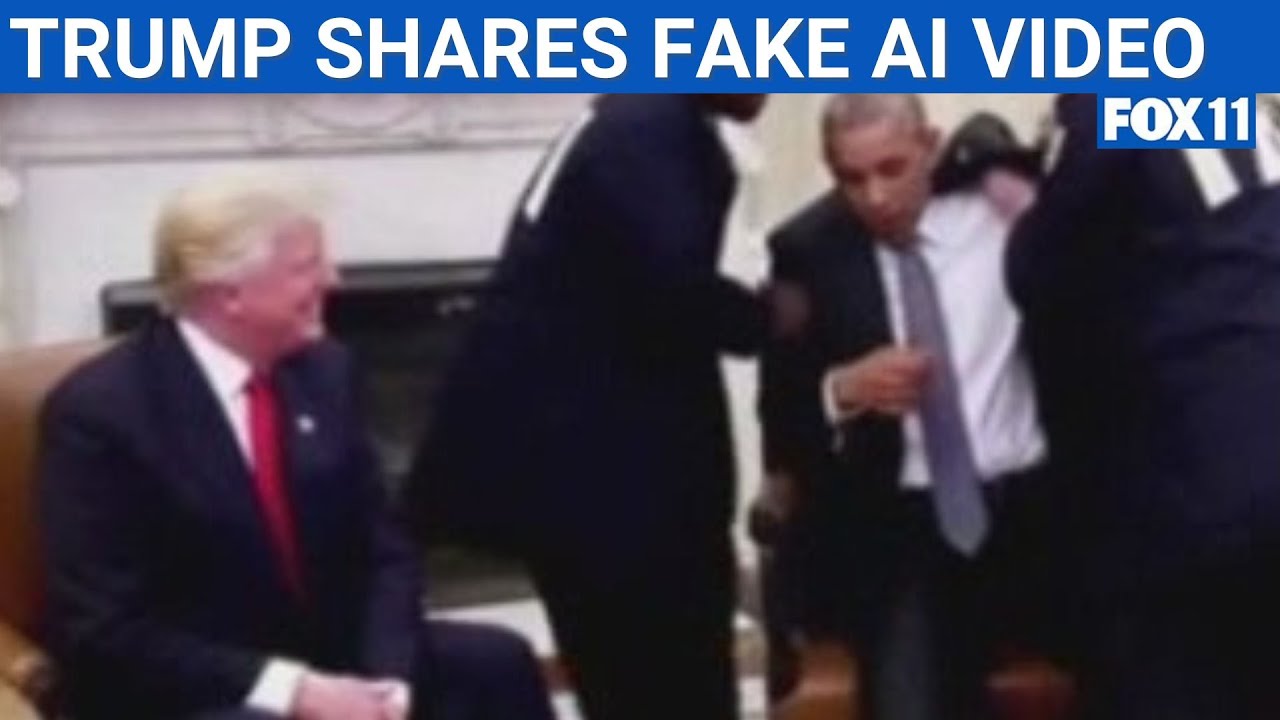
The AI-generated video in question was posted on Truth Social, a platform closely associated with Donald Trump. The video portrayed the former President Barack Obama and former First Lady Michelle Obama in a demeaning and racist manner, depicting them as apes. This imagery is widely recognized as offensive and rooted in a long history of racist caricatures.
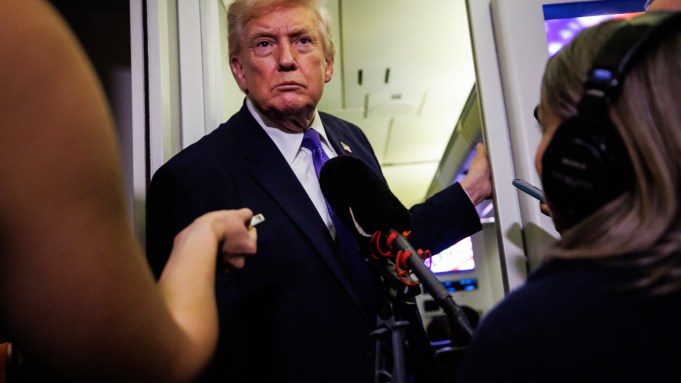
Despite the backlash and calls for an apology from various political figures, civil rights groups, and members of the public, Trump has maintained a defiant stance. When asked about the video, he stated, “I didn’t make a mistake,” refusing to acknowledge any wrongdoing or express regret for the post.
This response aligns with a well-known tactic Trump has employed throughout his career, often attributed to his mentor Roy Cohn: “admit nothing, deny everything.” By refusing to apologize, Trump appears to be doubling down on his position, signaling that he stands by the content he shared, regardless of the offense it caused.
The Role of AI in Political Messaging and Its Ethical Implications

The use of artificial intelligence to create manipulated or fabricated content has become an increasingly contentious issue in modern politics. AI-generated videos, images, and audio can be used to spread misinformation, inflame tensions, or attack opponents in ways that traditional media could not easily replicate.
In this case, the AI-generated video posted by Trump’s account highlights the potential dangers of such technology when wielded irresponsibly. The depiction of the Obamas as apes is not only deeply offensive but also demonstrates how AI can be exploited to perpetuate harmful stereotypes and racist imagery.
Experts warn that the proliferation of AI-generated content in political discourse could further erode trust in public communication and deepen societal divisions. The incident underscores the urgent need for clearer guidelines and ethical standards governing the use of AI in media and political campaigns.
Public and Political Reactions to the Video

The video’s release triggered immediate condemnation from a broad range of voices. Civil rights organizations described the video as “vile” and “racist,” emphasizing that such imagery has no place in public discourse. Several Democratic leaders called on Trump to issue a formal apology and take responsibility for spreading hateful content.
Conversely, some of Trump’s supporters defended his right to free speech, arguing that the backlash was politically motivated and an attempt to silence dissenting voices. This division reflects the broader polarization in American politics, where issues of race, technology, and free expression often collide.
Social media platforms and watchdog groups have also weighed in, highlighting the challenges of moderating AI-generated content that can be both harmful and difficult to detect. The incident has reignited debates about the responsibilities of social media companies in preventing the spread of offensive or misleading material.
What This Means for the Future of Political Discourse and AI Regulation

The controversy surrounding Trump’s AI apes video serves as a cautionary tale about the evolving landscape of political communication. As AI technology becomes more sophisticated and accessible, the potential for misuse grows exponentially.
Policymakers and technology leaders are increasingly calling for regulations that address the ethical use of AI, particularly in contexts that impact public trust and social cohesion. This includes developing tools to identify and flag manipulated content, establishing accountability for those who disseminate harmful AI-generated media, and promoting digital literacy among the public.
For political figures, the incident highlights the risks of leveraging provocative or offensive AI content to energize supporters. While such tactics may generate short-term attention, they can also damage reputations, alienate voters, and exacerbate societal divisions.
Lessons Learned and Moving Forward
The refusal of Donald Trump to apologize for the AI-generated video depicting the Obamas as apes underscores the challenges of navigating the intersection of technology, politics, and ethics. It also illustrates the enduring power of controversial imagery to provoke strong reactions and shape public discourse.
Moving forward, it is essential for political leaders, technology developers, and society at large to engage in open conversations about the responsible use of AI. Establishing clear ethical boundaries and fostering respect in political communication can help prevent similar incidents and promote a healthier democratic environment.
Conclusion

Donald Trump’s refusal to apologize for posting a vile AI-generated video of Barack and Michelle Obama as apes has ignited a fierce debate about the ethical use of AI in political messaging and the limits of free speech. This incident not only highlights the dangers of AI misuse but also reflects the deep divisions within American society. As technology continues to evolve, it is crucial for all stakeholders to prioritize responsibility and respect in political discourse. Stay informed about the latest developments in AI and politics by subscribing to our newsletter and joining the conversation on ethical technology use.
Leave a Reply