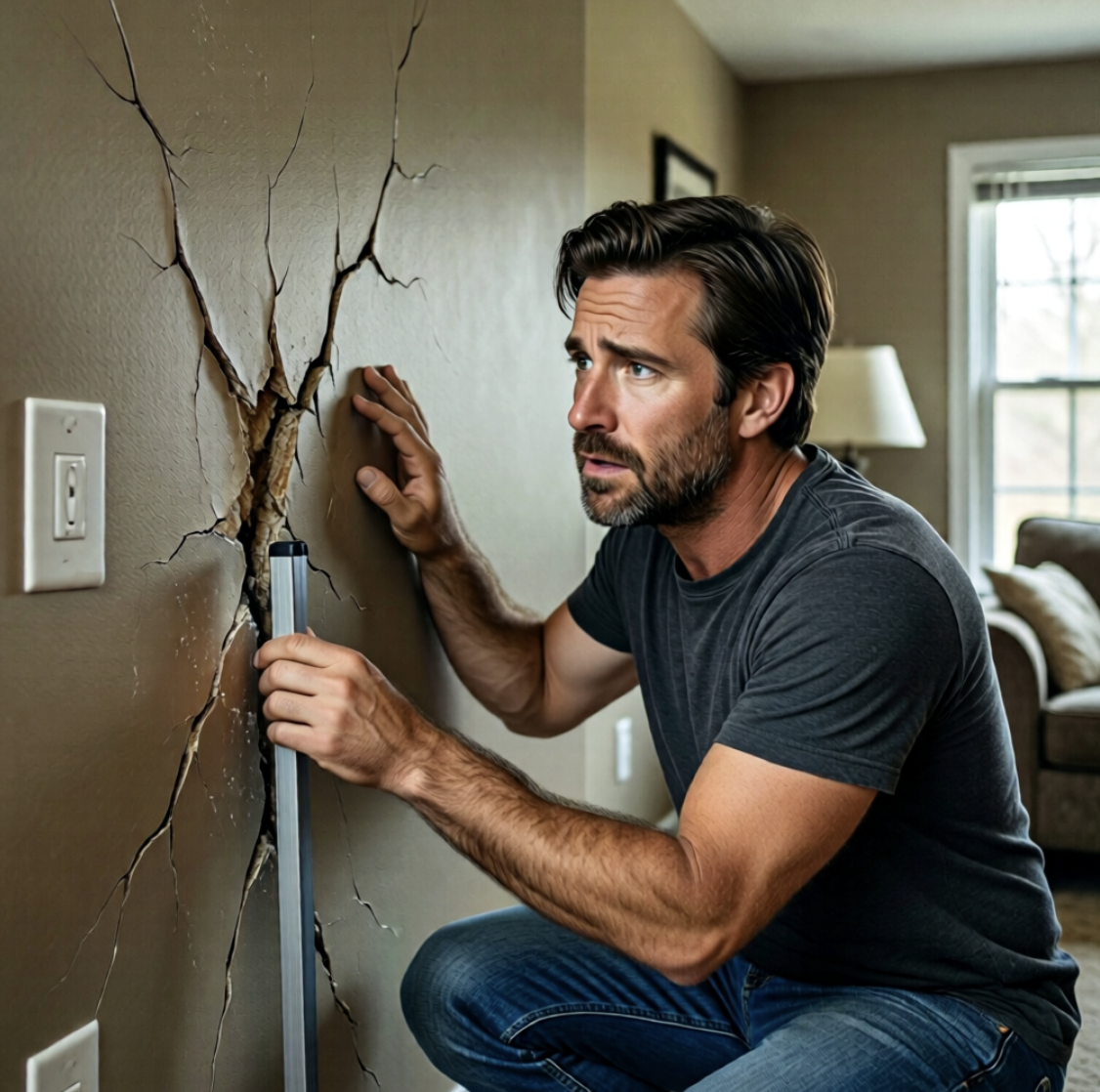
Small cracks in interior or exterior walls are a common concern for homeowners. Although they can be alarming when first noticed, many wall cracks are simply part of a building’s natural aging process and do not necessarily indicate a structural problem.
However, understanding why cracks develop—and recognizing when they may signal a more serious issue—can help homeowners decide whether simple cosmetic repairs are sufficient or whether a professional inspection is advisable.
Why Do Wall Cracks Develop?
Buildings naturally move over time.
As construction materials expand, contract, settle, and respond to changes in temperature and moisture, small amounts of movement can place stress on walls, ceilings, and joints. In many cases, these movements result in fine cracks that are considered normal.
Common Causes of Small Wall Cracks
1. Normal Building Settlement
Most homes experience some settling during the first few years after construction.
As the foundation gradually adjusts to the soil beneath it, minor movement may create thin cracks around:
- Door frames
- Window corners
- Ceiling joints
- Drywall seams
These cosmetic cracks are usually narrow and stable over time.
2. Temperature and Humidity Changes
Building materials expand in warm, humid conditions and contract when temperatures fall or indoor air becomes dry.
Repeated seasonal movement can cause small cracks to appear, especially in:
- Drywall
- Plaster
- Paint
- Ceiling joints
Homes in regions with significant seasonal temperature changes often experience this type of movement.
3. Drywall Joint Movement
Drywall panels are connected using joint compound and tape.
Over time, slight movement within the building may cause these joints to become visible as thin, straight cracks.
This is one of the most common cosmetic issues in modern homes.
4. Shrinkage of Construction Materials
Concrete, plaster, wood, and some finishing materials naturally shrink as they cure or dry.
This process may create hairline cracks during the months following construction or renovation.
5. Moisture Changes
Changes in soil moisture or indoor humidity can affect both building materials and foundations.
Extended periods of drought or heavy rainfall may contribute to minor structural movement that results in visible cracking.
When Are Small Cracks Usually Harmless?
Many cracks are considered cosmetic when they are:
- Very thin (hairline cracks)
- Short in length
- Stable over time
- Limited to drywall, plaster, or paint
- Not associated with doors or windows becoming difficult to open
These types of cracks often require only routine maintenance or cosmetic repair.
Warning Signs That May Indicate a Larger Problem
Some cracks deserve closer attention, particularly if they are accompanied by other signs of structural movement.
Consider seeking a professional evaluation if you notice:
- Cracks wider than approximately 3 mm (about 1/8 inch)
- Cracks that continue to grow over time
- Stair-step cracks in brick or masonry walls
- Large diagonal cracks extending from doors or windows
- Doors or windows that suddenly stick or no longer close properly
- Uneven or sloping floors
- Gaps between walls and ceilings
- Bulging or bowed walls
- Water entering through foundation cracks
While these symptoms do not always indicate serious structural damage, they should be assessed by a qualified professional.
Can Wall Cracks Be Prevented?
Not every crack can be avoided, but homeowners may reduce unnecessary movement by:
- Maintaining proper drainage around the home’s foundation
- Keeping gutters and downspouts in good condition
- Managing soil moisture during prolonged dry periods when appropriate
- Repairing plumbing leaks promptly
- Controlling indoor humidity levels
- Performing regular home maintenance inspections
These measures help reduce excessive movement caused by moisture-related changes.
When Should You Repair Cosmetic Cracks?
Hairline cracks can usually be repaired once they have stabilized.
Typical cosmetic repairs include:
- Filling the crack with an appropriate filler or joint compound
- Sanding the repaired area smooth
- Priming the surface
- Repainting the wall
If cracks repeatedly reopen after repair, further investigation may be worthwhile to identify any ongoing movement.
The Bottom Line
Small wall cracks are a normal occurrence in many homes and are often caused by natural settling, seasonal expansion and contraction, or minor movement in building materials. Most hairline cracks are cosmetic and do not indicate structural failure. However, cracks that become wider, continue to grow, or occur alongside sticking doors, uneven floors, or other signs of movement should be professionally evaluated to determine whether additional repairs are needed.