Why Beloved M*A*S*H Star McLean Stevenson Left The Series
The Story Behind McLean Stevenson’s Departure from M*A*S*H
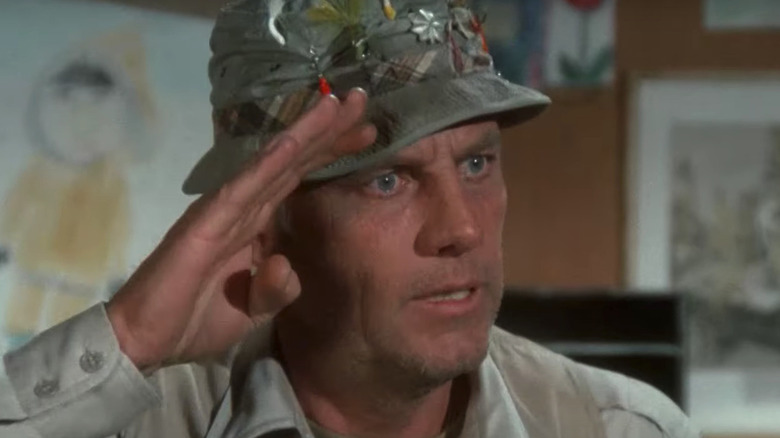
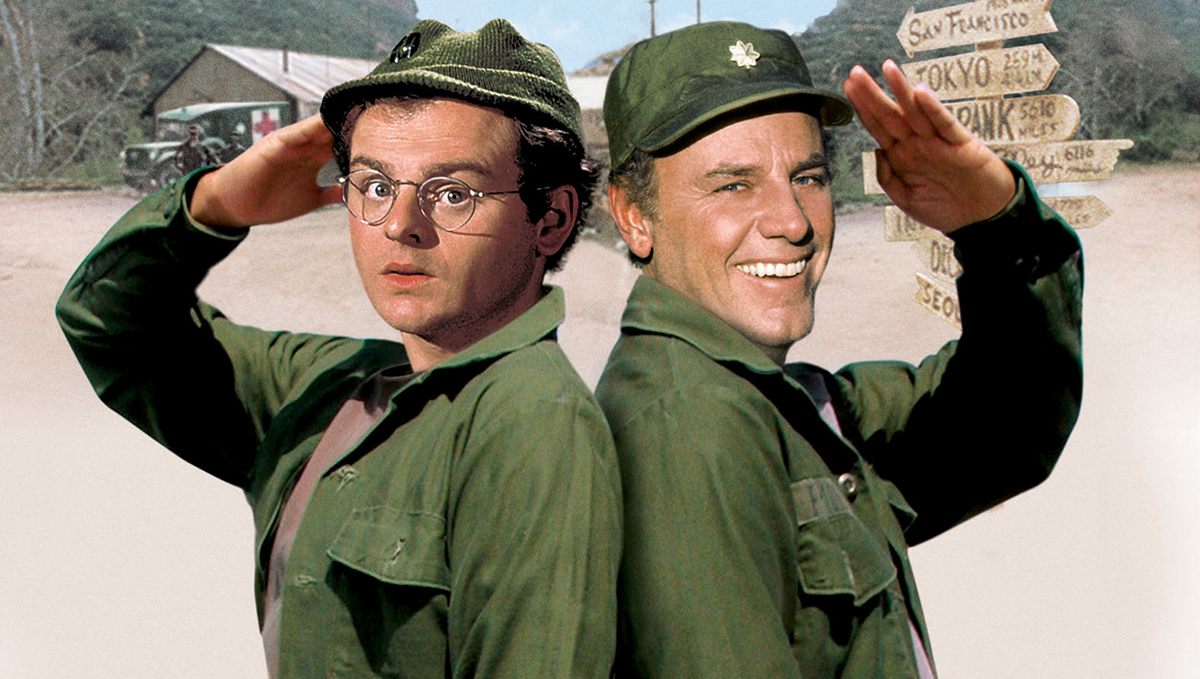
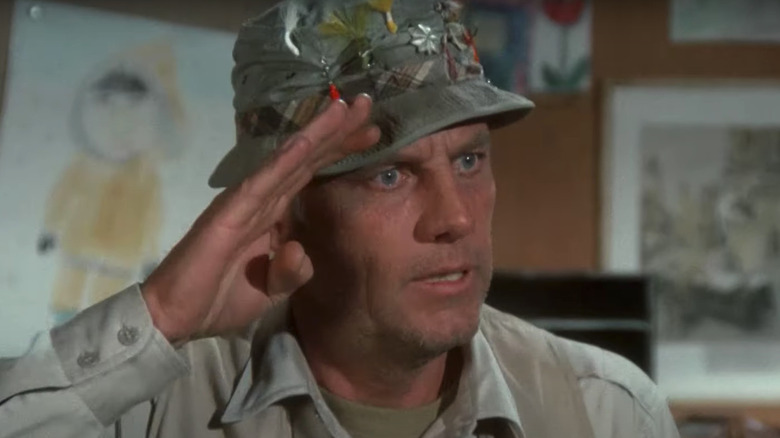
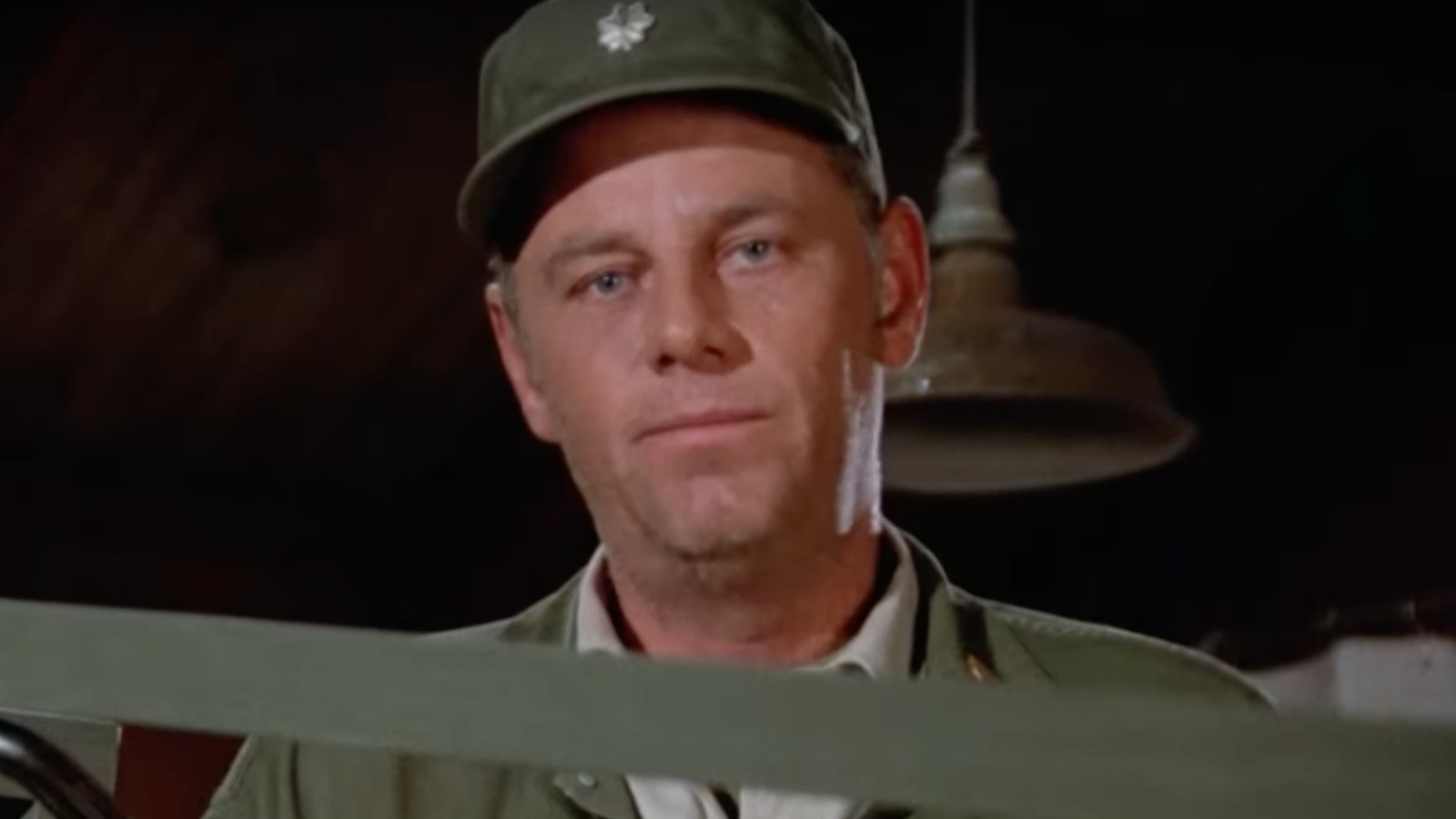
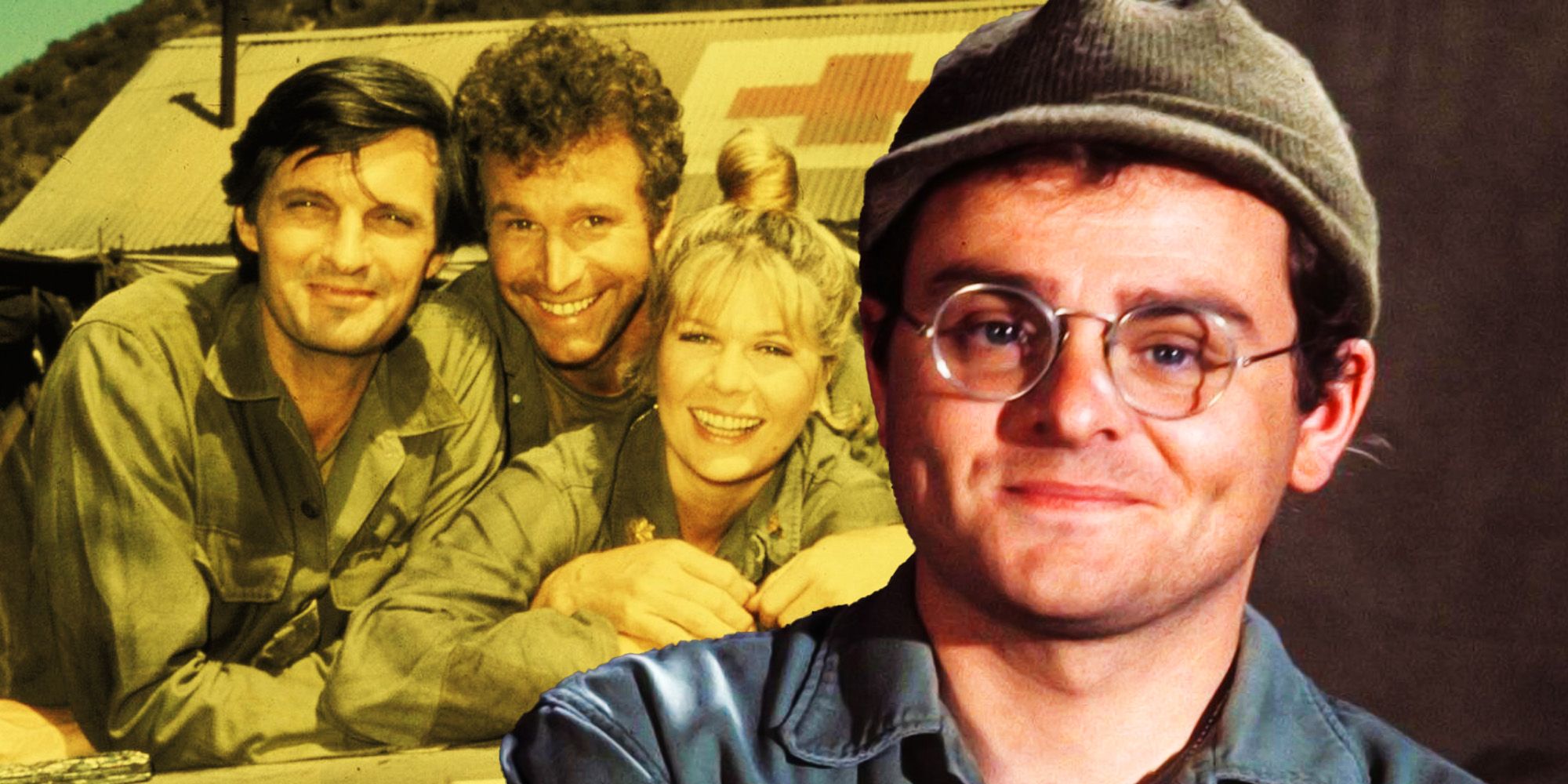
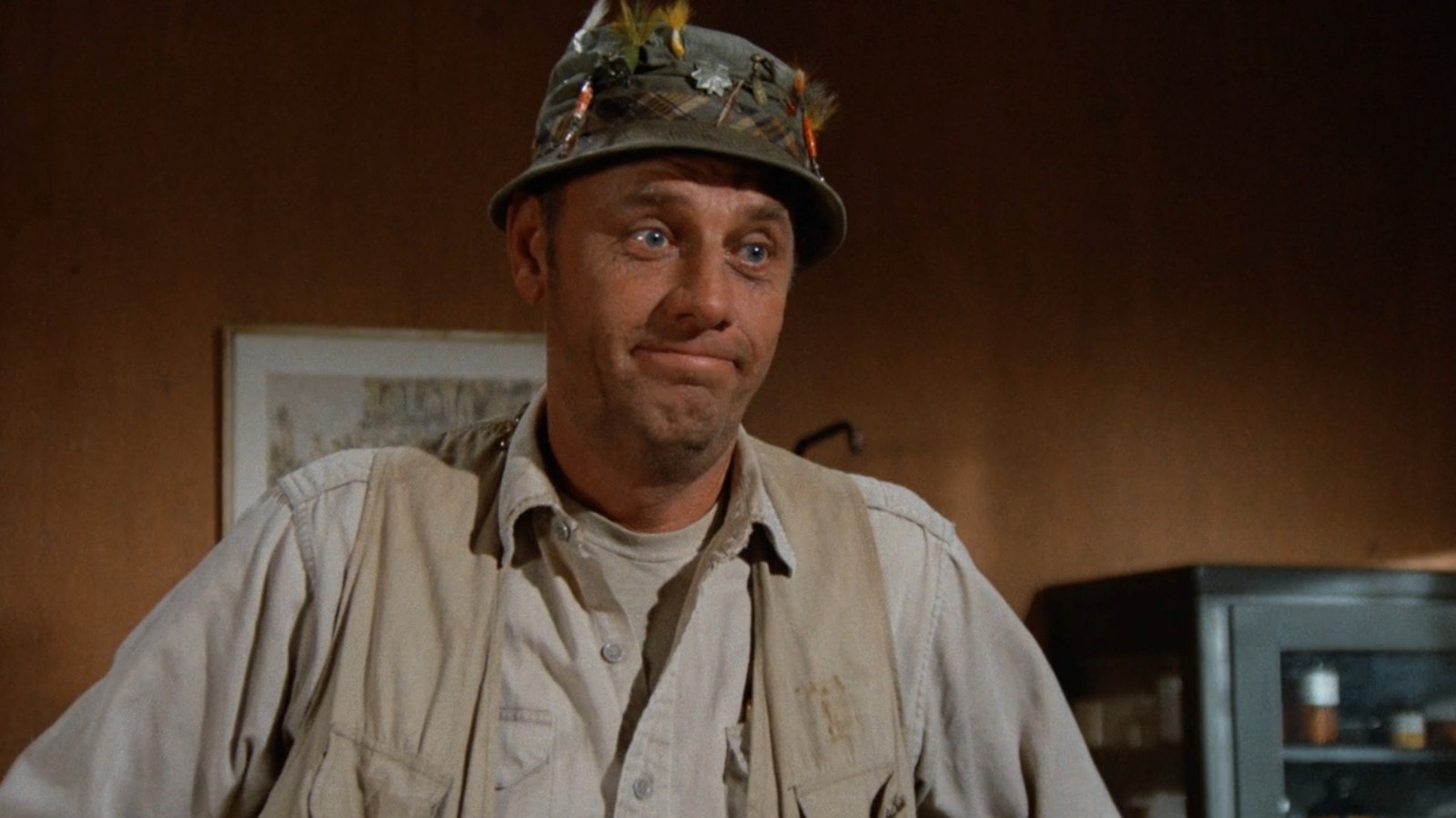
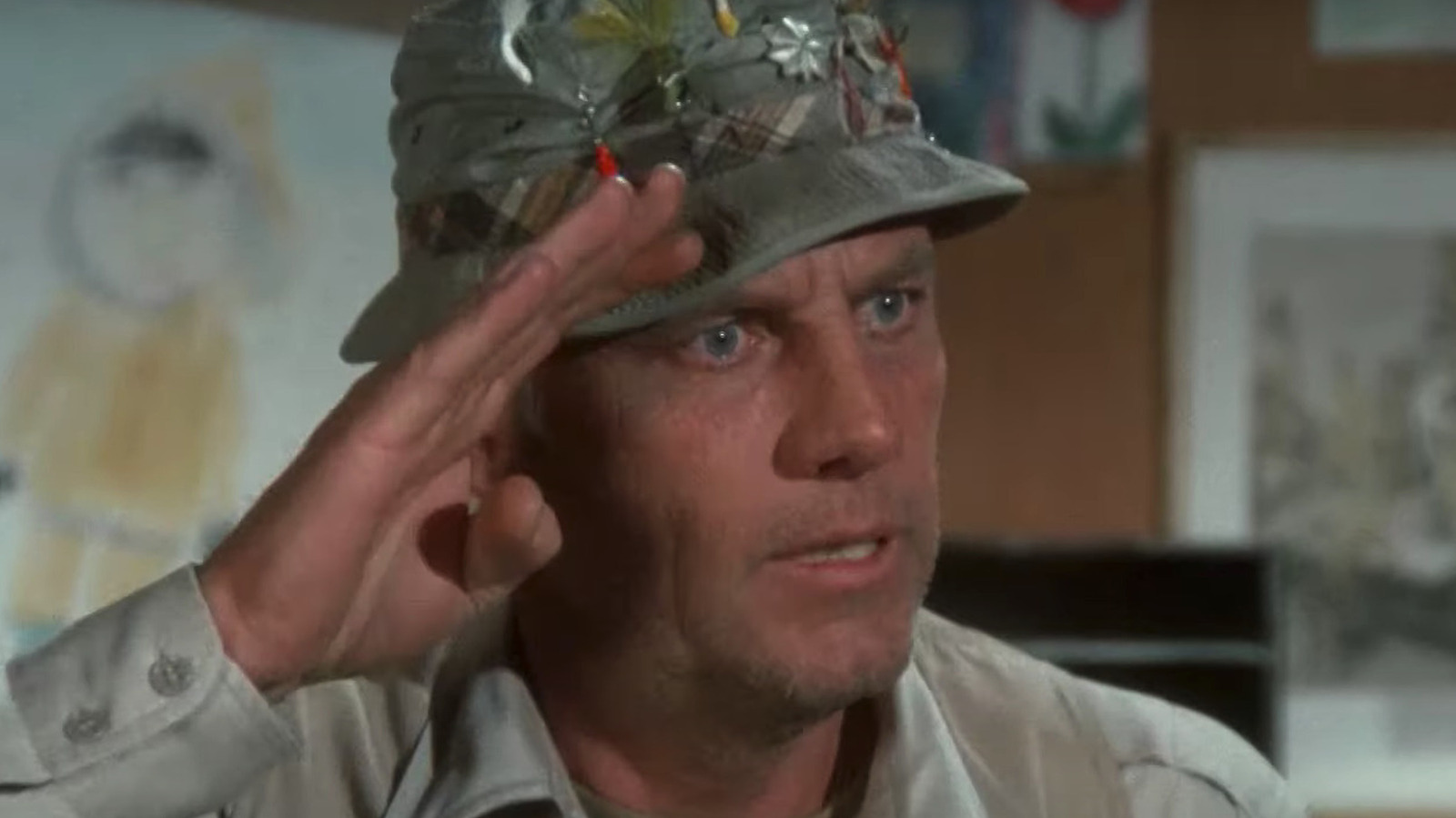
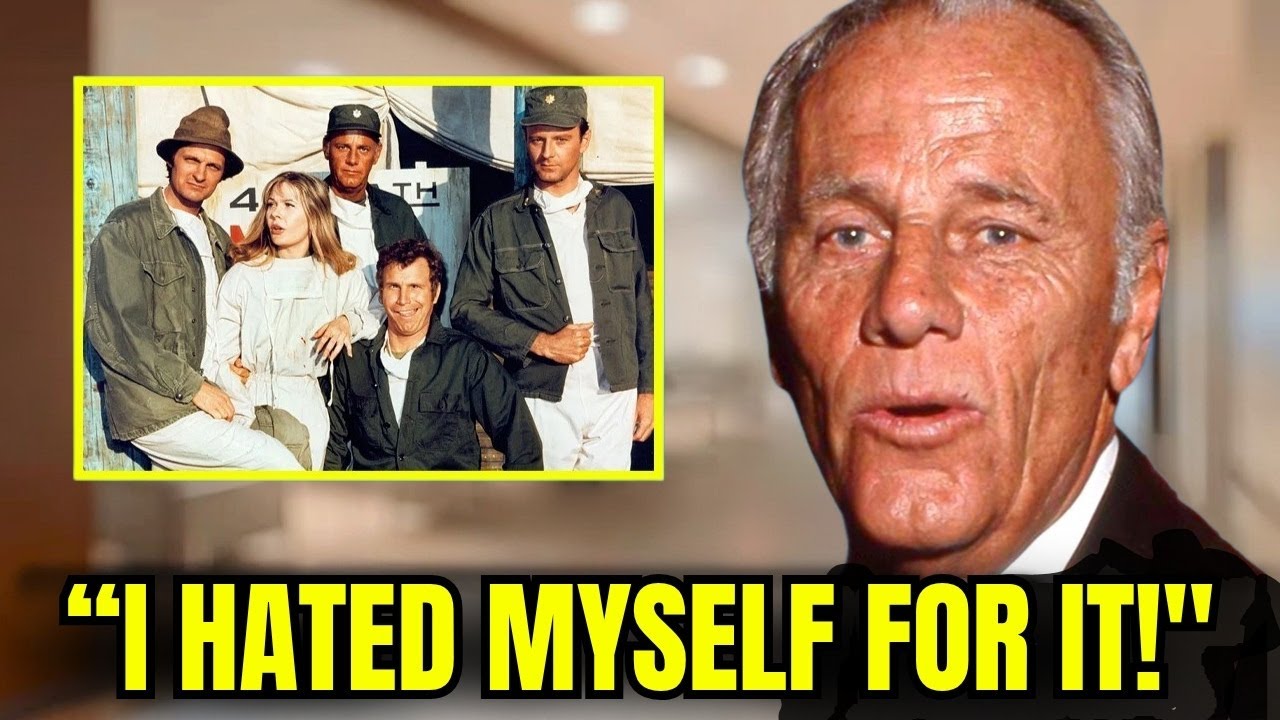
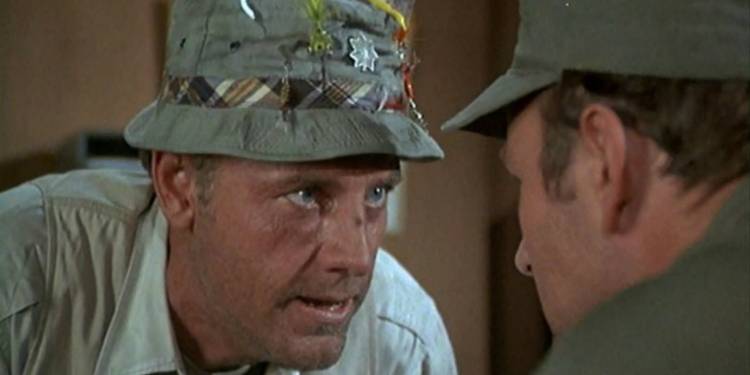
M*A*S*H remains one of the most celebrated television series in history, blending humor and drama against the backdrop of the Korean War. Among its memorable cast was McLean Stevenson, who portrayed the affable and sometimes bumbling Lt. Col. Henry Blake. Despite his popularity, Stevenson made the surprising decision to leave the series after just three seasons. This move shocked fans and industry insiders alike, sparking curiosity about his motivations and the consequences that followed.
Stevenson’s journey to stardom was unique. Before stepping in front of the camera, he worked as a writer, honing his skills behind the scenes on various television shows. His acting breakthrough came with “The Doris Day Show,” but it was his role on M*A*S*H that truly put him in the spotlight. Not only did he bring Henry Blake to life with warmth and humor, but he also contributed creatively by writing two episodes, earning critical acclaim and multiple Emmy nominations, as well as a Golden Globe win.
However, success brought with it a desire for greater recognition. Stevenson reportedly felt overshadowed within the ensemble cast and believed he deserved to be the central star. This ambition ultimately led him to leave M*A*S*H at the end of its third season, hoping to capitalize on his rising fame with solo projects.
McLean Stevenson’s Career After Leaving M*A*S*H

Stevenson’s exit from M*A*S*H was marked by a poignant farewell episode titled “Abyssinia, Henry,” where his character was discharged and sent home. The episode took a dark turn when it was revealed that Henry Blake’s plane was shot down, a shocking moment that underscored the unpredictability of war and television alike. This dramatic exit also symbolized the uncertain path Stevenson’s career would take after leaving the show.
Following his departure, Stevenson pursued leading roles in several sitcoms. His first attempt, “The McLean Stevenson Show,” was short-lived, canceled after only 12 episodes. Not deterred, he starred in “Hello, Larry,” which lasted for 38 episodes, and later in “Condo,” which ran for 13 episodes. Unfortunately, none of these series matched the success or critical acclaim of M*A*S*H.
As the years passed, Stevenson’s career shifted from starring roles to guest appearances, a common trajectory for actors who leave successful ensemble casts seeking solo fame. His experience became a cautionary tale in Hollywood about the risks of leaving a beloved show too soon.
In a 1991 documentary titled “Memories of MASH,” Stevenson reflected candidly on his decision. He admitted that he had mistakenly believed the audience loved him personally, rather than his character Henry Blake. This realization highlighted the complex relationship between actors and their roles, and how public affection often centers on the character rather than the performer.
The Impact of McLean Stevenson’s Departure on M*A*S*H and Television History
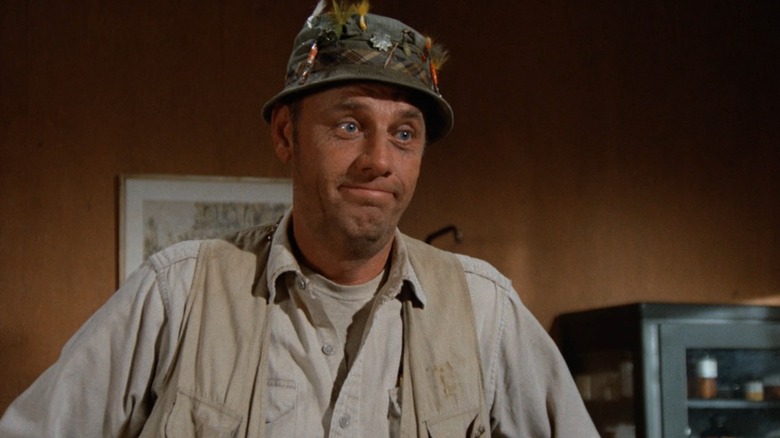
Stevenson’s decision to leave M*A*S*H had a significant impact on the show’s dynamic and storytelling. His character’s death was one of the first times a major character was killed off in a prime-time comedy, setting a precedent for blending serious themes with humor. This bold narrative choice deepened the show’s emotional resonance and demonstrated that television could tackle difficult subjects without sacrificing entertainment value.
Moreover, Stevenson’s departure opened the door for new characters and storylines, allowing M*A*S*H to evolve and maintain its popularity for many more seasons. While fans missed Henry Blake, the show’s ability to adapt contributed to its lasting legacy.
From a broader perspective, Stevenson’s career trajectory after M*A*S*H serves as a lesson about the challenges actors face when transitioning from ensemble casts to solo stardom. His story underscores the importance of timing, role selection, and understanding audience attachment in shaping a successful career in entertainment.
Lessons from McLean Stevenson’s Career Choices
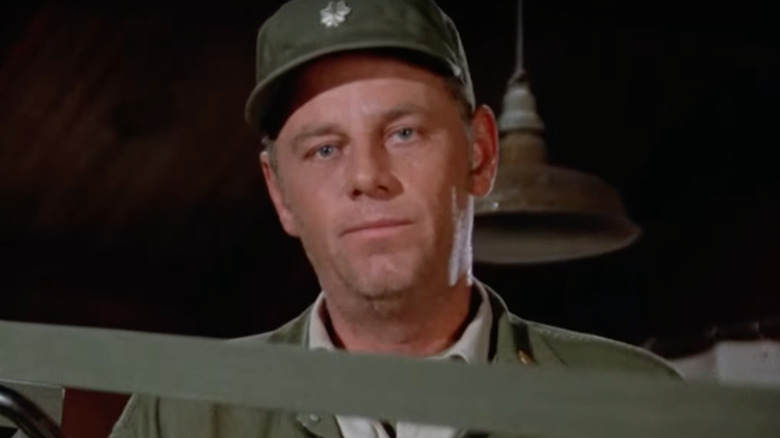
For actors and entertainers, McLean Stevenson’s experience offers valuable insights:
– **Know Your Audience:** Understanding whether fans connect with the actor or the character is crucial before making career moves.
– **Value Ensemble Success:** Sometimes, the strength of a show lies in its collective cast rather than individual stardom.
– **Be Patient with Growth:** Building a solo career often requires time and strategic choices rather than immediate leaps.
– **Embrace Creative Contributions:** Stevenson’s writing work on M*A*S*H showed his versatility, a trait that can open additional career paths.
Conclusion
McLean Stevenson’s departure from M*A*S*H remains a fascinating chapter in television history. His desire for greater recognition led him to leave a beloved role, but the outcome was a mixed legacy of both success and missed opportunities. His story reminds us that fame is often tied to the characters we play and the timing of our decisions. If you’re intrigued by the behind-the-scenes stories of classic TV shows and the actors who brought them to life, be sure to explore more about M*A*S*H and its unforgettable cast. Don’t miss out—dive deeper into television history today!
Leave a Reply