Blair Underwood Turned Down Original ‘Sex and the City’ Role Over Racial Fetishism Storyline
Blair Underwood’s Decision to Reject the Initial ‘Sex and the City’ Role

Blair Underwood, a renowned actor known for his versatile roles, recently opened up about a pivotal moment in his career involving the iconic HBO series, *Sex and the City*. Before he became widely recognized for his portrayal of Dr. Robert Leeds, Miranda Hobbes’ love interest, Underwood was initially offered a different part on the show. This earlier role, however, came with a storyline that made him uncomfortable and ultimately led him to turn down the opportunity.
The original character was intended to be Samantha Jones’ Black boyfriend, a role that revolved around Samantha’s curiosity about Black men, particularly focusing on racial fetishism and stereotypes. Underwood explained that the storyline centered on Samantha’s fascination with Black men’s anatomy, which he found problematic. Despite the prestige of joining such a popular series, Underwood felt that accepting the role would reduce his character to a mere curiosity rather than a fully developed human being.
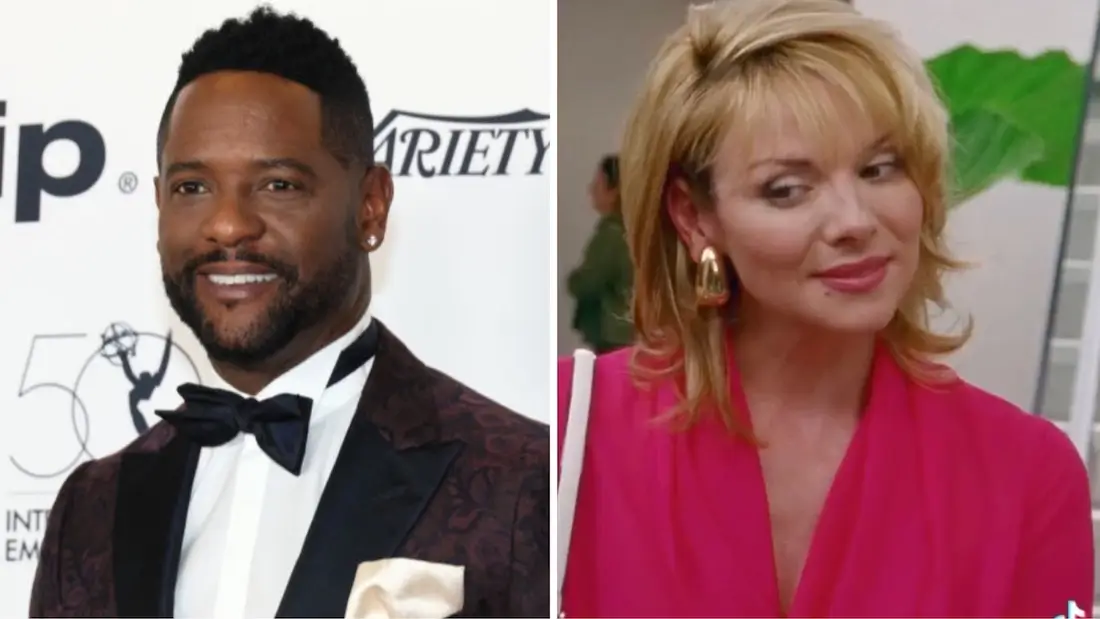
On the talk show *Q with Tom Power*, Underwood shared, “Kim Cattrall’s character, Samantha, had a storyline where she had a curiosity about Black men and Black men’s anatomy, and she wanted to know if it was true. The producers reached out and invited me on the show. I’m always grateful when anyone thinks of me. I don’t take that lightly or for granted. I said, ‘Thank you very much, but I’m gonna pass.’” This candid admission highlights Underwood’s commitment to roles that respect his identity and reject harmful stereotypes.
The Importance of Rejecting Racial Fetishism in Media

Underwood’s choice to decline the role underscores a broader issue within the entertainment industry: the prevalence of racial fetishism and stereotyping. Racial fetishism reduces individuals to their race or physical attributes, stripping away their complexity and humanity. This type of portrayal can perpetuate damaging stereotypes and contribute to societal biases.
By refusing to participate in a storyline that fetishized Black men, Underwood took a stand against a narrative that many actors of color have long grappled with. His decision reflects a growing awareness and demand for more nuanced, respectful representation of diverse characters on screen. It also serves as a reminder to producers and writers about the importance of crafting characters that transcend racial clichés and offer authentic human experiences.
How Blair Underwood Later Joined ‘Sex and the City’ in a Respectful Role

Two years after turning down the initial offer, Underwood was approached again by the *Sex and the City* producers. This time, the role was quite different: he was asked to play Dr. Robert Leeds, a sports medicine physician and the love interest of Miranda Hobbes, portrayed by Cynthia Nixon. Before accepting, Underwood inquired about the nature of the character, specifically asking if the role would involve racial fetishism or if it would allow him to be portrayed as a well-rounded human being.
The producers assured him that race would not be a focal point of the storyline and that his character would be treated as a full-fledged human being, not defined by racial stereotypes. This assurance convinced Underwood to accept the role, which he later described as a rewarding experience. He reflected, “I’m glad I did, because I almost said no. It’s amazing. People remember it to this day. It was remarkable.”
Underwood’s portrayal of Dr. Leeds was well-received, and his character’s relationship with Miranda was depicted with depth and authenticity. The role allowed Underwood to showcase his talent without being confined by racialized narratives, contributing positively to the show’s dynamic and diversity.
Positive On-Set Experiences and Lasting Impact

Underwood also spoke warmly about his co-star Cynthia Nixon, who played Miranda Hobbes. He recalled how welcoming she and the rest of the cast were when he joined the show, despite having never met them before. Nixon reached out to Underwood to express excitement about his casting, making him feel immediately included and appreciated.
This supportive environment contrasted with the initial hesitation Underwood had about joining the series. His experience on *Sex and the City* highlights the importance of inclusive and respectful workplaces in the entertainment industry, where actors of all backgrounds can thrive and contribute meaningfully.
Conclusion
Blair Underwood’s story about turning down the original *Sex and the City* role due to its racial fetishism storyline sheds light on critical issues surrounding representation in media. His insistence on playing characters that are fully human and free from harmful stereotypes is a powerful example for both actors and creators alike. By choosing roles that honor his identity and reject reductive narratives, Underwood has helped pave the way for more authentic and respectful portrayals of Black characters on television.
If you’re passionate about diversity and representation in entertainment, stay informed and support content that celebrates the richness of human experience beyond stereotypes. For more insights into actors’ journeys and the evolving landscape of television, keep following our updates and share your thoughts on how media can continue to improve inclusivity.



Leave a Reply