Accused Charlie Kirk Assassin Tyler Robinson Dealt Courtroom Blow, Days Before Pivotal Hearing
Utah Supreme Court Denies Tyler Robinson’s Appeal to Block Cameras at Preliminary Hearing
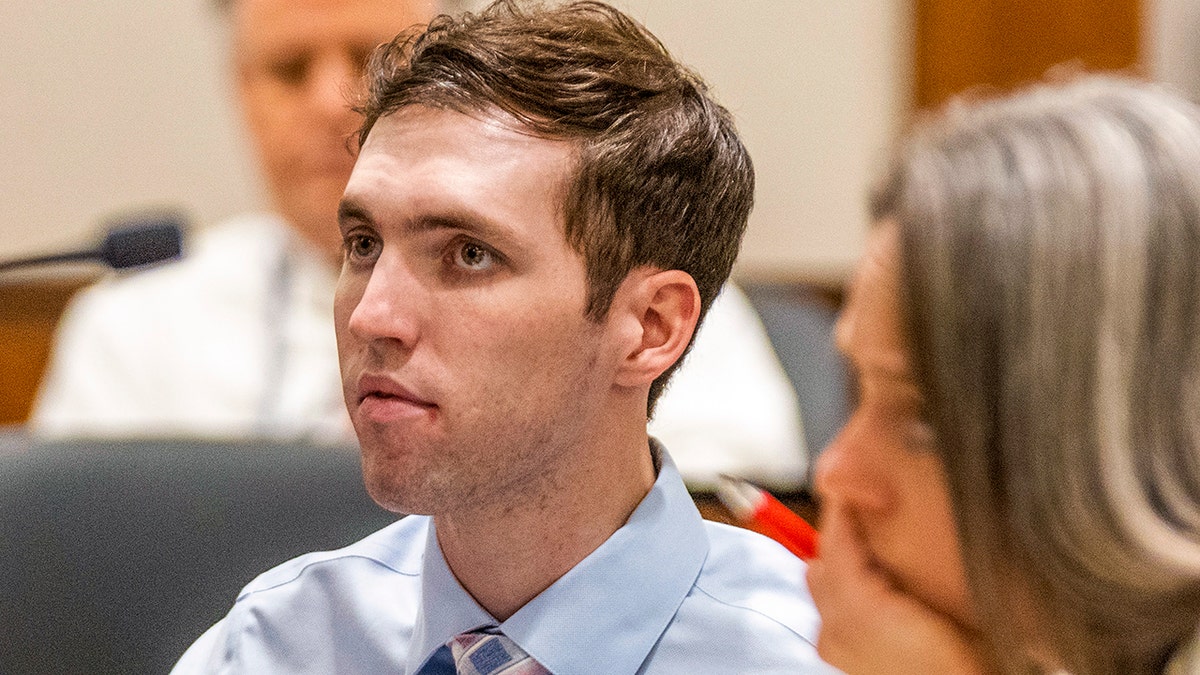
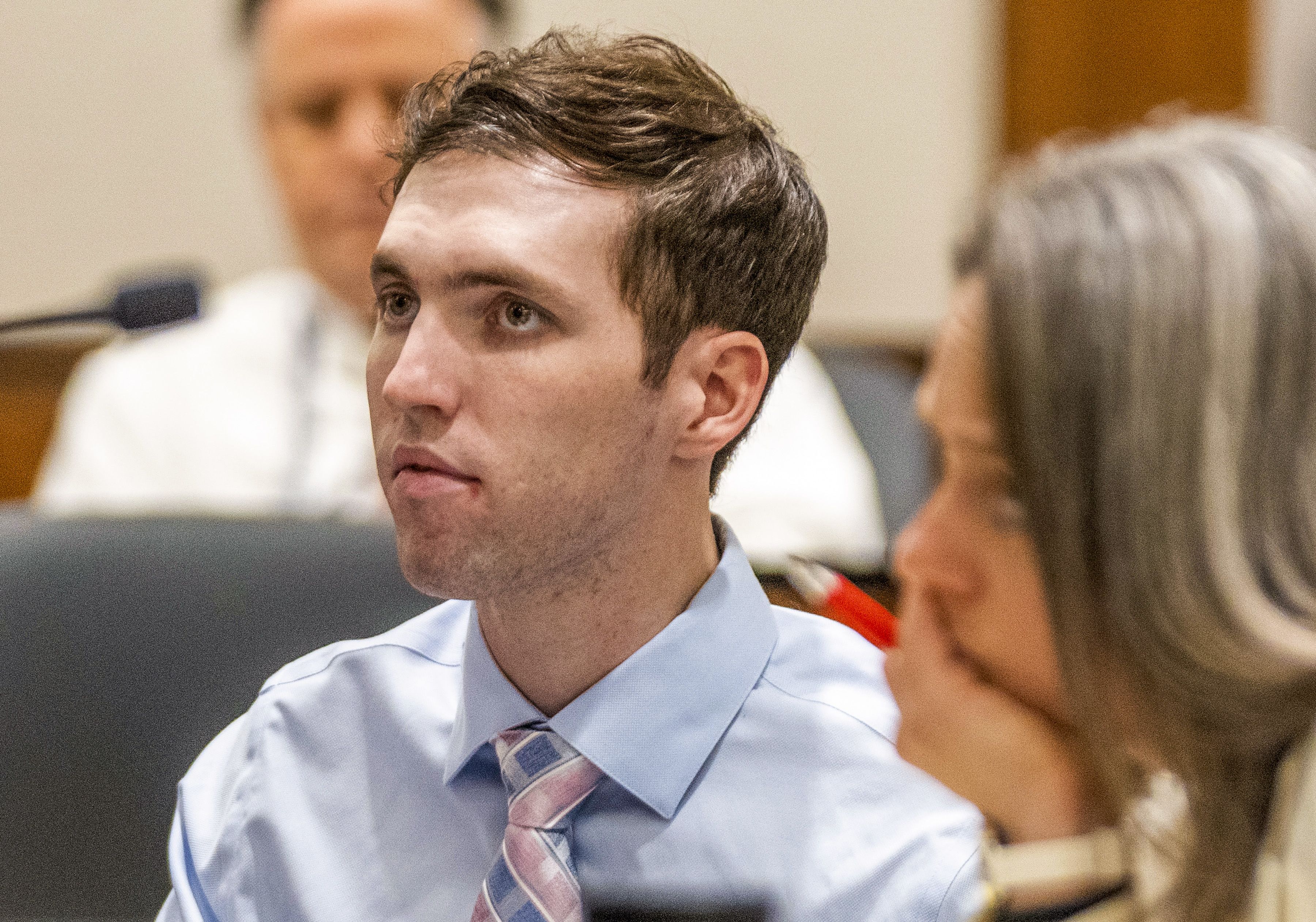
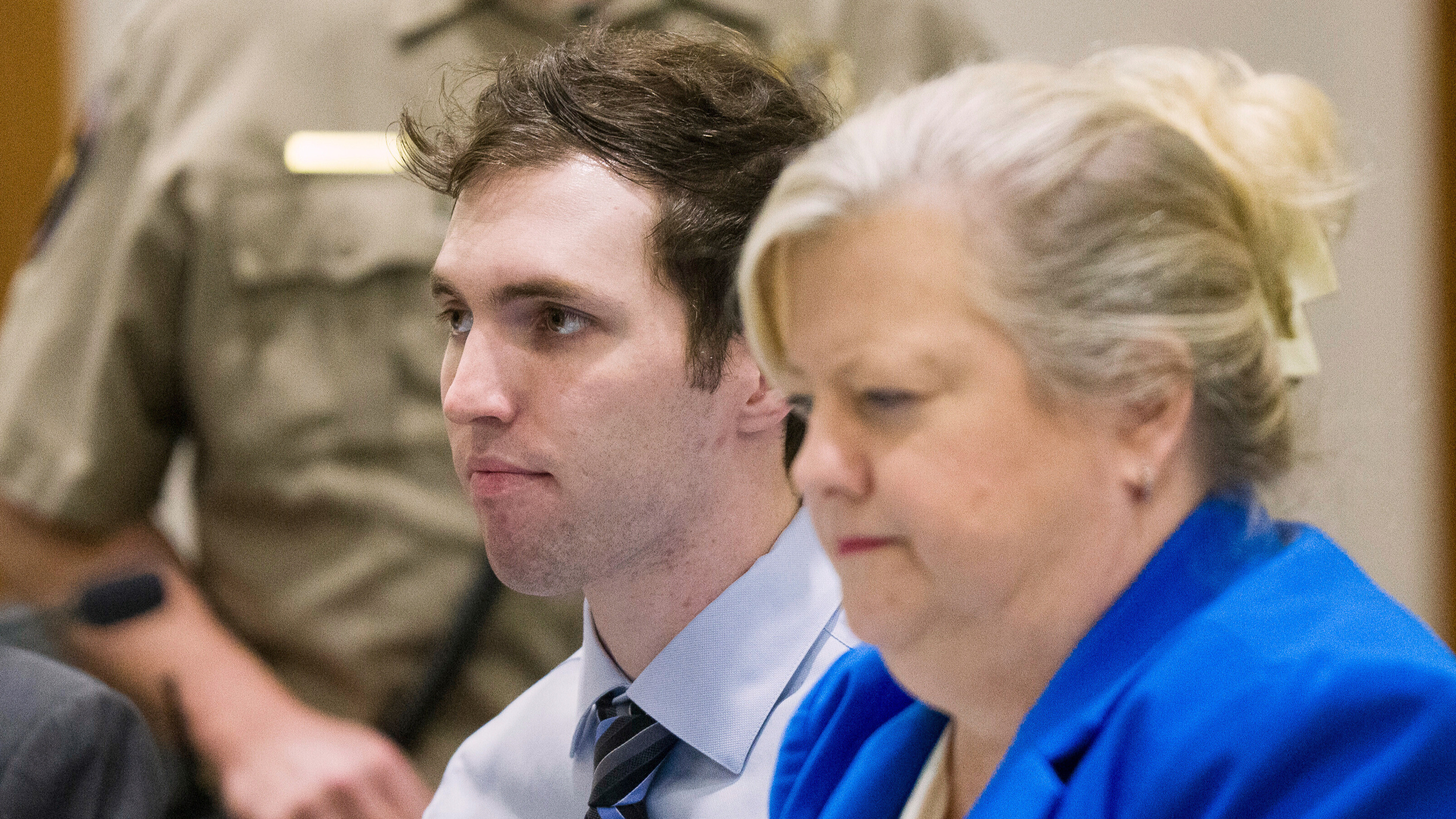
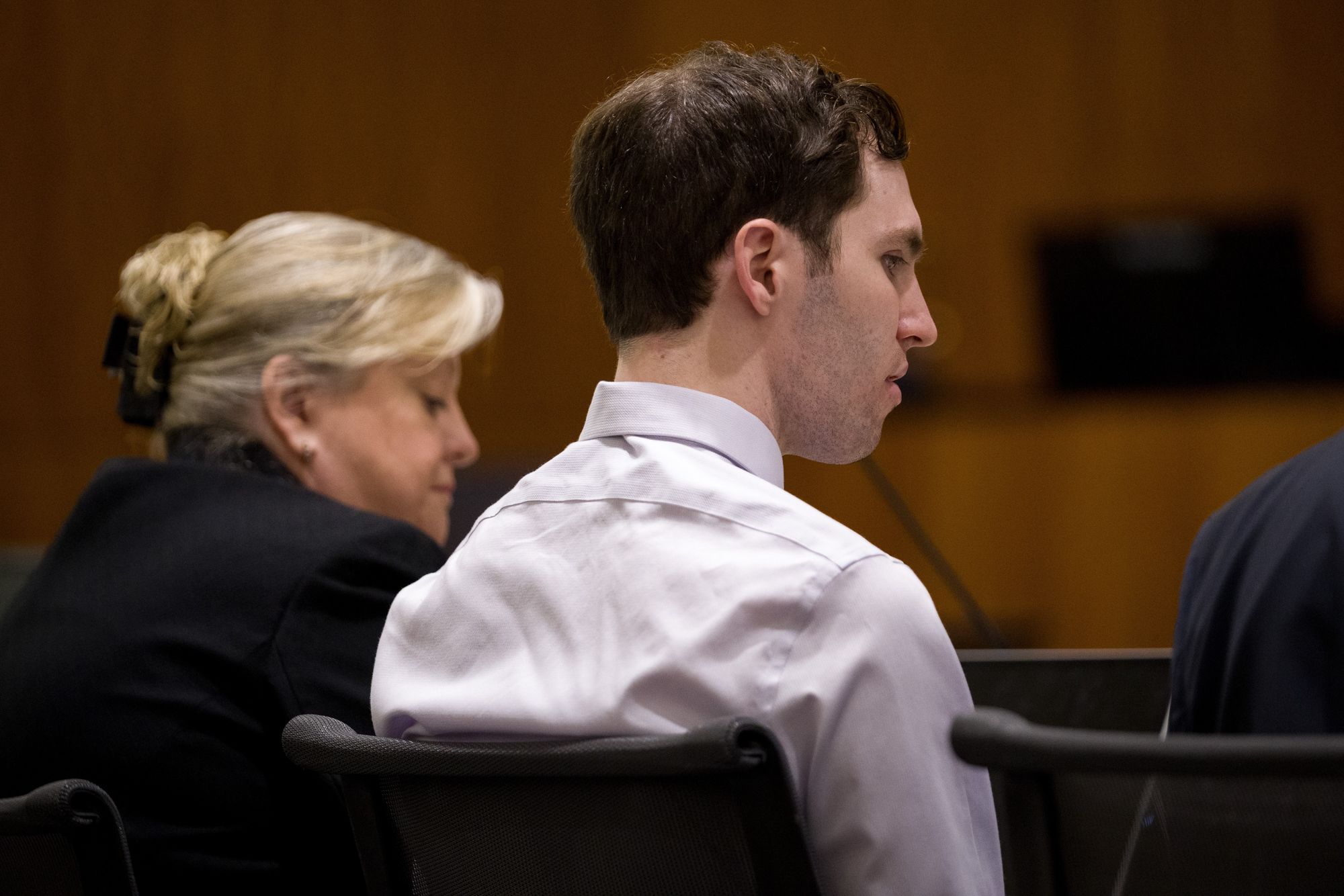
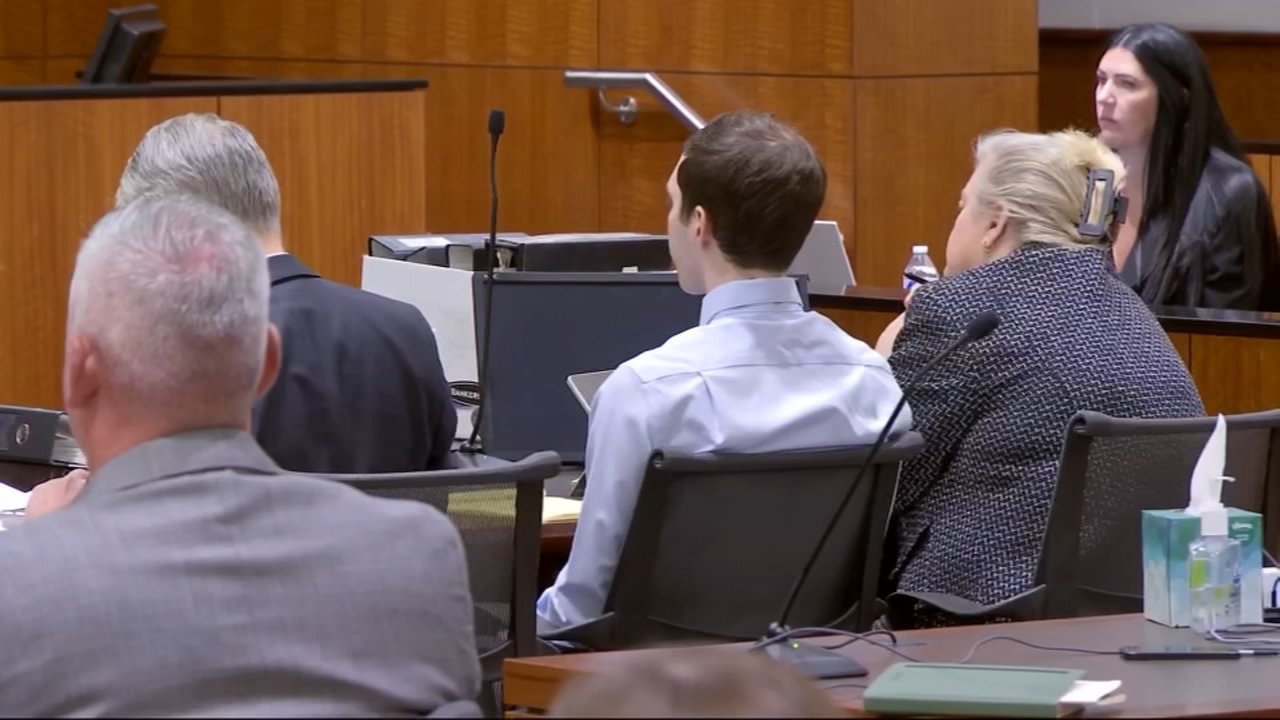
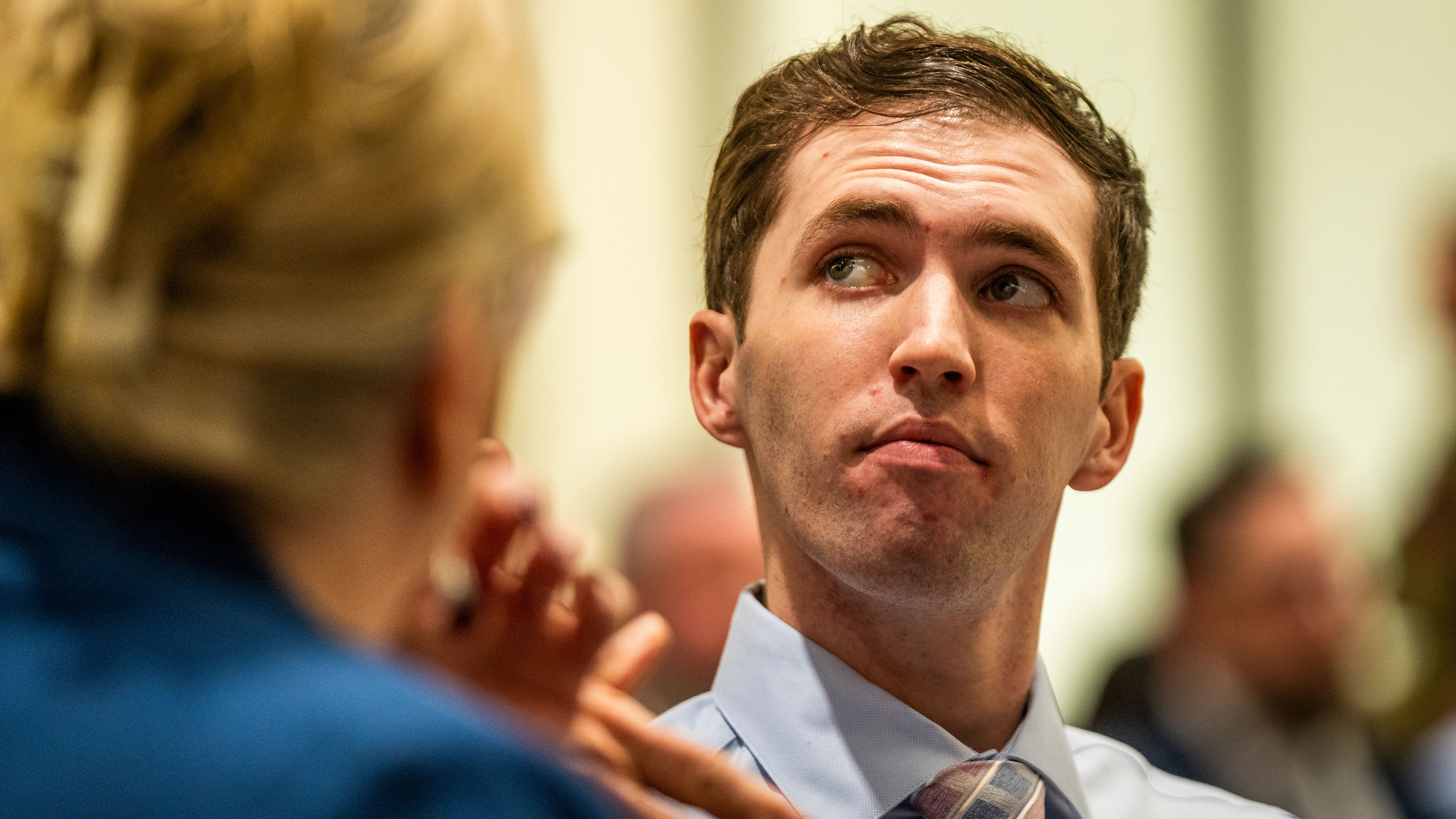
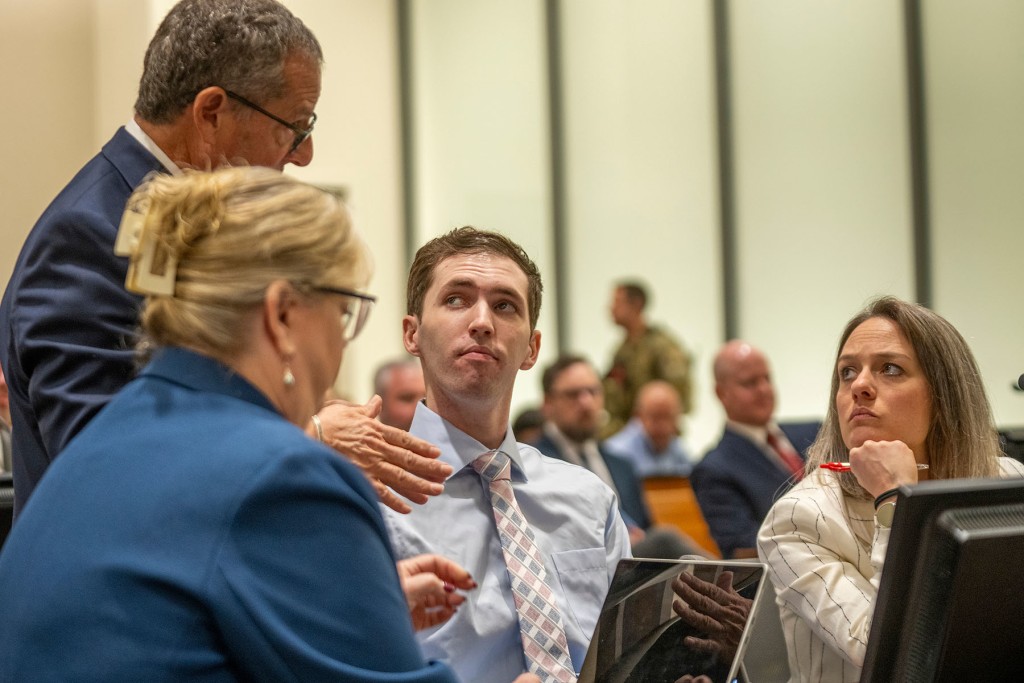
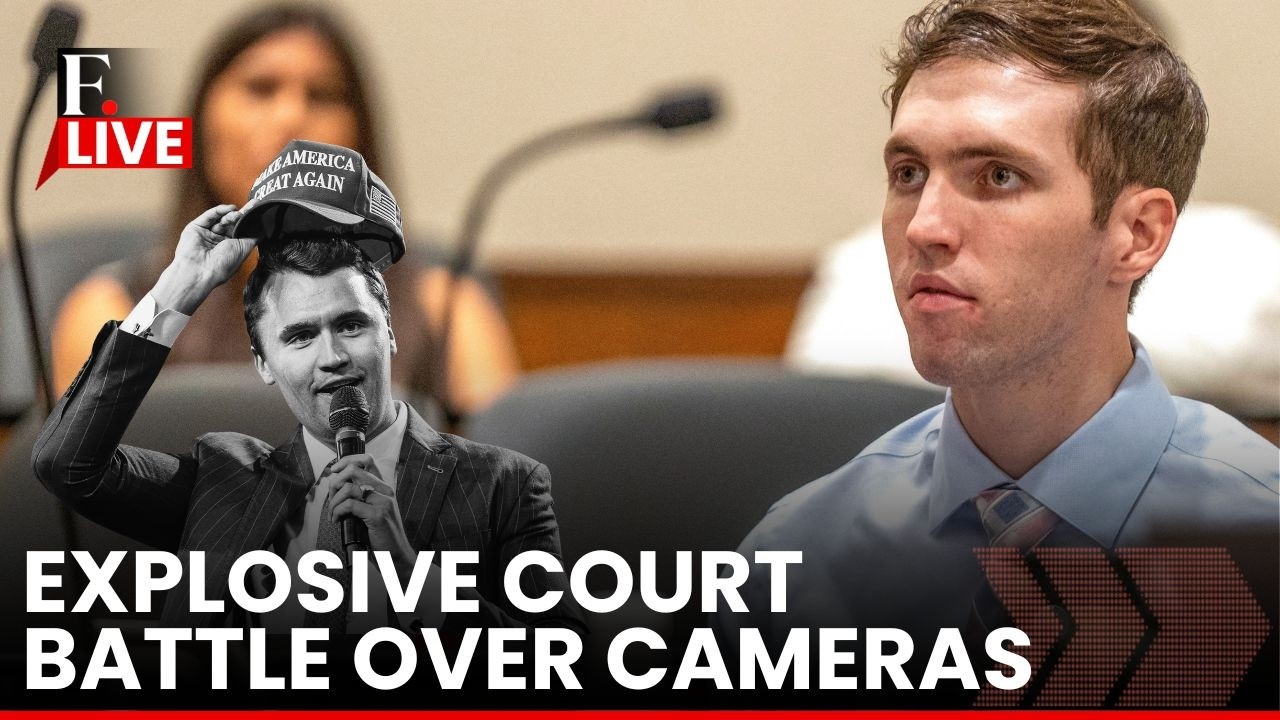
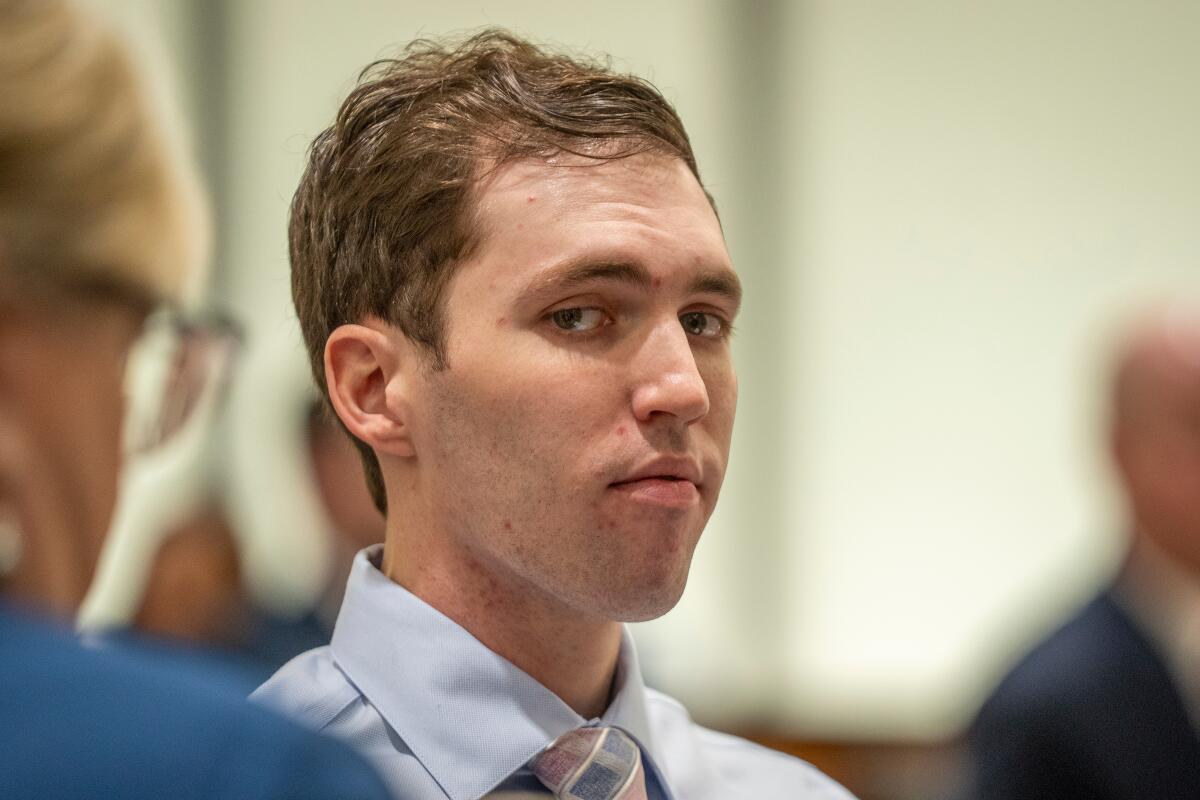
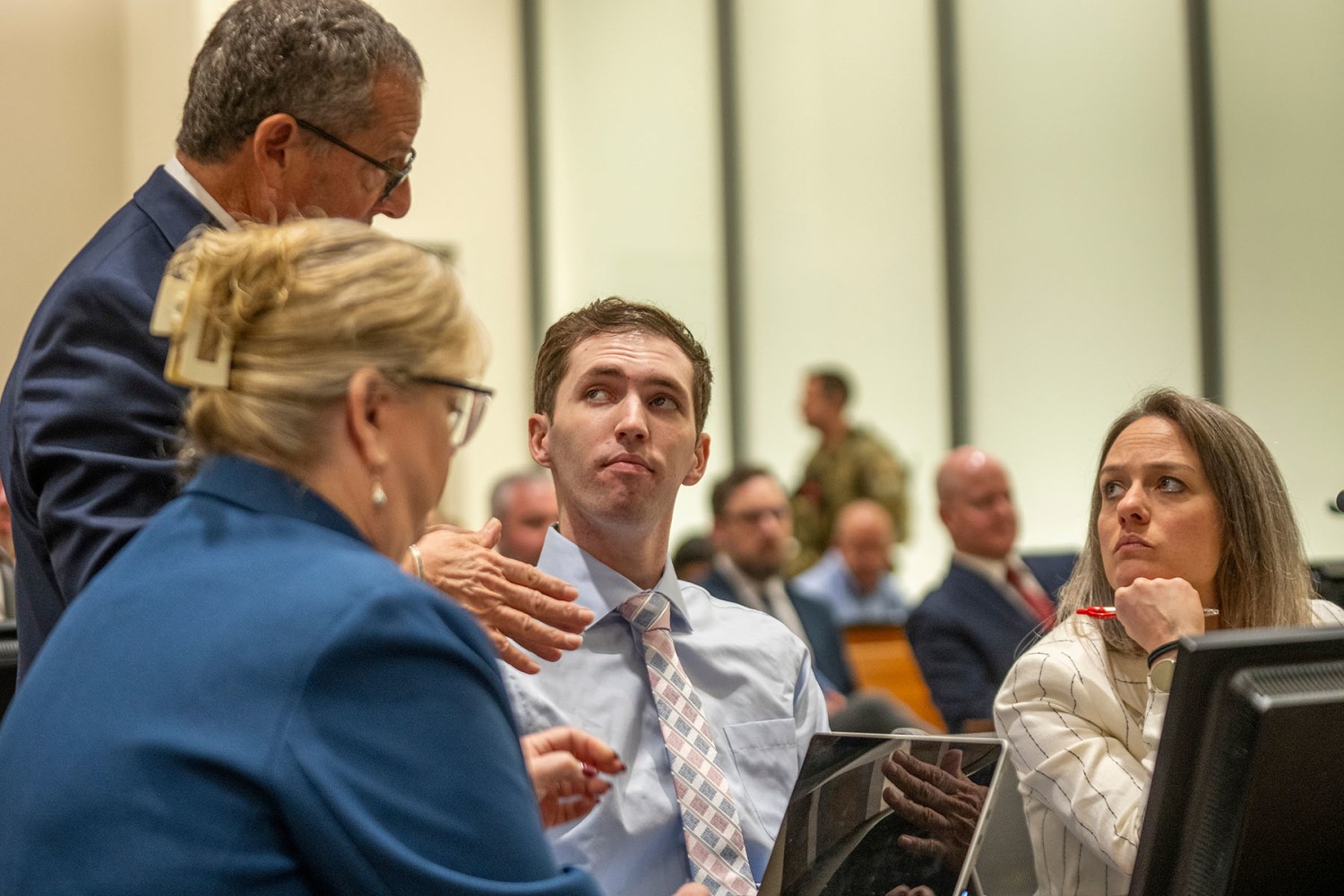
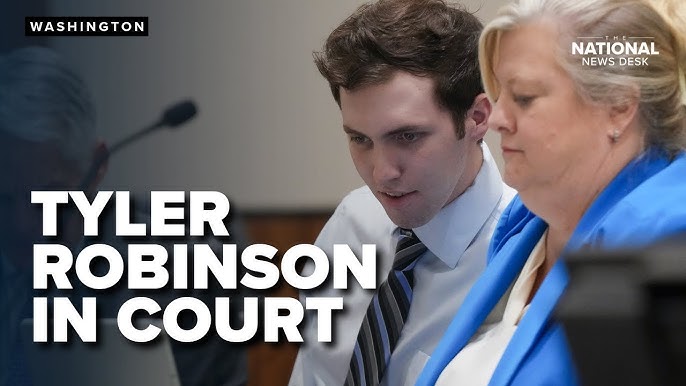
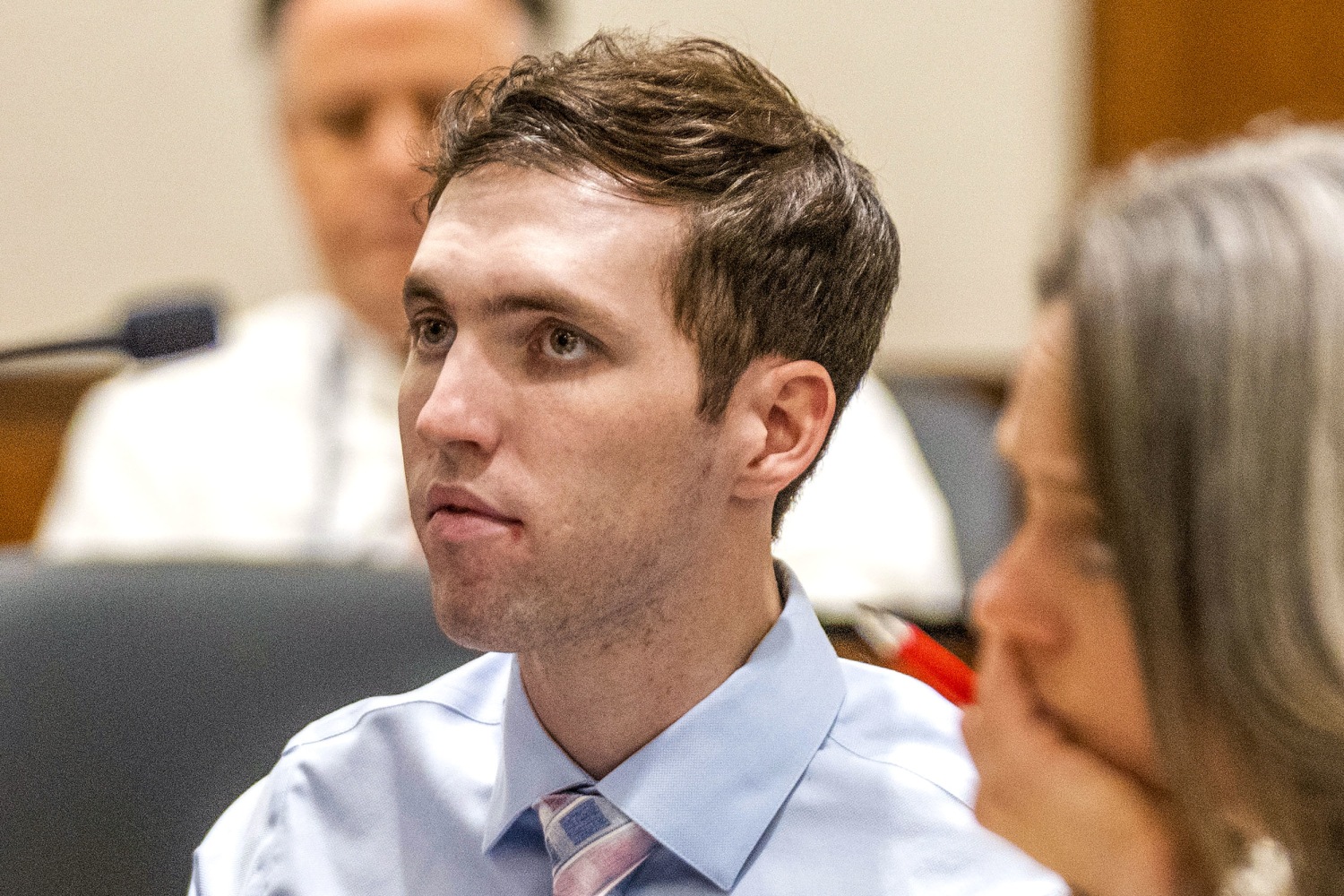
In a critical development just days before the highly anticipated preliminary hearing, Tyler Robinson, accused of assassinating Turning Point USA founder Charlie Kirk, suffered a major defeat in court. The Utah Supreme Court declined to hear Robinson’s appeal against the decision of Fourth District Judge Tony Graf Jr., who allowed cameras inside the courtroom during the upcoming hearing. This ruling effectively clears the path for the hearing to proceed as scheduled, allowing the public and media to witness the proceedings firsthand.
Robinson’s defense team had sought to prevent cameras from recording the hearing, arguing that their presence could prejudice the case and impact Robinson’s right to a fair trial. However, the Supreme Court’s brief order stated, “The petition for permission to appeal from an interlocutory order is denied. The motion to stay is deemed moot.” This decision marks yet another setback for Robinson’s legal team, which has been actively challenging several pretrial rulings in the months leading up to this pivotal moment.
Background of the Case and Upcoming Preliminary Hearing
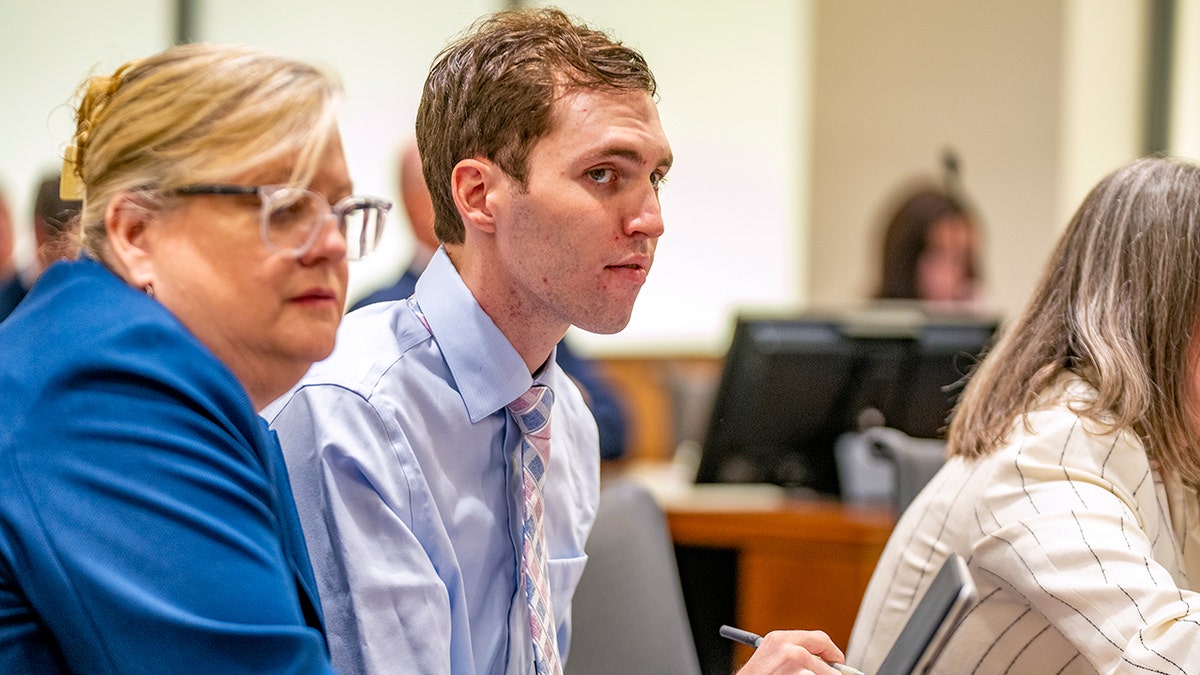
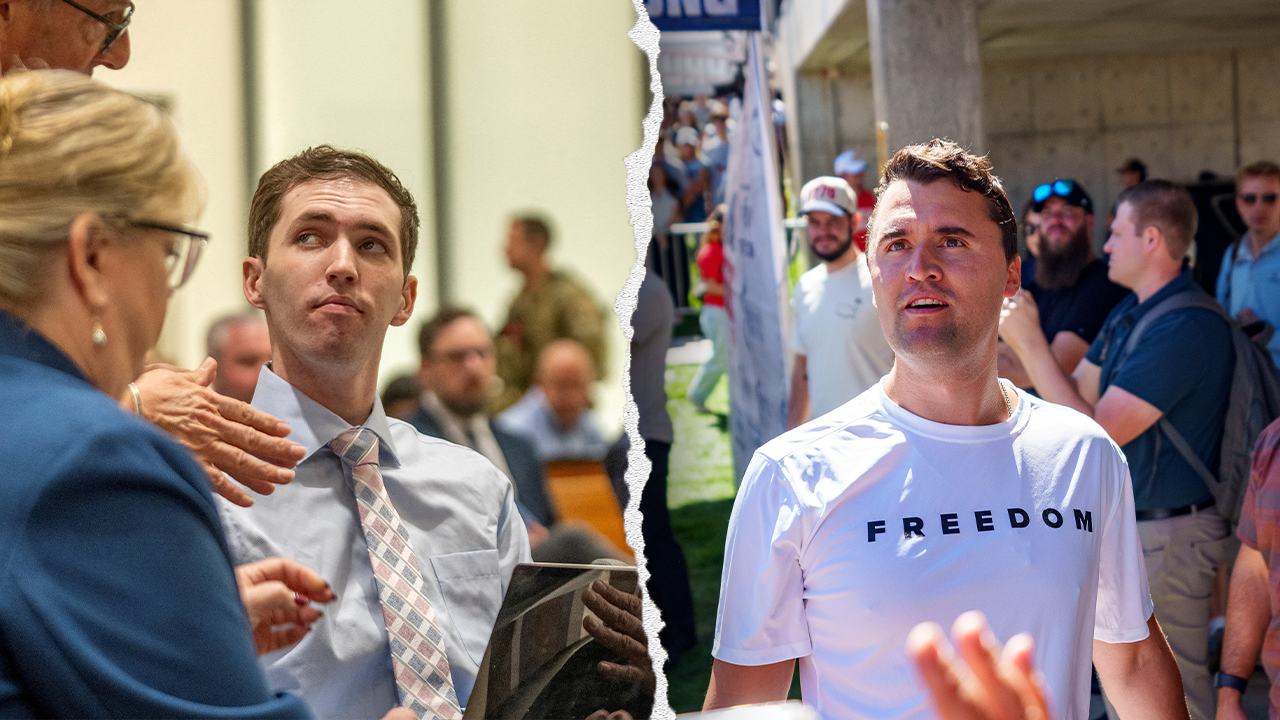
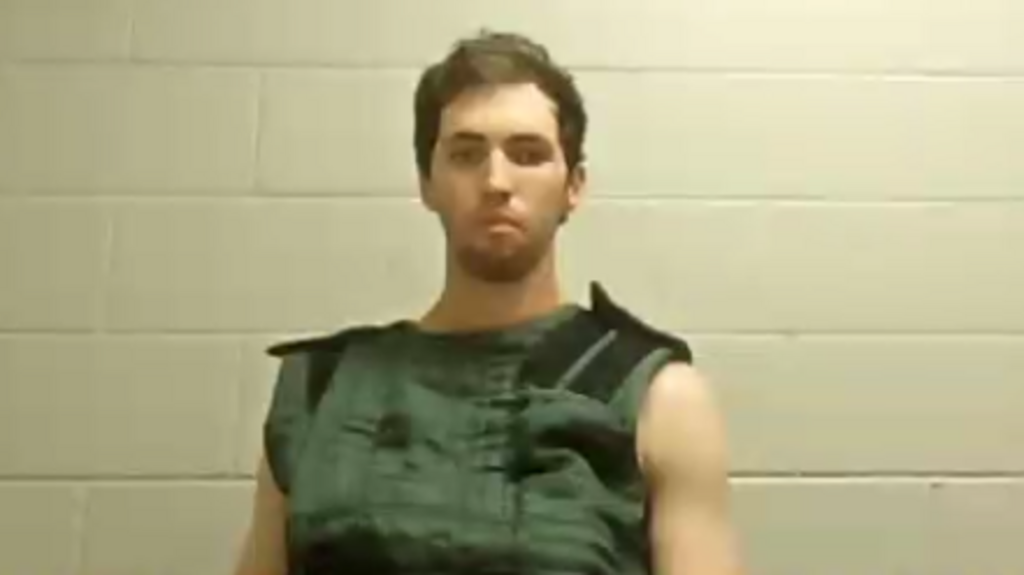
Tyler Robinson, 23, stands accused of fatally shooting Charlie Kirk during a public speaking event at Utah Valley University on September 10, 2025. Prosecutors allege that Robinson assassinated Kirk before fleeing the scene, leading to charges of aggravated murder. The prosecution is pursuing the death penalty, underscoring the gravity of the case. Robinson has not yet entered a plea.
The preliminary hearing scheduled for next week will be the first opportunity for the public to hear detailed evidence from prosecutors linking Robinson to the assassination. During this hearing, prosecutors must demonstrate probable cause that Robinson committed the crimes charged for the case to proceed to trial.
Robinson’s defense has vigorously contested several pretrial decisions, including attempts to remove the death penalty as a potential punishment. However, Judge Graf ruled that removing the death penalty would be “grossly disproportionate” given the nature of the crime. Instead, the judge implemented additional safeguards during jury selection to protect Robinson’s right to a fair trial.
Additional Legal Challenges and Pending Appeals
While the Supreme Court’s recent ruling allows the preliminary hearing to move forward, two other defense petitions remain pending. One petition seeks to block prosecutors from using certain hearsay evidence during the hearing, while the other challenges the decision not to require key witness Lance Twiggs to testify in person.
These appeals could still impact the proceedings, but no rulings have been made yet. Meanwhile, the defense continues to explore every legal avenue to challenge the prosecution’s case and protect Robinson’s rights.
Impact of the Courtroom Ruling on the High-Profile Case
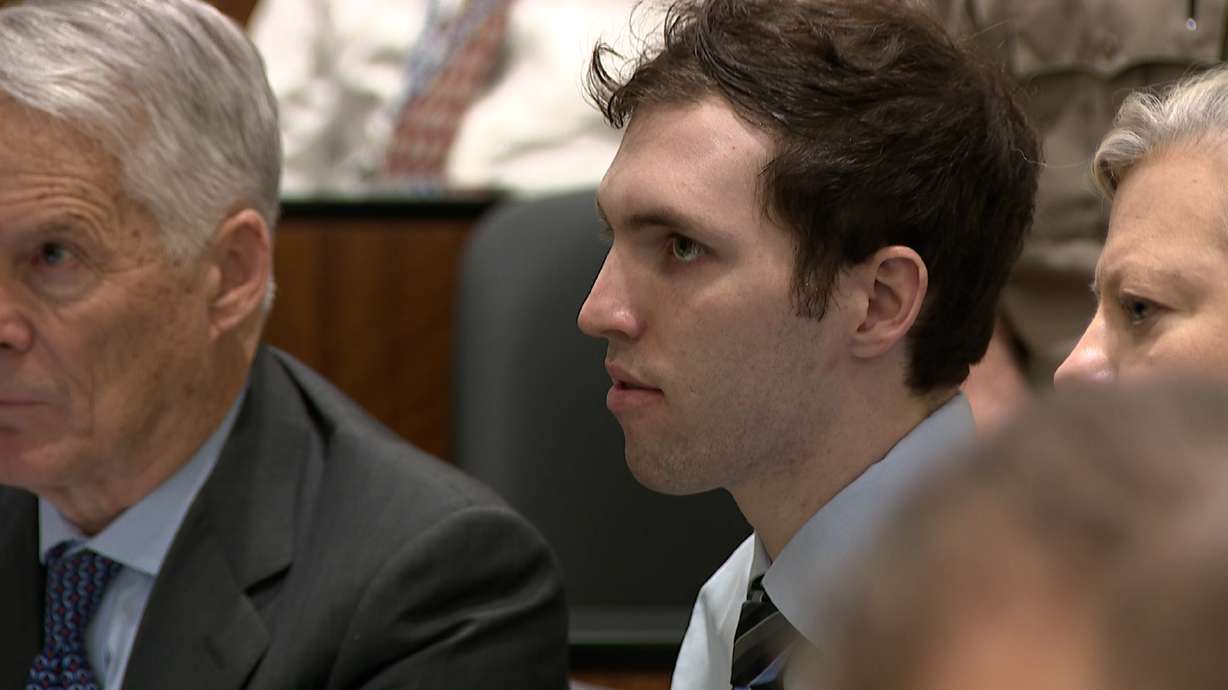
The Utah Supreme Court’s decision to allow cameras in the courtroom is significant for several reasons. First, it ensures transparency in a case that has attracted national attention due to Charlie Kirk’s prominence as a political activist and founder of Turning Point USA. The public and media will have direct access to the hearing, which may influence public perception and the broader discourse surrounding the case.
Second, the ruling limits the defense’s ability to control the narrative by restricting courtroom coverage. With cameras present, every moment of the hearing will be documented, potentially increasing pressure on both sides to present their arguments clearly and effectively.
Finally, this decision underscores the judiciary’s commitment to balancing the defendant’s rights with the public’s interest in open justice. While Robinson’s defense has raised concerns about media influence, the court has prioritized transparency and accountability in this high-stakes case.
What to Expect at the Preliminary Hearing
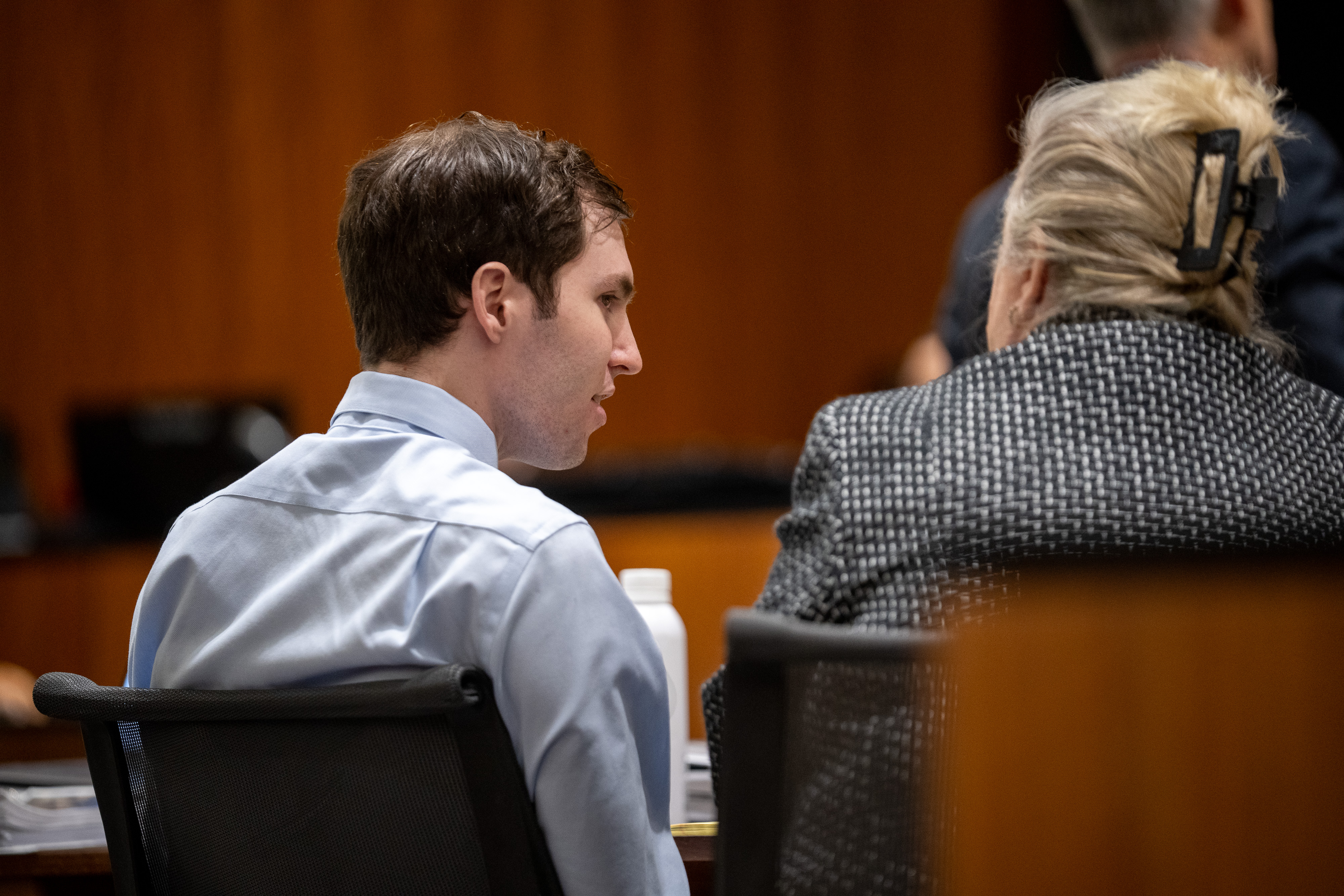
Next week’s hearing will be a critical juncture in the Tyler Robinson case. Prosecutors are expected to present a detailed account of the evidence they have gathered, including eyewitness testimony, forensic analysis, and other materials linking Robinson to the assassination of Charlie Kirk.
The hearing will also provide an opportunity for the defense to challenge the prosecution’s evidence and raise any legal objections. Although Robinson has not entered a plea, the hearing’s outcome will determine whether the case advances to trial.
Family members of Charlie Kirk, including his parents and widow, are expected to attend the hearing, highlighting the emotional weight of the proceedings. The case continues to captivate public attention, with many awaiting the hearing to gain clarity on the facts and legal arguments involved.
Conclusion
The Utah Supreme Court’s denial of Tyler Robinson’s appeal to block cameras at the preliminary hearing marks a pivotal moment in the high-profile assassination case of Charlie Kirk. As the hearing approaches, prosecutors prepare to present their evidence, while the defense continues to navigate complex legal challenges. This ruling ensures transparency and public access to a case that has significant legal and societal implications.
Stay informed about the latest developments in the Tyler Robinson case by following trusted news sources and legal updates. If you want to receive timely updates and expert analysis on this and other major legal stories, subscribe to our newsletter today and never miss a critical moment.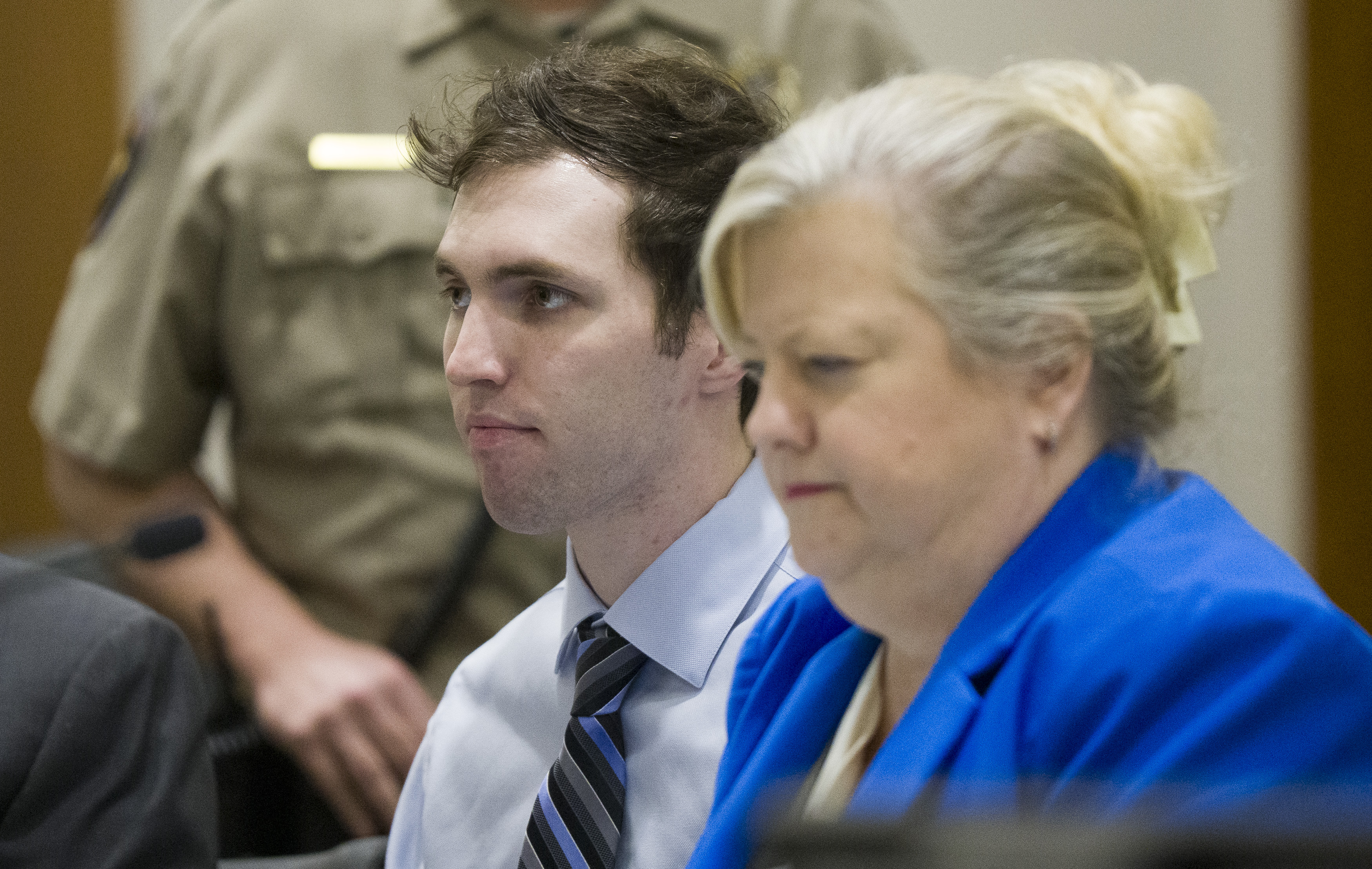
Leave a Reply