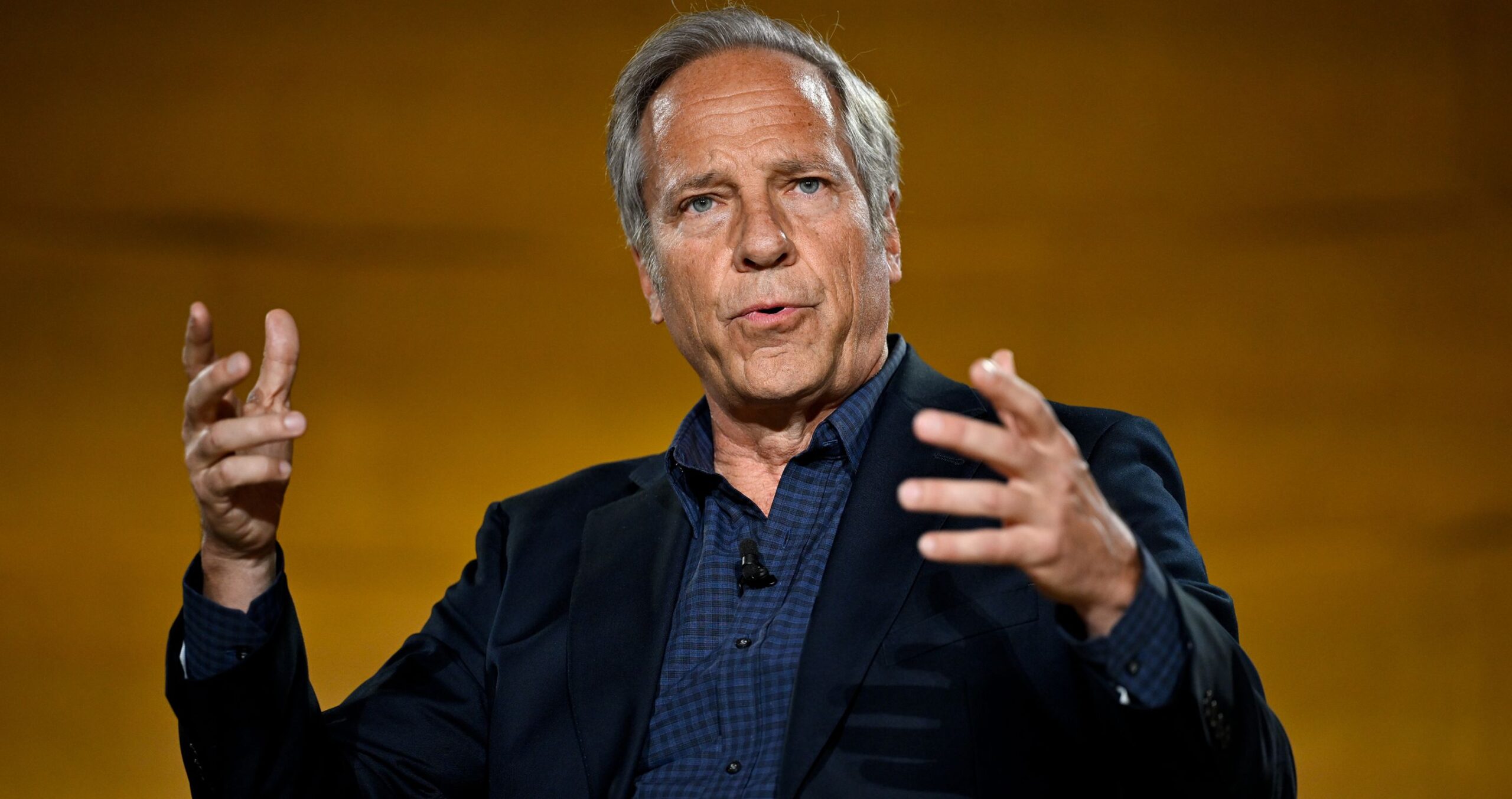
‘Dirty Jobs’ Host Mike Rowe Sues for Millions in Alleged Unpaid ‘Deadliest Catch’ Voiceover Money
Mike Rowe’s Legal Battle Over ‘Deadliest Catch’ Narration Payments

Mike Rowe, best known for his work on the hit show “Dirty Jobs,” has taken legal action against Discovery Talent Services (DTS), alleging that he has been denied millions of dollars in voiceover payments related to the popular fishing documentary series “Deadliest Catch.” The lawsuit, filed in mid-2026, claims that Discovery breached a longstanding agreement by failing to pay Rowe for narrating various spinoff series, despite contractual obligations.
Rowe’s involvement with “Deadliest Catch” dates back to 2005, when he began narrating the original series. Over the years, the show expanded into multiple spinoffs, including “Deadliest Catch: The Bait,” “Deadliest Catch: Dungeon Cove,” “Deadliest Catch: Bloodline,” “Deadliest Catch: The Viking Returns,” and “Deadliest Catch: Northern Edge.” According to the lawsuit, while Rowe was compensated for some spinoffs, Discovery failed to pay him for others, even when his voice was not used but the contract required payment regardless.
Details of the Pay-or-Play Agreement and Alleged Breach
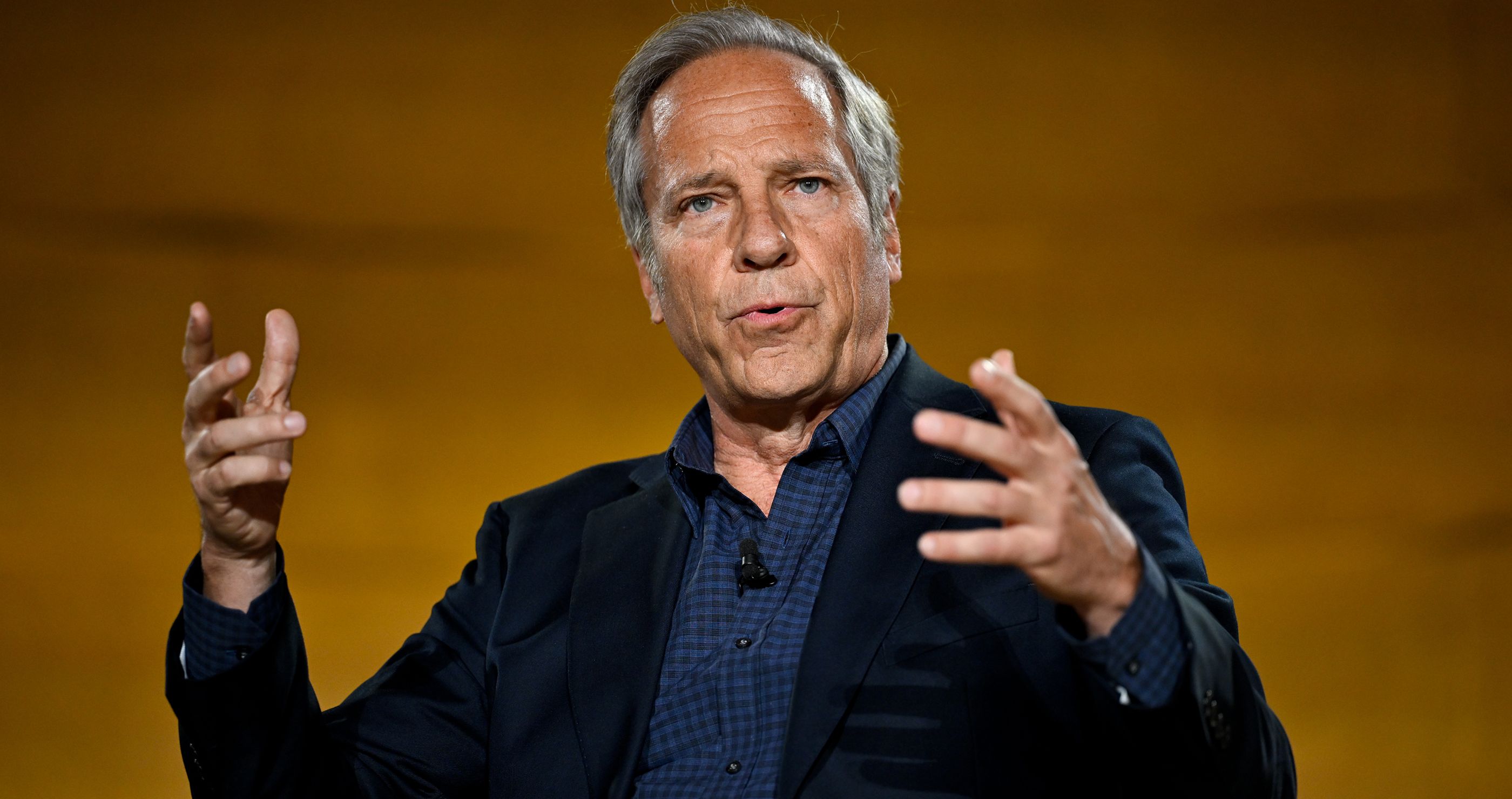
Central to the lawsuit is a pay-or-play agreement that Rowe and Discovery allegedly finalized in 2020. This agreement stipulated that Rowe would receive $40,000 per episode for narrating “Deadliest Catch” and its spinoffs. The pay-or-play clause meant that Discovery was obligated either to use Rowe’s narration (play) or pay him the agreed rate even if another narrator was selected or if his voice was not featured (pay).
Initially, the agreement covered a specific period, but the 2020 deal reportedly “locked in” Rowe for life under these terms. This included all original episodes of “Deadliest Catch” and “Bering Sea Gold,” as well as any spinoffs derived from the original series.
Rowe’s lawsuit alleges that Discovery violated this agreement by not paying him for at least 51 episodes across three spinoffs: “Deadliest Catch: Bloodline” (33 episodes), “Deadliest Catch: The Viking Returns” (10 episodes), and “Deadliest Catch: Northern Edge” (8 episodes). Despite not using Rowe’s narration in these episodes, Discovery allegedly failed to compensate him as required by the pay-or-play clause.
Additional Claims and International Broadcast Concerns

Beyond the unpaid spinoff episodes, Rowe’s legal team also raised concerns about international broadcasts of the original “Deadliest Catch” series. The lawsuit claims that episodes aired outside the United States differ materially from those shown domestically. If these international versions are deemed “originally produced episodes,” Rowe’s pay-or-play agreement would entitle him to additional compensation.
Prior to filing the lawsuit, Rowe and his representatives reportedly engaged in discussions with Discovery. However, Discovery’s interpretation of the pay-or-play provision was that it only applied when a narrator was featured in an episode. Since Discovery chose not to use Rowe’s narration in numerous spinoff episodes, they argued no payment was owed. Rowe’s legal team disputes this, asserting that the contract mandates payment regardless of narration use.
Implications for Mike Rowe and Discovery
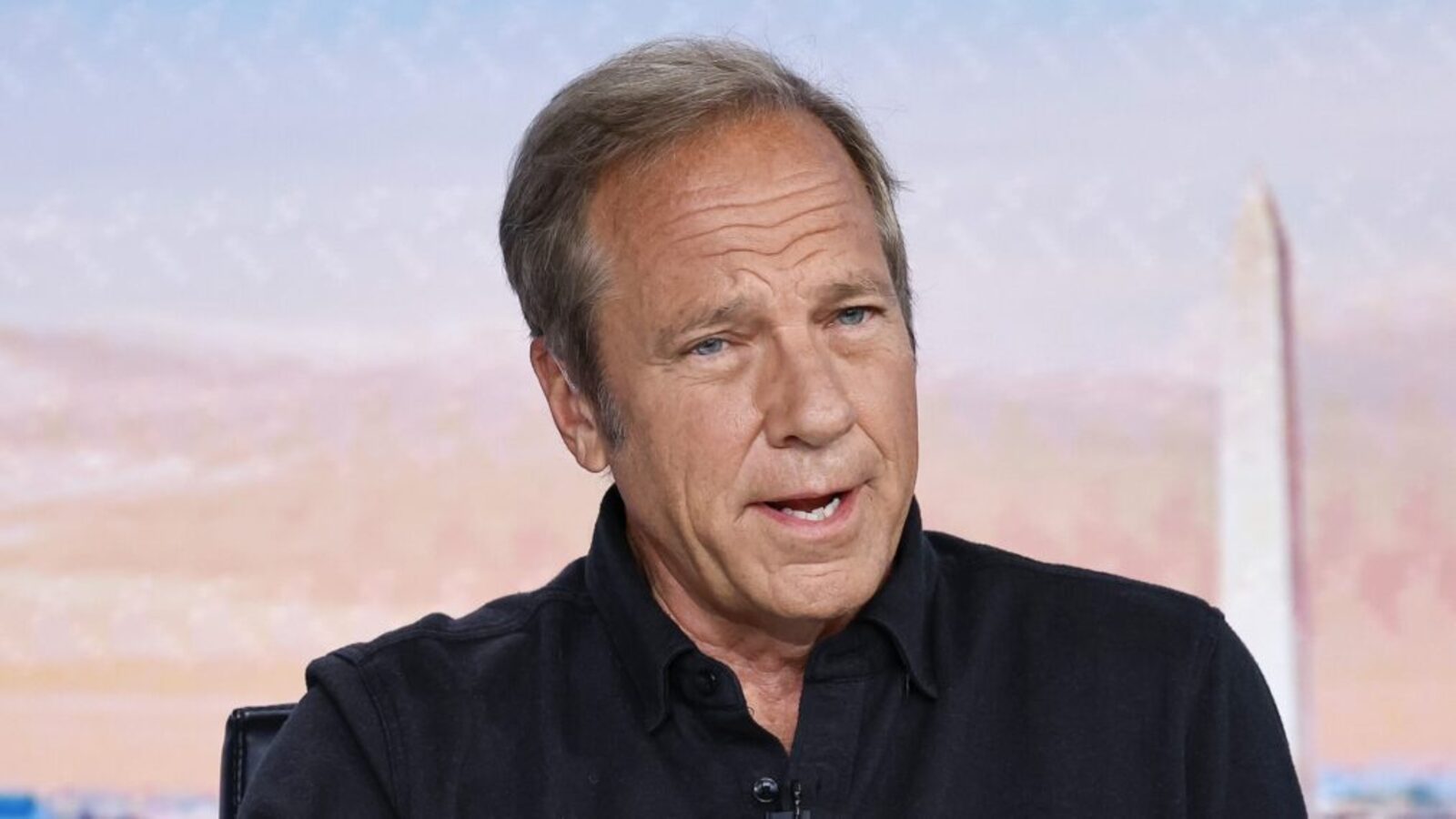
Mike Rowe claims he is owed more than $2 million for his work on “Deadliest Catch” spinoffs under the terms of the agreement. The lawsuit shines a spotlight on the complexities of talent contracts in the entertainment industry, especially regarding voiceover work and spinoff productions.
Discovery has not publicly commented on the lawsuit. However, the case raises important questions about contractual obligations, intellectual property rights, and fair compensation for long-term contributors to successful television franchises.
Conclusion
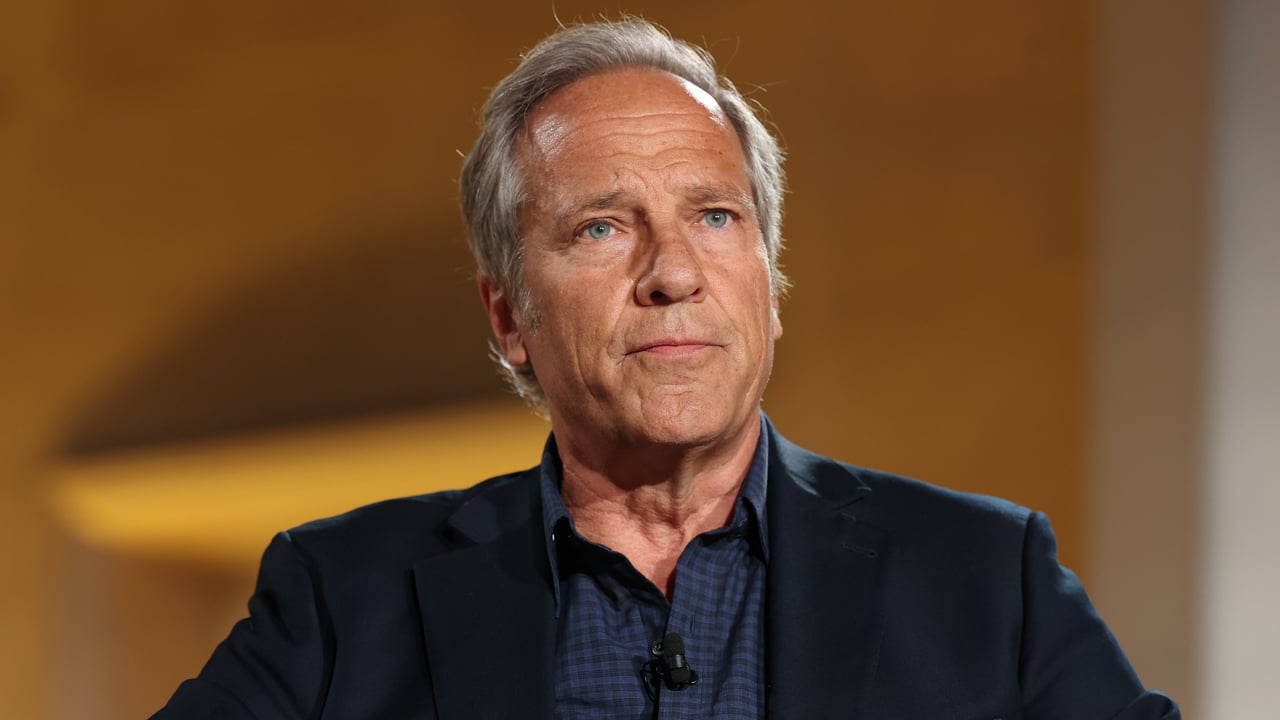
Mike Rowe’s lawsuit against Discovery Talent Services underscores the challenges that can arise even for established television personalities when contractual agreements are disputed. As the case unfolds, it will be important for industry professionals and fans alike to watch how voiceover rights and pay structures are managed in evolving media landscapes. If you’re interested in staying updated on this story and other entertainment industry news, be sure to subscribe to our newsletter and follow our coverage regularly. Don’t miss out on the latest developments—sign up today!

Leave a Reply