LEE GREENWOOD: Trump Can Help Finish the Fight Frank Sinatra Started
The Legacy of a Fight for Fair Music Royalties
For decades, musicians and artists have faced an unfair reality: while AM/FM radio stations generate significant revenue by playing their recordings, the artists themselves receive no compensation from these broadcasts. This longstanding loophole in U.S. copyright law has persisted for nearly a century, allowing major radio corporations to profit off the hard work of musicians without sharing the financial rewards.
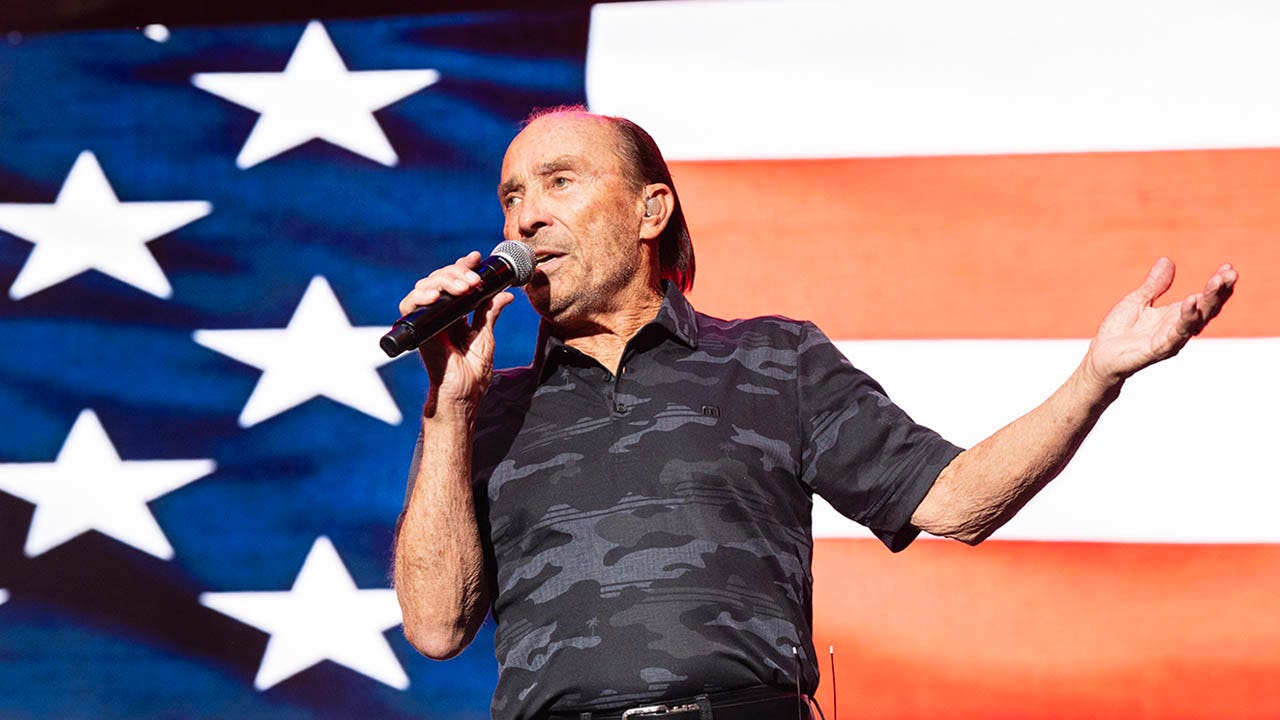
Lee Greenwood, renowned for his patriotic anthem “God Bless the U.S.A.,” has been a vocal advocate for closing this loophole. He highlights that this battle is not new; it was first championed by none other than Frank Sinatra, who sought to secure fair pay for artists from radio broadcasts. Despite Sinatra’s efforts, Congress has yet to act decisively, leaving many musicians—especially session players, backup singers, and studio musicians—without fair compensation.
Why the Loophole Exists and Its Impact on Musicians
The root of this issue lies in the unique way U.S. copyright law treats AM/FM radio. Unlike streaming platforms such as Spotify, SiriusXM, and YouTube, which pay royalties to artists and rights holders, traditional radio stations are exempt from paying performers for the use of their sound recordings. This exemption was established in the early days of broadcasting and has been maintained largely due to the powerful lobbying efforts of the radio industry.
The consequences are significant. While radio stations earn billions in advertising revenue by playing music, the artists who create that music see none of these profits. This situation is especially unfair to the many talented musicians who contribute to recordings but remain behind the scenes, often without name recognition or financial security.
Moreover, this loophole affects American artists internationally. Because the U.S. does not pay performers for radio plays, other countries with reciprocal royalty agreements with the U.S. withhold payments to American artists. This has resulted in hundreds of millions of dollars in lost income annually. The European Union, for example, has proposed withholding an additional $287 million in royalties from U.S. artists due to this issue.
How President Trump Can Help Finish the Fight
Lee Greenwood points to the American Music Fairness Act as the critical legislative solution to this problem. This bipartisan bill, introduced by Senator Marsha Blackburn (R-TN) and Congressman Darrell Issa (R-CA), aims to require large radio corporations to pay royalties to artists for the use of their recordings. At the same time, it protects small, independent local radio stations by allowing them to pay a modest flat fee for unlimited music plays.
President Donald Trump’s previous support for musicians was evident when he signed the Music Modernization Act into law, a landmark bill that modernized royalty payments in the streaming era. However, the American Music Fairness Act addresses the unfinished business of ensuring fair pay for artists on traditional radio platforms.
Greenwood believes that with President Trump’s leadership, this bill can finally pass Congress and close the loophole that has disadvantaged musicians for over 100 years. Doing so would not only provide long-overdue compensation to artists but also restore fairness and uphold the American principle that hard work deserves to be rewarded.
The Cultural and Economic Significance of Closing the Loophole

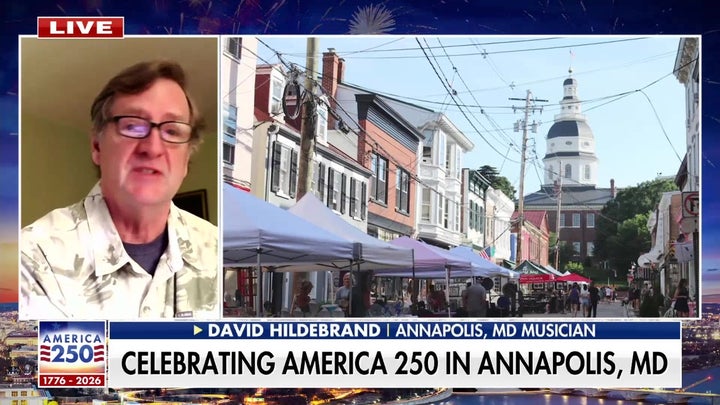
As America celebrates its 250th anniversary, the timing to resolve this issue is symbolic. Music has always been an integral part of the American identity, providing the soundtrack to the nation’s history and culture. Ensuring that the artists behind these iconic songs receive fair compensation honors their contributions and supports the creative economy.
Closing this loophole would also strengthen the U.S. music industry’s standing globally. By aligning American copyright law with international standards, artists would regain access to royalties withheld by foreign countries. This would inject hundreds of millions of dollars back into the pockets of American musicians, supporting their livelihoods and encouraging continued artistic innovation.
Furthermore, fair compensation for musicians fosters a healthier music ecosystem. When artists are paid fairly, they can invest more in their craft, tour, and produce new work, enriching the cultural fabric of the nation.
Conclusion
The fight to ensure fair royalties for musicians on AM/FM radio is a vital cause that honors the legacy of Frank Sinatra and champions the rights of countless artists who have long been overlooked. Lee Greenwood’s call to action underscores the importance of closing this century-old loophole, and with President Trump’s proven commitment to supporting artists, there is renewed hope that this battle can be won.
If you believe in fair pay for the musicians who create the soundtrack of America, support the American Music Fairness Act today. Together, we can help finish the fight and ensure that artists receive the compensation they deserve for their invaluable contributions.
Take action now and join the movement to bring justice to America’s musicians!
Leave a Reply