
Chip and Joanna Gaines Encounter Controversy Over Casting Decision in New Reality Show

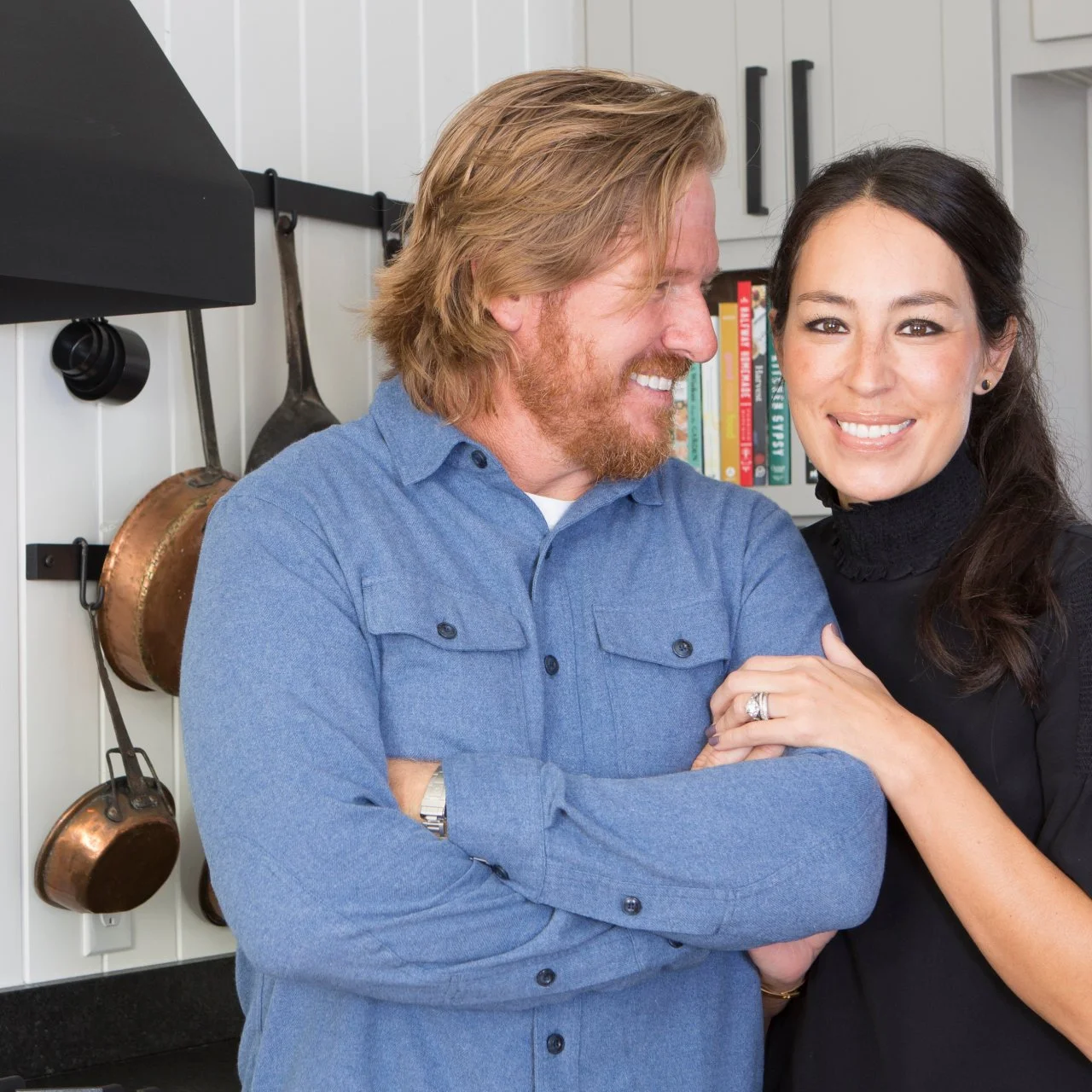
Chip and Joanna Gaines, the beloved HGTV duo renowned for their home renovation talents, are facing backlash after the announcement of their new reality series, *Back to the Frontier*. This latest venture, streaming on HBO Max and the Magnolia Network, aims to transport families back to the lifestyle of the 1880s, where they must survive without modern conveniences for eight weeks. However, the inclusion of a same-sex couple in the cast has ignited a heated debate among conservative viewers.
Facing Backlash from Conservative Audiences

The couple featured in the show, Jason and Joe Hanna-Riggs, are married and proud parents to twin boys via surrogacy. They joined *Back to the Frontier* with the intention of normalizing the representation of same-sex families in mainstream media. However, their participation has drawn criticism from prominent conservative figures, including Franklin Graham, who expressed disappointment on social media. Graham, who is known for his evangelical views, emphasized that traditional marriage should be defined as a union between one man and one woman, and he condemned the portrayal of anything contrary to biblical teachings.
Chip Gaines addressed the criticism, suggesting that the judgment coming from self-identified Christians should be reconsidered. He posited that a more compassionate dialogue around acceptance and understanding should replace harsh judgments. This commentary indicates that Chip and Joanna are committed to challenging the societal norms that govern discussions about family and identity.
The Historical Context of Homesteading and Representation
In embracing their role on the show, Jason and Joe Hanna-Riggs aim to highlight the existence of queer individuals throughout history, including those who lived during the homesteading era. They argue that their participation enriches the narrative and provides a unique perspective that reflects the realities of diverse family structures. The show prompts participants to adopt historically grounded skills necessary for survival, casting light on the evolving dynamics of gender roles and relationships across time.
The series stands as a social experiment, inviting audiences to reevaluate historical family structures while acknowledging modern shifts towards inclusivity. By introducing a same-sex couple into this traditional setting, *Back to the Frontier* allows for an exploration of how diverse identities intersect with historical narratives, stirring dialogue on societal changes.
Media Representation and Societal Trends

The backlash from the Gaines’ conservative fanbase marks a significant moment in media representation, illustrating the tensions between traditional beliefs and modern acceptance of varied family configurations. Chip and Joanna have become widely recognized among evangelical audiences, which adds complexity to the current discourse surrounding their casting decision. The inclusion of the Hanna-Riggs family amplifies conversations about acceptance and challenges historical stereotypes, shifting the focus towards broader understanding.
As *Back to the Frontier* airs, it serves not only as a reality television series but also as a channel for examining topics that impact contemporary society. The show aims to offer insights into the connections between family dynamics, identity, and the historical context of American life. Despite the criticism, Chip and Joanna’s commitment to showcasing diverse family representations may resonate with those advocating for inclusivity in storytelling.
The casting decisions and themes explored in this series underscore an ongoing evolution in reality television, as networks increasingly engage with societal debates on family and identity. While traditional viewpoints may resist these changes, the reality television landscape is rapidly transforming, creating a space for more comprehensive representation of the human experience.
Conclusion

The response to *Back to the Frontier* illustrates an important intersection of media, tradition, and modern values. As Chip and Joanna Gaines navigate this challenging commentary, they invite audiences to reflect on their understanding of families and the narratives that deserve representation. Embracing the rich tapestry of human life is essential for creating a more inclusive society, and we encourage viewers to tune in and witness this unfolding conversation.


Leave a Reply